
Greece’s Democratic Regression and Its Implications for Europe
When Kyriakos Mitsotakis assumed office as Greece’s prime minister in July 2019, he framed his victory as a decisive break with instability. Declaring that the country was “returning to normality,” he presented his New Democracy government as technocratic, efficient, and free from the turbulence that had characterized the preceding Syriza administration. What followed, however, was not a restoration of democratic equilibrium but the gradual consolidation of a political system marked by impunity, centralized power, and managed legitimacy.
More than six years into Mitsotakis’s leadership, Greece displays the features of a democracy under sustained strain. Allegations involving corruption, misuse of public and European funds, unlawful surveillance, obstruction of justice, and systematic manipulation of public discourse have accumulated without meaningful accountability. Rather than isolated failures, these episodes form a coherent pattern: executive dominance reinforced by institutional weakness, media capture, and the neutralization of oversight mechanisms. This trajectory is historically significant. Since the fall of the military junta in 1974, no elected government has exercised power with such resistance to scrutiny or demonstrated such consistency in shielding its inner circle from investigation. This endurance has been facilitated by a fragmented opposition and a disoriented Left incapable of mounting a unified or credible challenge. In this vacuum, New Democracy has reshaped the political field largely unopposed.
The result is an emerging model of governance that combines neoliberal economic orthodoxy with authoritarian political practices. Market liberalization and executive authority advance together, while transparency and democratic checks are treated as negotiable. Crucially, this transformation has not occurred in defiance of the European Union but under its tacit protection. Greece is now routinely presented by EU institutions as a case of recovery and stability. Within the European Parliament, the European People’s Party—of which New Democracy is a member—has repeatedly acted to shield the Mitsotakis government from serious inquiry, even as investigations by the European Public Prosecutor have exposed extensive irregularities.
Continuity Beneath the Rhetoric of Change
The current administration’s conduct did not emerge in a vacuum. New Democracy has long been associated with opaque governance and entrenched clientelism. During its time in power between 2004 and 2009, the party was implicated in multiple scandals involving illegal surveillance, land swaps, corporate bribery, and the mismanagement of public funds. While few senior figures faced consequences, these episodes entrenched a political culture in which patronage networks and informal deals were normalized as instruments of rule.
Mitsotakis rose to power pledging to break decisively with this legacy. Yet his tenure has instead extended it under a more disciplined and centralized framework. The first major rupture in the government’s carefully managed image came with the exposure of widespread surveillance practices in 2022.
Journalists, opposition leaders, and even members of the governing party were found to have been monitored through a combination of illicit spyware and formally sanctioned wiretaps, following the prime minister’s decision to bring the intelligence service directly under his authority.
Although senior officials close to the prime minister resigned, including a key family member, no political accountability followed. Parliamentary scrutiny was curtailed, and investigations were effectively neutralized. The message was clear: institutional mechanisms would be allowed to function only insofar as they posed no threat to executive control.
Disaster Without Accountability
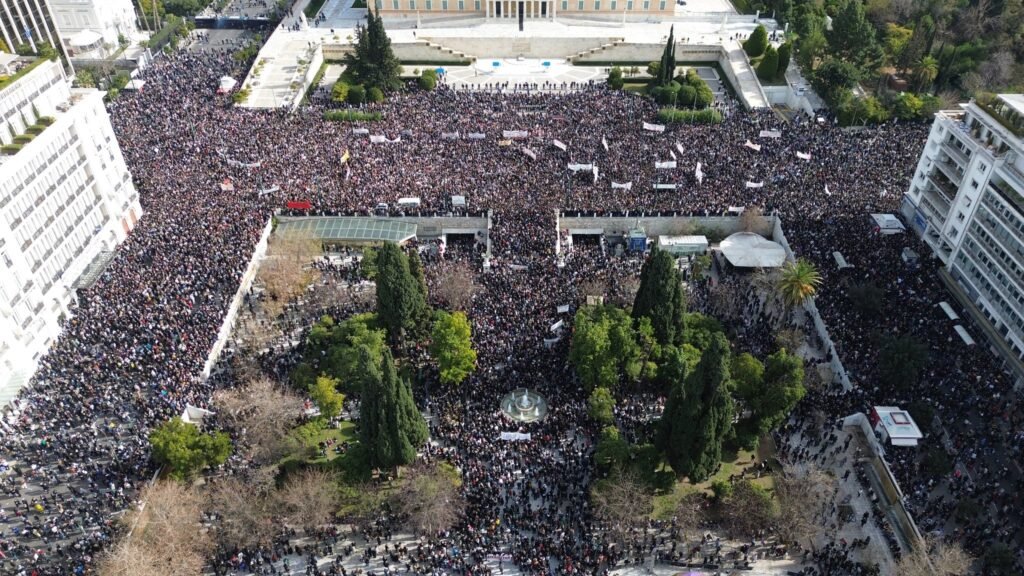
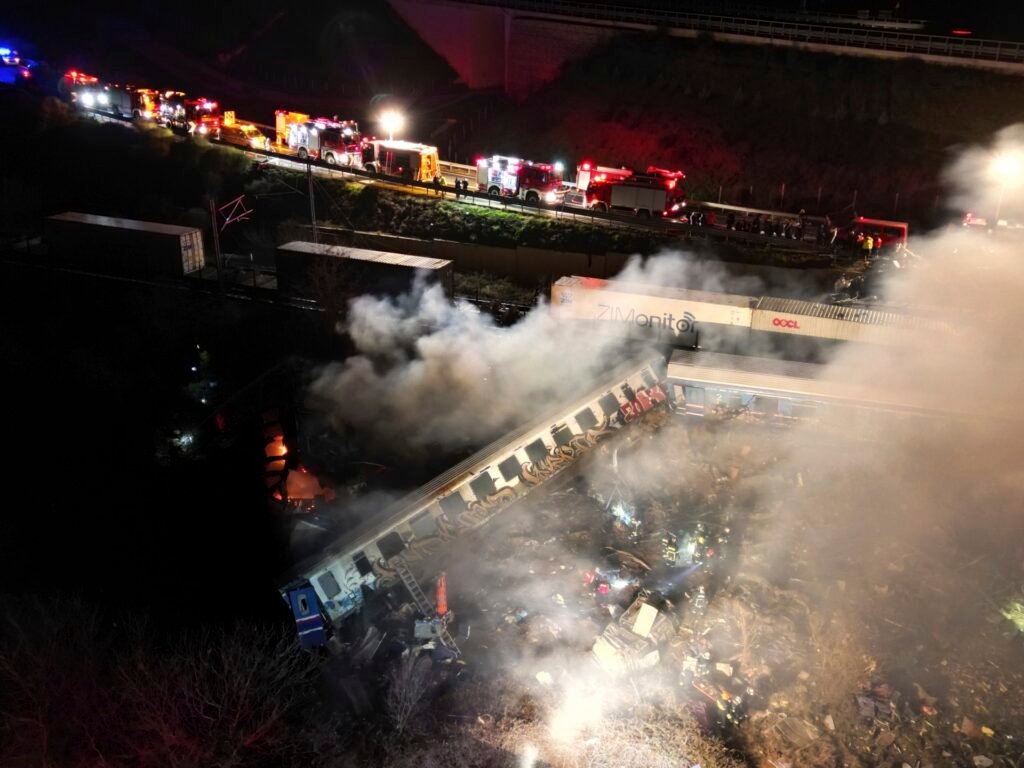
The illusion of technocratic competence collapsed further after the Tempe railway disaster in February 2023, when a collision between passenger and freight trains killed fifty-eight people, most of them young students. The government immediately framed the incident as the result of individual error, deflecting attention from long-standing warnings about infrastructure decay, understaffing, and stalled safety systems.
Families of the victims and railway workers challenged this narrative, pointing to destroyed evidence, alterations at the crash site, and the suppression of material that contradicted the official account. Parliamentary proceedings once again produced exoneration rather than accountability, as the governing majority cleared the responsible minister of wrongdoing. Years later, no senior official has faced prosecution, reinforcing public perceptions that responsibility is systematically contained before it reaches the political apex.
Electoral Dominance Amid Institutional Decay
Despite public outrage over surveillance and disaster mismanagement, New Democracy secured a second decisive electoral victory in 2023. This outcome reflected not public endorsement of governance practices but the implosion of the opposition. Internal conflicts, strategic incoherence, and the absence of a compelling alternative narrative left the Left unable to translate social anger into political consequence. The election result emboldened the government, which interpreted its renewed mandate as authorization to govern without restraint.
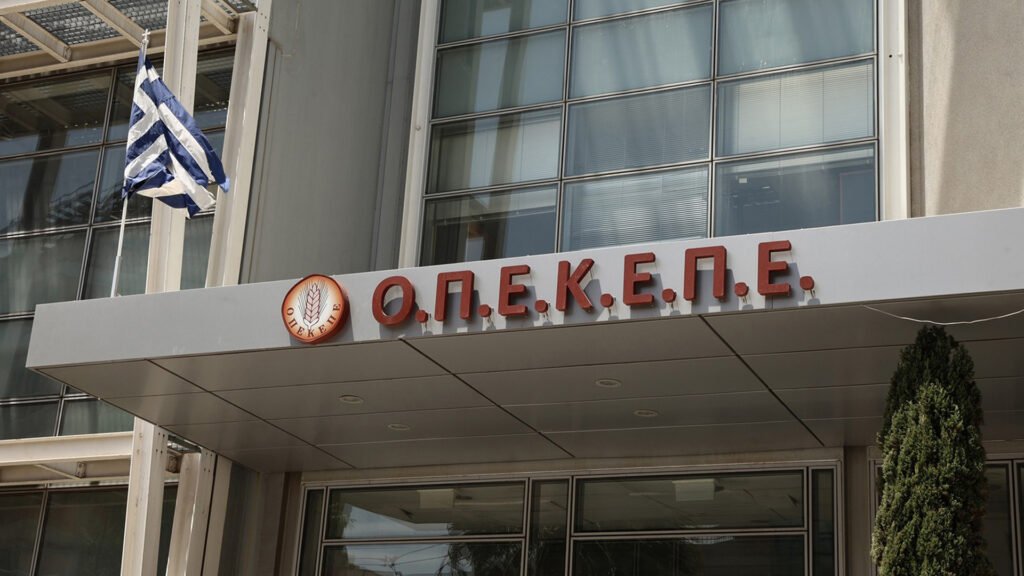
This confidence was soon tested by revelations surrounding the administration of EU agricultural subsidies. Investigations uncovered a vast scheme involving fictitious farming activities and fabricated claims, through which billions of euros in European funds were diverted. The fraud was neither accidental nor marginal: it operated through state agencies, relied on political protection, and reinforced local patronage networks closely aligned with New Democracy.
European authorities imposed significant financial penalties on Greece for systemic failures of oversight. Nevertheless, domestic accountability has remained elusive. Ministers and lawmakers named in investigations have not been prosecuted, while administrative restructuring has been used to dissolve responsibility rather than assign it. Farmers who never benefited from the scheme now face delayed payments and funding gaps, bearing the cost of a system designed to reward political loyalty.
Public statements by senior government figures have laid bare the structural nature of this impunity. Constitutional arrangements ensure that cases involving ministers are transferred to parliament, where the governing majority decides whether scrutiny proceeds. In practice, this mechanism functions as a firewall, insulating those in power from legal consequence.
Growth Without Social Security
International institutions and European leaders continue to praise Greece’s economic performance. Growth figures, declining debt ratios, and increased tourism revenues are cited as evidence of successful reform. Billions of euros from post-pandemic recovery funds have flowed into the economy, reinforcing the narrative of a national turnaround.
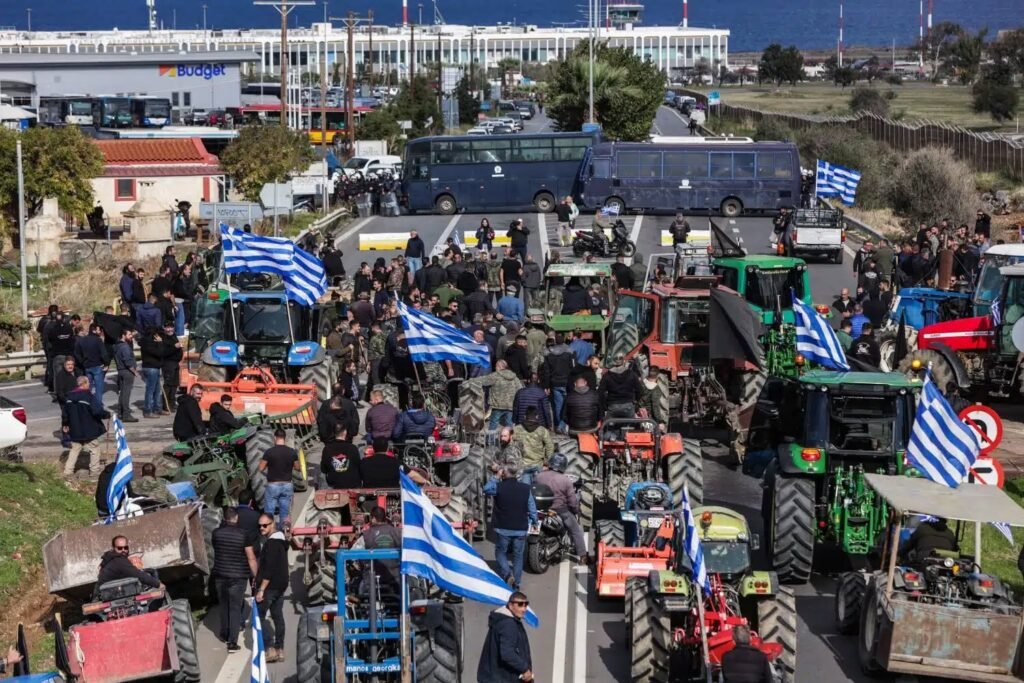
Yet beneath these indicators lies a harsher reality. Wages remain among the lowest in the European Union, poverty and social exclusion affect a substantial share of the population, and labor protections have been systematically weakened. Extended working hours, eroded collective bargaining, and persistent in-work poverty have fueled recurrent strikes across transport and public services.
At the same time, real estate speculation and mass tourism—accelerated by investment schemes and short-term rentals—have driven housing costs beyond the reach of ordinary residents. Major cities and islands increasingly function as assets for investors rather than living spaces for citizens. The benefits of growth accrue disproportionately to banks, construction firms, and large hospitality groups, while social provision continues to erode.
A Model with Continental Consequences
Greece’s experience illustrates a broader European pattern. Governments that deliver market-friendly policies, enforce restrictive migration controls, and align with dominant geopolitical agendas are increasingly shielded from scrutiny, regardless of domestic democratic backsliding. Within the European Parliament, alliances between center-right and far-right forces have normalized practices once considered unacceptable, while corruption scandals have failed to trigger systemic reform.
Once portrayed as a cautionary tale, Greece is now promoted as a model. The same political system previously condemned for mismanagement is rebranded as a success story, its leader praised as a potential figurehead for Europe’s future.
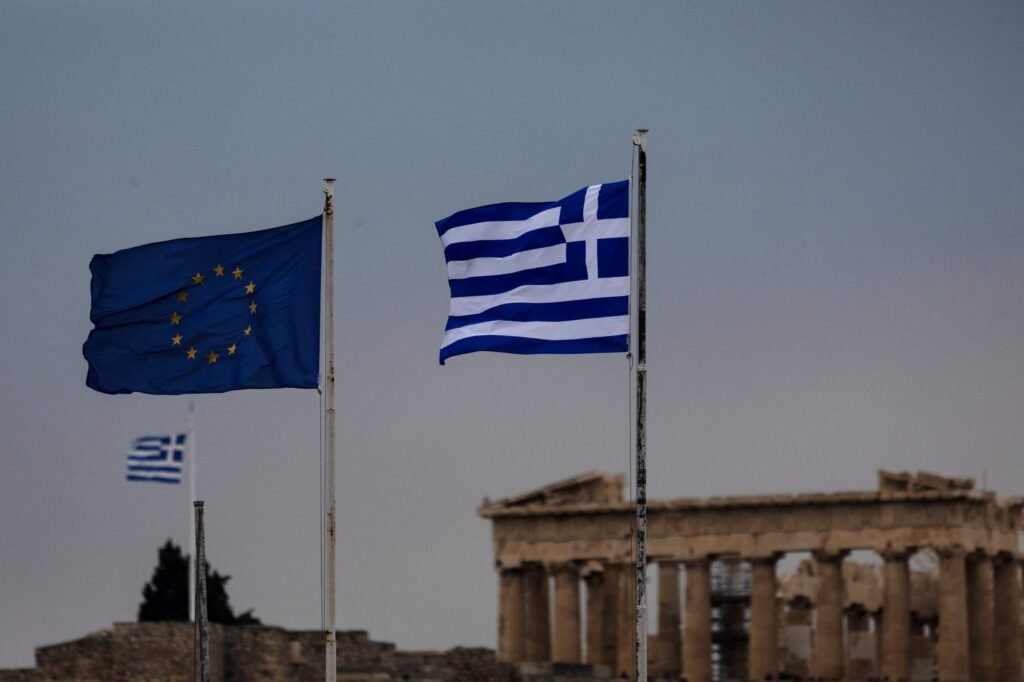
This reversal signals a troubling lesson: democratic erosion is tolerable so long as financial stability is maintained and investor confidence secured.
For Greece, the challenge ahead is not merely electoral but structural. Addressing individual scandals without confronting the machinery that produces them offers no path forward. Yet the fragmentation of the Left and the recycling of discredited political figures suggest that meaningful opposition remains elusive.
Ultimately, Greece’s so-called recovery reveals a deeper contradiction. Beneath the rhetoric of modernization lies a democracy hollowed out by concentration of power, normalized corruption, and social inequality. What is unfolding on Europe’s periphery today may well foreshadow the governing strategies of the continent tomorrow.