

Greenland, Imperial Rivalry, and the Question of Genuine Self-Determination
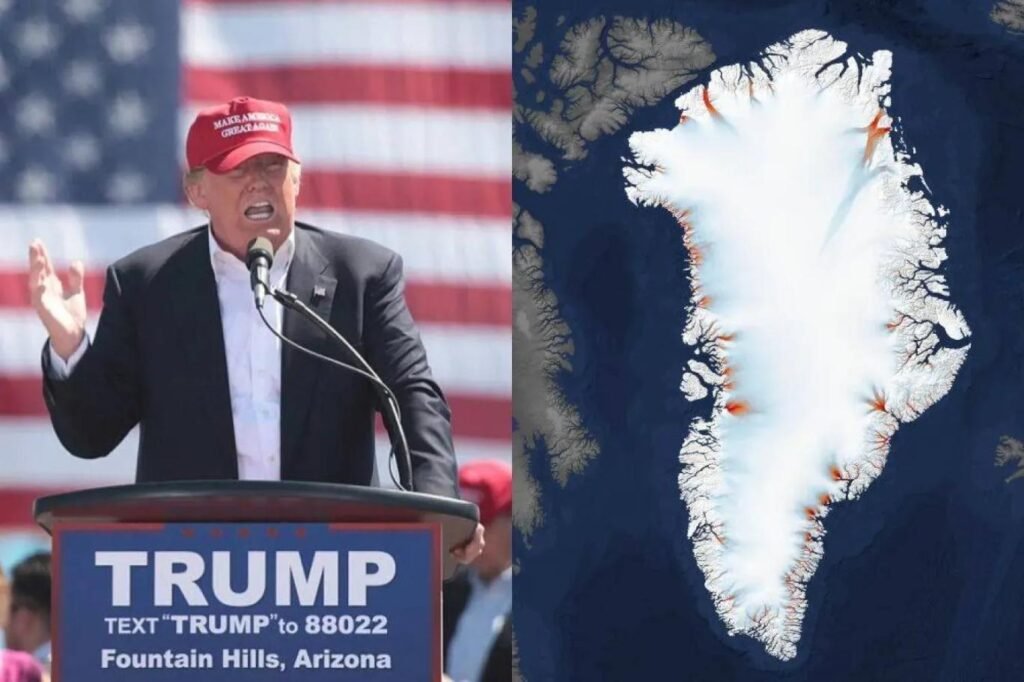
Recent statements by US president Donald Trump regarding Greenland represent not a moment of eccentric diplomacy, but a clear expression of imperial ambition. Presented under the cynical guise of offering “peace” and “independence” to the Greenlandic population, these threats amount to little more than a declaration that the island should be subordinated to American strategic interests. Such rhetoric is not designed to benefit Greenlanders, but to legitimize the expansion of US power in a rapidly militarizing Arctic region.
Trump’s position must be understood as an articulation of broader US imperial priorities rather than a personal fixation. Greenland occupies a critical geopolitical position and contains vast natural resources that are increasingly significant as climate change opens new shipping routes and access to raw materials. For Washington, control over Greenland is viewed as essential to preventing rival powers—above all China, but also Russia—from gaining a foothold in the Arctic. In this context, talk of self-determination is merely a convenient cover for coercion.
A Declining Empire and a Narrowing Focus
The renewed interest in Greenland reflects a deeper transformation in US foreign policy. As American imperialism faces relative decline and can no longer enforce its dominance on a global scale, it has increasingly concentrated on securing strategic control closer to home. The Western Hemisphere and adjacent regions have become central to this effort, as illustrated by recent aggressive actions in Latin America.
The Arctic now joins this list of priority zones. The notion that Greenland can be “purchased” or otherwise absorbed into the US sphere of influence reveals the extent to which its population is treated as an afterthought, reduced to a variable in great-power competition. There is no credible basis for believing that American control would improve living conditions or political rights for Greenlanders. On the contrary, the historical record of US interventions demonstrates that such promises invariably mask exploitation and militarization.

Danish Hypocrisy and Colonial Continuity
The response of Danish political leaders to Trump’s threats has been marked by indignation and appeals to international law, national sovereignty, and the so-called rules-based world order. Yet this sudden concern for legal principles rings hollow. For decades, successive Danish governments have uncritically aligned themselves with US imperial ventures—from Afghanistan and Iraq to Libya, Syria, Ukraine, and beyond—while also supporting Israel’s actions in Gaza. When Washington violated international norms elsewhere, Denmark remained silent or actively complicit.
It is only when Danish interests are directly threatened that moral outrage emerges. Even now, the Danish state is careful not to antagonize the United States in any meaningful way, maintaining military agreements that allow US forces and bases on Danish territory. Far from preparing resistance to American pressure, Copenhagen continues to seek accommodation, hoping to preserve a privileged relationship with Washington.
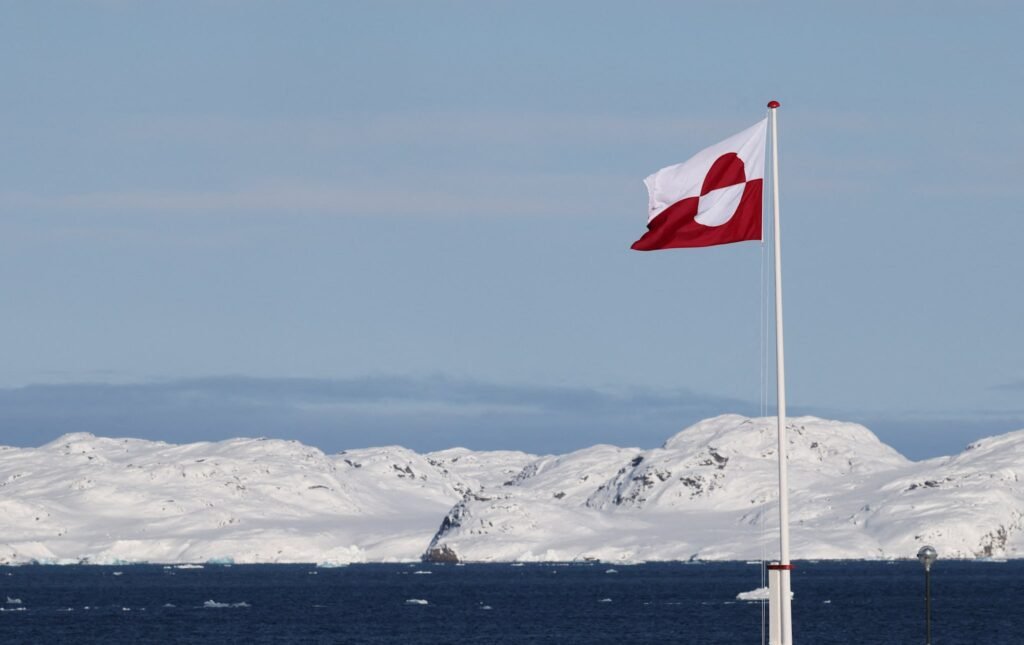
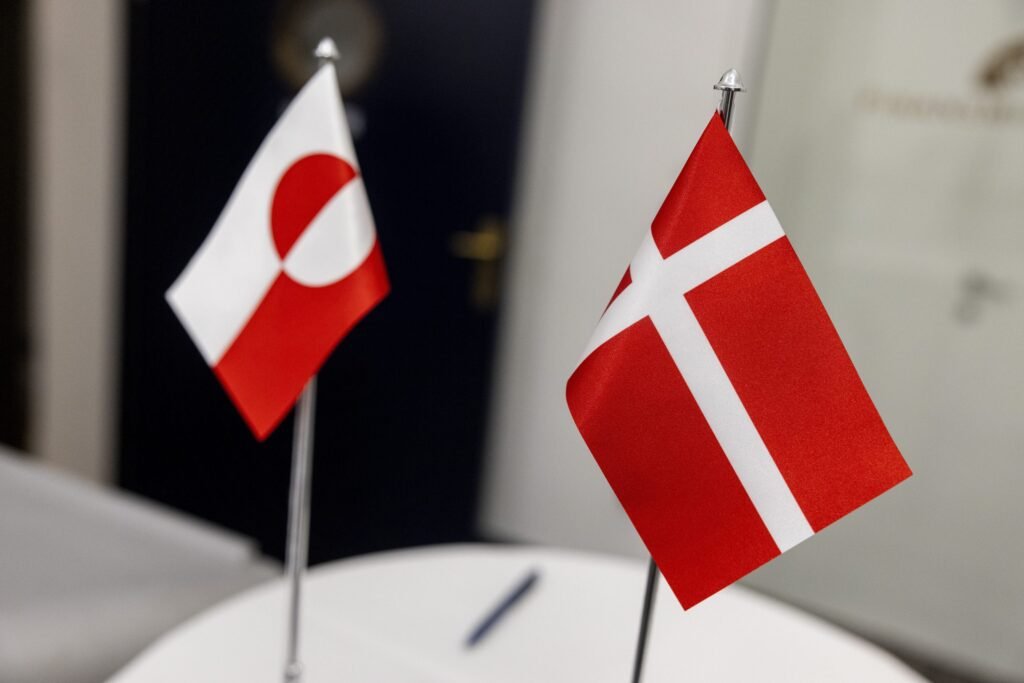
Equally misleading is the Danish government’s claim to be the guarantor of Greenland’s independence. In reality, Greenland remains a colony, shaped by more than three centuries of Danish domination. Economic underdevelopment, social inequality, and political marginalization are direct consequences of this colonial relationship. The sudden attention paid to Greenlandic concerns following Trump’s remarks does not signal a newfound commitment to decolonization, but rather a defensive reaction aimed at preserving Danish authority within the framework of the Danish Realm.
Imperial Interests, Not Democratic Principles
The Danish ruling class defends Greenland not out of solidarity with its people, but because the island plays a crucial role in Denmark’s geopolitical standing. Control over Greenland strengthens Denmark’s value to the United States and helps compensate for its otherwise limited capacity to project power independently. Losing Greenland would weaken Denmark’s position within imperial alliances and reduce its leverage in negotiations with Washington.
This dynamic has placed the Danish elite in a strategic dilemma. It depends heavily on US protection, yet now faces the possibility that the same ally may undermine its colonial grip. Rather than confronting this contradiction honestly, Danish leaders cling to the illusion that loyalty and compliance will restore the old arrangement in which Danish capital could pursue its interests under American sponsorship.
False Alternatives and the Role of the Left
Opposition to US imperialism, however, must not translate into support for Danish or European imperial domination. Some political forces on the Danish left have fallen into precisely this trap, presenting the defense of the Danish Realm as a progressive stance simply because it opposes Washington’s ambitions. This position substitutes one form of imperial control for another and abandons the principle of genuine self-determination.
Neither Danish nor European imperialism offers a viable alternative to US power. All operate within the same global capitalist system that prioritizes profit, strategic advantage, and resource extraction over human needs. The working classes—whether in Greenland, Denmark, or the United States—are the only social forces with a material interest in opposing imperialism in all its forms.
Greenland’s Freedom and the Socialist Question
The struggle over Greenland exposes a fundamental truth: colonial domination and imperial rivalry are not accidents or policy errors, but structural features of capitalism. As long as economic and political power remain concentrated in the hands of competing ruling classes, the fate of territories like Greenland will be decided by strategic calculations rather than democratic choice.
True self-determination for Greenland cannot be achieved through appeals to imperial patrons, nor by aligning with one dominant power against another. It requires a decisive break with the system that treats land, resources, and people as bargaining chips. That means confronting Danish imperialism directly while also rejecting US ambitions.