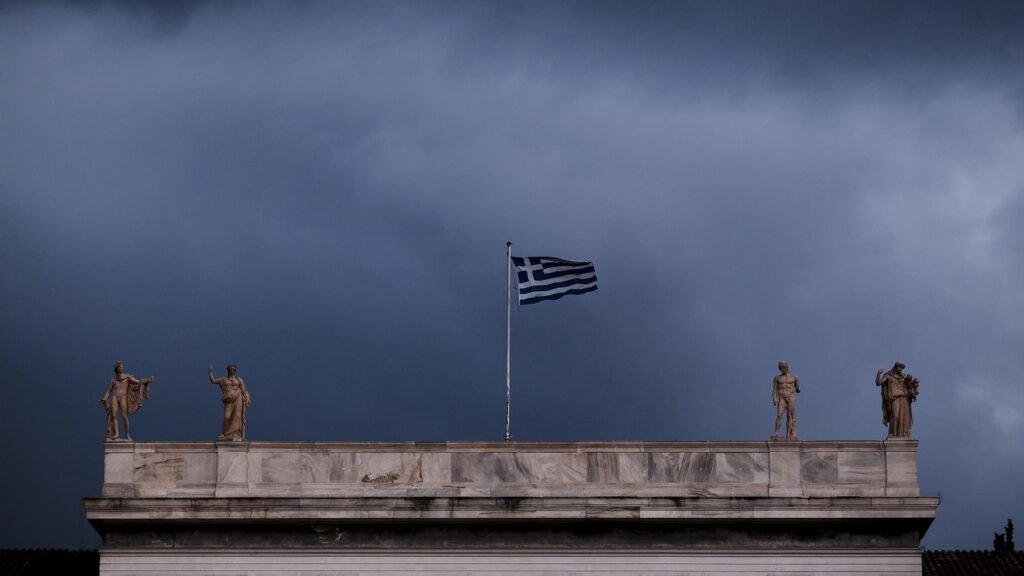

The 2015 Greek sovereign debt crisis stands as a defining moment in modern European political economy, illustrating the profound tensions between national democratic mandates and the institutional architecture of global finance. A rigorous analysis of this period reveals how the structural imbalances of the Eurozone, combined with the strategic limitations of the Greek political leadership, resulted in the continuation of severe austerity measures despite widespread public opposition.
Macroeconomic Origins and the Structural Flaws of the Eurozone
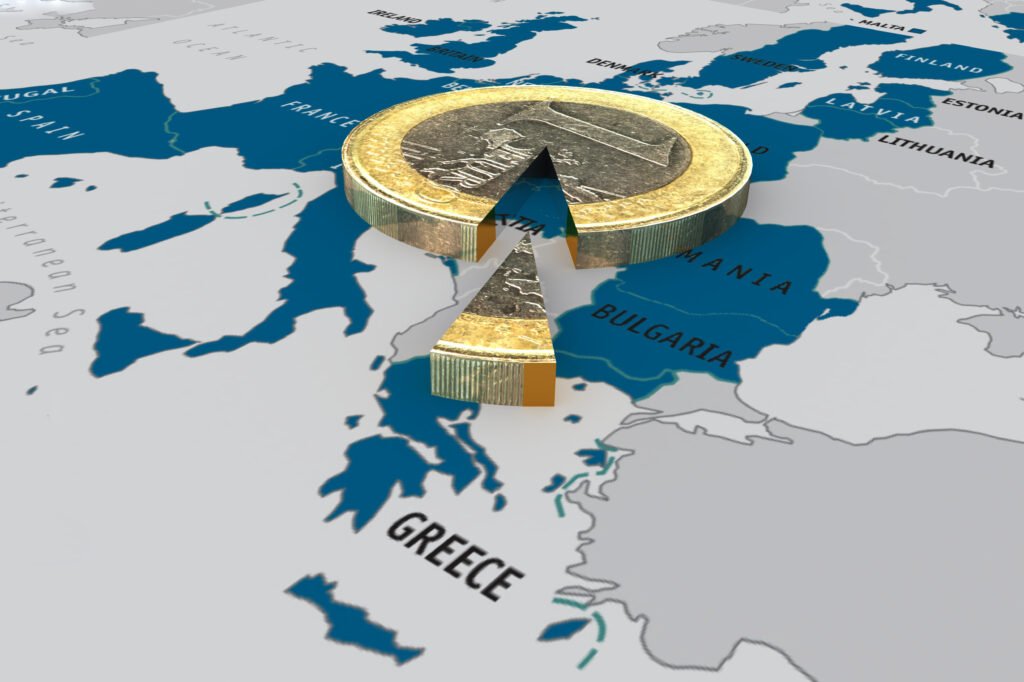
The roots of the Greek crisis lie in the foundational mechanics of the European single currency. The integration of diverse European economies under a single monetary policy disproportionately benefited highly productive core nations, particularly Germany, while eroding the export competitiveness of peripheral states like Greece, Spain, and Portugal. Unable to devalue a national currency to maintain competitiveness, the Greek economy became heavily reliant on cheap credit, leading to a massive expansion of both public and private debt throughout the early 2000s. Between 2001 and 2008, Greek household loans increased by 393 percent, while business loans more than doubled, generating immense profits for both domestic and Northern European banking institutions.
When the global credit markets contracted following the 2008 financial crash, the Greek state was cut off from international financing and faced imminent insolvency. The subsequent bailouts administered by the “Troika”—comprising the European Commission, the European Central Bank (ECB), and the International Monetary Fund (IMF)—were primarily structured to prevent a systemic European banking collapse. By issuing these bailouts, the Troika effectively transferred the liabilities of heavily exposed French and German banks onto the balance sheet of the Greek public sector, mandating strict austerity and rapid privatization in return.
The macroeconomic impact of these structural adjustment programs was devastating. Greece experienced a 27 percent contraction in its Gross Domestic Product, average wages fell by nearly 40 percent, pensions were slashed by 50 percent, and unemployment surged to 27 percent, leading to the virtual collapse of basic social services.

The Collapse of the Political Consensus and the Ascent of Syriza
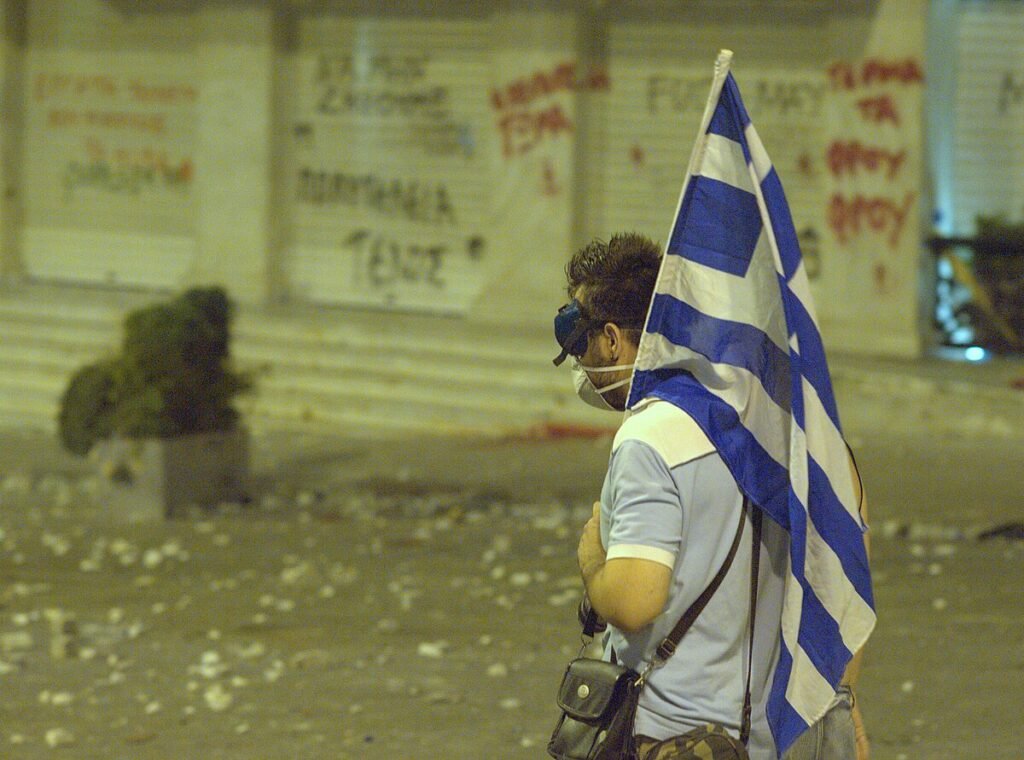
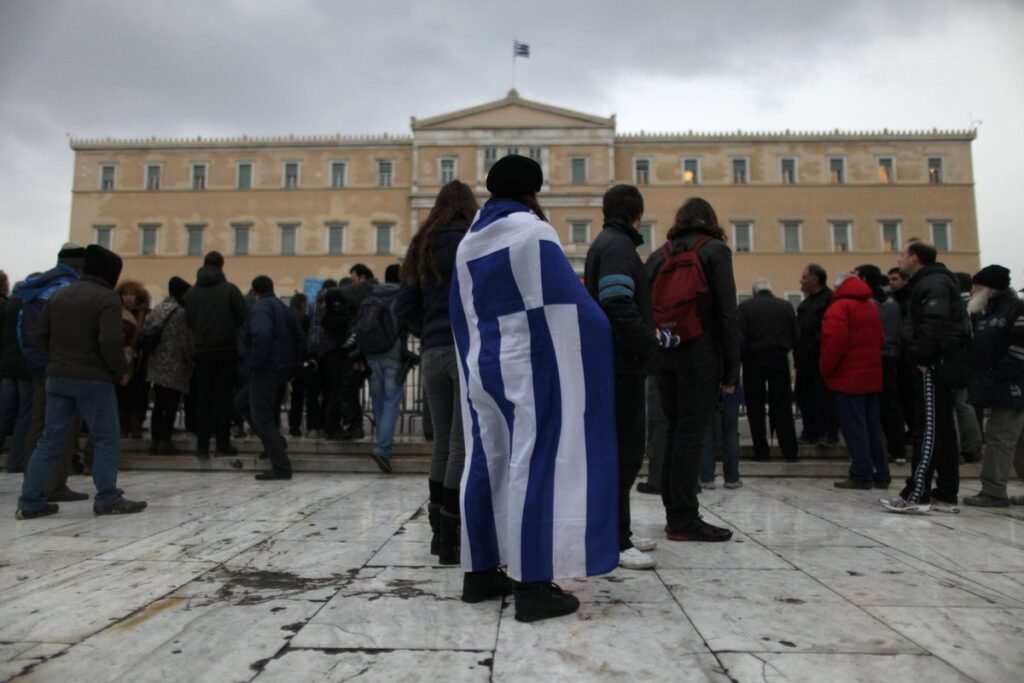
The severity of the economic depression triggered unprecedented social unrest. Between 2010 and 2014, the Greek populace engaged in nearly forty general strikes, localized riots, and massive grassroots mobilizations, most notably the prolonged occupation of Syntagma Square in Athens. This sustained upheaval entirely discredited the traditional political establishment, precipitating the near-collapse of the dominant social-democratic party, PASOK. In this vacuum, the electorate turned to the Coalition of the Radical Left (Syriza). Led by Alexis Tsipras, Syriza campaigned on the “Thessaloniki Programme,” which promised to unilaterally reverse austerity measures, audit the national debt, and halt privatizations. In January 2015, Syriza secured 36.3 percent of the vote, forming a government that explicitly challenged the Troika’s macroeconomic consensus.
Institutional Standoff and Strategic Miscalculations
Upon assuming power, the Syriza administration immediately faced severe institutional friction. The European establishment maintained a united and uncompromising front, driven by the political necessity to deter anti-austerity movements from gaining traction in other vulnerable Eurozone nations, such as Spain.
The Greek negotiation strategy, spearheaded by Finance Minister Yanis Varoufakis, relied heavily on macroeconomic logic and game theory, proposing debt restructuring and investment-led growth. This approach fundamentally underestimated the priorities of the creditor institutions, which valued systemic discipline and debt compliance over regional economic recovery. To enforce compliance, the ECB leveraged its control over liquidity, severely restricting the funds required to keep Greek banks solvent and eventually forcing the Tsipras administration to implement strict capital controls.
The July Referendum and the Political Reversal
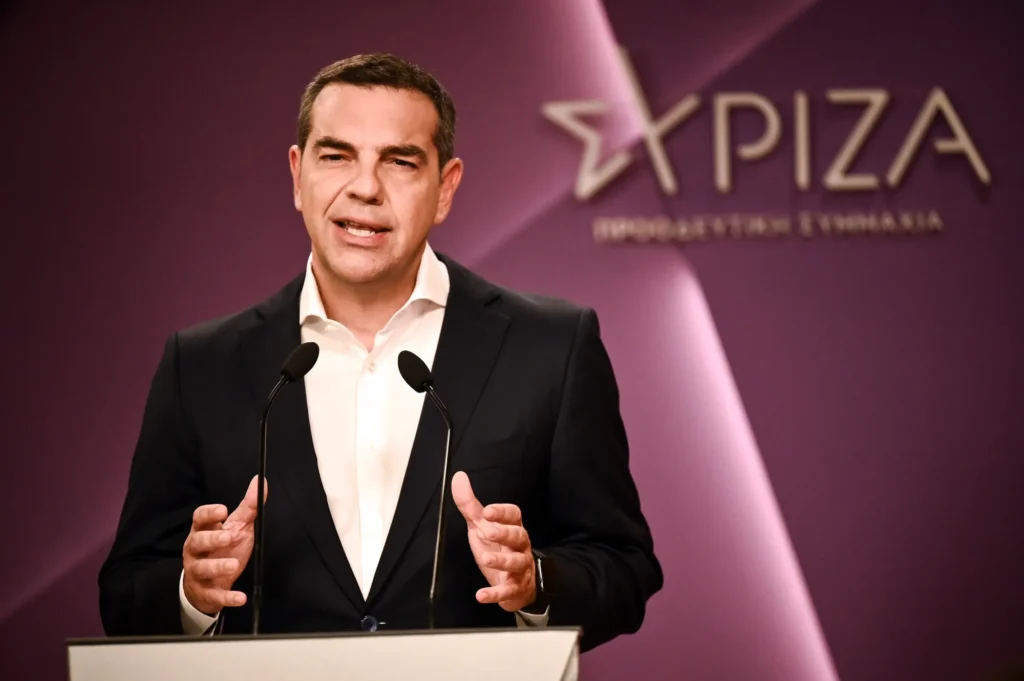
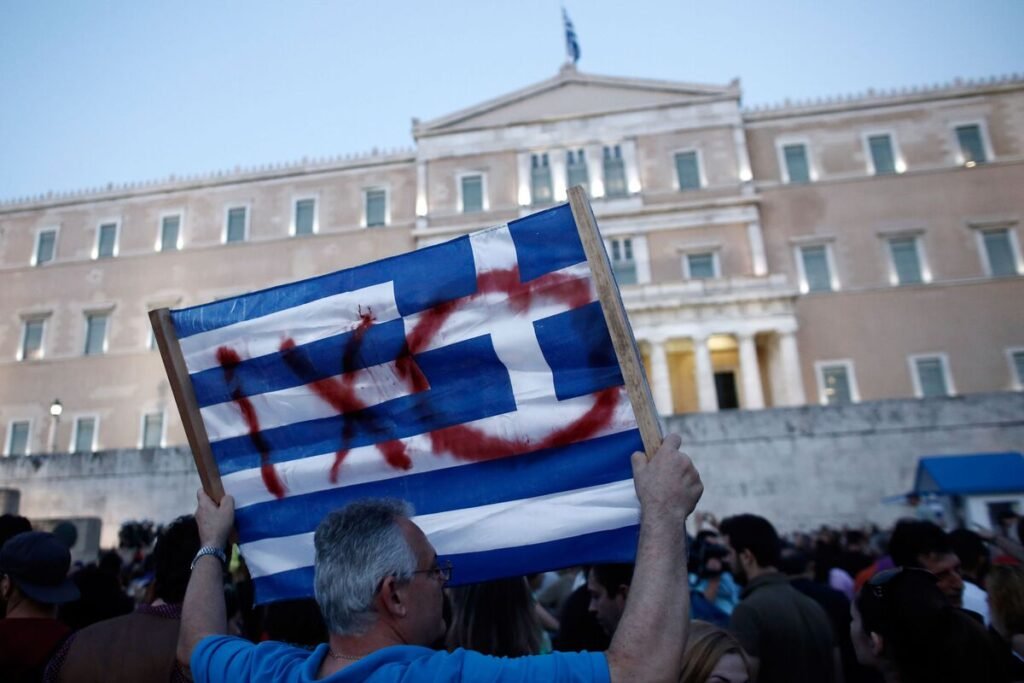
With negotiations deadlocked and liquidity drying up, Tsipras announced a national referendum for July 5, 2015, asking the electorate whether to accept the Troika’s latest austerity demands. Despite intense pressure from European institutions, a unified media campaign by the domestic establishment advocating for a “Yes” vote, and the psychological impact of closed banks, the Greek public delivered a resounding 61.3 percent “No” (Oxi) vote. This result represented a profound, cross-demographic rejection of the austerity framework. However, the Syriza leadership was politically unprepared to execute the mandate of the referendum. Unwilling to initiate a rupture with the Eurozone—which would have required the nationalization of the banking sector, the implementation of a state monopoly on foreign trade, and a transition to a planned economy—Tsipras reversed his position. On July 12, 2015, he signed a third memorandum containing fiscal cuts and structural reforms that were even more severe than those the public had just rejected.
The Fragmentation of the Opposition
The strategic failure of 2015 was compounded by the inability of other left-wing factions to offer a viable alternative. Within Syriza, the “Left Platform,” led by Panagiotis Lafazanis, failed to mount a decisive internal challenge to Tsipras’s leadership. Instead of organizing a robust opposition, the faction initiated a disorganized split from the party, advocating for a return to the national currency (the drachma) without proposing broader systemic changes to the capitalist economy—a platform that failed to resonate with the electorate.
Concurrently, the Communist Party of Greece (KKE) maintained a rigidly sectarian posture. Arguing that the referendum was a superficial conflict between two capitalist agendas, the KKE leadership called for its supporters to cast a spoilt ballot. This decision effectively sidelined the party during the most critical mobilization of the Greek working class, preventing it from capitalizing on the subsequent disillusionment with Syriza.
Aftermath and Legacy
The capitulation of the Syriza government led to widespread demoralization among the electorate. By accepting the role of administering the Troika’s austerity measures, Syriza alienated its core constituency, paving the way for the conservative New Democracy party to return to power in the 2019 elections. Ultimately, the Greek crisis of 2015 demonstrates the inherent limitations of attempting to reform structural economic policies without possessing the political willingness to challenge the foundational institutions of the global capitalist system.