

The escalating military confrontation between the United States, Israel, and Iran has triggered a profound economic and political crisis across Europe. For a continent already grappling with systemic stagnation and deindustrialization, the fallout from this conflict represents an unmitigated disaster. Caught between the diplomatic necessity of appeasing Washington and the desperate need to avoid entering a devastating regional war, European leadership has been pushed into an impossible position, exposing its deep structural weaknesses and internal divisions to the global stage.
Macroeconomic Shocks and the Energy Vulnerability
The most immediate and severe impact on Europe is economic. European nations rely on imports to generate 60 percent of their electricity, rendering the continent highly susceptible to shocks in global energy markets. This vulnerability was already severely exposed by the conflict in Ukraine, which severed access to cheap Russian energy and pushed European consumer prices to an average of $120 per MWh, compared to just $48 per MWh in the United States.
Now, with the vital Strait of Hormuz effectively strangled, the International Energy Agency warns of an unprecedented historic energy crisis. European gas prices have spiked by over 70 percent, and oil has surged past $100 a barrel, arriving at a time when the continent’s energy reserves are alarmingly low.
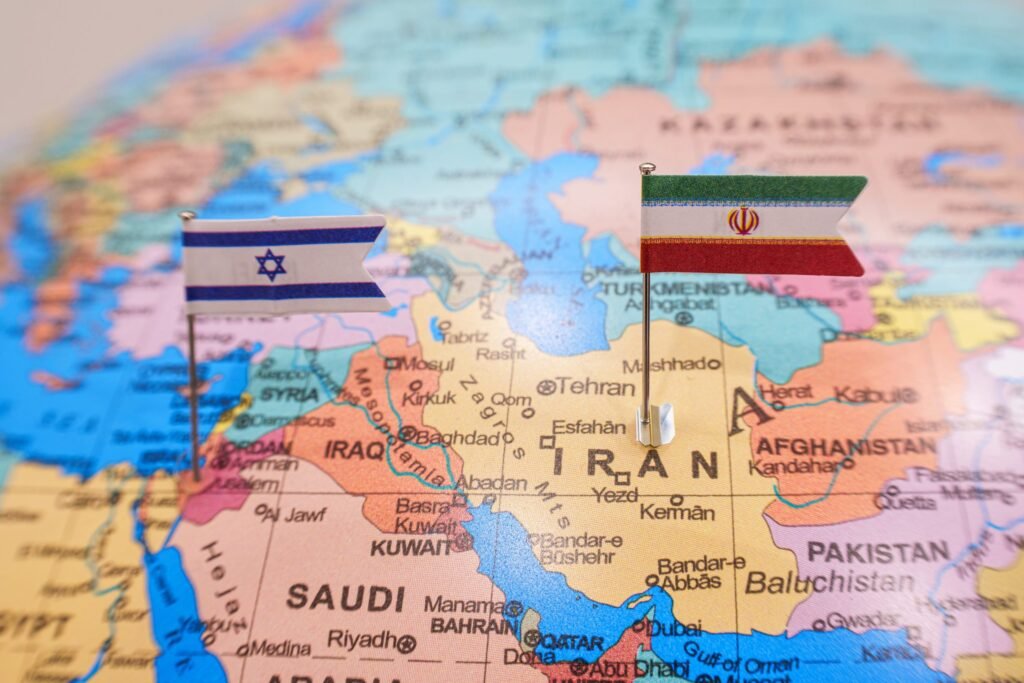
The inflationary shock extends far beyond baseline energy costs; vital industrial derivatives produced in the Gulf, such as urea for agriculture and helium for semiconductor manufacturing, have been entirely cut off. Furthermore, the entry of Houthi forces into the conflict threatens the Bab-el-Mandeb Strait, promising to push maritime transport costs even higher.
This macroeconomic environment is vastly accelerating the deindustrialization of Europe. For instance, one German chemical producer reported that the Ukraine war increased its monthly energy expenditures from €6 million to €10 million—a shock that prompted an 80 percent drop in investment and a sixfold increase in sector-wide factory closures. Under current conditions, that same producer anticipates monthly bills of €17 million, driving executives to consider shutting down domestic facilities in favor of importing from the US or China. Goldman Sachs models indicate that a sustained 10 percent rise in oil prices typically boosts inflation by 0.2 percent and reduces economic growth by 0.1 percent; currently, oil prices have escalated by 60 percent.
Attempts by European governments to implement price caps and subsidies will inevitably plunge them hundreds of billions of euros deeper into debt. The average EU debt-to-GDP ratio already stood at 80 percent before this crisis, with the IMF projecting it to double by 2040. Paradoxically, this economic vacuum has heavily strengthened Russia, which is seeing a boom in its crude oil business as the US temporarily lifts sanctions to stabilize global prices. The pressure is so immense that Belgium’s prime minister has publicly suggested normalizing relations with Russia to secure access to its cheap energy reserves.
Diplomatic Paralysis and the Transatlantic Rift
Diplomatically, the European response has been characterized by fragmentation and capitulation. Initially, institutional leaders like NATO’s Mark Rutte and the EU’s Ursula von der Leyen offered immediate, unilateral support for US operations and a “credible transition” in Iran, bypassing consultation with member states. However, national leaders have been far more hesitant.
In the United Kingdom, where a mere 16 percent of the public supports the war, Prime Minister Keir Starmer initially attempted to deny the US the use of the shared military base in the Chagos Islands. Nevertheless, following direct pressure from the US President, Starmer rapidly reversed his position, allowing British bases to be utilized while rhetorically emphasizing the need for a “lawful basis”.
In contrast, Spanish Prime Minister Pedro Sánchez has maintained a consistent anti-war stance, explicitly closing Spanish airspace to US bombers and criticizing the “blind and servile obedience” of his European counterparts.
In Germany, Chancellor Friedrich Merz sat beside the US President and admitted the war was “obviously” illegal, yet argued that international law should not apply to Iran. Domestically, however, Merz has attempted to reassure his electorate that Germany will avoid direct involvement to prevent massive energy cost hikes and large-scale migration.
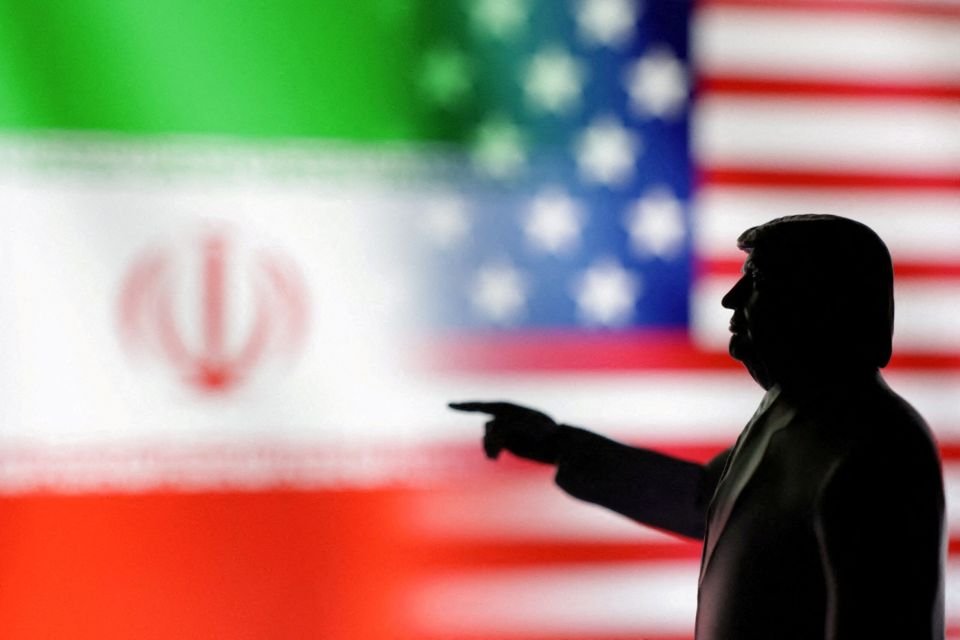
The alliance reached a critical breaking point when the US administration demanded that European navies actively intervene to unblock the Strait of Hormuz—a highly dangerous operation against Iranian drone capabilities.
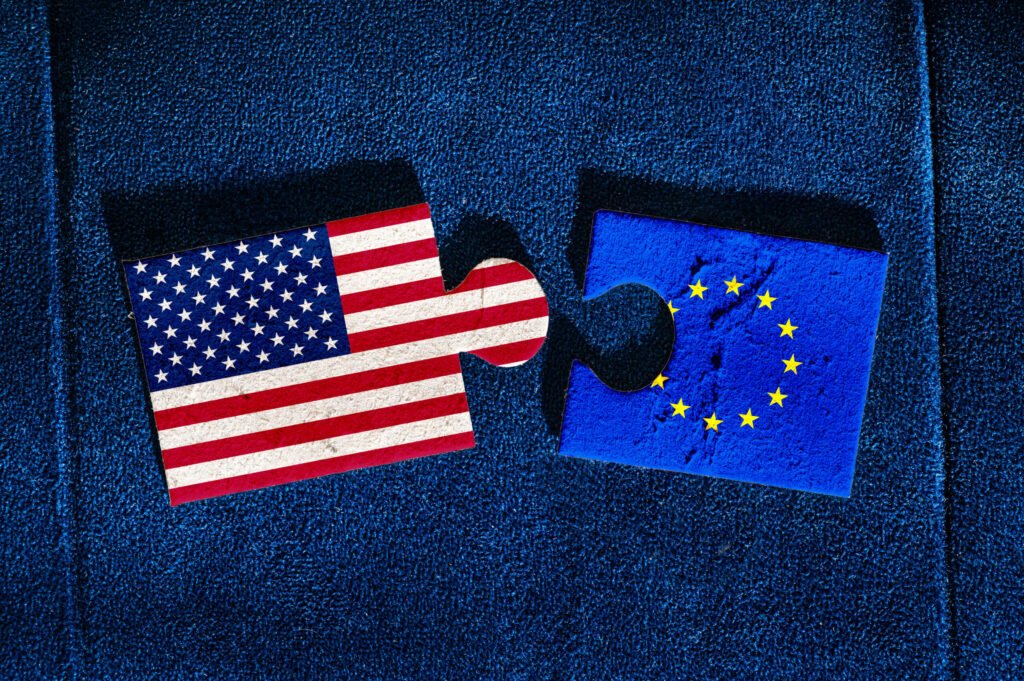
The EU’s unanimous refusal to undertake this mission infuriated Washington, leading to public insults, threats to withdraw the United States from NATO, and the assertion that Europe must learn to defend itself. Following these humiliations, European nations have begun taking concrete steps to limit logistical support: France has blocked Israeli flights from its airspace, Italy has restricted US landings in Sicily, and domestic forces like the AfD are demanding the complete withdrawal of US troops from Germany.
The Illusion of Strategic Autonomy and the Class Struggle
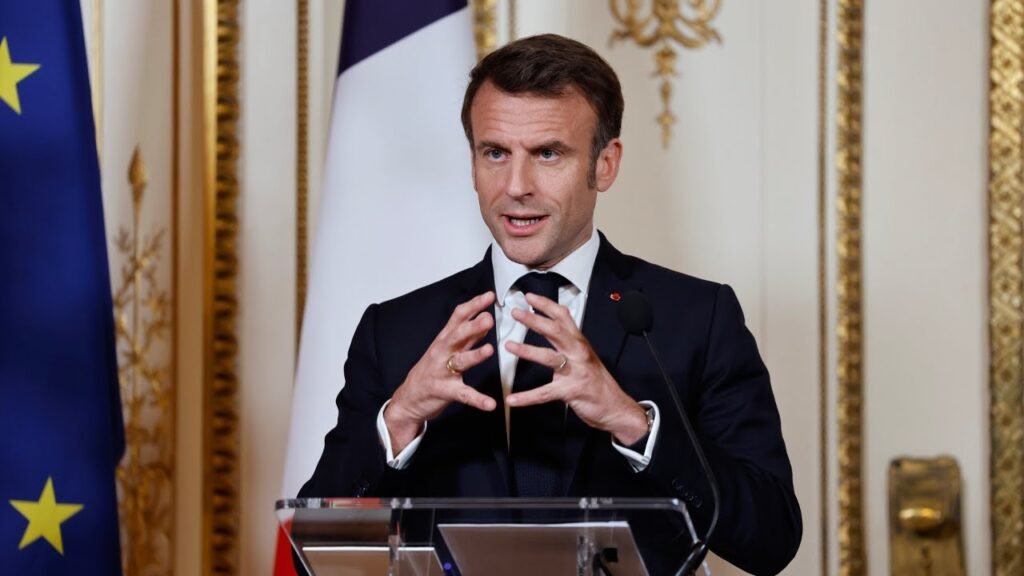
The rapid deterioration of transatlantic relations is forcing Europe to confront a future without guaranteed US military backing, intelligence infrastructure, or nuclear deterrence. In response, figures like French President Emmanuel Macron are heavily promoting “European strategic autonomy,” even offering France’s arsenal of approximately 300 nuclear warheads as a defensive shield for the continent.
However, defense analysts recognize this as a geopolitical fantasy; France lacks the capacity to replace the US security apparatus. Achieving genuine military independence would require Europe to enact massive increases in defense spending to offset the loss of the American military umbrella. Consequently, this would necessitate catastrophic cuts to domestic social spending, fueling further social and political instability across the continent.
Ultimately, the economic and political burden of this imperialist conflict will fall squarely on the European working class. Citizens will be forced to endure severe declines in living standards, widespread job losses, and a brutal cost-of-living crisis driven by inflation and austerity.
As the fabric of European society is tested, these conditions are preparing the ground for an unprecedented era of class struggle, presenting the working masses with the historical task of dismantling the socioeconomic system that has engineered this crisis.