
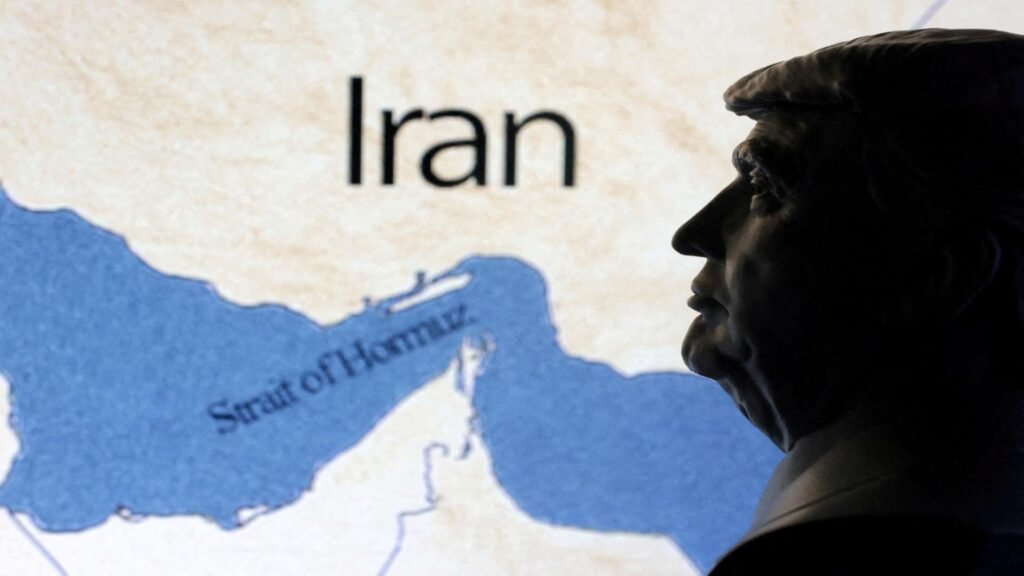
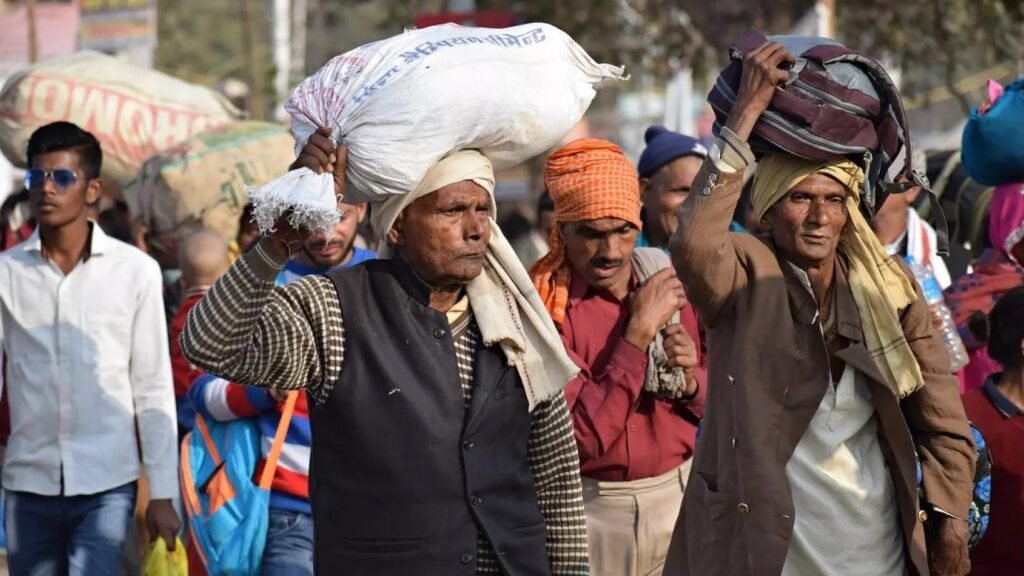
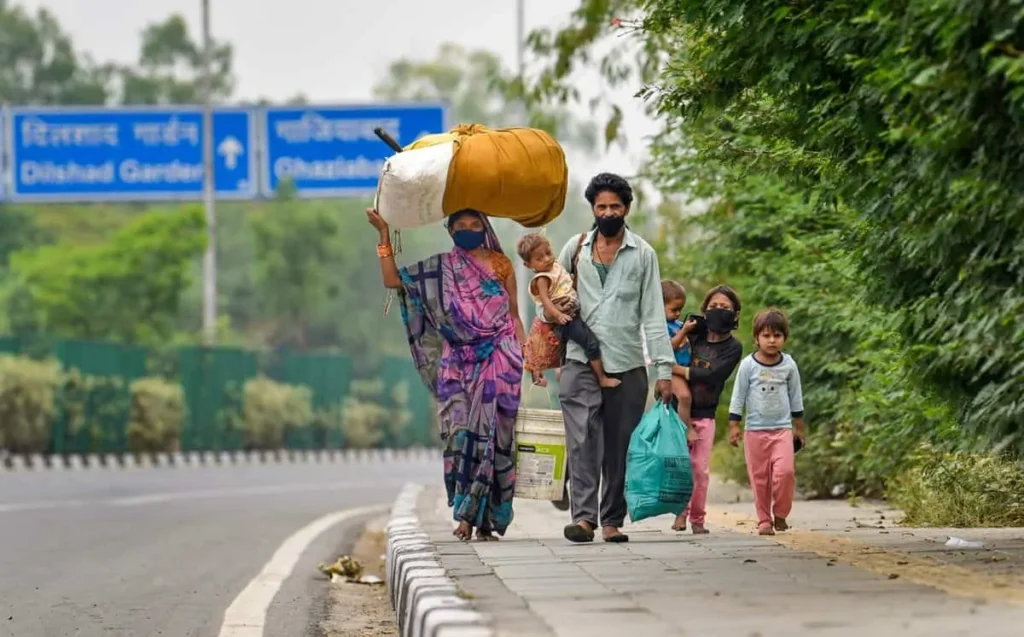
The escalating military conflict between the United States and Iran, coupled with the strategic closure of the Strait of Hormuz, has generated severe macroeconomic shocks worldwide. Within India, the cascading effects of this global crisis have disproportionately impacted the nation’s internal migrant workforce, triggering a desperate exodus from major urban centers back to rural villages. Driven by soaring commodity prices, widespread business closures, and a rapid depletion of fuel reserves, this demographic is once again bearing the heaviest burden of geopolitical instability.
Resource Scarcity and the Illusion of State Support
The immediate catalyst for this reverse migration is a critical shortage of liquefied petroleum gas (LPG) and cooking fuel. In metropolitan hubs like Delhi, the lack of fuel and steep hikes in food prices have forced numerous restaurants and commercial enterprises to shut down operations entirely. For migrant workers living in cramped, high-density urban lodgings, the fuel crisis has made basic domestic cooking nearly impossible, compelling many to return to their home villages where traditional firewood stoves remain a viable alternative.
Despite the severe realities on the ground, Prime Minister Narendra Modi’s Bharatiya Janata Party (BJP) administration has publicly maintained that gas cylinders remain readily accessible. However, structural barriers contradict these official claims; migrant workers in cities like Delhi are frequently denied access to domestic gas consumer cards, which are required to book cylinders online. This administrative exclusion highlights how national resource crises disproportionately impact marginalized, transient populations.
Historical Resonance: Parallels to the 2020 Lockdown
The current scenes of mass migration—characterized by abruptly shuttered businesses and workers traveling vast distances—bear a striking resemblance to the national trauma of the March 2020 COVID-19 lockdown. Six years ago, the sudden cessation of national transport networks and the closure of industrial workplaces left millions of migrant workers with no choice but to undertake perilous journeys of thousands of kilometers on foot.
This historic plight was powerfully captured in director Neeraj Ghaywan’s 2025 film, Homebound, which earned an Oscar shortlist nomination just weeks before the current fuel crisis began echoing its central narrative. The film follows Shoaib and Chandan, two childhood friends from a rural North Indian village, who are forced to walk 400 kilometers home in scorching heat after being abandoned by a truck driver fearful of viral infection. While the 2020 exodus was driven by a public health emergency, the 2026 crisis is fundamentally an economic one centered on food and resource survival. In both instances, however, migrant workers are forced to pay the ultimate price for global catastrophes and systemic neglect.
Systemic Discrimination: The Intersection of Caste, Religion, and Class
Homebound serves as a poignant reflection of the deep-seated socioeconomic fissures within modern India, exploring how class intersects with caste and religious discrimination under the current ethnonationalist government. The film’s protagonists represent these marginalized intersections: Shoaib is a Muslim grappling with intense Islamophobia, while Chandan is a Dalit whose mother faces severe caste discrimination working as a school cook.
The narrative meticulously illustrates how institutional prejudice actively forces these young men into precarious, low-wage factory labor. Despite pursuing state employment through police entrance exams, they are repeatedly thwarted. Chandan’s storyline highlights the complex realities of India’s reservation system; while state jobs hold reserved quotas for Dalit and lower-caste applicants to mitigate historical disenfranchisement, Chandan refuses to apply under this category, acutely aware that declaring his Dalit identity will invite further workplace abuse.
Similarly, Shoaib is driven to resign from a respectable sales position due to relentless Islamophobic harassment from his peers and superiors. The film reflects a chilling real-world environment where Muslim workers frequently endure insinuations that they are illegal immigrants from Pakistan or Bangladesh.
Institutionalizing Exclusion
These societal prejudices have increasingly been codified into state policy. In December 2025, several Indian states implemented the Special Intensive Revision (SIR) process, an electoral eligibility exercise that effectively operates to disenfranchise Indian Muslims by categorizing them as illegal immigrants. This policy follows the unlawful deportation of hundreds of Bengali Muslims to Bangladesh in the summer of 2025, building upon the exclusionary framework established by the highly controversial 2019 Citizenship Amendment Act (CAA).
The Breaking Point and Labor Resistance
The convergence of global imperialist policies and domestic exclusionary politics has left India’s migrant workforce profoundly vulnerable. On April 19, this reality materialized vividly in Surat, Gujarat—the very city depicted as Shoaib and Chandan’s workplace in Homebound—where thousands of workers gathered at the Udhna railway station, desperate to board trains back to Bihar and Uttar Pradesh. As fuel reserves continue to dwindle, the threat of overcrowded transport and halted supply chains makes the prospect of massive, grueling journeys on foot highly likely once again.
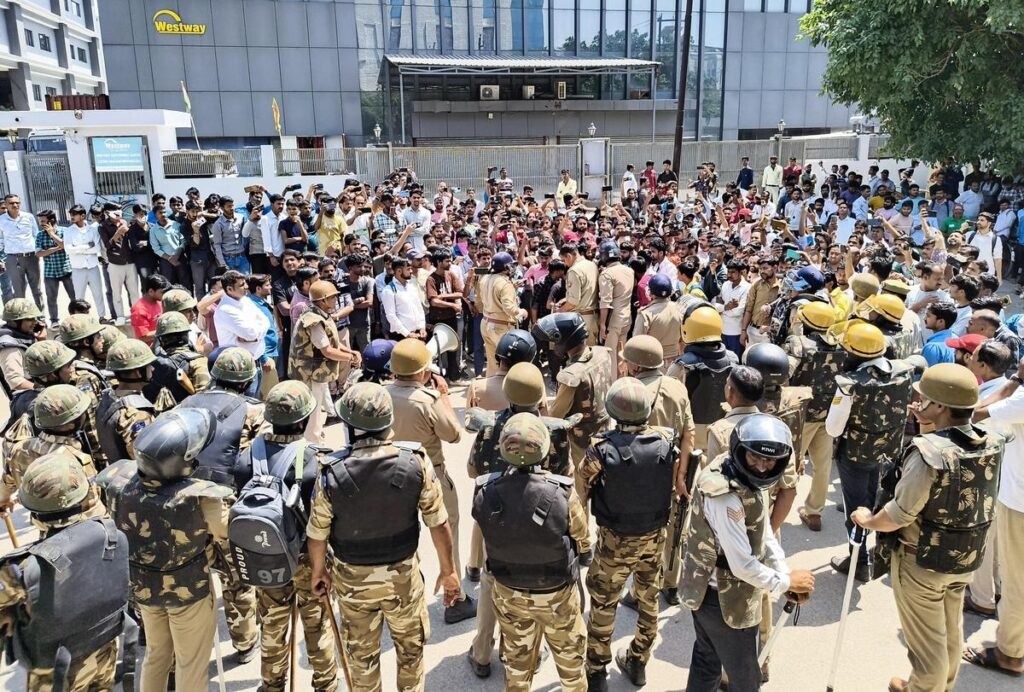
However, this systemic marginalization is increasingly being met with organized resistance. Throughout April, widespread protests erupted across Northern India, with thousands of factory and migrant workers blockading roads in cities like Noida to demand improved wages and labor conditions. The ongoing crisis demonstrates that the plight of India’s migrant workforce is not merely an unavoidable tragedy of a volatile global market, but the direct result of systemic socio-political choices. Consequently, fostering solidarity with these workers and supporting grassroots advocacy groups like the Migrant Solidarity Network is essential to challenging the structural inequalities driving this ongoing humanitarian crisis.