
Following the highly contested 2025 elections—in which the initial victory of anti-EU candidate Călin Georgescu was annulled over allegations of foreign interference—European officials widely celebrated the subsequent election of pro-EU candidate Nicușor Dan as a stabilizing victory for Western alignment. However, merely ten months later, this narrative of stability has shattered as the Romanian government collapses under the severe weight of economic austerity and rapid remilitarization mandated by Brussels.

The Weight of Fiscal Consolidation
Romania’s previous era of economic expansion was heavily reliant on credit and European Union funding, which currently accounts for over 18 percent of the nation’s gross domestic product. Today, the country faces a profound fiscal crisis, running an annual budget deficit of 9.3 percent, a figure that is three times the EU’s acceptable threshold.
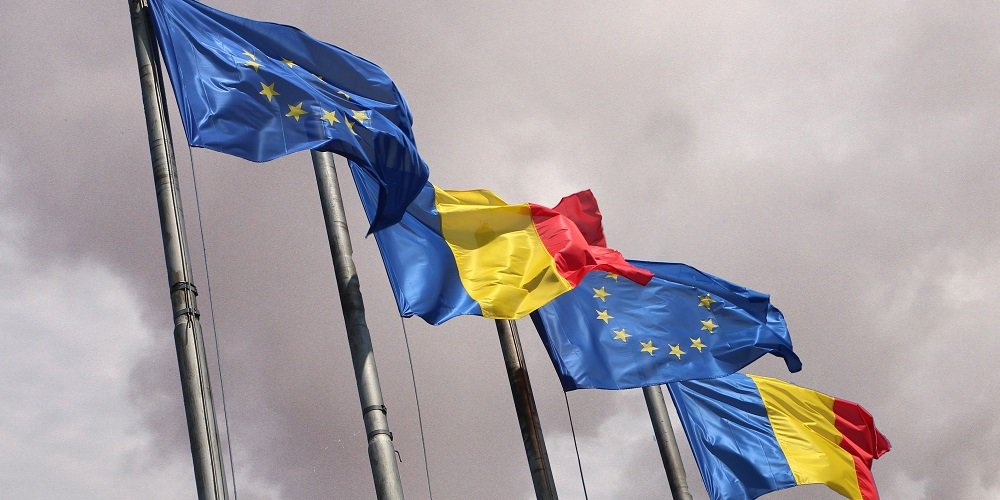
International creditor agencies have warned of an imminent downgrade of Romania’s credit rating to “junk” status, while the nation currently grapples with the highest government borrowing costs in Europe. To force compliance and reassure financial markets, the European Union is threatening to withhold €10 billion in vital development funds—equivalent to 6 percent of Romania’s GDP—unless the government implements €11 billion in immediate spending cuts.
The Domestic Cost of Remilitarization
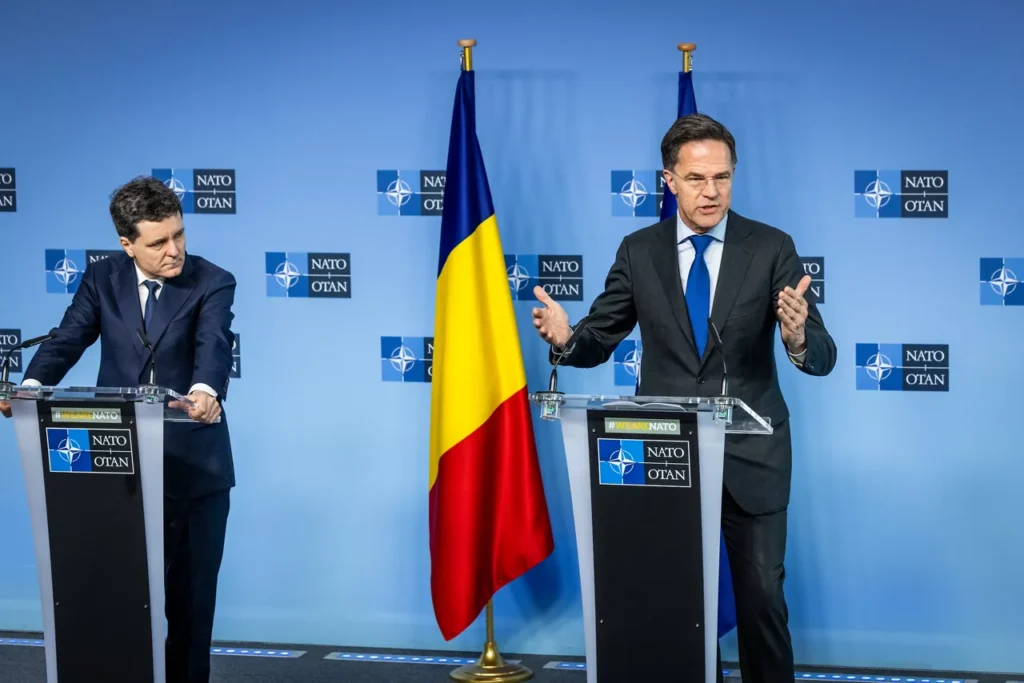
Simultaneously, Romania is under immense pressure to rapidly expand its military capabilities as a frontline NATO state. Following the initial stages of a US strategic drawdown, which included the withdrawal of 1,000 American troops from the country, President Dan pledged to increase national defense spending to 3 percent of GDP.
While the EU has permitted Romania to exempt defense spending up to 1.5 percent of GDP from its deficit calculations, the remaining financial burden has required draconian domestic cuts, compounded by a €13 billion SAFE loan allocated for military hardware and aid to Ukraine.
To fund these military commitments and satisfy international creditors, Prime Minister Bolojan’s administration enacted severe austerity policies. Public sector wages and pensions were frozen, the Value Added Tax (VAT) was increased by 20 percent, and vital household electricity caps were abolished amidst a historic energy crisis. In stark contrast, taxes for corporations earning over €50 million were halved. Consequently, inflation has surged to 10 percent, the highest rate on the continent, significantly degrading the living standards of the general public.
Institutional Fracture and the Populist Surge
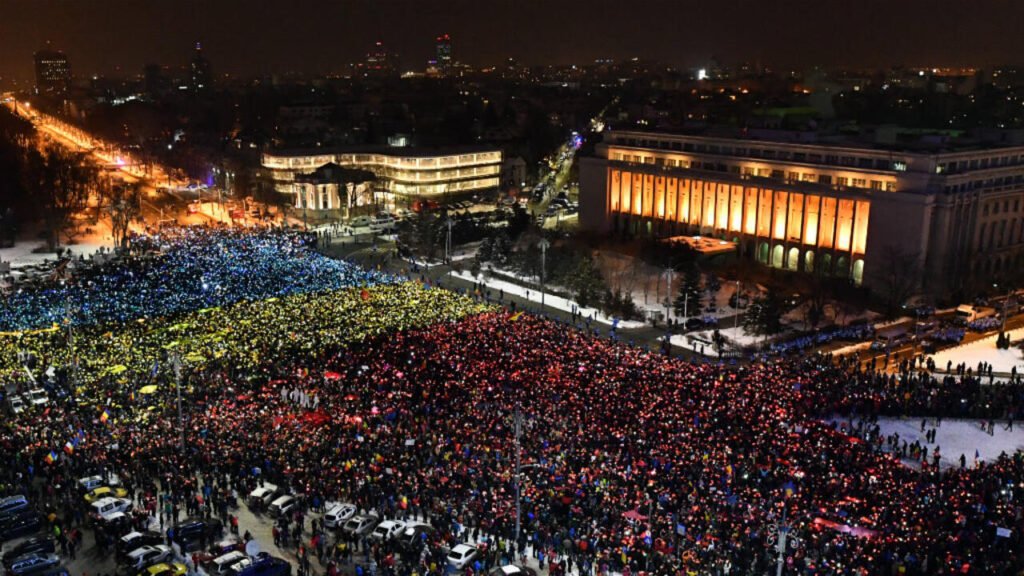
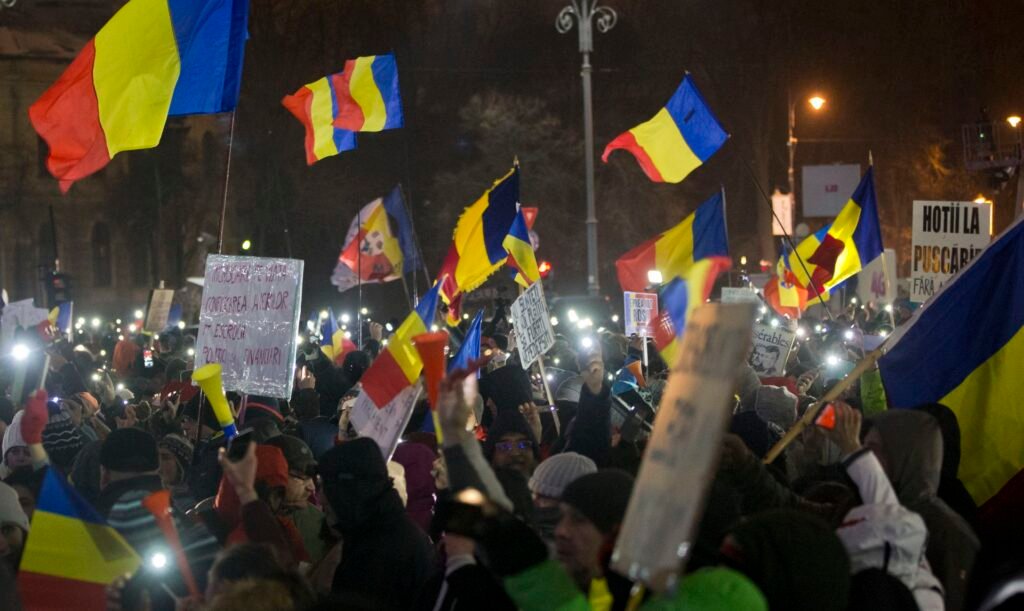
This severe fiscal consolidation provoked widespread social unrest. In September, teachers launched boycotts and protests facing larger class sizes and school closures, while 1,300 mayoral offices initiated a warning strike in February over plans to eliminate a fifth of civil service positions.
Furthermore, major trade unions in the healthcare and education sectors have threatened a general strike if further cuts are implemented.
The public pressure ultimately fractured the governing coalition. The Social Democratic Party (PSD) withdrew its support and backed a no-confidence motion initiated by the right-wing populist Alliance for the Union of Romanians (AUR), successfully ousting Prime Minister Bolojan. While the PSD’s maneuver was largely motivated by a desire to protect its own patronage networks within state industries rather than genuine ideological opposition to austerity, the political damage to the pro-EU coalition is profound.
President Dan has ruled out snap elections, yet public dissatisfaction is overwhelming, with 56 percent of the electorate favoring an early vote and 70 percent expressing dissatisfaction with the president. The primary beneficiary of this institutional crisis is the AUR, whose popularity has doubled as it capitalizes on public anger over the severe economic conditions and the perceived democratic overreach of EU directives.
However, despite its nationalist rhetoric, the AUR lacks a viable alternative economic strategy. An actual departure from the European Union would instantly eradicate a fifth of Romania’s GDP, meaning that even a populist government would be structurally compelled to enforce similar budget reductions to avoid economic collapse and appease foreign investors.
Broader European Implications
Ultimately, the crisis in Bucharest is not an isolated incident but an advanced symptom of a broader European dilemma. Across the continent, governments are attempting to balance the immense costs of geopolitical remilitarization and strict fiscal consolidation against the breaking point of public tolerance. The strict enforcement of these economic policies is actively fueling the rise of right-wing populism and generating deep political instability, highlighting a severe contradiction between the demands of the financial markets and the socioeconomic stability of European member states.