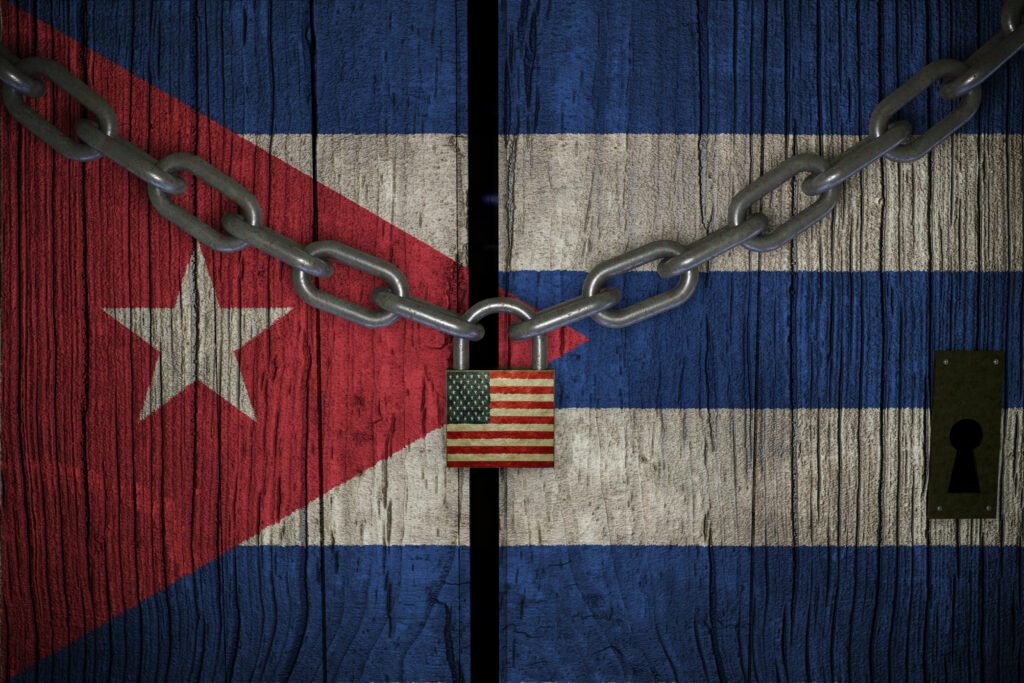

For over six decades, the economic embargo has served as the primary mechanism of U.S. policy toward Cuba. In 2026, this long-standing framework underwent a qualitative shift, transitioning from targeted diplomatic and trade restrictions into a highly synchronized strategy of maximum economic pressure. By leveraging secondary sanctions and targeted energy restrictions, Washington has significantly restricted Cuba’s access to international fuel markets and the global financial architecture. This article examines the regulatory mechanisms driving the current crisis, the severe socioeconomic challenges facing the island, and Cuba’s enduring geostrategic importance within the Caribbean and the wider Western Hemisphere.
The Regulatory Framework: Executive Orders 14380 and 14404
To prevent the Cuban government from securing alternative regional energy lifelines, Washington implemented aggressive secondary compliance mechanisms:
- Executive Order 14380: Enacted in early 2026, this directive authorized the imposition of secondary tariffs against foreign states or maritime entities engaged in the transport of petroleum products to Cuba. The regulatory risk immediately influenced regional dynamics; facing potential U.S. trade penalties, major regional suppliers—including Mexico—suspended state-directed fuel shipments to the island.
- Executive Order 14404: Issued on May 1, 2026, this measure expanded the legal scope of the embargo by introducing sweeping secondary blocking sanctions. The order targets non-U.S. individuals, multinational corporations, and foreign financial institutions operating within Cuba’s core economic sectors, including energy, mining, and financial services.
The practical consequence of these directives has been the rapid decoupling of international financial intermediaries from the island. Fear of losing access to U.S. dollar clearing systems prompted a vital third-party foreign clearing bank to terminate its processing operations, leading the Central Bank of Cuba to announce a total suspension of major international credit card transactions.
Domestic Socioeconomic Challenges and Infrastructure Pressures
The practical consequence of these directives has been the rapid decoupling of international financial intermediaries from the island. Fear of losing access to U.S. dollar clearing systems prompted a vital third-party foreign clearing bank to terminate its processing operations, leading the Central Bank of Cuba to announce a total suspension of major international credit card transactions.
Domestic Socioeconomic Challenges and Infrastructure Pressures
The convergence of these economic restrictions has precipitated a profound structural crisis on the island, primarily impacting infrastructure, public health, and basic resource availability.
Power Grid Instability
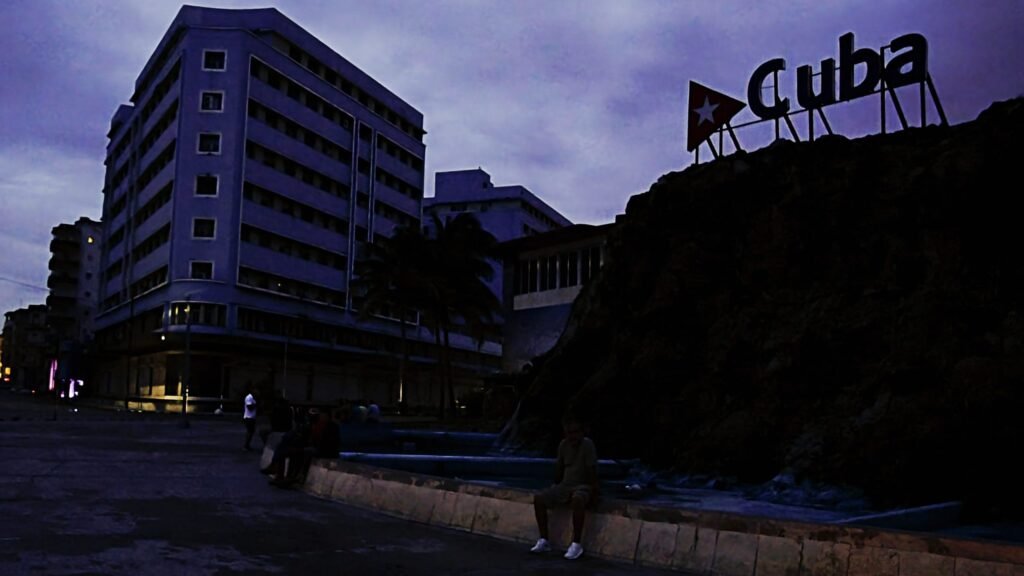
Deprived of steady fuel imports to feed its aging thermoelectric infrastructure, Cuba’s national electrical grid has suffered multiple systemic failures. In major urban centers, residents frequently endure rolling blackouts lasting between 18 and 22 hours per day. By mid-May 2026, domestic fuel reserves were effectively depleted, severely paralyzing internal transport networks.
The prolonged energy deficits have severely compromised public sanitation and healthcare delivery. Industrial water pumping systems have failed in multiple municipalities, disrupting the supply of clean drinking water to nearly one million citizens. International humanitarian monitors have noted a corresponding strain on hospital operations, contributing to a marked increase in infant and childhood mortality rates due to supply and power shortages.
In response to the deteriorating conditions, the United Nations launched a $94.1 million emergency appeal to address immediate nutritional and medical needs. However, the comprehensive nature of the financial embargo continues to complicate the logistics of delivering and distributing humanitarian aid.
Geostrategic Importance in the Caribbean and Latin America
Despite its current economic vulnerabilities, Cuba retains immense geostrategic significance within international relations and regional security frameworks.
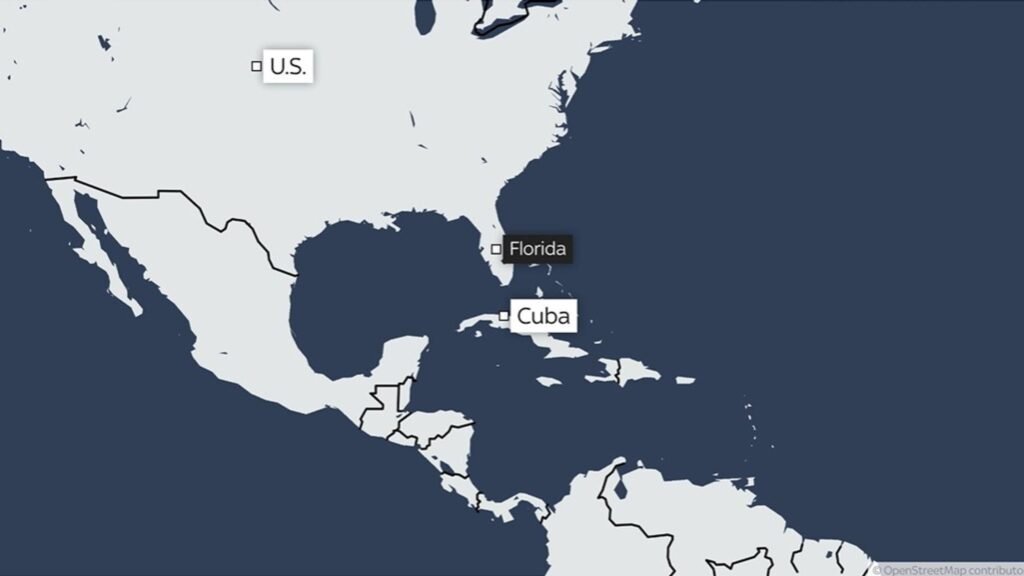
Geographically situated at the intersection of the Gulf of Mexico, the Atlantic Ocean, and the Caribbean Sea, Cuba commands a pivotal position along major maritime trade routes. Its proximity to the Florida Straits makes it a critical maritime chokepoint, directly influencing the security and flow of commercial shipping lanes in the Caribbean basin.
Within the broader theater of Western Hemisphere diplomacy, Cuba has historically functioned as a powerful symbol of sovereign independence from U.S. geopolitical preferences. Consequently, Washington’s current “maximum pressure” campaign against Havana serves a dual purpose: it aims to induce domestic political transition while sending a clear deterrent signal to other nations in Latin America and the Caribbean.
By demonstrating the capacity to leverage the global financial architecture to enforce economic isolation, U.S. policy reaffirms its intent to maintain traditional spheres of influence throughout the Americas. For regional observers, the current impasse reinforces the reality that compliance with international financial systems remains closely tied to the shifting strategic priorities of the hemisphere’s dominant economic powers.
Future Outlook
The current configuration of U.S. policy toward Cuba represents one of the most stringent iterations of economic containment seen in recent decades. While the strategy has successfully engineered severe fiscal and energy constraints on the island, its long-term diplomatic efficacy remains uncertain. The extensive use of secondary sanctions has introduced legal friction with traditional U.S. allies in Europe and Latin America, who object to the extraterritorial enforcement of domestic U.S. law. As Cuba navigates this period of acute instability, its future will depend on its capacity to establish alternative economic partnerships in an increasingly fragmented, multipolar global economy.