
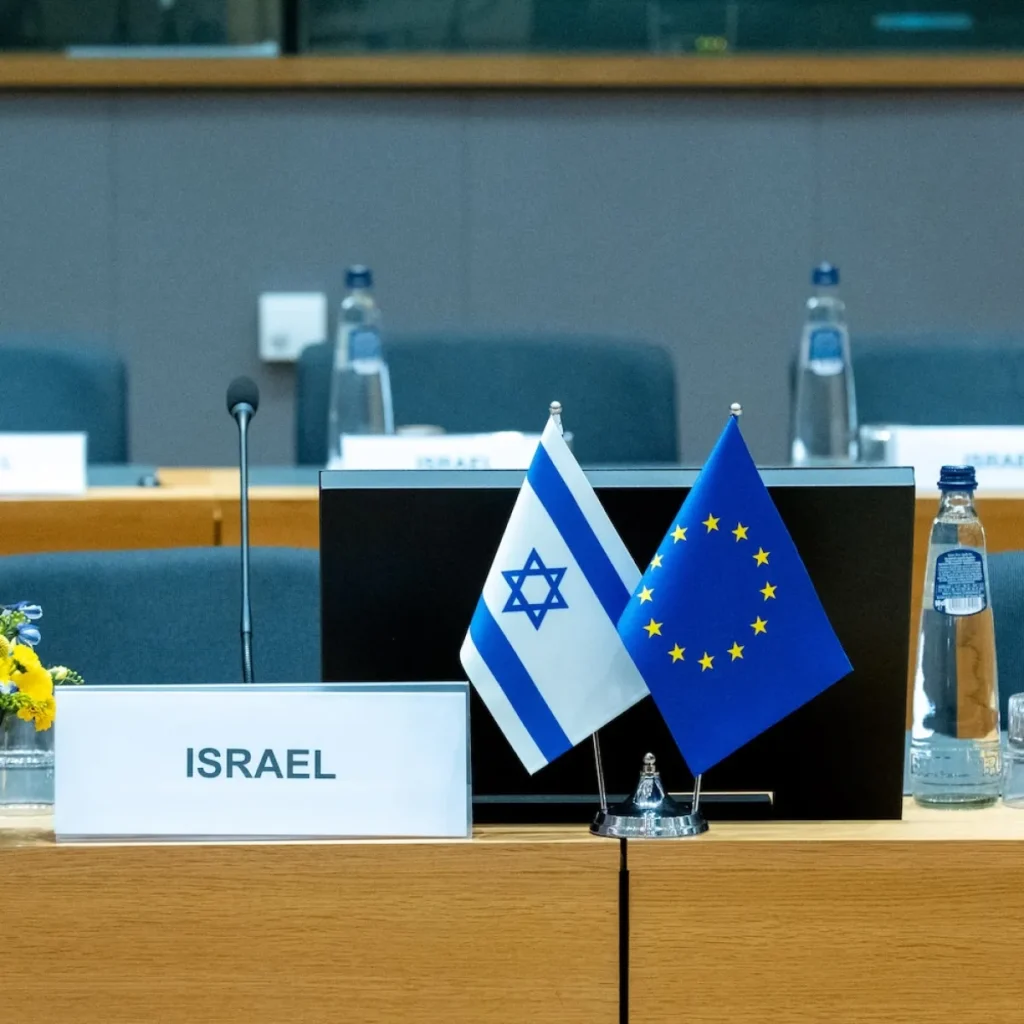
The diplomatic and strategic relationship between Israel and various European nations is characterized by a complex duality of profound cooperation and persistent political friction. Historical and contemporary ties across the continent encompass robust economic investments, energy partnerships, cultural exchanges, and deep security collaboration. Nevertheless, fundamental disagreements regarding Israel’s policies toward the Palestinian territories, most notably the continuous expansion of settlements within the West Bank, have severely strained bilateral relations with prominent European states, including the United Kingdom, France, Italy, Spain, Norway, and the Netherlands. This diplomatic friction was significantly exacerbated following the October 7, 2023, attacks orchestrated by Hamas and the subsequent Israeli military operations in the Gaza Strip, which precipitated a severe humanitarian crisis. Consequently, the overarching relationship has assumed a highly transactional and uneven character. Rather than initiating comprehensive politico-diplomatic efforts to mend these fractured ties, the Israeli government appears to be executing a pragmatic recalibration, focusing on safeguarding established security channels while actively deepening strategic partnerships with more accommodating states in Central and Eastern Europe. Without substantive policy shifts regarding the Palestinian conflict, the broader diplomatic atmosphere between Israel and Western Europe is projected to remain decidedly frigid.
Defense Exports as an Instrument of Statecraft
Despite the deterioration of political engagement in certain Western European capitals, Israel has successfully insulated and even expanded its military cooperation across the continent, primarily driven by a surge in defense exports. This upward trajectory continues even as some nations have implemented restrictive measures against Israeli defense contractors. Notably, Spain in 2025 and Italy in 2026 opted to cancel or withhold the renewal of specific arms contracts, while France formally prohibited Israeli defense firms from exhibiting at the Eurosatory defense and security exhibition in June 2026. However, Israel maintains formidable access to the broader European defense market, utilizing arms transfers as a primary instrument of modern statecraft. In 2025, Israel recorded its fifth consecutive year of record-breaking arms sales, generating US$19.2 billion in revenue. European nations accounted for approximately 36 percent of these exports, outpacing the Asia-Pacific region, which accounted for roughly 32 percent. The customer base spans the continent, with notable recipients of Israeli military hardware including Germany, Romania, Serbia, Estonia, Slovakia, and the Czech Republic.
The Strategic Drivers of European Procurement
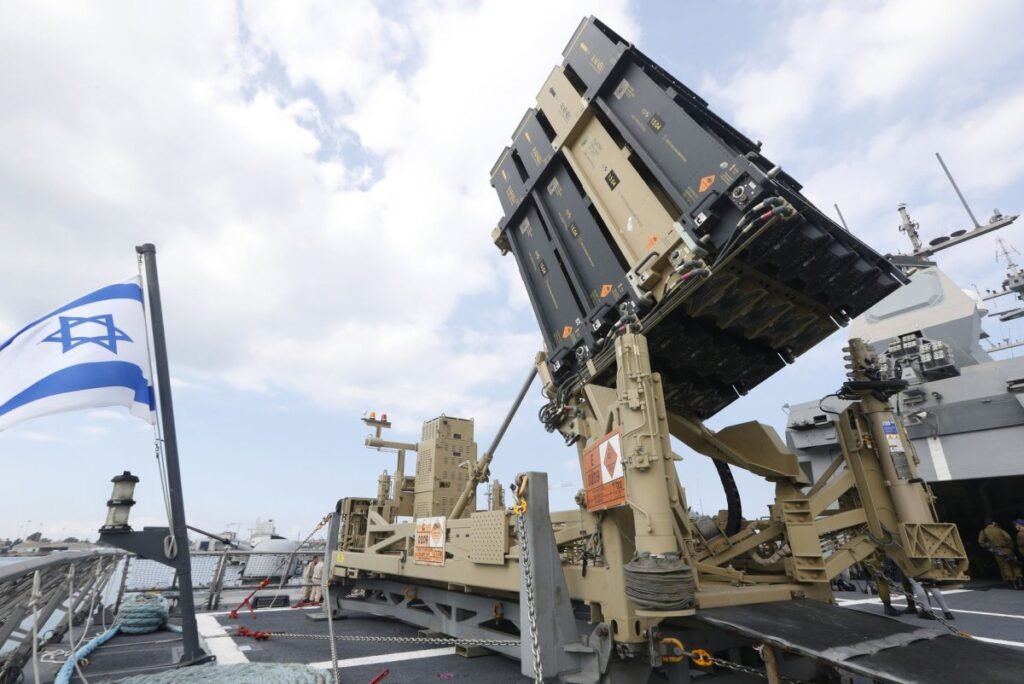
The sustained European demand for Israeli military technology is heavily concentrated in missile, rocket, and advanced air-defense systems. This procurement pattern is largely driven by Europe’s acute reassessment of its security environment, marked by heightened threat perceptions regarding Russian aggression, increasing anxieties over the long-term reliability of United States security guarantees, and concerns regarding potential Iranian retaliation against nations perceived as aligned with Washington or Jerusalem. European defense ministries are drawn to Israel’s competitive advantages in niche technologies, favorable price-to-performance ratios, and seamless interoperability with existing NATO and European forces.
Furthermore, Israel’s ongoing combat operations against regional adversaries, specifically Iran and the Lebanon-based Hezbollah, have provided unprecedented operational validation for its air-defense architecture. The country’s extensive battlefield experience in neutralizing sophisticated ballistic missile and drone barrages has reinforced its status as a premier supplier of combat-proven defense systems, prompting European governments to prioritize urgent national security requirements over lingering political differences.
The Hellenic Partnership and the Achilles Shield
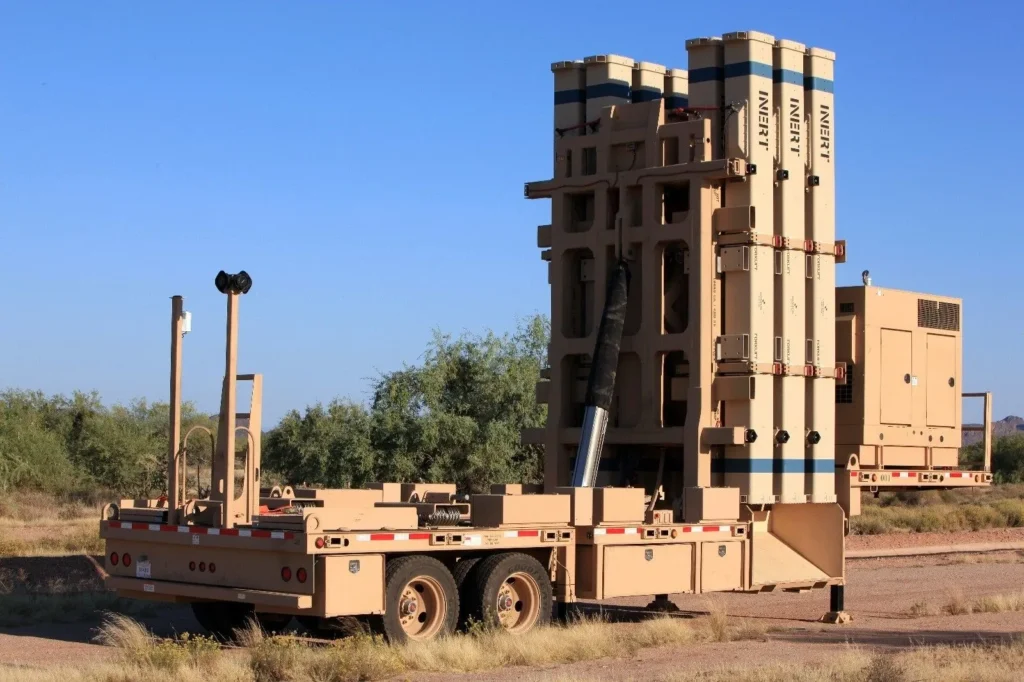
The strategic depth of Israel’s European defense integration was recently underscored by a landmark agreement with Greece, representing one of the largest export contracts in Israeli history. Signed in late August 2026, the comprehensive arms deal is valued at roughly €3 billion and is designed to construct a sophisticated, multi-layered national air-defense network for Greece, codenamed “Achilles Shield”. Under this expansive framework, Athens will integrate Rafael Advanced Defense Systems’ David’s Sling and SPYDER surface-to-air missile systems alongside Israel Aerospace Industries’ Barak MX multi-modal defense architecture.
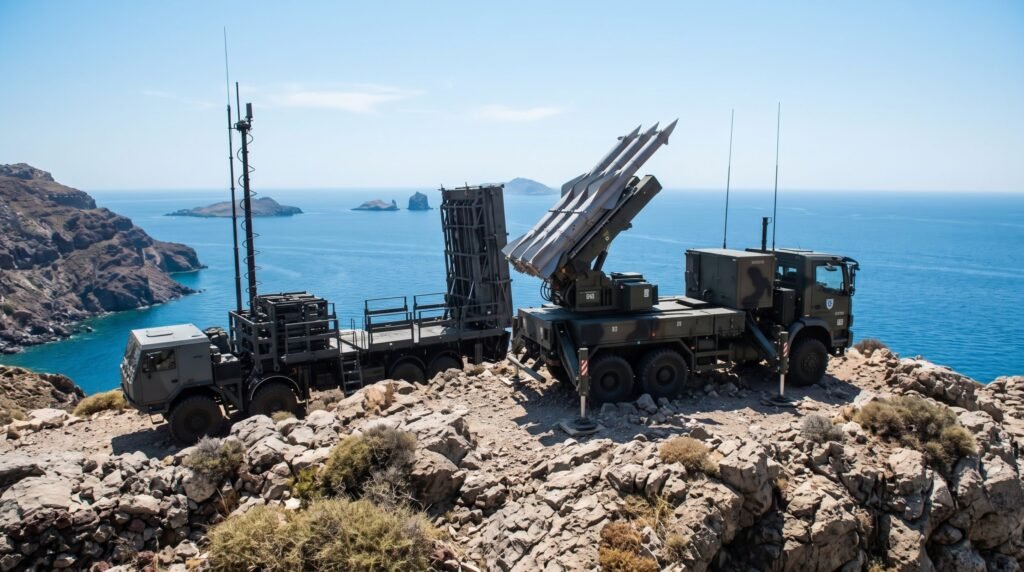
These interceptors will be networked through advanced multi-mission surveillance radars produced by ELTA Systems and managed by a new national command-and-control infrastructure developed by Rafael. For Athens, this procurement is central to a broader military modernization initiative slated for completion by 2030, driven by the necessity to counter a widening spectrum of regional risks. Greek defense planners are actively seeking to mitigate spillover threats from the escalating conflict between Israel, the United States, and Iran, while simultaneously addressing near-term challenges posed by Turkey’s expanding drone and standoff strike capabilities. Reflecting on the tactical lessons of the war in Ukraine, Greek officials recognize the critical utility of layered, precision air defense in deterring high-intensity conflicts and securing airspace.
Nordic Integration and Long-Term Industrial Cooperation
Parallel to its Mediterranean expansion, Israel is rapidly solidifying its security architecture in Northern Europe, evidenced by the recent extension of its bilateral defense cooperation agreement with Finland through the year 2034.
Following its accession to NATO, Finland initiated a €317 million procurement of the David’s Sling air-defense system in late 2023 to address the strategic imperatives created by its extensive shared border with Russia. Israel has now emerged as Finland’s second-largest supplier of military equipment, currently engaging in approximately twenty distinct defense projects alongside Finnish corporate partners. These developments in Finland and Greece illustrate a significant evolution in Israeli strategic policy, shifting away from transactional, one-off export sales toward sustained defense-industrial cooperation. By fostering joint research, co-production agreements, and technology sharing, Jerusalem aims to construct mutually beneficial, long-term geopolitical ties. In the eastern Mediterranean, this industrial alignment could foreshadow the formalization of a new security architecture connecting Israel, Cyprus, and Greece, intended to serve as a strategic counterweight to Turkey’s growing regional assertiveness.
Domestic Constraints and Future Trajectories
Despite the overwhelming commercial and diplomatic success of these defense partnerships, significant domestic political hurdles remain a variable in their long-term viability. Both the Greek and Finnish agreements face intense public and parliamentary scrutiny that could impede the rapid institutionalization of deeper military ties. In Greece, vocal segments of the public maintain strong criticism of Israeli state policies, creating a complex political environment that may complicate formal trilateral alliances. Similarly, opposition factions within the Finnish parliament are closely monitoring the military dimensions of bilateral cooperation, signaling potential legislative resistance. Consequently, Israeli diplomats and their European counterparts must meticulously navigate these domestic sensitivities to sustain their defense-industrial momentum. Ultimately, the European market remains indispensable to the vitality of Israel’s defense sector, providing the vital capital necessary to fund advanced research and development while anchoring the nation’s strategic footprint across the broader region.