

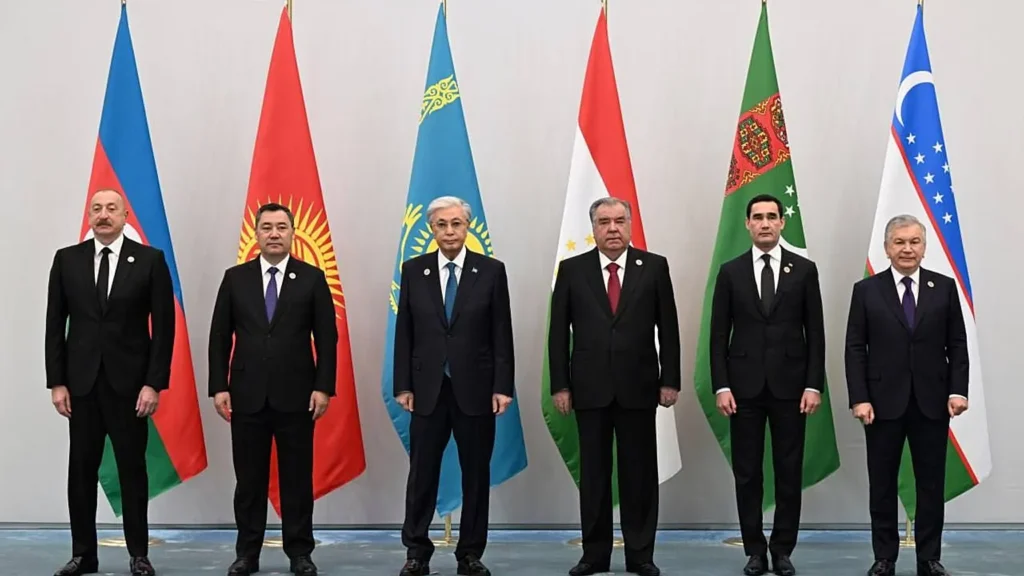
On October 8, 2026, the geopolitical trajectory of Central Asia was the focal point of the eighth Consultative Meeting of Central Asian Heads of State, convened in the Caspian resort of Avaza, Turkmenistan. The summit brought together the leaders of Kazakhstan, Kyrgyzstan, Tajikistan, Turkmenistan, Uzbekistan, and, notably, Azerbaijan. While the gathering initially presented as a conventional regional dialogue, a deeper analysis of the post-summit declarations reveals a profound underlying tension. The participating governments exhibited an unprecedented level of diplomatic consensus regarding their collective regional aspirations, yet they simultaneously demonstrated a glaring lack of unified strategy on how to actualize these goals. The inclusion of Azerbaijan marked a symbolic evolution, representing the first time the summit operated within a formal six-party framework.
Turkmenistan’s President Serdar Berdimuhamedov characterized this inclusion as the natural and vital culmination of years of mutual geopolitical alignment. Ultimately, this dynamic places the landlocked core of Eurasia at a critical crossroads, forcing a necessary transition from diplomatic rhetoric to tangible implementation.
Economic Integration and Resource Management Proposals
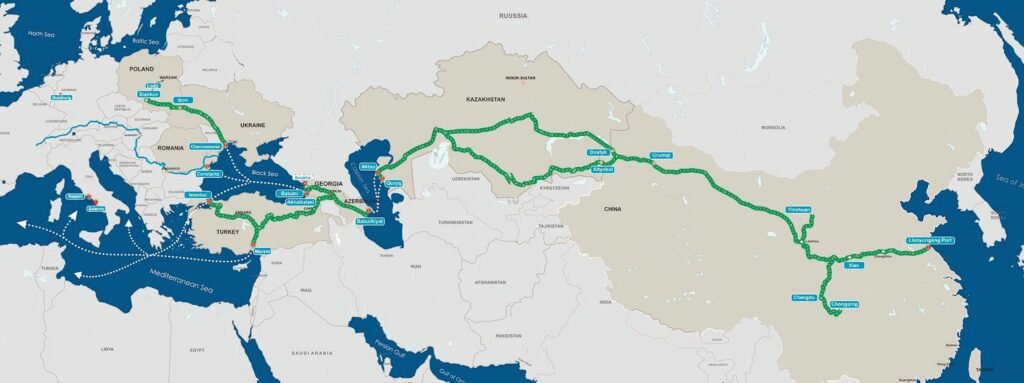
Throughout the summit, regional leaders articulated specific, forward-looking priorities designed to foster continental integration. President Shavkat Mirziyoyev of Uzbekistan outlined a highly detailed economic framework encapsulated by the formula “six economies, one product”. He argued that the region must transcend the simple exchange of standard commodities and pivot toward the collaborative manufacturing of finished goods. To facilitate this industrial transition, Mirziyoyev proposed the development of a regional atlas of competencies, designed to align the labor market with the evolving demands of sectors such as artificial intelligence, tourism, and mining extraction. Conversely, Kazakh President Kassym-Jomart Tokayev directed his focus toward the region’s most pressing existential vulnerability: the management of transboundary water resources. Tokayev advocated for the creation of a Central Asian Framework Convention on Water Use, positing that such a treaty could serve as the foundational architecture for long-term regional cooperation. Furthermore, Turkmenistan, traditionally known for its strict isolationist posture, indicated a significant policy recalibration. President Berdimuhamedov urged his counterparts to inject substantive momentum into logistical negotiations, expressing unequivocal support for the long-delayed trans-Caspian pipeline and the establishment of the Central Asia–Caspian Sea–South Caucasus–Europe transit corridor.
Structural Paralysis and the Execution Deficit
Despite this impressive display of rhetorical alignment, the joint statement produced at the summit’s conclusion was predominantly composed of aspirational concepts rather than actionable policy directives. As analysts at Eurasianet observed, the true measure of the region’s geopolitical resolve will depend entirely on its capacity to move beyond this theoretical consensus. Historically, this “consensus without execution” has been a chronic pattern shadowing Central Asian regionalism for decades. Critical initiatives remain in a state of indefinite suspension; the proposed water framework convention is still merely under consideration, the Uzbekistan-initiated Council for Infrastructure Development has yet to formally convene, and the comprehensive trade and economic cooperation program for 2035 exists merely as a conceptual document rather than an operational roadmap. The primary obstacle to these initiatives is structurally embedded in regional resource allocation. Upstream nations, namely Kyrgyzstan and Tajikistan, rely on transboundary water supplies primarily for hydropower generation, while downstream states such as Kazakhstan, Uzbekistan, and Turkmenistan depend on those exact resources for vital agricultural production. Resolving this fundamental friction requires the relinquishment of sovereign control over critical natural resources, a concession that regional leadership remains entirely unwilling to authorize.
External Geopolitical Pressures and Critical Minerals
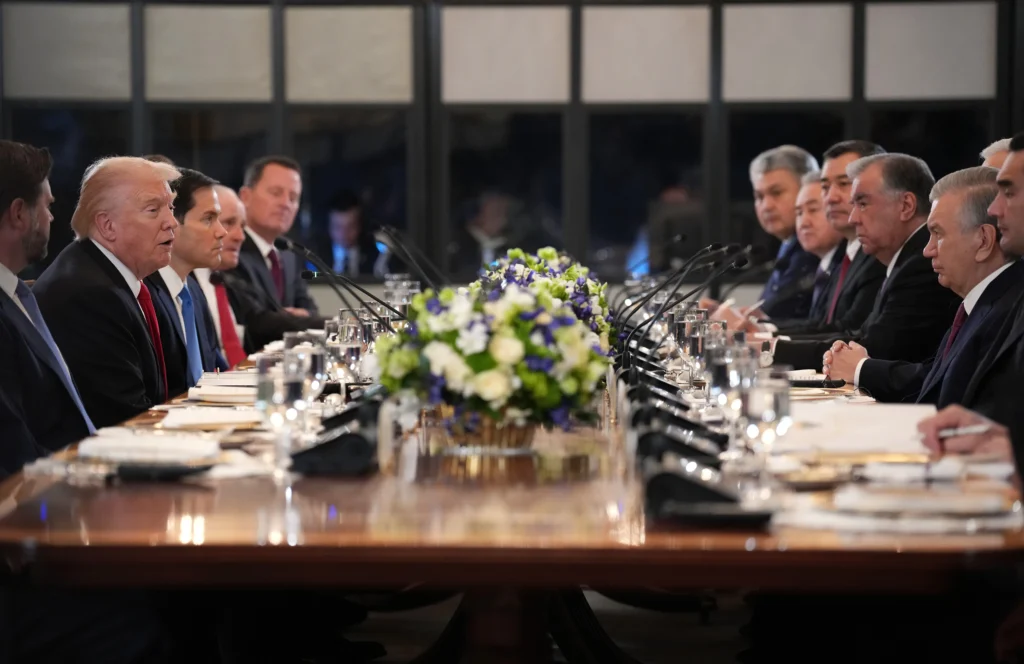
Given the persistence of this internal political paralysis, external geopolitical pressure is emerging as the primary catalyst likely to break the regional impasse. Throughout 2026, the economic and strategic architecture of Central Asia has undergone a rapid transformation due to the simultaneous influx of external powers. The most significant strategic development is the aggressive pursuit of critical minerals by the United States. California-based Cove Kaz Capital Group recently executed a contract to acquire a 70 percent controlling stake in Severniy Katpar LLP, an entity holding the licenses for one of the largest undeveloped tungsten deposits in the world, located in Kazakhstan.
This venture is heavily supported by Washington, with the Export-Import Bank and the U.S. International Development Finance Corporation issuing letters of intent for potential financing up to $1.6 billion. The project contains an estimated 20 percent of global tungsten reserves and is projected to produce 12,000 tonnes annually. Pini Althaus, Executive Chairman of Cove Kaz, explicitly highlighted the geopolitical stakes, noting an acute and systemic global shortage of tungsten that existing mines—even within China—cannot resolve. Consequently, Central Asia has become a vital component of Washington’s strategy to secure alternative supply routes. In a defensive maneuver aimed at preventing the region from being strategically partitioned by external powers, Uzbekistan has proposed the establishment of a Regional Alliance on Critical Minerals, beginning with a Unified Digital Map of Critical Mineral Reserves to coordinate resource management.
Strategic Diversification Through New Partnerships
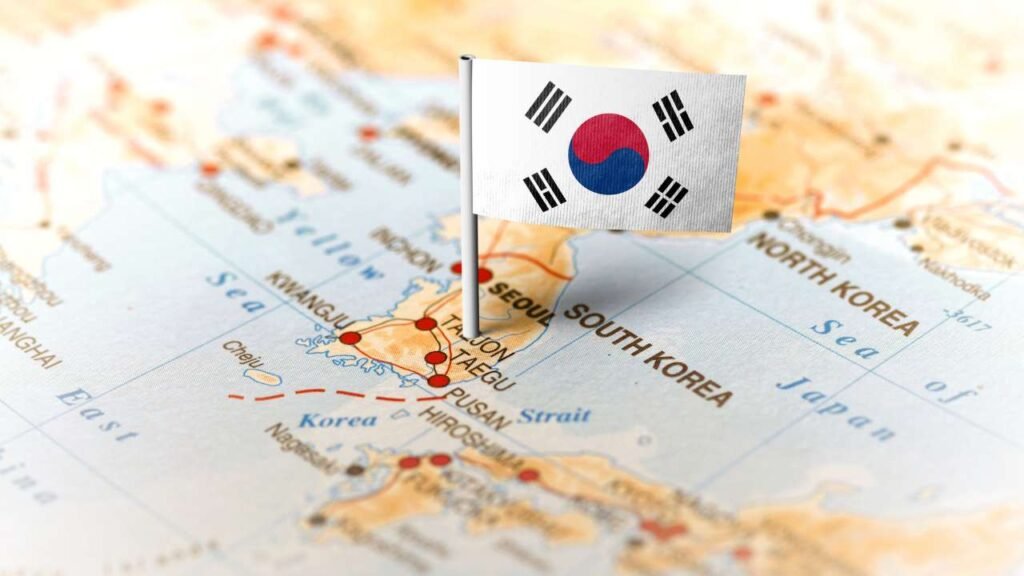
In parallel with these developments, Central Asian states are actively diversifying their international partnerships to dilute the influence of traditional geopolitical hegemons like Russia, China, and the United States. South Korea has significantly escalated its regional involvement, hosting the inaugural Korea-Central Asia summit in September 2026. This landmark summit established a biennial meeting schedule and prioritized strategic collaboration in energy, artificial intelligence, digital technology, and critical minerals. For Central Asian governments, South Korea represents an ideal partner, offering crucial technological capital and industrial upgrading without the intense geopolitical baggage of larger superpowers.
Furthermore, Gulf states are rapidly increasing their economic footprint in the region. In 2026, Sultan Haitham bin Tariq of Oman conducted an unprecedented state visit to Kazakhstan, securing a $150 million joint investment fund and two gigawatts worth of renewable energy agreements. In a highly symbolic move that further integrates Middle Eastern capital into the heart of Eurasia, Oman also became the first Gulf nation to secure shareholder status within the Eurasian Development Bank.