
A Political Landscape in Collapse
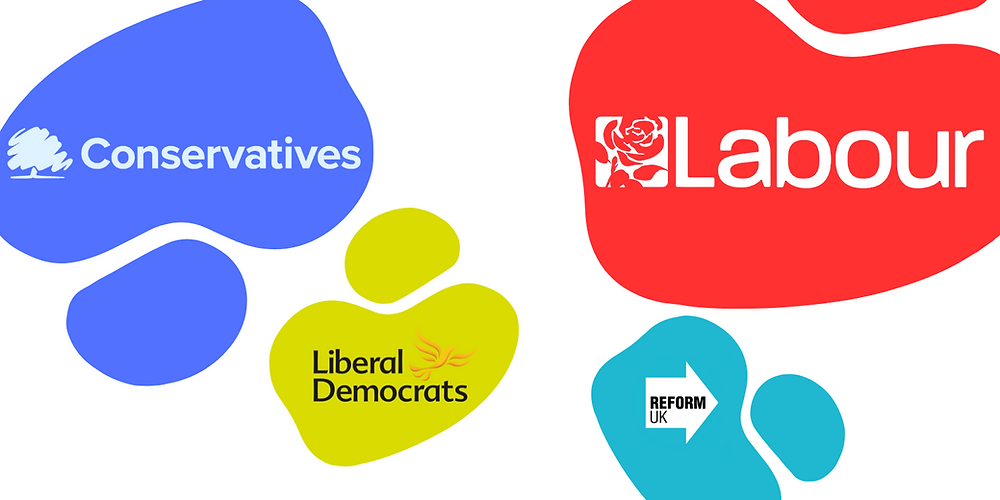
The outcome of the 2025 local elections has sent shockwaves through Britain’s political establishment. With significant gains for Nigel Farage’s Reform UK, and severe losses for both Labour and the Conservatives, the old political order is cracking. While final results continue to come in, the trajectory is unmistakable: the collapse of the political centre, the fragmentation of traditional allegiances, and a growing radicalisation within society.
In this volatile atmosphere, Reform’s advance reflects not merely a reactionary impulse, but a deeper political vacuum – one born of decades of austerity, disillusionment, and the absence of a genuine alternative. As the two-party system falters, Britain enters an era of unprecedented instability, laying the groundwork for explosive political developments ahead.

A System Under Siege
Britain’s political infrastructure is in a state of rapid deterioration. The dominance of Labour and the Conservatives – a fixture for over a century – is being decisively eroded. Years of economic stagnation, falling living standards, and public service cuts have bred a deep and growing contempt for the entire establishment.
This has created fertile ground for Reform UK, whose relative success in these elections points to a growing rejection of the status quo. The defeat of Labour in historically safe seats such as Runcorn & Helsby, and the election of former Tory MP Andrea Jenkyns as mayor in Greater Lincolnshire, illustrate a shifting political landscape. Reform has surged from the margins, not only overtaking the Tories in key areas, but shaking Labour’s grip on constituencies long considered unassailable.
The Reaction of the Ruling Parties
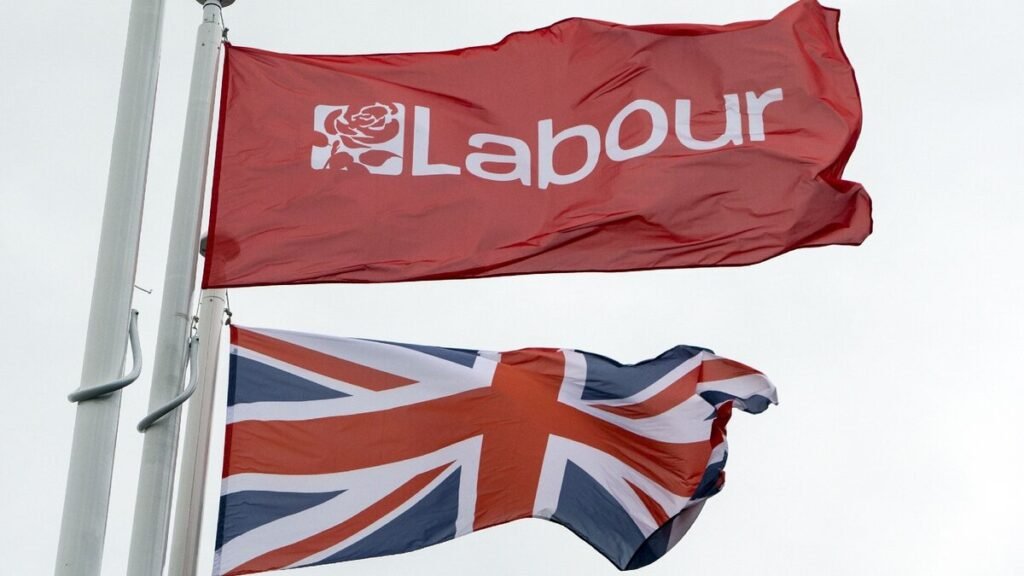
The response from Labour and Conservative headquarters has been one of alarm and confusion. Farage’s claim that Reform is now the “true opposition” to Labour reflects a partial truth: Reform is capitalising on the failure of both major parties to inspire trust or present credible solutions to worsening crises.
Labour, in particular, is under immense pressure. The Runcorn swing alone, if replicated nationally, would result in the loss of over 250 parliamentary seats. Yet rather than presenting a bold, transformative agenda, Starmer’s leadership continues to tack rightward, attempting to recapture lost support through pandering rather than principle.
This strategy is proving both ineffective and politically self-destructive. Labour’s candidate in Runcorn campaigned on a platform filled with anti-immigrant rhetoric, hoping to blunt Reform’s appeal. Instead, voters saw through the charade, recognising the emptiness of Labour’s programme and turning to Farage’s opportunistic message.

The Myth of the Far Right Surge
Some commentators and activists have hastily attributed Reform’s growth to a rise in far-right sentiment. This interpretation, however, oversimplifies and distorts the reality. While Reform’s nationalist overtones cannot be ignored, many disaffected voters are drawn to the party not because of its cultural posturing, but due to its populist critiques of economic decline, austerity, and industrial decay.
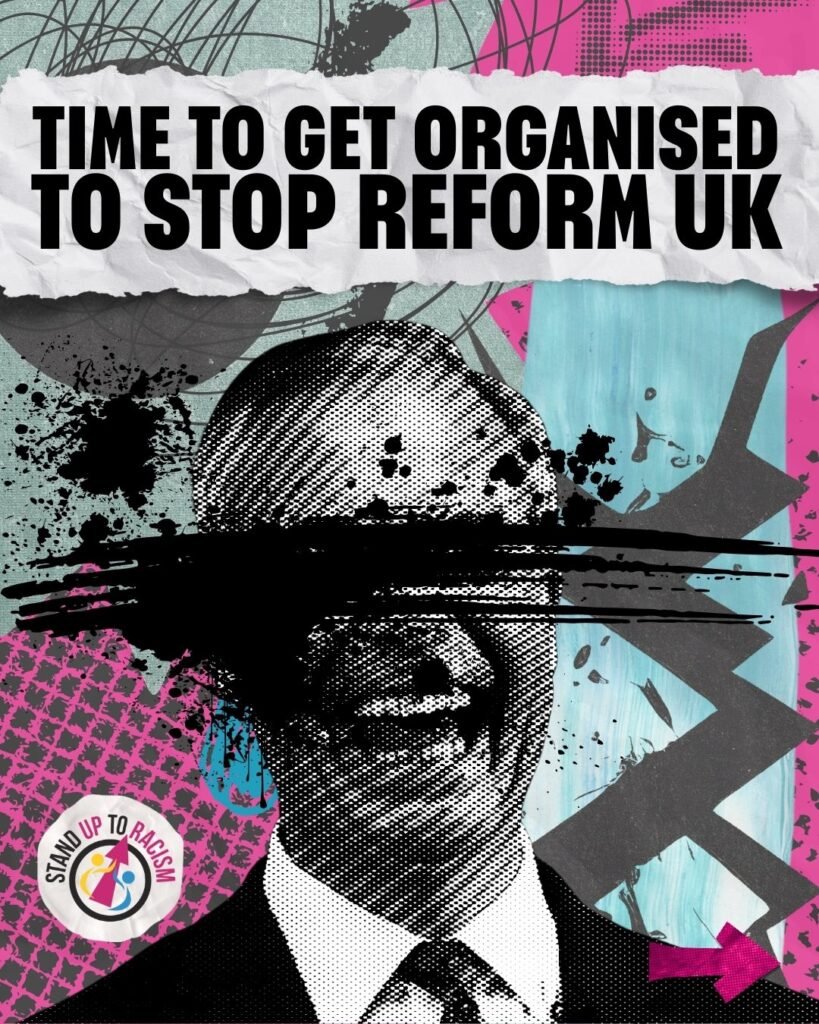
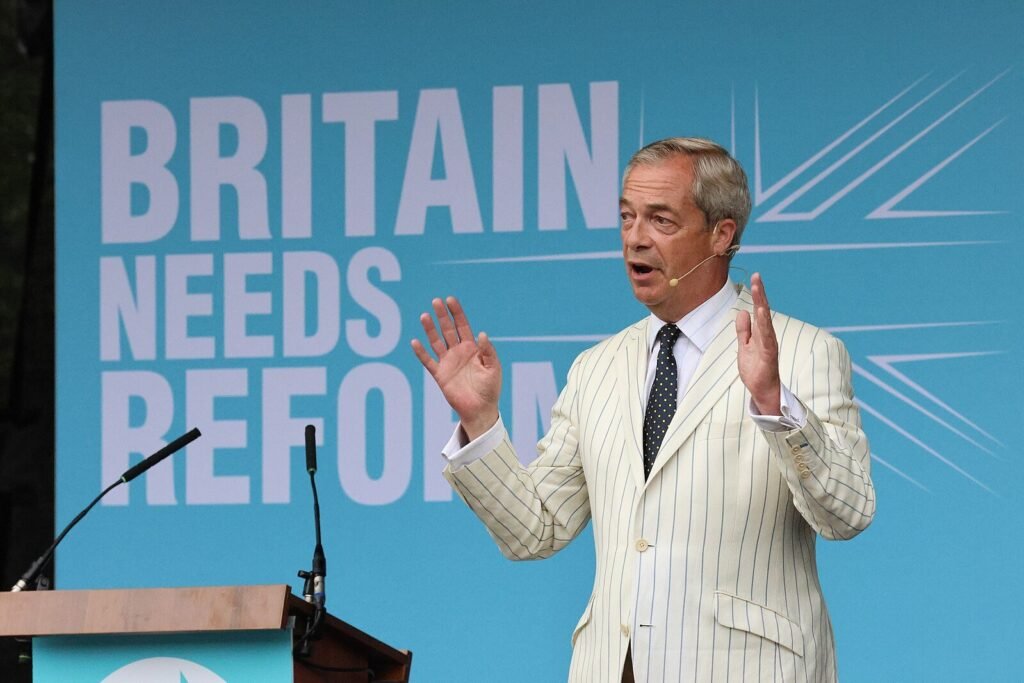
Farage’s messaging – denouncing the closure of British steelworks, attacking cuts to winter fuel payments, and railing against a “broken system” – resonates with layers of the working class who see no difference between Labour, the Conservatives, or any other establishment entity. The liberal-left’s response – fear-mongering about fascism and promoting “Stop Farage” campaigns – offers no real alternative. Such movements merely reinforce the illusion that Labour represents a lesser evil, while ignoring the social and economic conditions that are driving voters away from traditional parties in the first place.

Reform’s Appeal: A Vacuum on the Left
Reform’s rise is, at its root, a reflection of the failure of the left. With no genuine anti-establishment alternative being offered by Labour – and with the official left largely co-opted or directionless – Farage has been able to monopolise the anger of working people.
Groups such as Momentum and figures like Diane Abbott have expressed alarm at Labour’s continued drift to the right. But their appeals for a return to “traditional Labour values” fall on deaf ears. The current leadership has no interest in representing workers – it is beholden to the banks, billionaires, and business interests that define the imperatives of British capitalism.
As such, any Labour government – under Starmer or anyone else – will be forced to carry out the demands of the capitalist system: further austerity, privatisation, and attacks on workers.
The Revolutionary Implications
Contrary to the illusions of reformists, austerity is not merely a political choice but a structural necessity for capitalism in crisis. As Britain’s economy lurches from one disaster to the next, any government operating within the limits of this system will be compelled to impose cuts.
The growing discontent, reflected in Farage’s surge, will not fade. On the contrary, it will intensify as the political establishment fails to address the material conditions affecting millions. As the working class experiences continued deterioration in living standards and public services, radical and even revolutionary conclusions will be drawn.
Examples such as the Birmingham bin workers’ strike point to the kind of class struggle that is brewing beneath the surface. These actions are not isolated. They are a prelude to larger confrontations between labour and capital in the years ahead.
Revolutionary Class Politics
In this context, the task for Marxists and communists is clear. It is not to prop up the crumbling centre, nor to chase after right-wing populists on their terrain. Rather, it is to offer a genuine class-based alternative: a revolutionary programme capable of mobilising the working class against the system that oppresses them.
This means building a political force rooted in the workplace, in working-class communities, and among youth. It means exposing the bankruptcy of Labourism, the fraudulence of Farage, and the brutality of the Tory machine.
Only by channelling the anger of the masses into an organised revolutionary movement can we transform society. The rise of Reform is not a victory for the far right — it is a signal of the crisis gripping British capitalism, and of the historic opportunity that lies ahead for the revolutionary left.