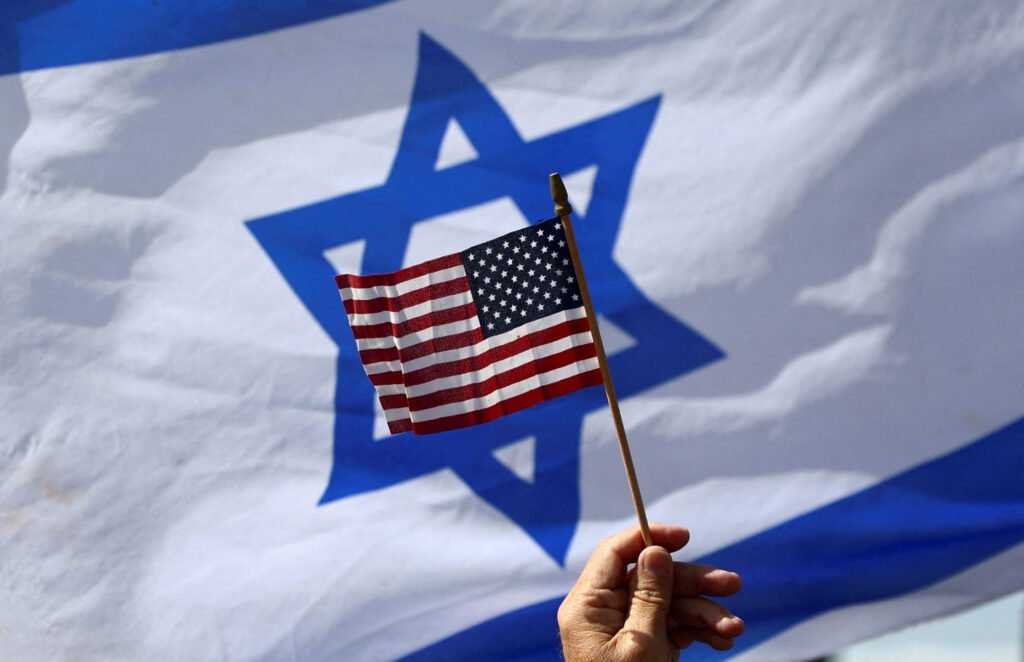

Trump, Netanyahu, and the Fracturing of U.S.–Israeli Alignment
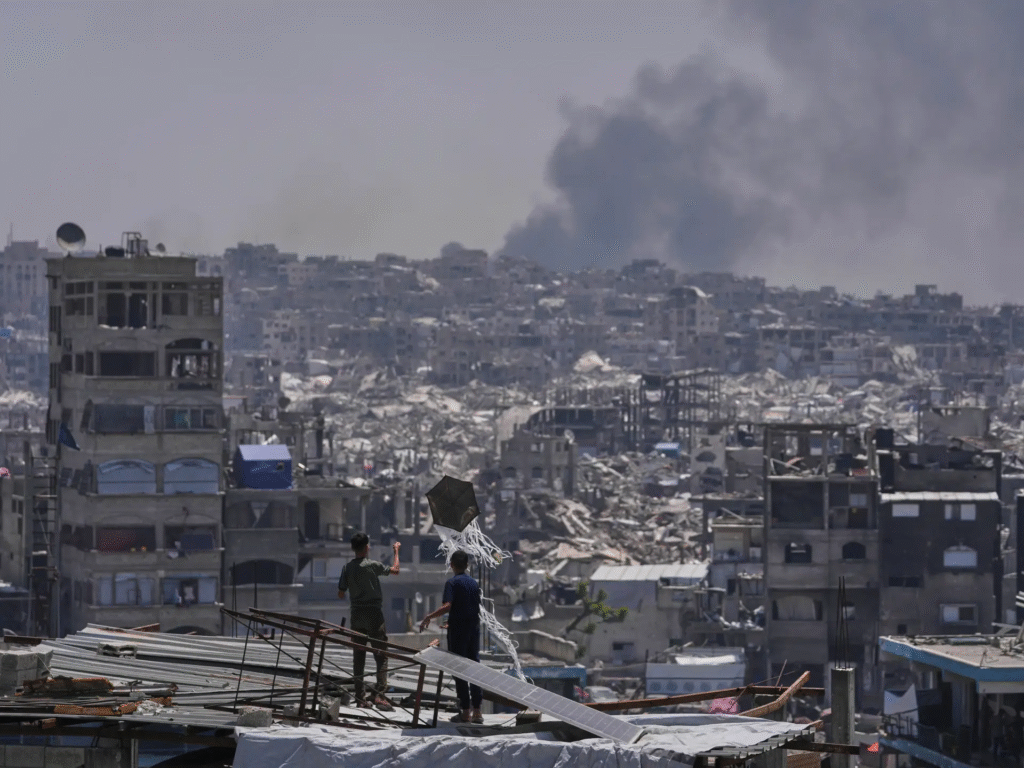
Two months after Israeli Prime Minister Benjamin Netanyahu sabotaged a fragile ceasefire, the situation in Gaza has spiraled into unprecedented catastrophe. Israel’s total blockade has halted the flow of food, water, fuel, and medicine. The relentless bombing campaign by the IDF has devastated infrastructure and claimed tens of thousands of civilian lives. Humanitarian organisations warn that widespread famine is imminent.
Israel now appears poised to launch a new land invasion under the codename Operation Gideon’s Chariots, involving the mobilisation of 70,000 reservists. Netanyahu’s objective is no longer the defeat of Hamas, but the permanent occupation of Gaza and the forced expulsion of its two million inhabitants. This constitutes nothing less than a modern-day Nakba.
In pursuing this goal, Netanyahu has abandoned all pretenses of negotiating hostage releases. His scorched-earth strategy has provoked a crisis even within Israeli society, where a majority of citizens would now prefer an end to the war in exchange for the return of hostages. His approval ratings have plummeted, and internal polling shows that 72.5% of Israelis believe he should resign. Isolated and increasingly reliant on ultra-nationalist allies, Netanyahu is clinging to power by dragging his country into a war of annihilation.

Trump’s Pivot: “America First” Over “Israel Forever”
Amidst this crisis, the traditional unity between Washington and Tel Aviv is breaking down. Donald Trump, once hailed in Israel as a staunch ally, has pivoted away from unconditional support. Publicly, Trump continues to echo right-wing rhetoric about turning Gaza into a “freedom zone” — a euphemism for mass expulsion — yet his actions suggest a radically different approach.
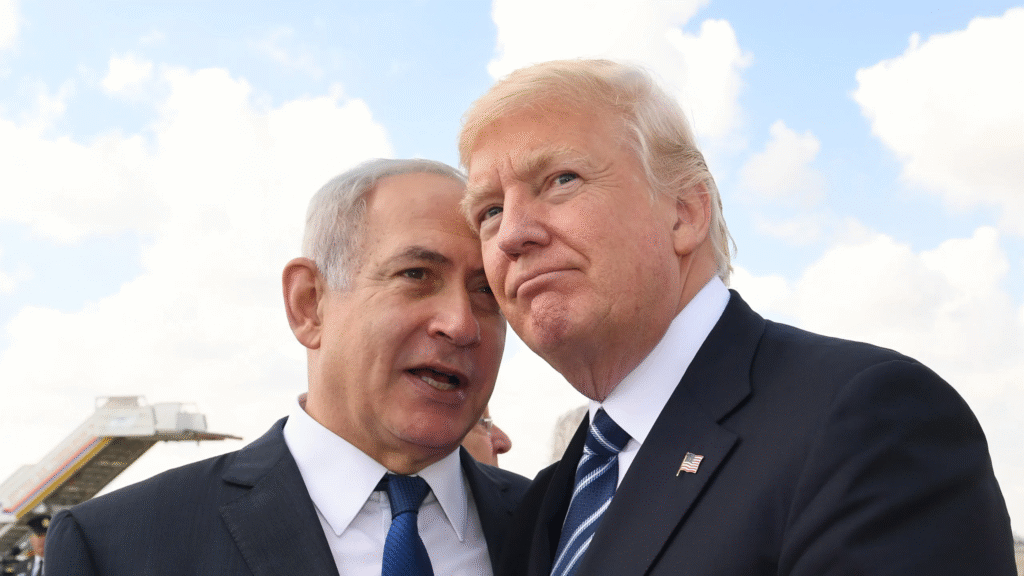
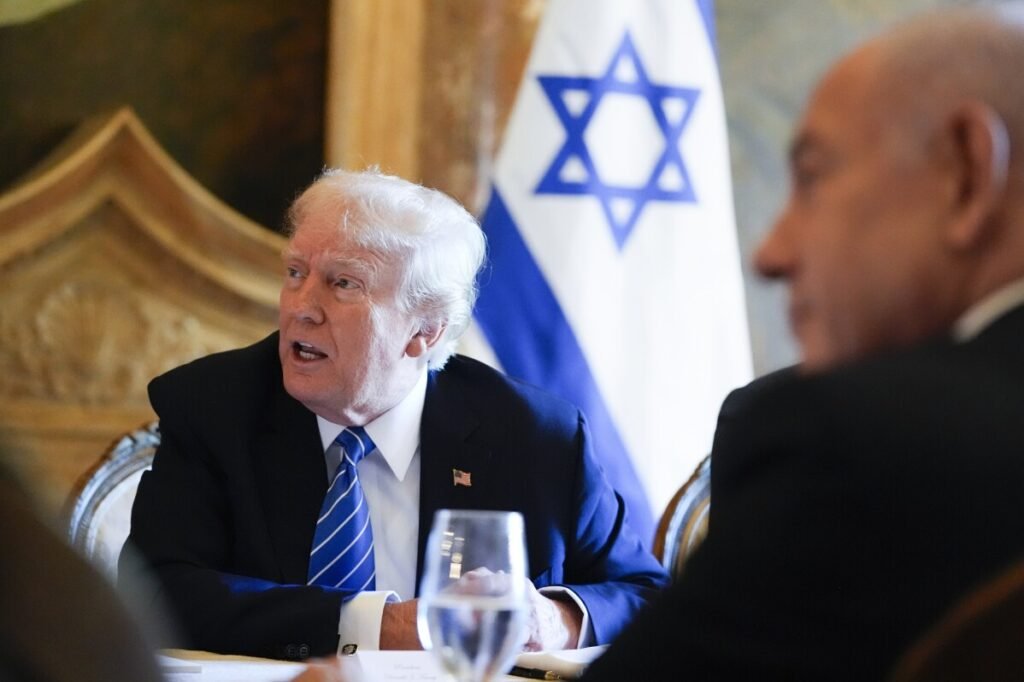
Trump is now openly negotiating directly with Hamas for the release of American hostages — bypassing Israel entirely. Behind closed doors, he has reportedly cut off communication with Netanyahu. His latest diplomatic offensive across the Gulf — including massive trade, energy, and arms deals with Saudi Arabia, Qatar, and the UAE — has excluded Israel from all meaningful negotiations. A $1 trillion agreement with Riyadh even includes uranium enrichment for Saudi Arabia, with no clause requiring the normalisation of relations with Israel.
These shifts signal more than personal animosity. They reveal a calculated repositioning of U.S. imperial policy. Trump appears determined to extract the United States from the burdens of limitless support for an increasingly reckless ally — not out of humanitarian concern, but in the service of American strategic and economic interests.
Strategic Realignment: Bypassing Israel
Trump’s Gulf tour reflects a larger trend: Israel is no longer indispensable to U.S. regional strategy. Washington has lifted sanctions on Syria’s new Islamist regime, undermining Israel’s strategy of maintaining instability in its northern neighbor. In a dramatic break from precedent, the U.S. also negotiated a ceasefire with the Houthi movement in Yemen — a truce that did not even seek to restrict Houthi attacks on Israeli targets. Just one day before this deal, the Houthis struck Ben Gurion Airport, and international airlines cancelled flights to Israel for weeks.
Even more provocatively, Trump is now pursuing direct talks with Iran, with a fifth round of nuclear negotiations scheduled in Oman. This diplomatic thaw has enraged the Israeli government, particularly as it comes on the heels of the ousting of Trump’s hawkish security advisor, Mike Waltz, after reports emerged that he had pressured the administration on Israel’s behalf.
For Netanyahu, who built his career on the premise of an unbreakable alliance with Washington, these developments are existentially threatening. For Trump, however, they are a logical extension of his “America First” doctrine: Israel’s demands must never override American strategic flexibility.
Netanyahu’s Calculus: Political Survival at All Costs
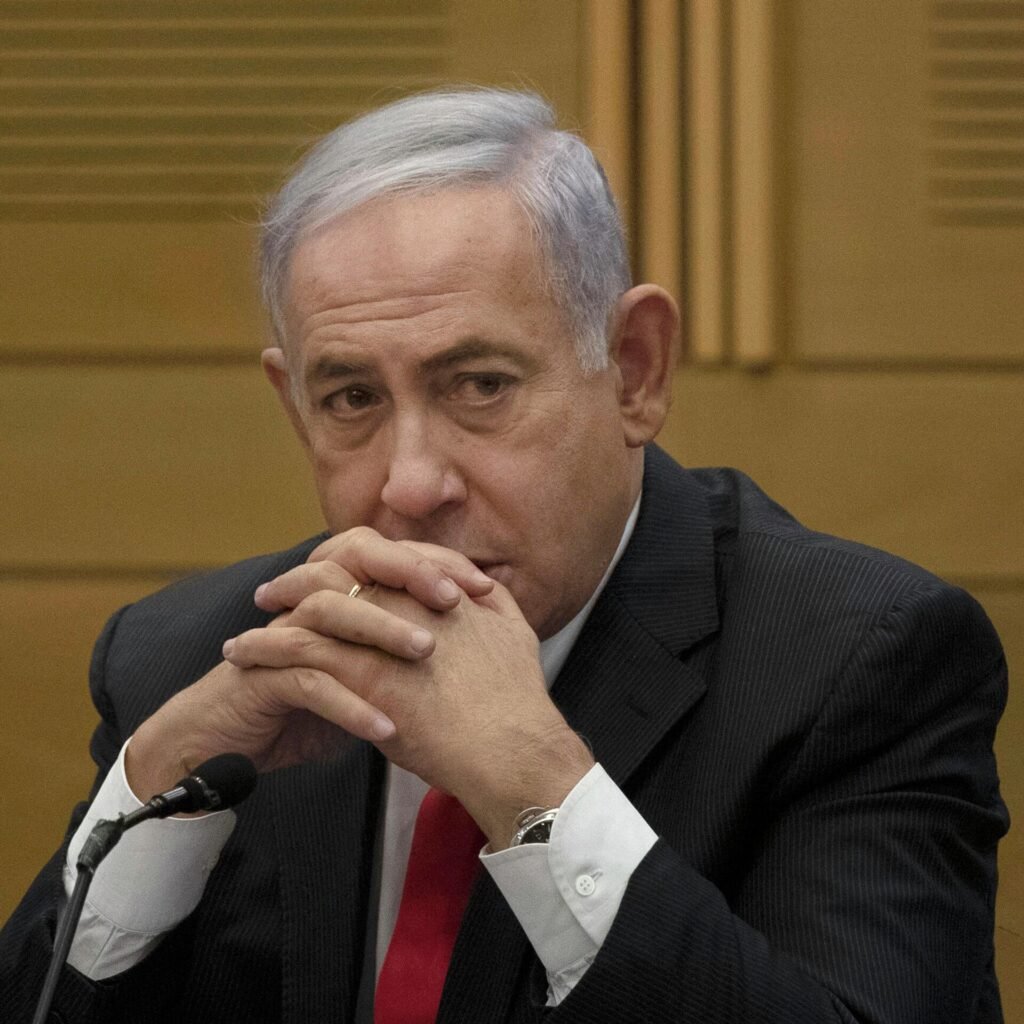
Netanyahu’s intransigence is driven not by military logic, but by personal political necessity. The continuation of the war in Gaza is the only thing keeping his coalition government — propped up by far-right extremists Bezalel Smotrich and Itamar Ben-Gvir — from collapsing. These figures have made clear that the war is not about hostages, but about conquest and ethnic cleansing. Smotrich openly claims Gaza “will be totally destroyed.” Even a temporary ceasefire, such as the one previously brokered by Trump, risks reopening corruption cases against Netanyahu and reviving mass protests. When Netanyahu broke the last ceasefire, he did so hours before a court hearing that could have jeopardised his position. He is not defending Israel — he is defending himself. Netanyahu’s grip on power also depends on delivering the far right’s demands: the complete disarmament of Hamas and the permanent occupation of Gaza. His recent comments to wounded IDF soldiers — promising a future offensive “unlike anything seen before” — confirm that he has no intention of ending the war. His goal is to destroy any diplomatic momentum emerging from Trump’s regional deals.
A War Turning Inward
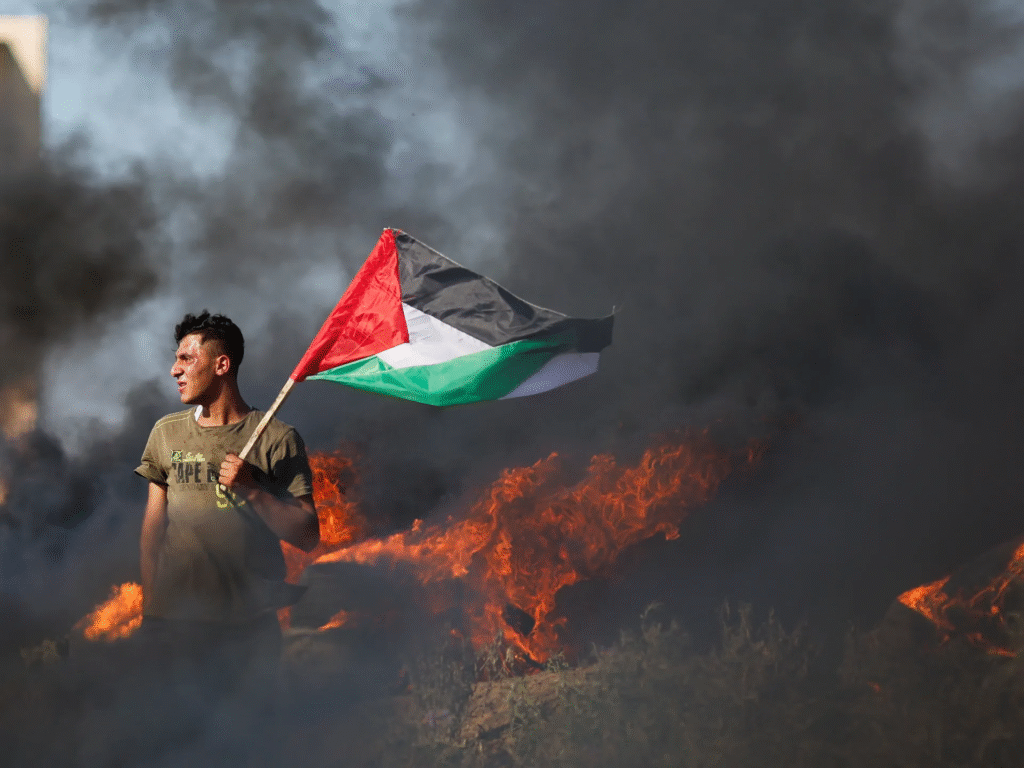
Yet this escalation is unraveling from within. IDF recruitment has plummeted — from 120% of expected turnout at the war’s start to barely 60–70% today. Israel’s military, once viewed as a unifying institution, is fracturing under the weight of indefinite war. Mental health crises are surging. Economic strain is mounting. International isolation is deepening.
The war, far from securing Israel’s future, is eroding its foundations. The promise of “security” under Zionism is collapsing. Instead of defeating Hamas, Israel has created the conditions for its transformation — from a centralised leadership into a decentralised resistance rooted in the next generation of radicalised Palestinian youth.
U.S. Imperialism in Retreat
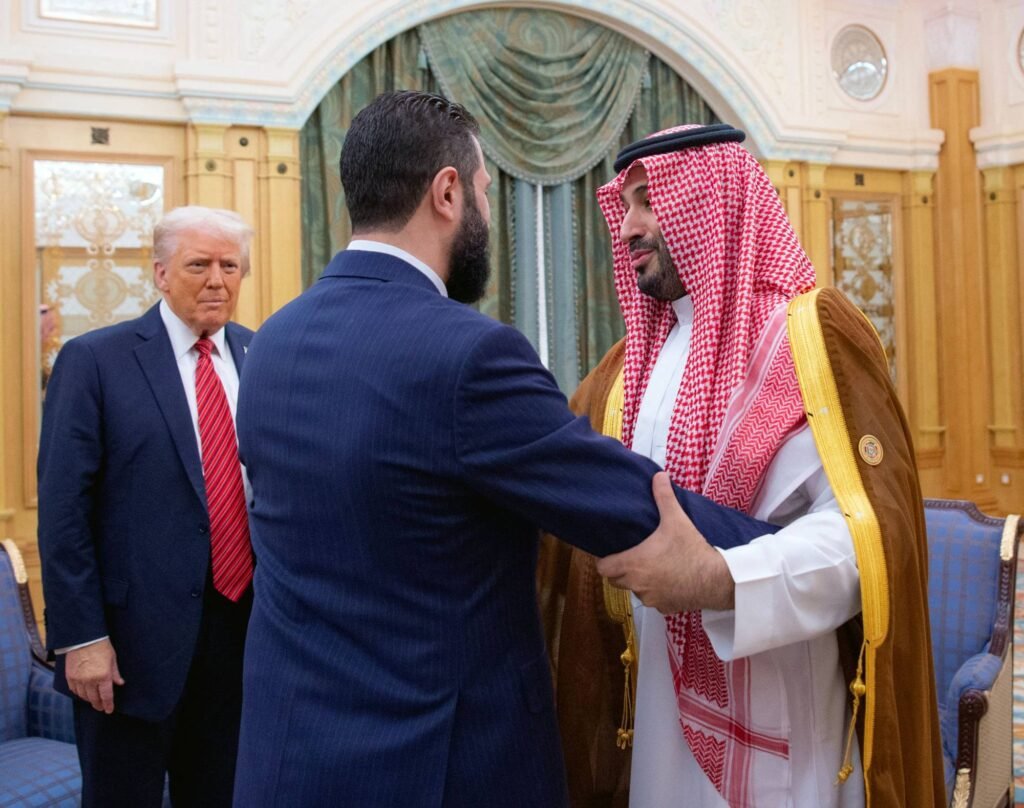
The Middle East, once viewed as a pillar of U.S. dominance, is now a quagmire to be managed — not conquered. In prioritising Saudi nuclear deals, Iranian diplomacy, and Gulf investment partnerships, Trump is executing a strategic retreat. But it is a retreat filled with contradictions. No amount of “deals” can reconcile the explosive social contradictions in the region. No ceasefire can erase the memory of famine and genocide in Gaza.
A Crisis With No Exit Under Capitalism
The rupture between Trump and Netanyahu marks a historic shift. The unshakable alliance between the United States and Israel is no longer immune to pressure, contradictions, or competing interests. Yet this is not a turn toward peace. It is a turn toward imperialist rebalancing — one that leaves Palestinians as collateral damage and continues to fuel instability across the region. Netanyahu’s war has failed to restore Israeli security, and Trump’s maneuvering has failed to stabilise the region.
Both are now confronting the limits of their power. What lies ahead is not peace, but deepening crisis — within Israel, within the U.S. empire, and across a Middle East radicalised by occupation, hunger, and rage.
Only a revolutionary solution — led by the working class and rooted in the liberation of all oppressed peoples — can resolve this crisis. Until then, the war machine will grind on, dragging its architects ever deeper into the abyss.