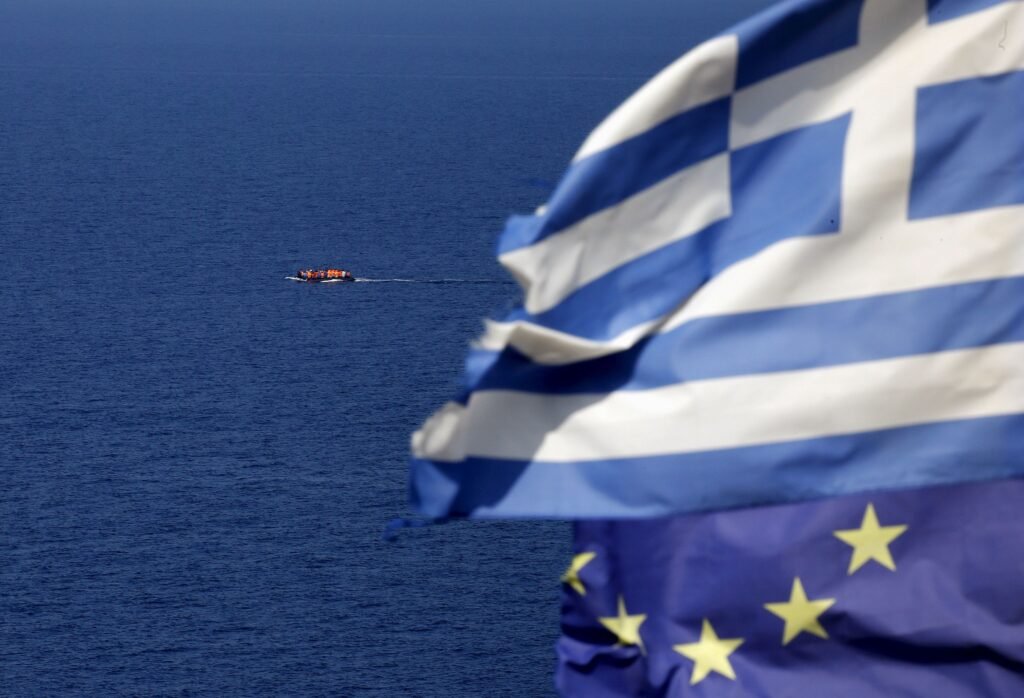

The End of Asylum: Greece’s Assault on Refugee Rights
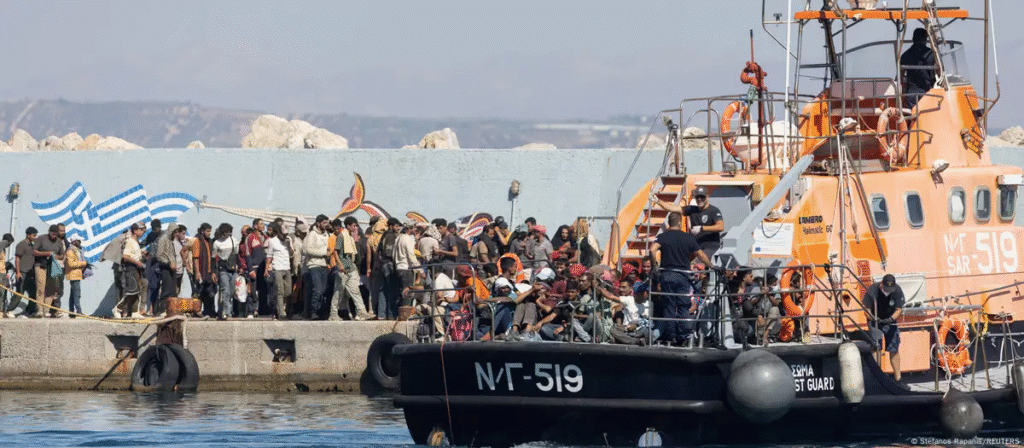
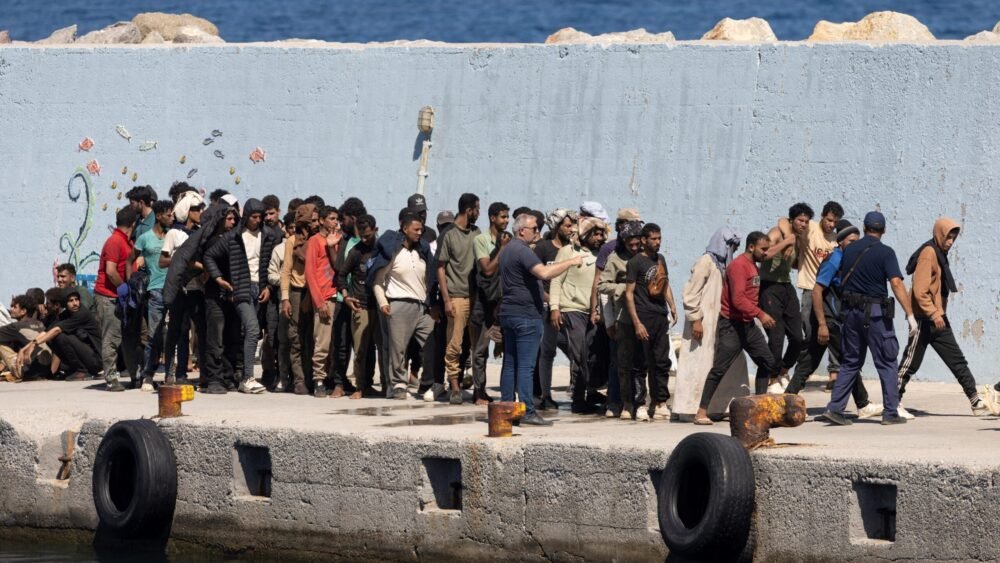
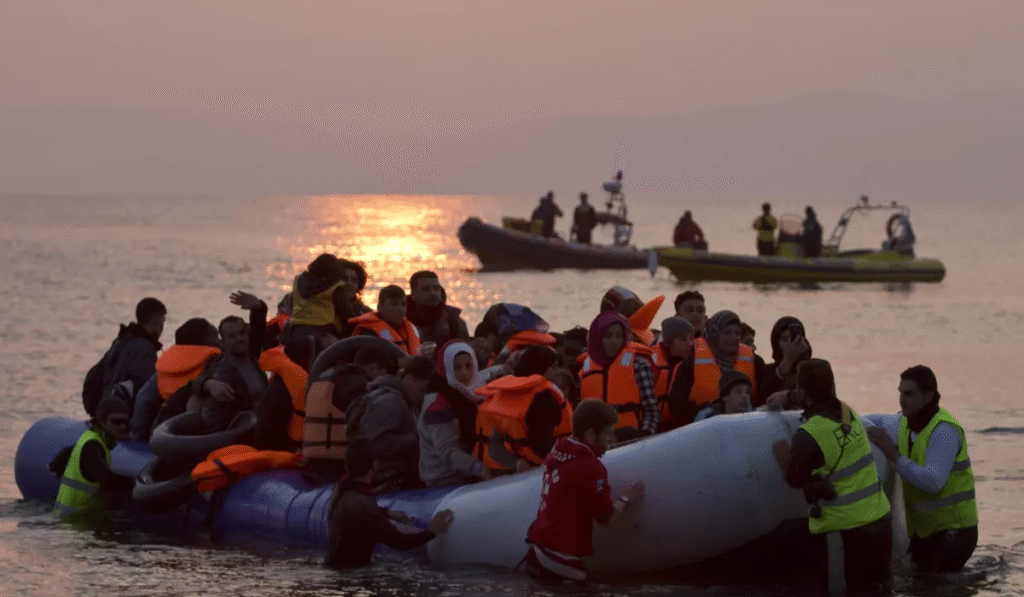
On a quiet Wednesday morning, the Greek coast guard intercepted over 500 refugees drifting near the island of Gavdos. They had fled Libya in search of safety, risking death at sea to reach Europe. That same day, the Greek government announced an extraordinary decision: the immediate suspension of asylum applications for individuals arriving from North Africa. While framed as a temporary response to an emergency, the policy is neither unprecedented nor legally sound. Instead, it represents a deepening strategy of criminalizing migration, undermining refugee rights, and fortifying Europe’s borders at all costs.
Emergency by Design
Greek Prime Minister Kyriakos Mitsotakis justified the measure on the grounds of a sudden surge in arrivals. Yet on the island of Crete — one of the primary destinations of these new arrivals — life continued undisturbed. This so-called “state of emergency” appears less a reaction to chaos and more a calculated opportunity to advance a long-standing agenda: dismantling Greece’s asylum system under the guise of national security.
Migration Minister Thanos Plevris went further, invoking alarmist rhetoric about a supposed Libyan plan to send “three million migrants” to Europe. His framing of the situation as a foreign-directed “invasion” echoed far-right conspiracy theories and sought to manufacture public fear, rather than address the complexities of regional migration with nuance or humanity.

Lawless by Law
The suspension violates fundamental protections enshrined in both international and European law. The right to seek asylum is guaranteed by the 1951 Refugee Convention, the EU Charter of Fundamental Rights, and Greece’s own legal framework. Denying this right en masse constitutes not only a breach of these obligations but a dangerous precedent: one that turns vulnerable people into criminals for the act of seeking protection.
Leading humanitarian organizations, including the International Rescue Committee and Sea-Watch, condemned the measure as both illegal and unethical. Legal scholars across Europe described the justification for the suspension as “constitutionally incoherent” and driven more by political convenience than legal necessity.
A Regime of Deterrence
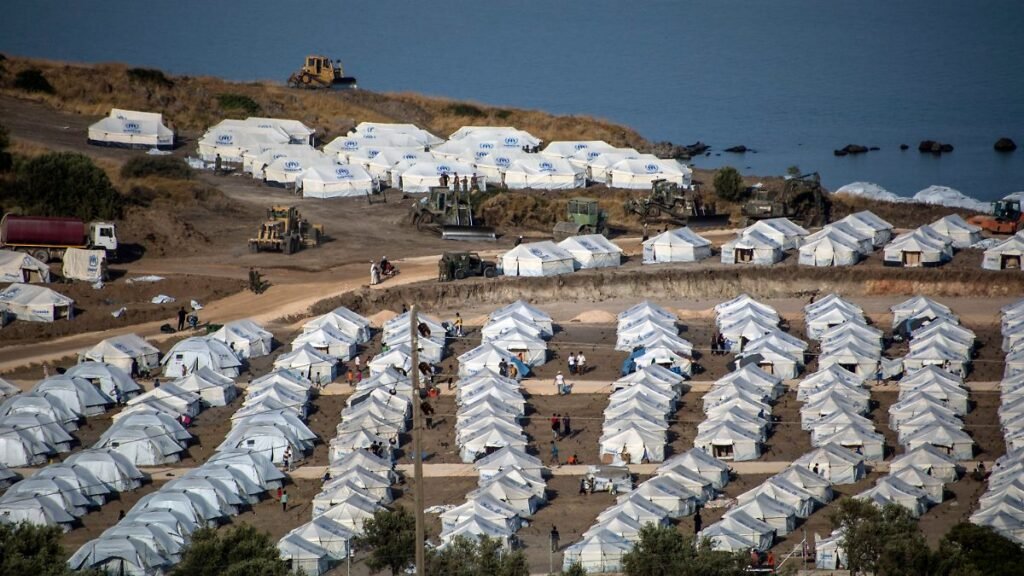
Far from isolated, this decision is part of a broader policy of deterrence that has come to define Greek migration governance. Conditions in many refugee camps have deteriorated to the point of being unlivable. Medical staff are scarce, food is sometimes inedible, and mental health crises — including self-harm among children — are tragically common. Yet the Migration Ministry boasts of its hospitality budget, as if denying people dignity were an administrative virtue.
Plevris, responding to criticism, dismissed calls for improved treatment with a derisive comparison: “This is not a hotel.” The implication is clear — refugees are to be punished, not protected.
Not the First Time
This is not the first time Greece has suspended asylum. In March 2020, as tensions escalated with Turkey, the government enacted a similar halt at its northern border. That move, too, was condemned by legal experts and rights groups, but drew praise from Brussels. Then-European Commission President Ursula von der Leyen thanked Greece for acting as “Europe’s shield.” In return, Athens received hundreds of millions of euros in additional border funding.
The EU’s tacit endorsement of these measures reveals a broader trend: human rights are secondary to border security. Europe’s migration policy increasingly rests on externalization — outsourcing control to regimes like Libya and Turkey — and militarization. Greece is not defying the EU; it is enacting its priorities.
Escalating Criminalization
Looking ahead, the Greek government is preparing to enshrine this policy shift into law. New legislation would criminalize unauthorized entry, even for individuals seeking asylum. This would effectively eliminate any legal path to protection, since nearly all refugees enter the country without visas — a necessity when fleeing violence or persecution.
The proposed law mirrors practices condemned in authoritarian regimes. It does not target smugglers or traffickers, but refugees themselves — people whose only “crime” is surviving.
The Greek refugee support community has responded with fear and resistance. In Athens, Sudanese activist Mustafa Ahmed described the measures as a death sentence for those fleeing war. “They’re not saying ‘don’t come,’” he said. “They’re saying: die elsewhere.” His words capture the desperation of thousands now caught in a legal void, stranded between collapsing asylum systems and rising xenophobia.
Europe’s Complicity
While Greece implements these policies, the European Union applauds from the sidelines. Its recent migration pacts emphasize deportation, detention, and external enforcement over humanitarian protection. Plans are underway to create offshore processing centers in third countries — essentially migration prisons — where asylum seekers will be held without ever reaching European soil.
What is happening in Greece is not an aberration. It is a preview. A continent that once championed refugee rights is now engineering their disappearance, slowly and bureaucratically, behind the veil of “crisis management.”