

India on the Edge: The Specter of a Youth-Led Revolt
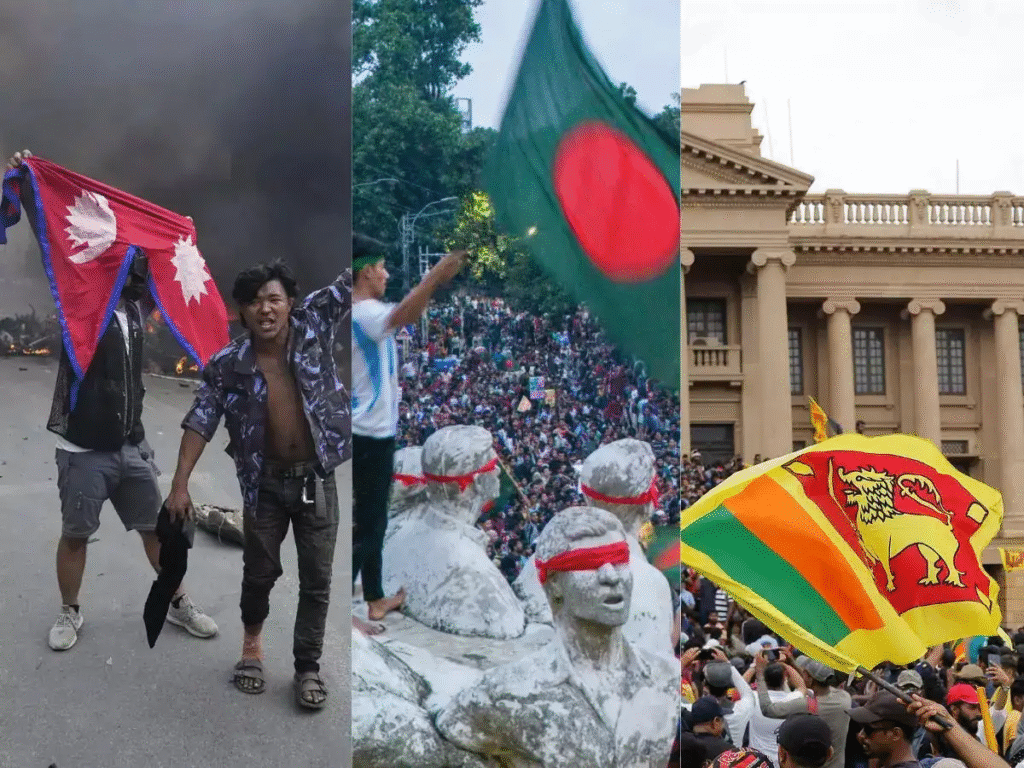
India, South Asia’s largest and most powerful state, stands at a precarious political and social crossroads. With its neighbors—Sri Lanka, Bangladesh, and most recently Nepal—engulfed by youth-led uprisings, India appears to be next in line. The recent surge of mass mobilizations across the region signals a larger generational rejection of economic precarity, systemic inequality, and entrenched political elites. Although no mass revolt has yet unfolded within India’s borders, the structural conditions for such a movement are firmly in place—and the ruling class knows it.
A Nation of Contrasts: Growth for Whom?
India has often been celebrated as a rising economic power, boasting strong GDP growth, a dynamic tech sector, and increasing global influence. However, beneath the surface lies a deeply stratified society. Economic expansion has disproportionately benefited a narrow elite composed of political dynasties and industrial conglomerates. Meanwhile, the vast majority of Indians—particularly youth—struggle with unemployment, underemployment, and informal labor.
Graduate unemployment stands at approximately 40%, while over 90% of workers under the age of 25 are employed in the informal sector, lacking social protections, job security, or benefits. These figures mirror the same conditions that ignited uprisings in neighboring countries. The so-called “demographic dividend” that Indian leaders once touted has turned into a crisis of disillusionment and lost opportunity.
The Dynasties and Their Defenders
The ruling elite, aware of the rising resentment among youth, have begun pre-emptively defending their positions. Prominent political figures from India’s entrenched dynasties—such as Aaditya Thackeray of Maharashtra, and Rohit Pawar of the powerful Pawar family—have made public statements defending their right to political participation, often framing their inheritance of power as a continuation of “public service.” Their defensive posture reveals a deeper anxiety: the legitimacy of inherited privilege is being fundamentally questioned by a generation that sees little future in the current system.
Even figures within the judiciary have felt compelled to respond. Former Chief Justice of India DY Chandrachud, himself the son of a former Chief Justice, has pointed to his academic credentials in an effort to assert his independence from familial advantage. These public declarations are less about persuasion than about self-preservation.
The Gen Z Question
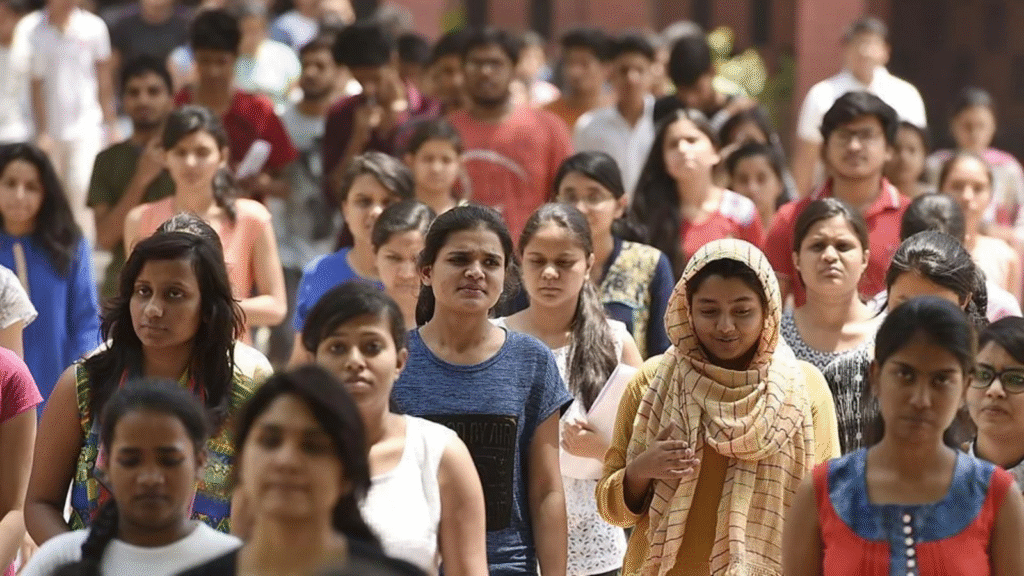
Much of the elite discourse is now framed by a looming fear: that India’s youth—particularly Gen Z—could mobilize en masse as they have elsewhere. The youth are not only numerically dominant (over 50% of India’s population is under the age of 25) but increasingly politically aware and networked through social media. Their exposure to events across South Asia has sharpened their sense of common cause with young people elsewhere facing similar conditions.
Opposition leader Rahul Gandhi, himself a product of one of India’s most prominent political families, has sought to appeal to the youth, calling on them to “save the Constitution” and defend democracy. However, such appeals have been met with skepticism, particularly given Gandhi’s own dynastic background. A senior BJP official responded by branding Gandhi “the ultimate nepo kid”—an ironic statement from a party that itself has become increasingly dynastic in practice.
Modi’s Rule: From Populism to Cronyism
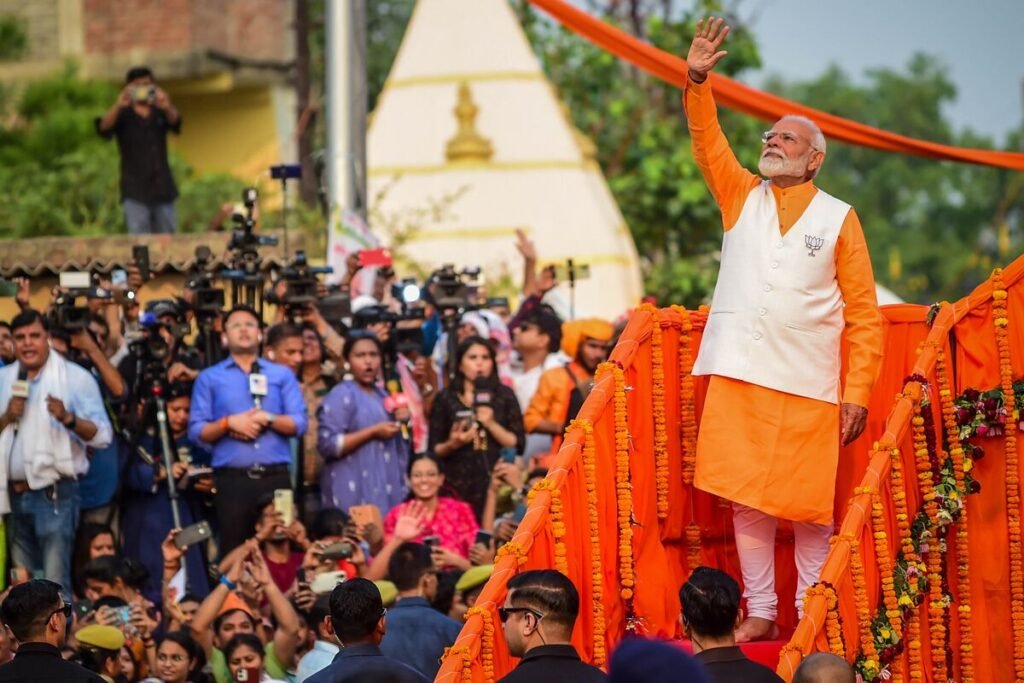
When Narendra Modi and the Bharatiya Janata Party (BJP) first rose to power, they did so by channeling a populist anger against Congress-era elites. Modi projected himself as an outsider and champion of the common citizen, even as his government pursued aggressively neoliberal reforms—privatization, deregulation, and tax policies favoring corporations.
Yet over time, Modi’s image as a reformer has eroded. His tenure has been marked by favoritism towards industrial giants such as the Adani and Ambani groups, and a governance style increasingly reliant on spectacle and repression. For many young Indians, Modi’s India is the only political reality they have known—and it is one synonymous with inequality, communal polarization, and elite enrichment.
Fault Lines in the State
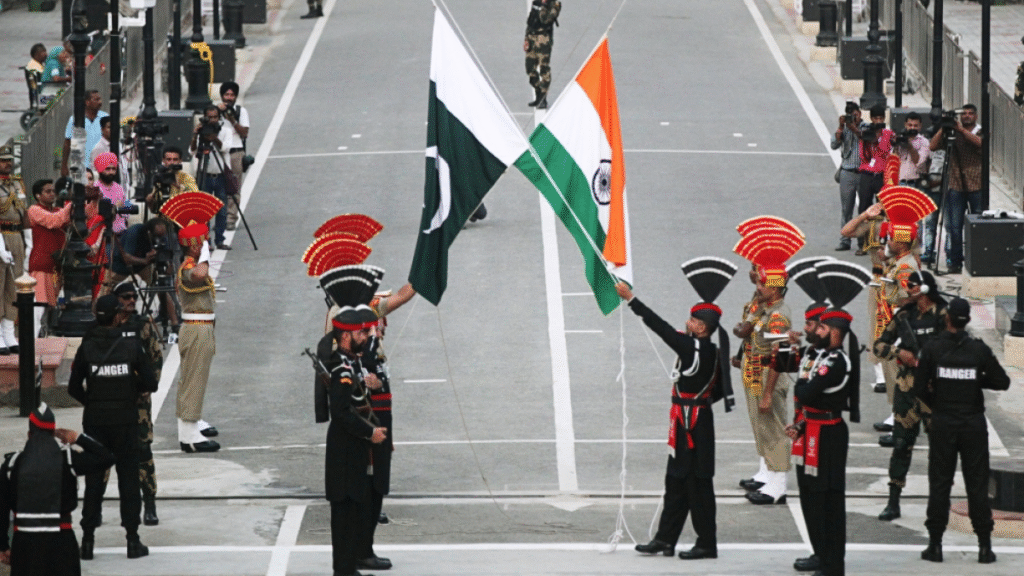
Signs of institutional strain are becoming more evident. Earlier this year, tensions with Pakistan escalated into a military confrontation over Kashmir. The Indian army’s morale appears to have been shaken, with reports of mass protests by soldiers in Bihar over unpaid wages and poor conditions. These demonstrations were largely ignored by the domestic media but reported abroad, indicating both the severity of the issue and the state’s desire to suppress dissent.
Simultaneously, in the Himalayan territory of Ladakh, youth-led demonstrations erupted in Leh in support of hunger strikers demanding full statehood and democratic rights. These protests adopted tactics similar to those seen in Sri Lanka and Nepal—including the symbolic burning of BJP offices. The message was clear: youth discontent is not confined to economic issues alone but extends to demands for dignity, representation, and autonomy.
A Regional Powder Keg
India is surrounded by examples of how quickly mass uprisings can evolve. In Sri Lanka, economic collapse and corruption drove citizens to storm the presidential palace. In Bangladesh, student-led protests against inequality turned into nationwide demonstrations. In Nepal, elite excesses and social media censorship ignited mass resistance.
What sets India apart is its scale and global significance. As the world’s most populous nation and the fourth-largest economy, a youth-led uprising in India would carry ramifications well beyond its borders. It would not merely disrupt domestic politics but shake global markets, diplomatic alignments, and the broader narrative of “emerging India.”
An Impending Reckoning
India’s political establishment is showing signs of nervousness—and for good reason. The youth are restless, the institutions are fraying, and the examples set by neighboring nations are difficult to ignore. Whether the spark will come tomorrow or next year is uncertain, but the combustible elements are all in place.
What remains to be seen is whether India’s youth will move from discontent to action—and if they do, whether any political force will emerge to channel that energy into a transformative movement. If and when it happens, the consequences will be seismic.