

Imperial Pressure and the Colombian Left: Defending Sovereignty in the Face of U.S. Aggression
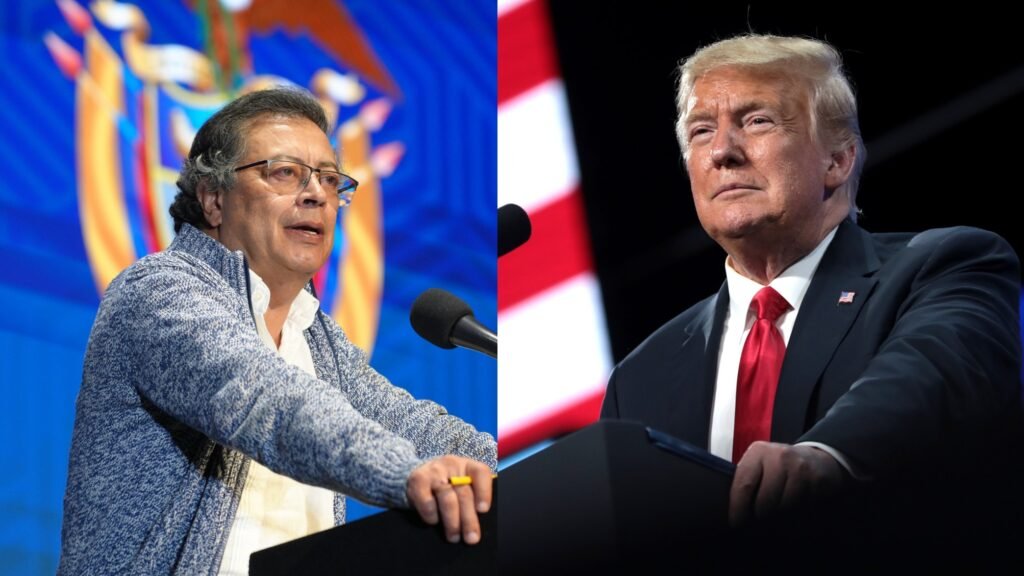
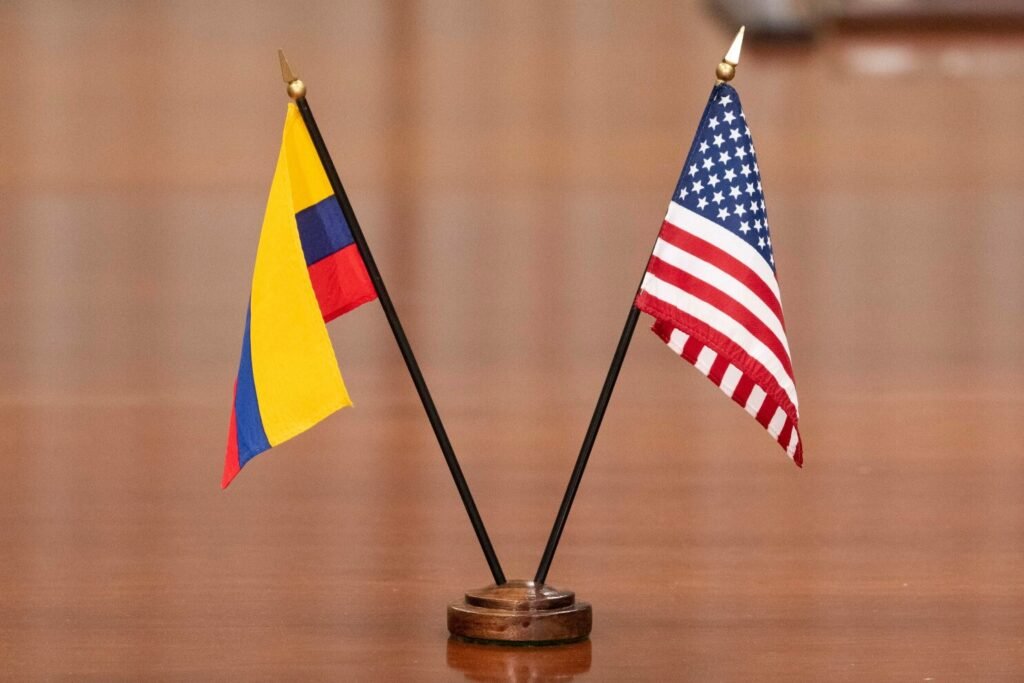
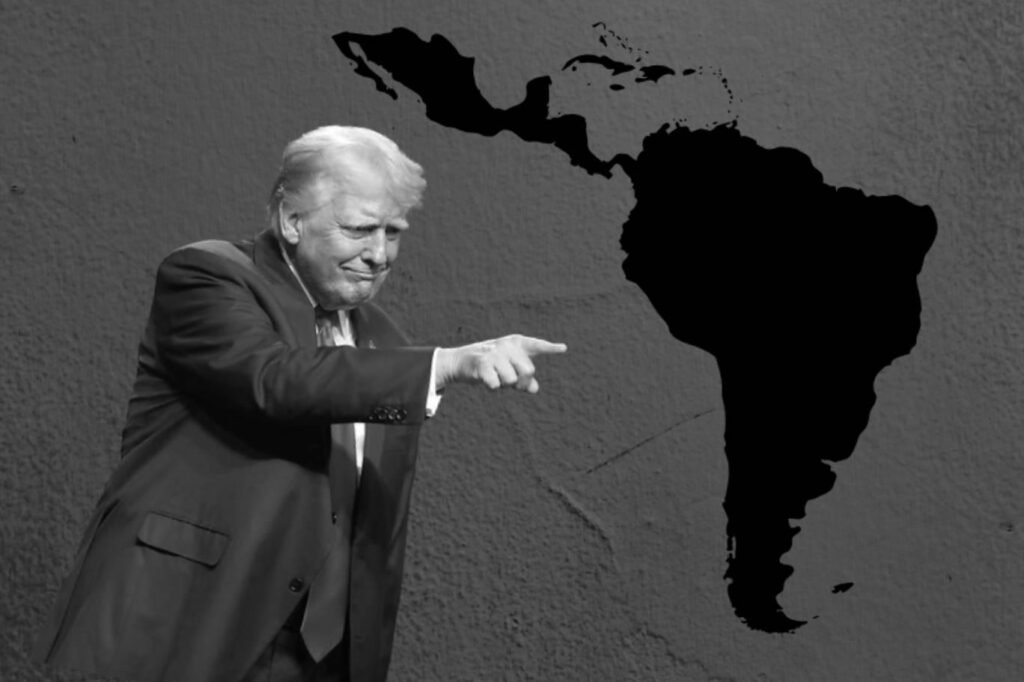
Over the past year, a steady escalation in hostilities has marked the relationship between the United States and Colombia. At the center of this tension lies the increasingly assertive posture of U.S. imperialism toward Colombia’s first progressive government under President Gustavo Petro. The most recent example of this interference came when former U.S. President Donald Trump publicly branded Petro a “drug trafficking leader” and advocated for punitive tariffs—25 percent levies—on Colombian exports.
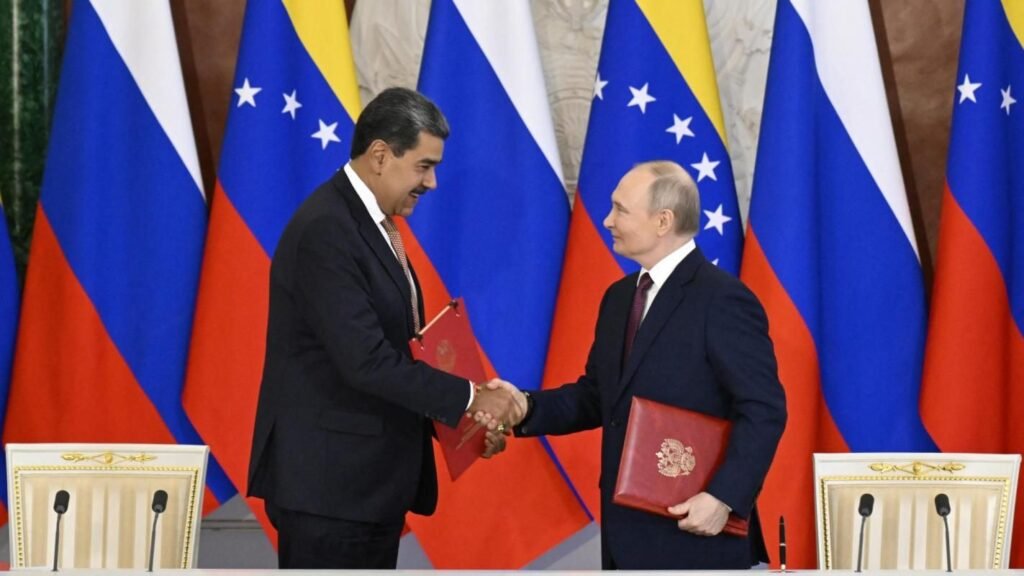
Such attacks are not isolated incidents. Rather, they represent a concerted campaign by sectors of the U.S. ruling class to undermine the Petro government and dissuade other left-leaning governments in Latin America from pursuing independent policies. These moves are part of a broader imperialist strategy aimed at restoring hegemony across a region that has increasingly sought ties with emerging powers such as China and Russia.
Beyond Economics: The Political Logic of Imperial Sanctions
While the imposition of tariffs may appear to be an economic measure, its true intent is political. Petro himself has correctly characterized these actions as expressions of U.S. imperialism—designed to intimidate Latin American governments that deviate from Washington’s strategic blueprint. In recent months, Petro has publicly denounced the U.S. government’s immigration policies, criticized its deportation practices, and condemned its complicity in the unfolding genocide in Gaza.
These statements have drawn ire from senior American officials. U.S. Secretary of Homeland Security Kristi Noem has accused the Petro administration of shielding criminal elements, such as the Venezuelan-origin “Tren de Aragua” gang. Following Petro’s speech at the United Nations and his participation in anti-genocide demonstrations, U.S. Secretary of State Marco Rubio responded by revoking the visas of the president and several members of his cabinet.
This coordinated retaliation reveals the depth of Washington’s intolerance for dissent among its traditional allies. The message is clear: reformist leadership in Latin America will not be tolerated if it challenges U.S. strategic interests.
Imperialism’s Broader Regional Agenda
Colombia is not the only target of such aggression. Venezuela has faced bombings and economic sabotage, while Brazil—also under a left-leaning administration—has suffered trade restrictions after forging closer ties with Beijing and Moscow. These punitive actions are not merely isolated acts of retaliation; they are components of a calculated effort to preserve U.S. geopolitical dominance in the hemisphere.
In Colombia, these pressures serve a dual purpose. First, they are intended to isolate Petro’s administration on the international stage.
Second, they function as a warning to the Colombian electorate: supporting progressive reformers carries economic costs. The implied threat is straightforward—should Petro’s coalition retain or expand its influence in the 2026 elections, the Colombian economy will suffer the consequences.
A Complicit National Ruling Class
The Colombian oligarchy has not only tolerated this interference—it has actively encouraged it. Prominent figures from the Conservative Party and beyond have traveled to Washington in an open appeal for U.S. intervention. Former Foreign Minister Álvaro Leyva, for example, reportedly petitioned Republican senators to “facilitate” Petro’s removal from office.
This reliance on external support underscores the domestic weakness of the Colombian elite. Lacking popular legitimacy, they are forced to turn to their traditional patrons in the Global North. Their servility has reached the point of political theater: begging their imperial sponsors to direct their fury toward Petro specifically, rather than the country at large.
A Confrontation Between Classes, Not Individuals
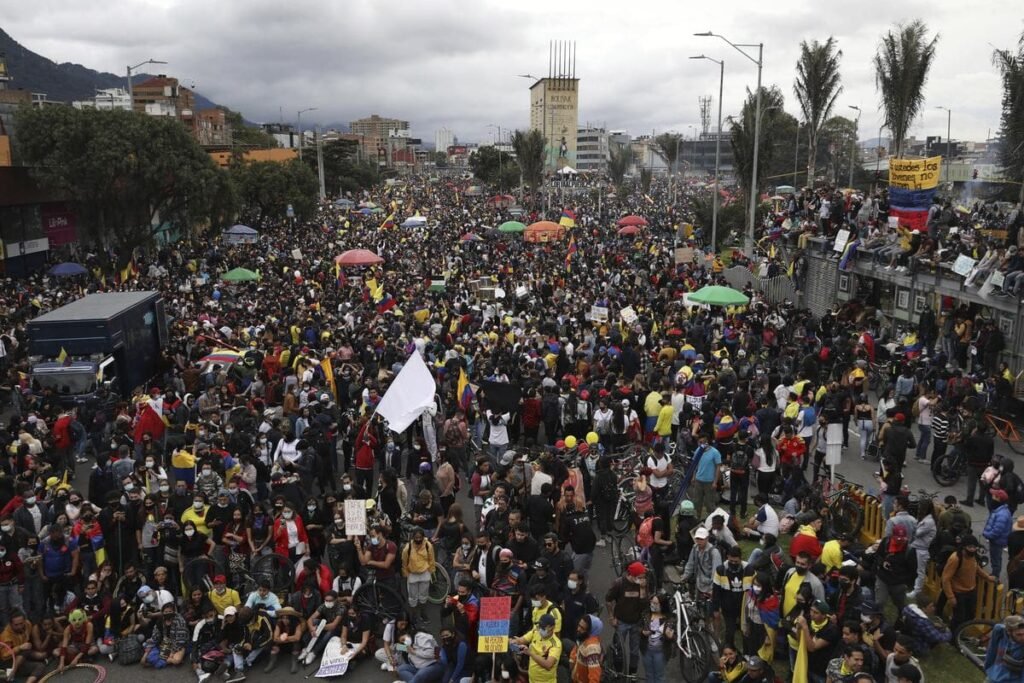
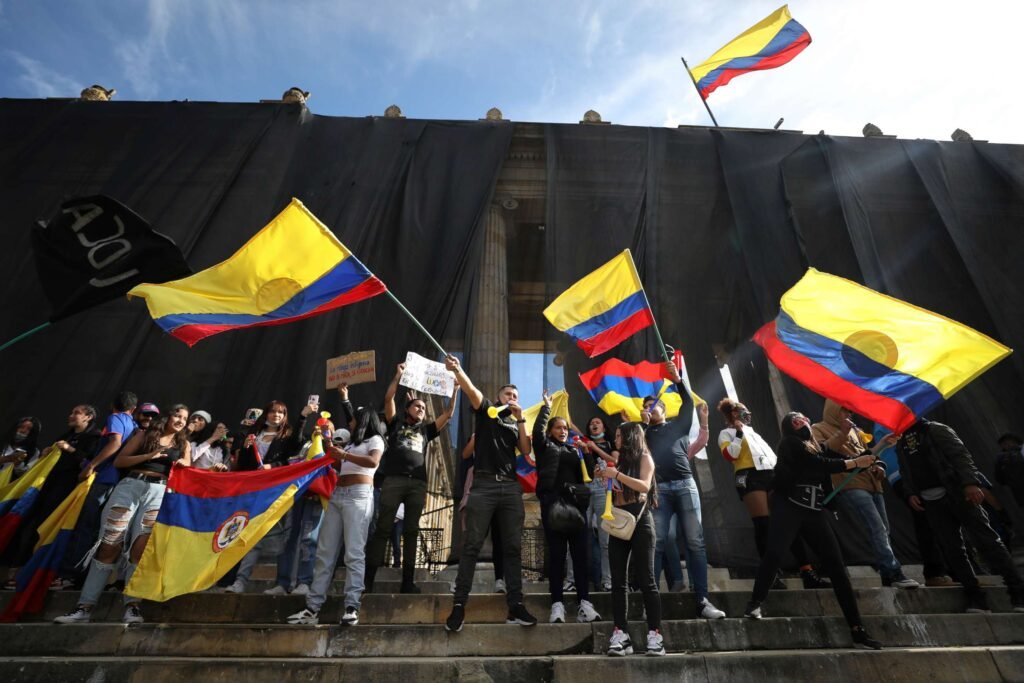
The ongoing standoff is not merely a clash between individual politicians or political factions. It is a class struggle of historic proportions. On one side stands the Colombian working class and peasantry, which propelled Petro into office with the largest popular mandate in the nation’s history. On the other side are entrenched elites—both foreign and domestic—determined to derail any effort at structural reform.
The struggle over labor reform, for instance, demonstrated the latent power of the masses. The mere threat of popular mobilization forced sections of the oligarchy to retreat, revealing their vulnerability in the face of organized class action.
The Necessary Response: Bold, Collective Action
To counter imperialist pressure and elite sabotage, the Colombian left must adopt a proactive strategy. Rather than retreat in the face of economic blackmail, the working class must escalate the struggle for sovereignty and social transformation. A concrete measure would be the expropriation of the more than 500 U.S.-owned enterprises operating in Colombia—placing them under democratic, worker-led control.
If U.S. corporations choose to withdraw investment or shutter production, it is the duty of workers to occupy and operate these facilities in the interests of the people. The defense of national dignity cannot be entrusted to institutions beholden to foreign capital. It must be waged by those who have the most to gain from genuine liberation: the Colombian working class.
Toward a Latin American Solidarity
This struggle, however, is not confined to Colombian borders. U.S. imperialism poses a threat to all peoples of Latin America. Acts of aggression against one progressive government are intended as warnings to all. It is therefore essential to frame the defense of Colombia’s sovereignty as part of a continental struggle for dignity, democracy, and socialism.
The emergence of movements and governments that challenge neoliberal orthodoxy across Latin America—from Bolivia to Honduras, from Chile to Venezuela—demonstrates a growing awareness that sovereignty is indivisible from social justice.
The Stakes Are Global
The implications of this struggle extend far beyond Colombia. A victorious defense of the Petro government would send shockwaves across the Global South, emboldening working-class movements in every corner of the world. It would also reverberate within the United States, offering American workers a stark reminder that their ruling class is not invincible, nor eternally capable of global domination.
At stake is not merely the future of one country, but the viability of an alternative path—one where the priorities of capital no longer dictate the fates of nations.