

Cameroon’s Stolen Future: How a Colonial Legacy of Fraud and Repression Endures in the Biya Era
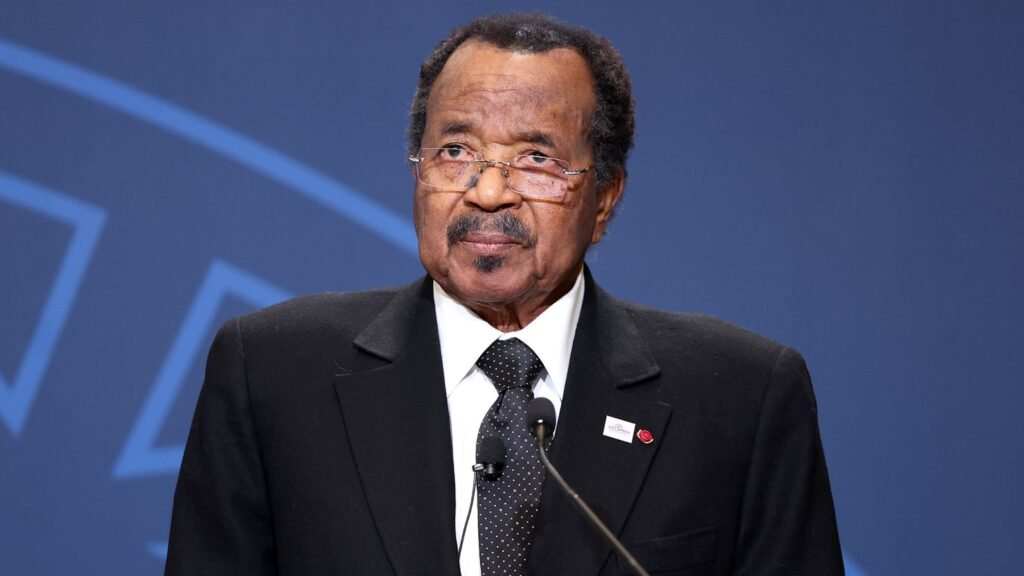
For more than four decades, Cameroon has remained shackled to a political regime defined by authoritarianism, gerontocracy, and deep-rooted corruption. President Paul Biya—now in his ninety-second year—has once again extended his tenure, winning a highly contested eighth term in the October 12, 2025, election. Official figures claimed Biya secured 53.7% of the vote, while his principal challenger, Issa Tchiroma Bakary, reportedly received 35.2%. Yet few within Cameroon or abroad accept these numbers at face value.
An Election Marred by Fraud and Violence
Allegations of systemic electoral fraud erupted immediately. Bakary, a former regime insider turned opposition figure, declared the election illegitimate, citing widespread irregularities during both voting and counting processes. Videos emerged showing electoral officials associated with the national commission Elecam engaging in manipulations of ballots and rolls. Accusations of ballot-stuffing, falsified counts, and voter intimidation gained traction, particularly in Bakary’s northern stronghold and in the western regions, where his call for street mobilization was widely heeded.
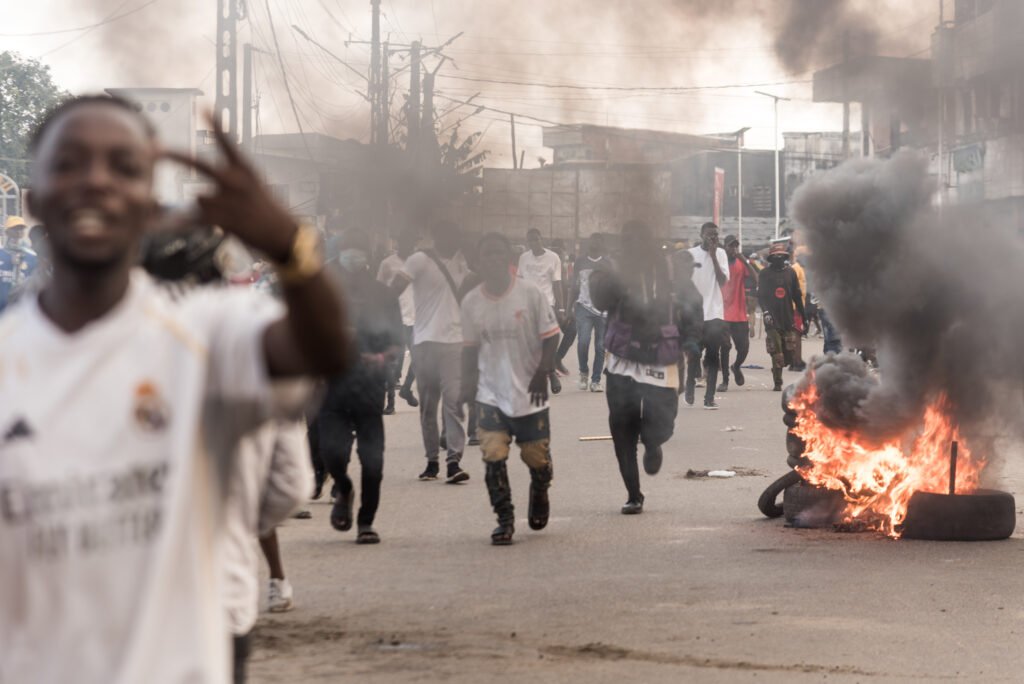
Protests—some peaceful, others not—swept across several cities. In Douala, the nation’s economic hub and a long-time opposition bastion, clashes between demonstrators and security forces resulted in at least four deaths on October 26. Across the country, dozens of lives have been lost, and hundreds have been detained as the regime has moved swiftly to quell dissent. According to United Nations sources, at least 48 people were killed in the violent suppression of post-election protests.
Cameroon’s authorities have since accused Bakary of attempting to destabilize the nation. Reports indicate that he fled to neighboring Nigeria to avoid arrest, and Cameroonian officials are now seeking his extradition. Social media, meanwhile, has unearthed and circulated old videos of Bakary once praising Biya—revealing the deeply entangled and shifting loyalties of Cameroon’s political class.
A Political Actor Reborn
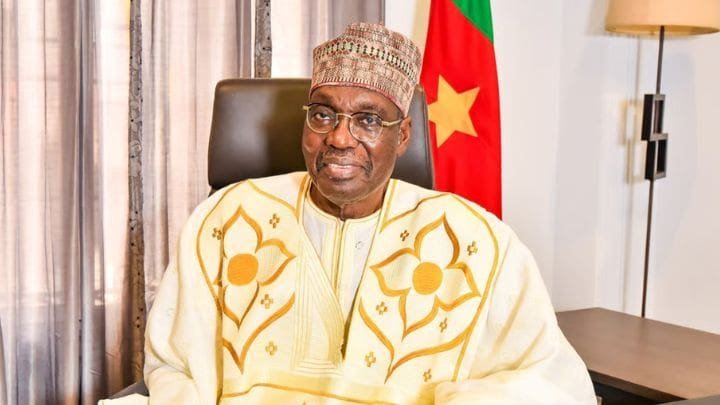
Bakary’s transformation from loyal regime mouthpiece to opposition figure has shocked many. Formerly known for his sycophantic defense of Biya’s policies during his time as communications and employment minister, Bakary resigned from government in June 2025 to launch an insurgent presidential bid. With leading opposition figure Maurice Kamto disqualified from running, Bakary emerged as a reluctant symbol of change for a populace desperate to unseat the ruling elite.
Despite his controversial past, Bakary managed to galvanize a significant portion of the electorate. His appeal lay less in his personal credibility and more in his symbolic role as a vessel for anti-Biya sentiment.
Nevertheless, the institutional architecture of Cameroon’s electoral process—designed to insulate incumbents from true democratic challenge—proved impervious even to this wave of discontent.
Fraud Rooted in Colonial Practice
Cameroon’s electoral troubles are not a recent development; they are deeply embedded in its colonial past. French colonial administrators, keen to maintain control while projecting a façade of democratization, introduced electoral processes tightly bound by manipulation and repression. Voting rights were initially restricted to a narrow elite, while rigged ballots, intimidation, and violence ensured outcomes favorable to French interests.
This colonial model was perfected over time. In the 1950s, France targeted the Union of the Peoples of Cameroon (UPC)—a leftist, pro-independence party—with violent suppression. Thousands of its members were killed, including its revered leader Ruben Um Nyobè. Banned from participating in the first universal suffrage elections in 1956, the UPC’s exclusion ensured a managed transition to independence, led by France’s handpicked successor, Ahmadou Ahidjo.
Even after nominal independence in 1960, France maintained de facto control through a series of “cooperation agreements.” These arrangements covered everything from currency and education to foreign policy and natural resources. With France’s backing, Ahidjo ruled with an iron fist, replicating colonial patterns of election manipulation and authoritarian governance.
Paul Biya: Colonial Heir in Postcolonial Garb
Paul Biya, Ahidjo’s chosen successor, assumed power in 1982. Groomed in French institutions and deeply embedded in colonial administrative culture, Biya initially promised liberal reform. However, an attempted coup in 1984 changed his trajectory. Fearing internal dissent, he entrenched his power through a network of patronage, repression, and division.
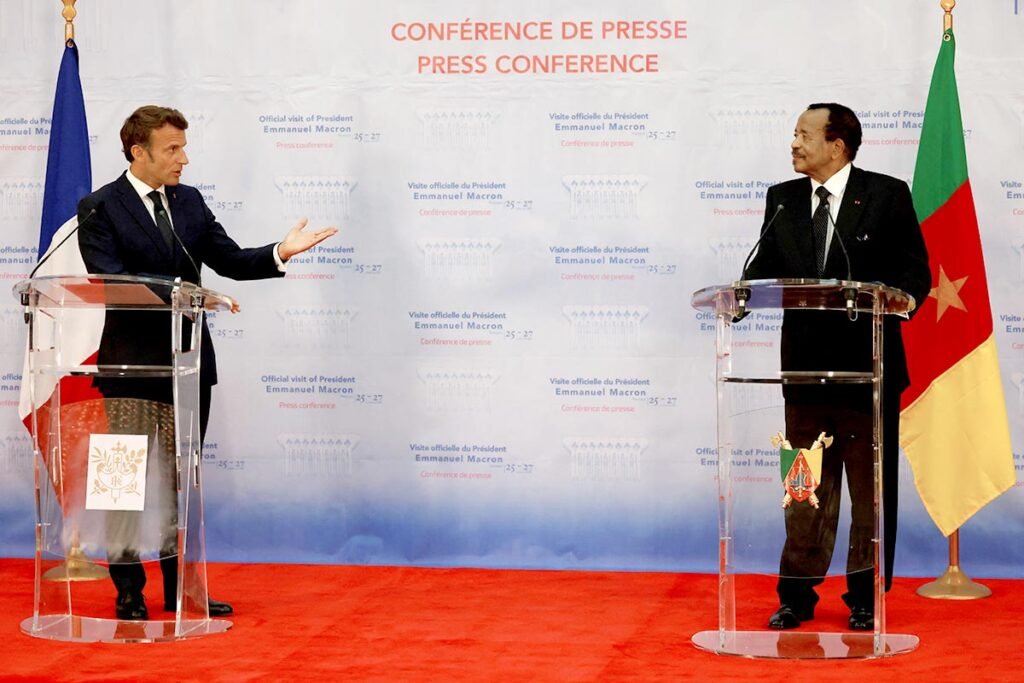
Though multiparty elections were reinstated in 1990, the ruling Cameroon People’s Democratic Movement (RDPC) retained near-total control. Electoral institutions remain in the pocket of the ruling party, opposition voices are marginalized, and civil liberties are systematically suppressed. In a striking example, former presidential hopefuls within Biya’s own party who were perceived as potential challengers have frequently ended up behind bars—ostensibly on corruption charges, but transparently as a warning to others.
Despite his advanced age, Biya has engineered a system that prioritizes loyalty over competence. High-level positions are occupied by men well into their eighties and nineties, while Cameroon’s youthful majority—more than 40% of the population is under fifteen—suffers from high unemployment, poor infrastructure, and crumbling public services.
France’s Complicity and Shifting Influence
Throughout the Biya era, France has remained a quiet but powerful actor. Though diplomatic tensions flared after the 1984 coup attempt—amid suspicions that Paris may have supported it—France has consistently prioritized its strategic and economic interests over democratic norms. Successive French governments have viewed stability in Yaoundé as a pillar of their influence in Central Africa.
In 1992, France reportedly backed Biya in a fraudulent election against John Fru Ndi, fearing the latter’s ties to the United States. Even as Biya consolidated power through repression, France provided diplomatic cover. Though France’s grip has weakened—China is now Cameroon’s largest trading partner—the legacy of “Françafrique” endures in the opaque networks connecting French businesses to Cameroonian elites.
A Gerontocracy Clashing with a Young, Restless Population
Today’s Cameroon is marked by a yawning generational divide. The country is run by a political class decades older than its population, whose economic and social prospects continue to deteriorate. Despite abundant natural resources, nearly 40% of Cameroonians live in poverty. Public education is in crisis, healthcare is underfunded, and roads are often impassable.
Security challenges have further destabilized the country. The northern regions face continued attacks from Boko Haram, while separatist insurgencies in the English-speaking regions have led to thousands of deaths and hundreds of thousands displaced.

Under these dire conditions, elections serve less as mechanisms of democratic choice and more as rituals legitimizing entrenched power. The political order birthed by colonialism has proven devastatingly resilient, adapting itself through local elites who maintain control through repression, clientelism, and fraud.
Breaking the Cycle
Cameroon’s political system is a relic—refurbished but unchanged—from its colonial origins. The recent election only reinforced the enduring nature of this system: one that favors continuity, represses dissent, and places the needs of an elite few above those of the broader population.
Real change in Cameroon cannot come from reshuffling the same deck of political actors. It will require a break with the logic of patronage, the dismantling of authoritarian institutions, and the rise of a political generation aligned with the people’s needs and aspirations.
Until then, Cameroon’s democracy will remain democracy in name only—haunted by its colonial past and betrayed by its postcolonial present.