

A Temporary Pause, Not a Real Peace
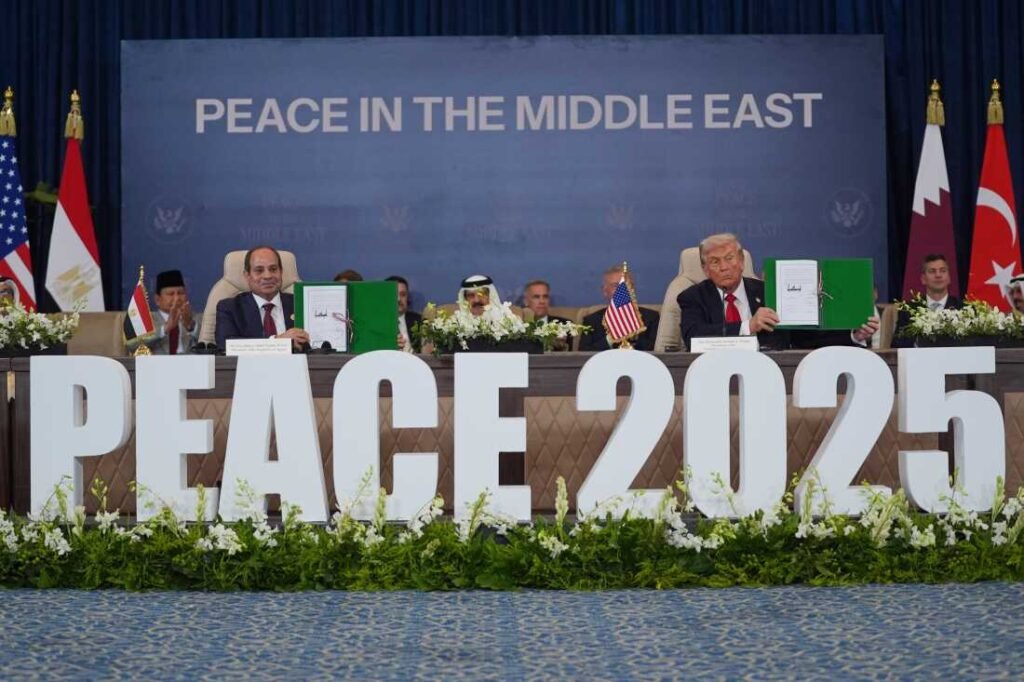
The recent announcement of a ceasefire between Israel and Hamas, brokered in Egypt and celebrated by both sides, has been met with cautious optimism. Trump’s declaration of a “peace agreement” has momentarily halted the violence that has devastated Gaza. However, beneath the surface of celebration lies a grim reality. This agreement, hailed as the first step in Trump’s so-called “20-point peace plan,” does not promise real or lasting peace, but merely a temporary pause in bloodshed.
While the ceasefire provides a sliver of relief—Israeli hostages and Palestinian prisoners are to be exchanged, and aid convoys are expected to enter Gaza—these concessions could have been made months ago. Hamas had agreed to such terms since October 2023. Their delay has only exposed the complicity of the Biden administration, European powers, and Trump himself, all of whom continued to support Israel’s aggressive campaign until the war threatened to destabilize the broader region.
A Strategic Defeat for Netanyahu
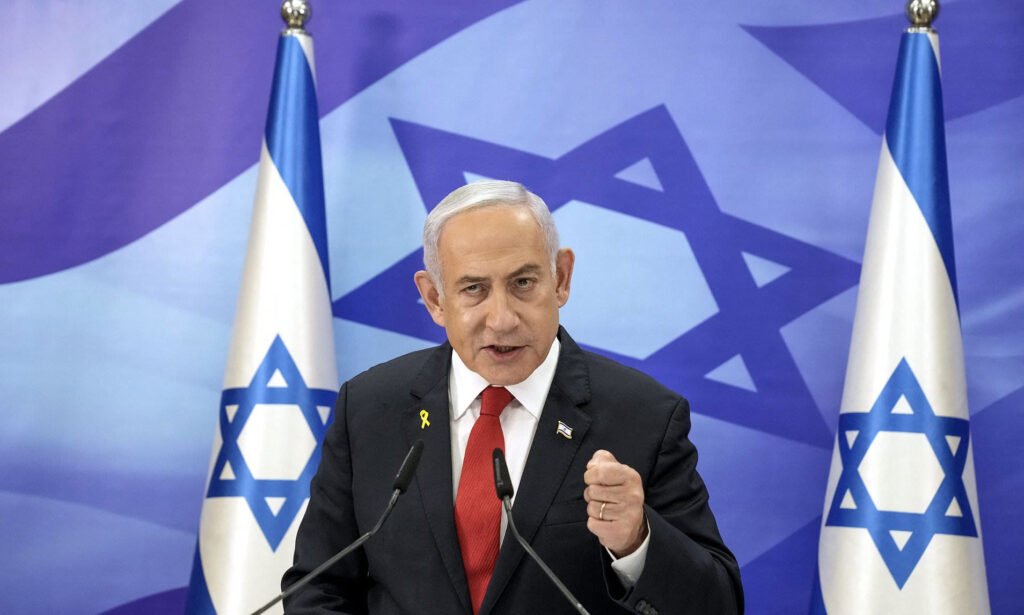
Far from a triumph for Israeli Prime Minister Benjamin Netanyahu, the ceasefire reflects a significant political setback. Despite efforts to present the deal as a victory, it is clear that Netanyahu was forced into this agreement—not only by Trump’s pressure but also by shifting public opinion in Israel. His government’s goal of ethnically cleansing and permanently occupying Gaza has been openly undermined.
Though Netanyahu may still hope to resume hostilities by using Hamas’s potential refusal to disarm as a pretext, this agreement marks a retreat. It represents a partial unraveling of his political survival strategy, which had relied on perpetuating the war.
Imperialist Calculations and Regional Fallout
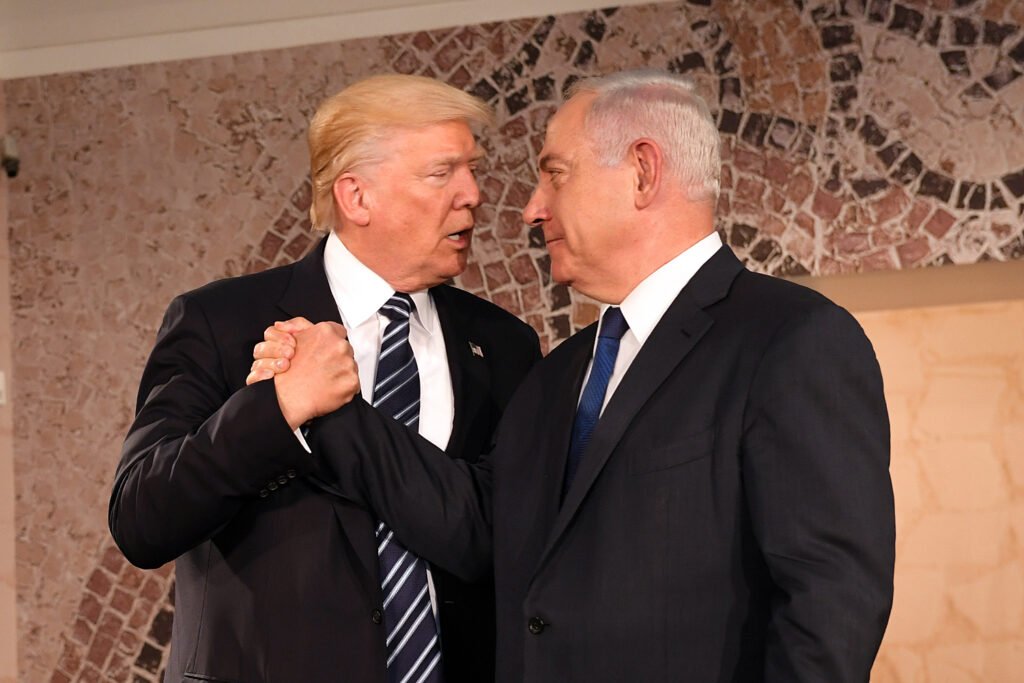
Why was this ceasefire possible now, and not earlier? The answer lies in the mounting costs for global imperialism. Continued Israeli aggression risked severing US ties with key regional allies. The bombing of Hamas negotiators in Qatar, for instance, shocked even the reactionary Gulf states, raising doubts about America’s reliability as a partner. Trump was forced to intervene—not out of humanitarian concern, but to preserve American imperialist influence and contain the growing frustration across the Arab world and within the West itself.
Europe, too, faced political strain. The war in Gaza sparked widespread social unrest, culminating in a general strike in Italy. These domestic tensions, coupled with Israel’s international isolation, made continued support for its campaign unsustainable.
Trump’s “Peace” Plan: A Blueprint for Occupation
Despite the fanfare, the plan advanced by Trump offers no viable future for Palestinians. Under this scheme, Gaza would be placed under the control of a so-called “trusteeship” involving Trump himself and Tony Blair—a man associated with the catastrophic Iraq War. Israeli troops would be replaced, eventually, by soldiers from Arab and Muslim states, turning Gaza into a militarized zone patrolled by foreign powers serving imperialist interests.
Reconstruction is promised but undefined. Gaza, already devastated, faces a future of indefinite foreign occupation and economic dependency. The West Bank would remain under Zionist control, with annexation accelerating. Palestinian self-determination is nowhere in sight.
Gaza in Ruins: A Manufactured Wasteland
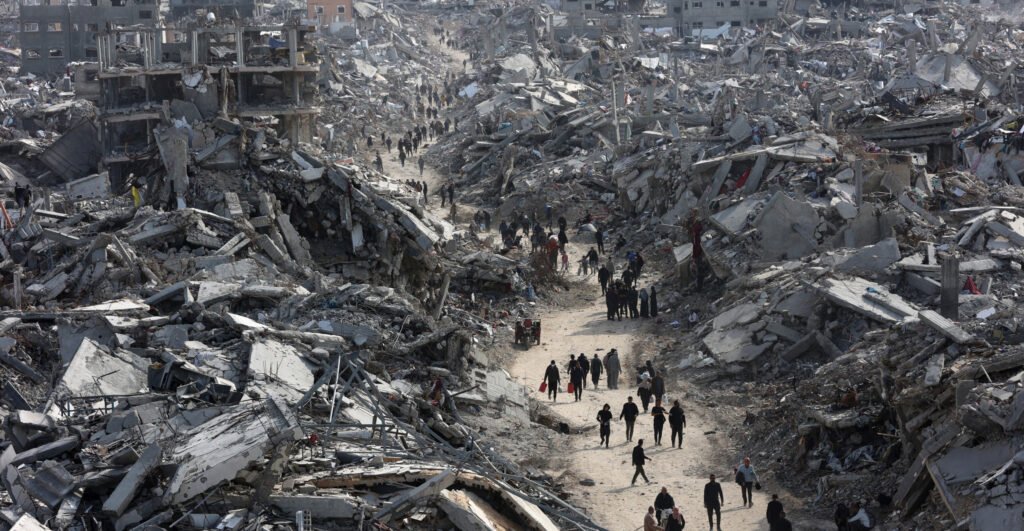
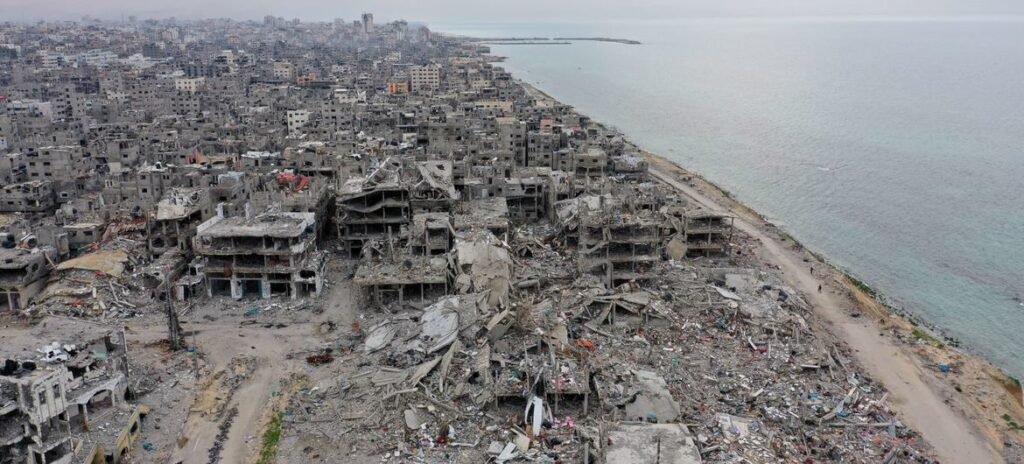
The current state of Gaza is catastrophic. Nearly 80 percent of its buildings are damaged, with over half obliterated. Schools, hospitals, and universities have been wiped out. Agricultural infrastructure is gone, leaving residents reliant on foreign aid. Tents along the coast and in central Gaza now shelter the displaced, with little access to clean water or basic sanitation.
Unexploded ordnance litters the territory. Gaza has become a landscape of ruin, rendering it nearly uninhabitable. And yet, no meaningful plan for reconstruction has been proposed. Instead, Gaza is being pushed toward becoming a permanent refugee encampment—one governed externally and deprived of autonomy.
Resistance Will Not Vanish
Even if Hamas were to disarm—a highly unlikely scenario—resistance would not disappear. Hamas itself emerged from the desperation and oppression that followed the Oslo Accords. Given the even more dire conditions today, new resistance movements are all but inevitable. Gaza’s despair is not just a humanitarian crisis; it is political dynamite.
The Israeli state’s expansionist goals remain unchanged. Historically, its tactic has been to occupy aggressively, negotiate under pressure, and later violate agreements when conditions shift in its favor. The so-called “peace” of today echoes the deceptive calm of the Oslo era—a pause before further displacement, conflict, and colonization.
Zionism and Imperialism: Root Causes of War
This temporary ceasefire, like previous agreements, offers only the illusion of peace. It will likely prove more repressive than the conditions before 7 October 2023. Peace under imperialist terms is merely a lull before the next war. Gaza’s destruction, far from being accidental, was methodical and politically motivated—designed to weaken the Palestinian cause and reinforce Israeli dominance.
But the war has also disrupted Israeli society itself. Prior to 7 October, Netanyahu’s government was deeply divided and unpopular. The war briefly united factions, but its conclusion has rekindled internal tensions. Public confidence in the Zionist leadership’s ability to ensure security has been eroded.
Should Trump’s plan proceed, foreign troops will suppress resistance on Israel’s behalf. This will stoke tensions within the contributing countries—particularly Egypt, Turkey, and Saudi Arabia—where solidarity with Palestine remains strong. These governments may find themselves policing Palestinians to appease Israel, deepening internal contradictions.
Global Implications and a New Political Awakening
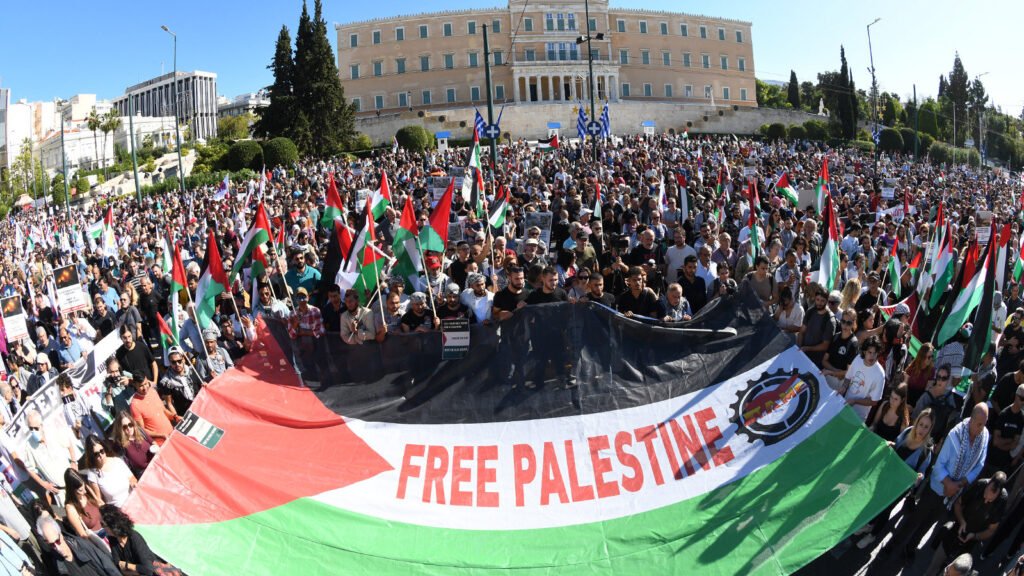
The impact of this war has resonated far beyond the Middle East. Across the globe, it has energized mass solidarity with Palestine, particularly among workers and youth. In Europe, dockworkers blocking arms shipments to Israel and general strikes in Italy have demonstrated that the working class can intervene meaningfully in international crises.
These developments mark a turning point. For many, Gaza has become symbolic of broader struggles—against imperialism, militarization, and inequality. The connection between foreign wars and domestic austerity is clearer than ever. If there is any hope in this moment, it lies in the political awakening this war has triggered. The fight against Zionism and imperialism must now be understood not only as solidarity with the oppressed abroad but as a call to action at home. It is a demand to dismantle the capitalist systems that perpetuate war, inequality, and oppression—systems upheld by our own ruling classes.
Toward a Just and Lasting Peace
True peace cannot be imposed by imperial powers or through trusteeships led by war criminals. It cannot emerge from agreements designed to protect colonial interests. A just and lasting peace will only arise when the Palestinian people have genuine self-determination, and when imperialism is uprooted.
Until then, no ceasefire—however welcomed—will resolve the underlying crisis. The struggle must continue, not only to liberate Gaza but to build a Middle East free of foreign domination, sectarian violence, and capitalist exploitation. Only a Socialist Federation of the Middle East, based on equality and solidarity, offers a real alternative to the endless cycle of war.