
China’s Rise and the Contradictions of Its Capitalist Transformation
Over the past few decades, China has emerged as a formidable force on the global economic stage. From its former status as an underdeveloped, largely agrarian society, the country has transformed into the world’s largest manufacturing hub and a global leader in technological innovation. This ascent has reshaped international power dynamics, positioning China in direct competition with the United States. However, behind this remarkable rise lies a complex interplay of state control, capitalist dynamics, and growing internal contradictions that threaten to undermine the very foundations of China’s economic success.
Economic Ascent in a Stagnant World
While much of the global economy remains stagnant, China has maintained a steady growth rate of around five percent—significantly higher than that of the United States and far outpacing the European Union. As other advanced capitalist nations struggle with deindustrialization and financial speculation, China has preserved a robust manufacturing sector. It now produces roughly 30% of global manufactured goods, outpacing the combined output of the United States, Germany, Japan, and South Korea.
China is no longer simply a low-cost production site. It dominates high-tech industries, including electronics, robotics, chemicals, and automotive manufacturing. The label “Made in China” now represents not only mass-produced goods but also cutting-edge innovation. Its rise in the research and development sphere is similarly striking, with Chinese institutions leading the world in patents, particularly in AI, robotics, and biotechnology.
The Strategic Role of the Chinese State
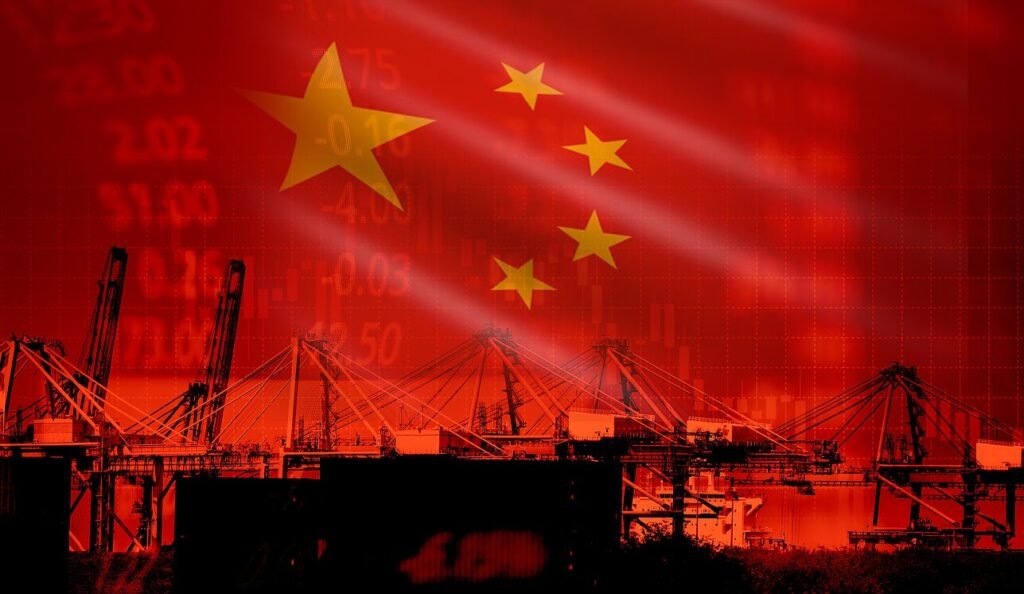
Much of this progress can be attributed to the Chinese state’s ability to direct economic activity. Unlike Western capitalist economies, where capital accumulation is largely autonomous and politically influential, China’s ruling Communist Party exercises firm control over key economic levers. State-owned enterprises (SOEs) dominate strategic sectors, and the central bank and major commercial banks remain under state control, allowing monetary and fiscal policies to serve national development goals rather than private profit.
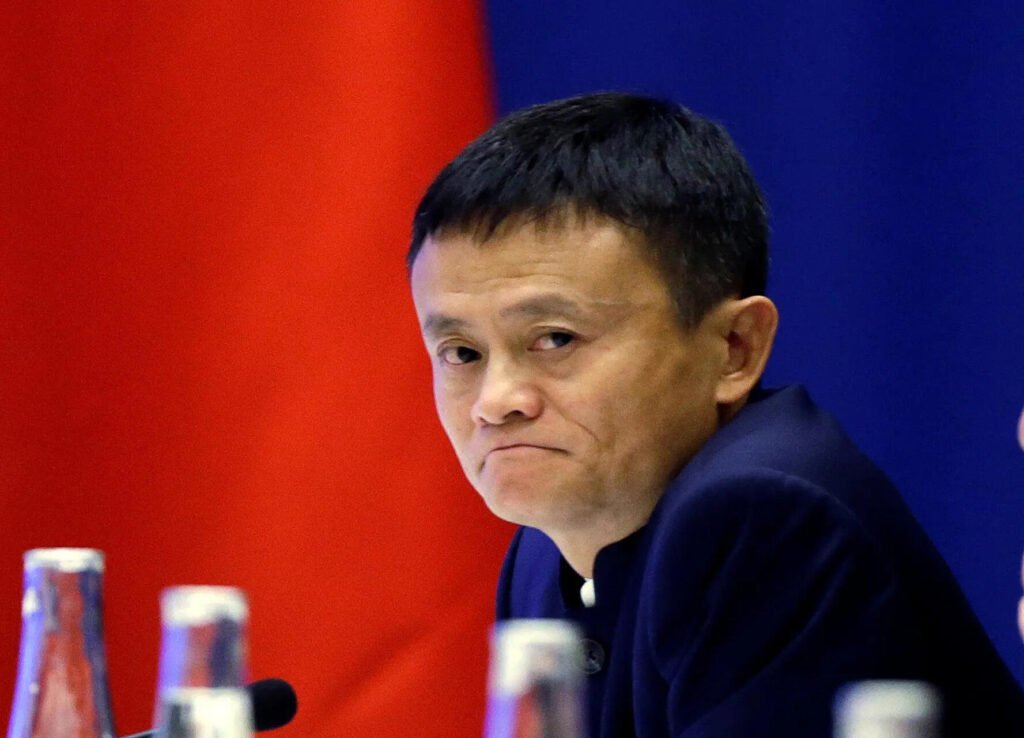
Private capital is tolerated, but only to the extent that it aligns with the Party’s broader agenda. When tech magnate Jack Ma challenged financial regulations and the authority of the state, his Ant Group IPO was abruptly halted, and Ma himself was sidelined. This incident was emblematic of the Chinese government’s willingness to discipline the capitalist class in order to maintain systemic stability and Party supremacy.
Rather than allowing unchecked financial speculation, the state channels investment toward strategic sectors like semiconductors, renewable energy, and artificial intelligence. The Chinese government has also enforced crackdowns on cryptocurrency, curtailed monopolistic practices, and instituted regulations to curb financial risk—actions that reflect a model of “managed capitalism,” where market forces operate within the boundaries set by the Party-state.
The Privilege of Late Development
China’s ability to leapfrog stages of capitalist development owes much to what Trotsky once termed the “privilege of historical backwardness.” As a latecomer to global capitalism, China was able to adopt advanced technologies and production methods without the burdens of legacy infrastructure. Shenzhen’s transformation from a fishing village into a tech metropolis in just four decades exemplifies this phenomenon.
The state has exploited this advantage through policies that prioritize technological self-sufficiency. China’s space program, its high-speed rail network, and its advancements in telecommunications have all benefited from this accelerated development model. Even in sectors where Western sanctions attempt to hinder Chinese progress, such as in semiconductors, the government has responded with increased investment and innovation, gradually narrowing the technological gap.
Bonapartism and Political Control
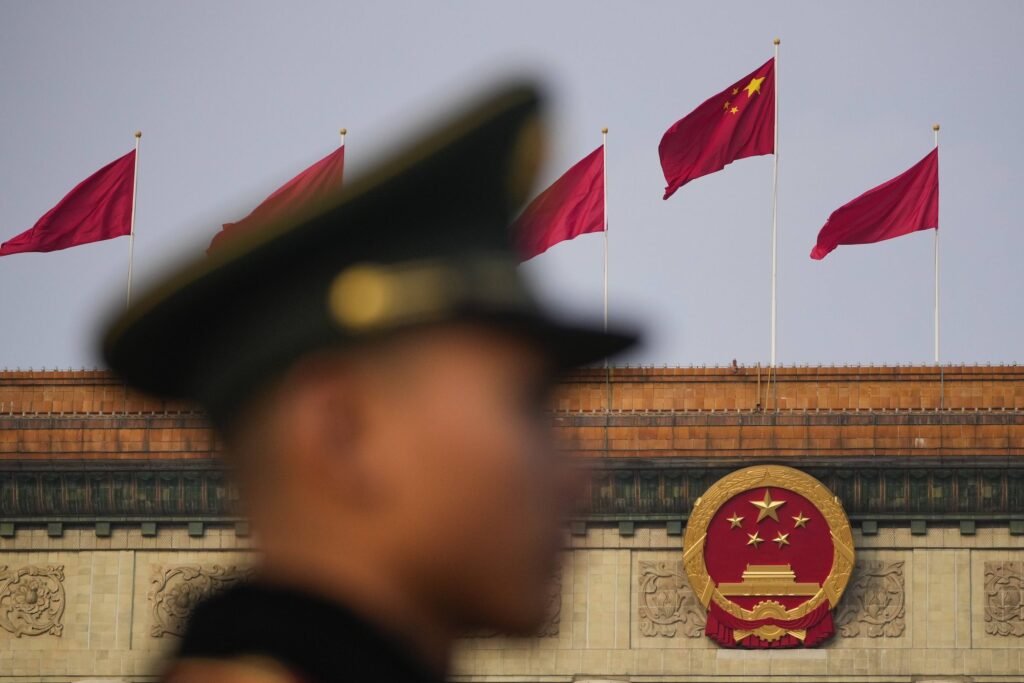
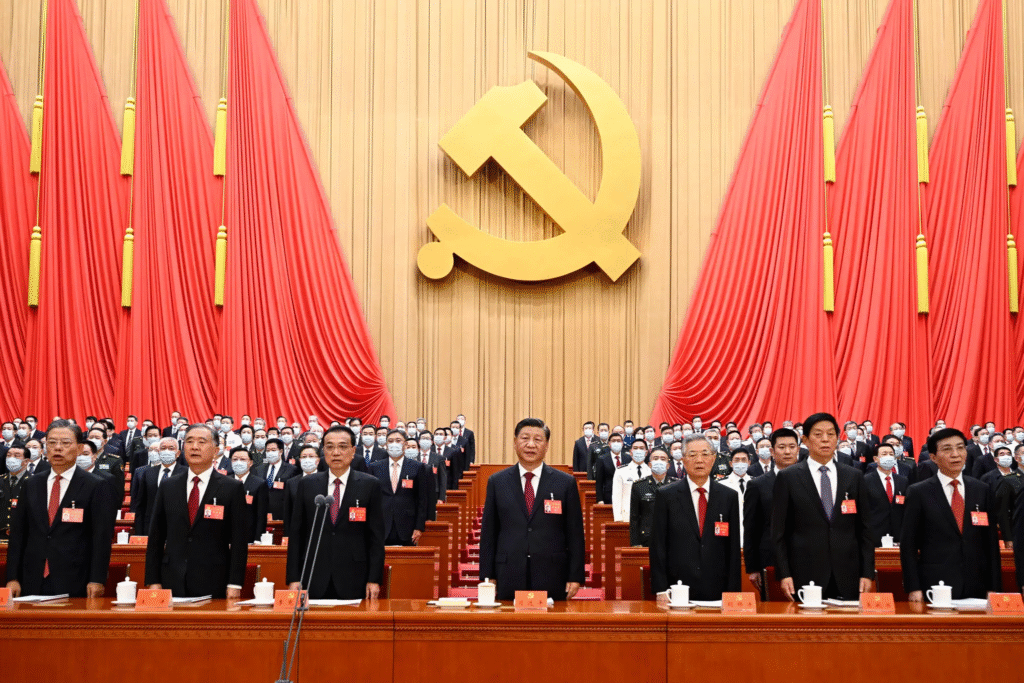
Despite China’s capitalist evolution, political power remains firmly entrenched in a single-party dictatorship. The Chinese Communist Party (CCP) exercises authoritarian control over civil society, suppressing dissent, censoring the internet, and maintaining tight surveillance over public and private life. Workers are prohibited from organizing independent trade unions, and any grassroots labor movements are swiftly repressed.
However, the state’s dominance is not directed solely at the working class. It also restrains the capitalists, compelling them to comply with national objectives. In Marxist terms, this form of governance reflects a Bonapartist state—where the government mediates between classes, rising above them to maintain social order and the interests of capital as a whole.
Yet this balancing act is fraught with contradictions. The state must simultaneously encourage private enterprise and curb its excesses; it must foster innovation while suppressing freedoms that often drive creativity. This dual role is increasingly difficult to maintain as the complexity of the economy grows.
Contradictions of the Market System
Despite the CCP’s tight grip on economic planning, the reality remains that China operates within a capitalist framework. State-owned and private enterprises alike are driven by the pursuit of profit, not social need. The result is an economy vulnerable to the same boom-and-bust cycles that plague other capitalist systems.
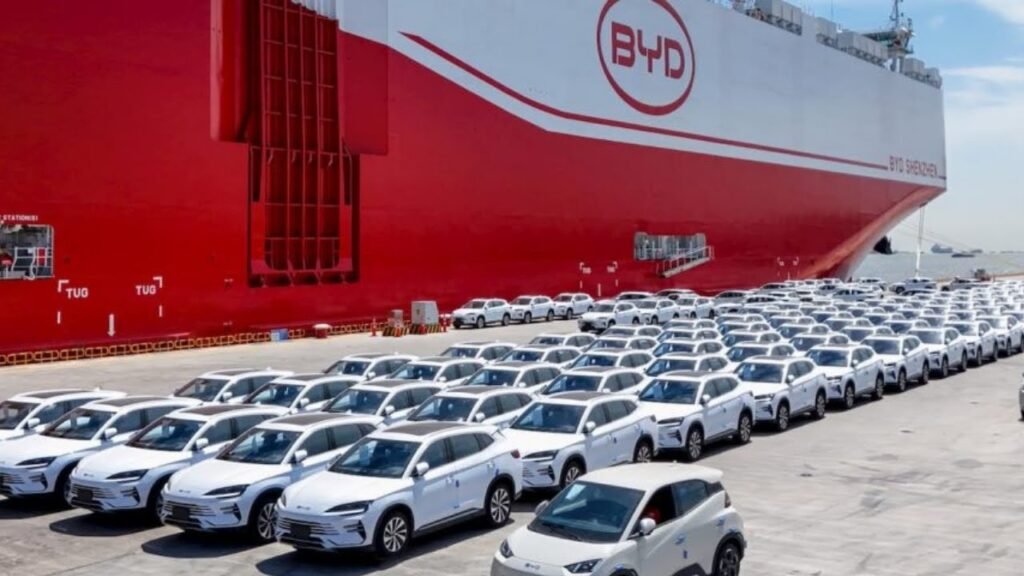
The most glaring manifestation of this contradiction is overproduction. For instance, the electric vehicle (EV) industry, heavily subsidized and promoted by the state, now faces severe overcapacity. Manufacturers are locked in destructive price wars, slashing margins and pushing the weakest players toward insolvency. Similar dynamics have emerged in the solar panel and steel industries, where output has exceeded demand, leading to falling prices and declining profits.
Rather than redirecting these productive forces toward unmet social needs, such as affordable housing or rural infrastructure, the state must allow inefficient firms to collapse or consolidate. This reliance on market mechanisms limits the effectiveness of state planning and highlights the structural constraints imposed by capitalism.
Mounting Social Tensions
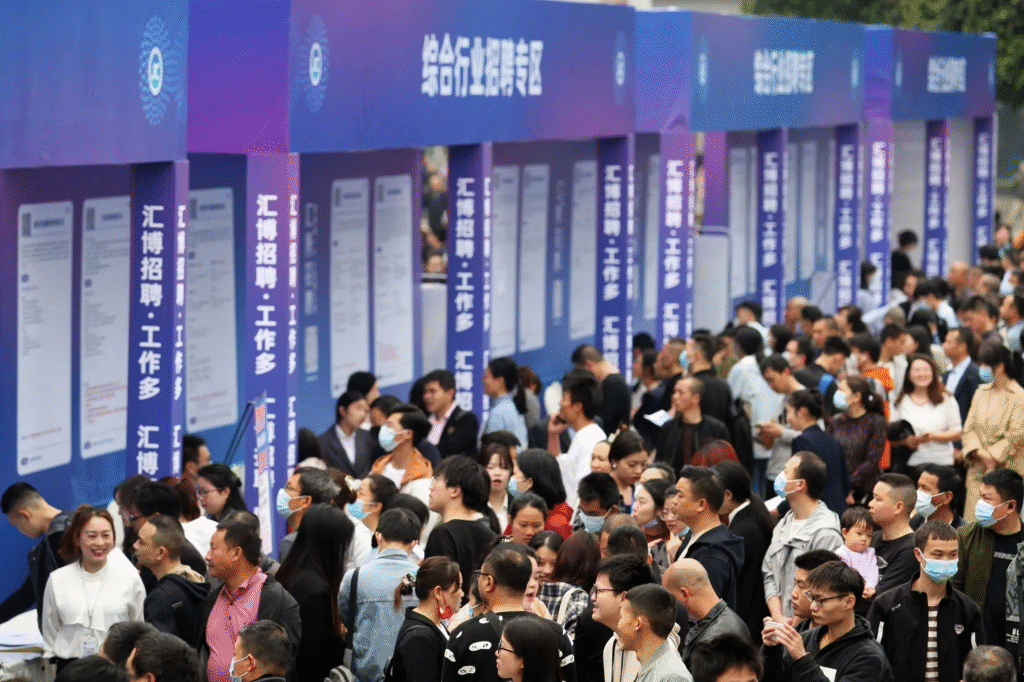
China’s economic growth has delivered rising living standards for many, particularly in urban areas. However, inequalities remain stark, and social pressures are mounting. Youth unemployment has reached troubling levels, and the rising cost of living strains the working class. Social programs are underfunded, and the state has begun to implement austerity measures such as raising the retirement age and cutting back on benefits.
Public discontent occasionally erupts into protests, as seen in recent demonstrations against police brutality, environmental degradation, and bureaucratic negligence. Though often localized and quickly suppressed, these incidents reveal underlying tensions in Chinese society. As economic growth slows and inequality persists, such unrest is likely to increase.
China’s Global Challenge and Limits
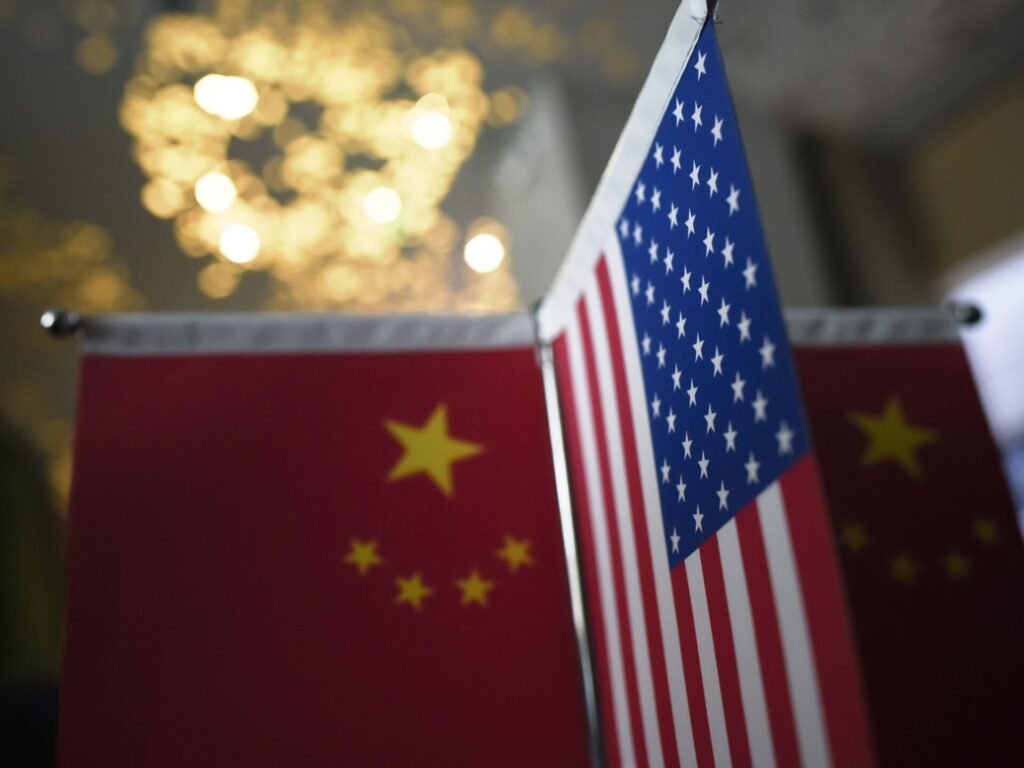
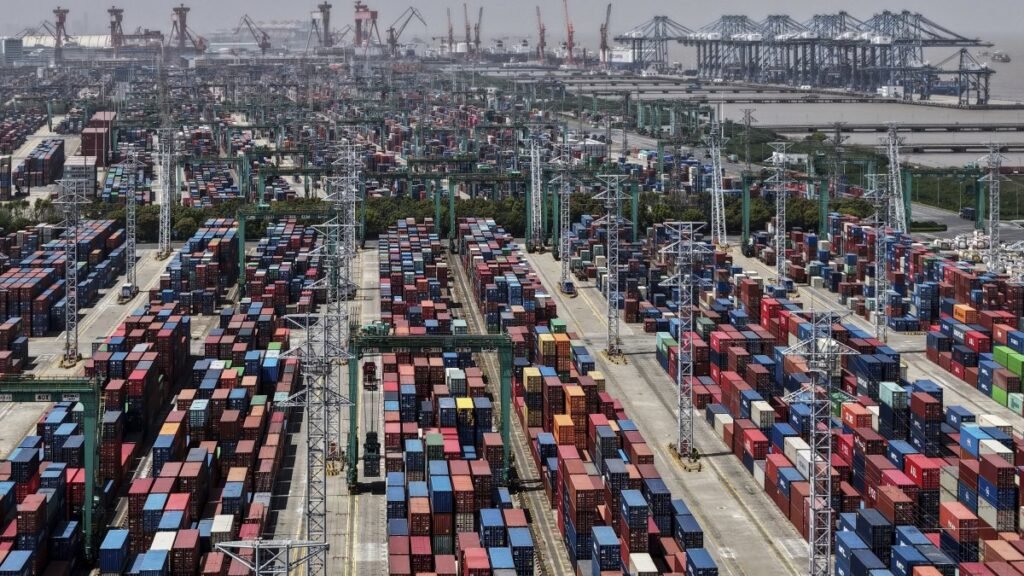
China’s international rise poses a serious challenge to U.S. imperial hegemony. Through massive infrastructure investments under the Belt and Road Initiative and expanding trade partnerships, China has cultivated influence across Asia, Africa, and Latin America. However, it is not offering a fundamentally different model of development—only a more efficient and state-directed version of capitalism.
At home, the contradictions are deepening. Despite all its efforts at state-led planning, China cannot escape the laws of capitalism. Overproduction, declining profit rates, and social unrest are all symptoms of these contradictions. The state may delay or manage crises better than its Western counterparts, but it cannot eliminate them.
A Rising Power with Fragile Foundations
China’s transformation from a backward country into a leading industrial and technological power is nothing short of historic. Yet this rise has occurred within the framework of capitalism, albeit one heavily regulated by an authoritarian state. The Chinese Communist Party, while asserting control over capital, suppresses workers and upholds a system driven by profit rather than human need.
As economic contradictions deepen and social tensions rise, the stability of the current system will be increasingly tested. China’s future depends not just on its ability to innovate and produce but also on whether its working class can assert its interests in the face of both bureaucratic repression and capitalist exploitation.
In the end, the fate of China—as with the rest of the world—will be shaped not merely by technological prowess or economic planning, but by the struggle between labor and capital, and by the possibility of transcending capitalism itself.