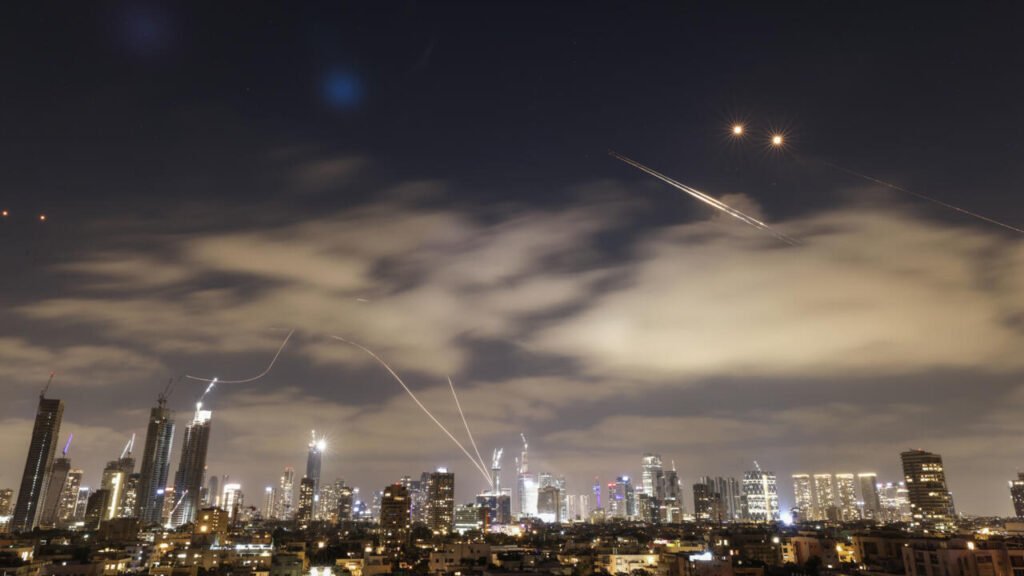

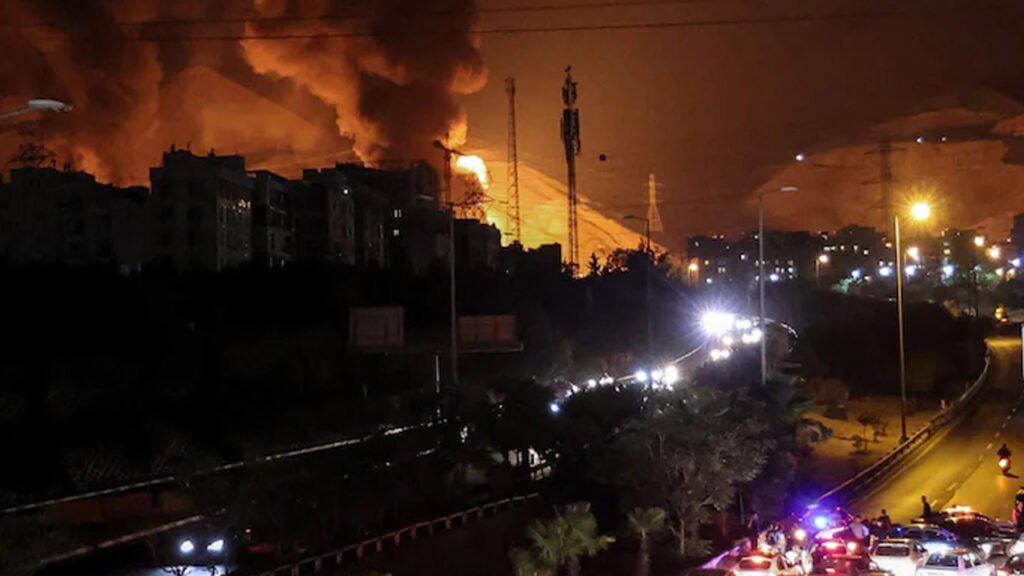
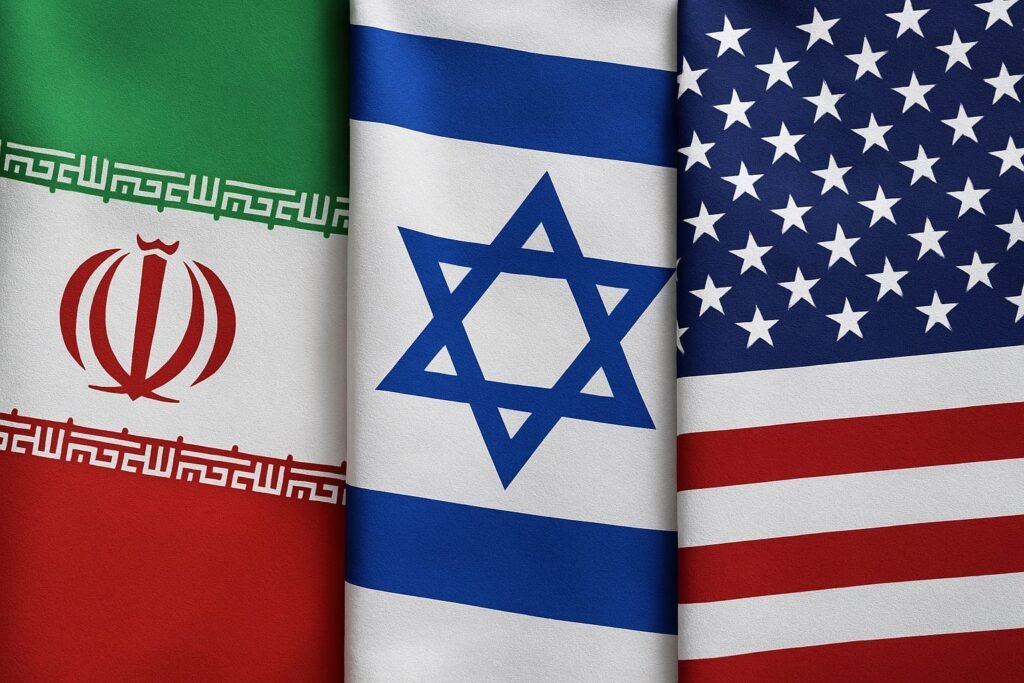
In the early hours of June 13, the Israeli government launched a wide-scale and unprovoked assault on Iran — a brazen act of aggression that marked not only a dramatic escalation in the region’s tensions but the possible beginning of a catastrophic war. Dubbed “Operation Rising Lion,” Israel’s strikes targeted Iranian nuclear facilities, assassinated high-ranking scientists and military commanders, and killed dozens of civilians. Though formally framed as a preemptive measure to halt Iran’s nuclear ambitions, this act was neither surgical nor restrained; it was the deliberate lighting of a geopolitical fuse.
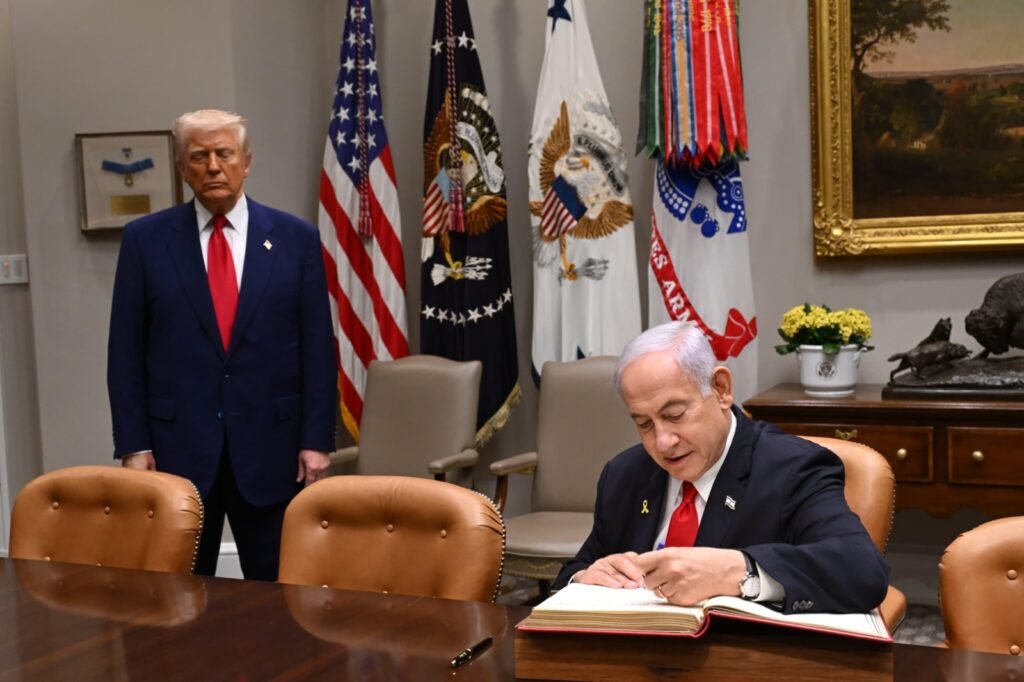
Behind this unfolding crisis stands Israeli Prime Minister Benjamin Netanyahu, a political survivor clinging to power through militarism and manipulation. For decades, Netanyahu has agitated for war with Iran, weaponizing the myth of an imminent nuclear threat as a justification for perpetual aggression. Now, he appears closer than ever to realizing that long-held ambition — not through Israeli strength alone, but through the complicity and strategic partnership of the United States, specifically under the presidency of Donald Trump.
A Manufactured War and the Spectacle of “Self-Defense”
The attack on Iran is being sold — by Israeli officials and their Western apologists — as a defensive action. Yet the facts defy this narrative. Iran, whose nuclear program had long been contained under international agreements, was in the midst of indirect negotiations with the United States to resume a version of the 2015 nuclear deal. Even U.S. intelligence assessments had not shifted from their long-standing conclusion: Iran was not actively pursuing a nuclear weapon.
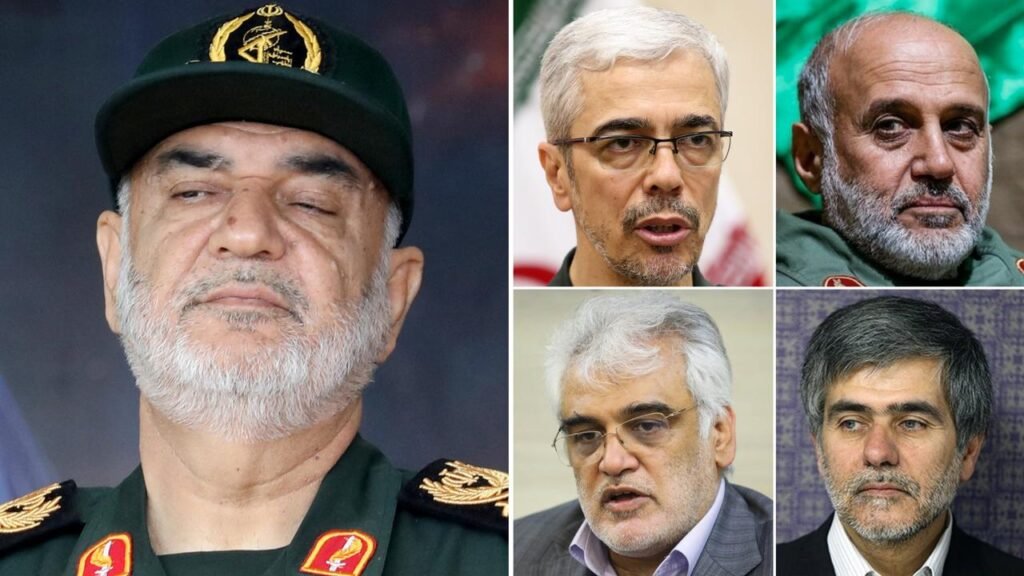
Nevertheless, Netanyahu proceeded with an unprecedented assault, hitting nuclear facilities in Natanz, Qom, and Keraj, and killing leading Iranian figures including generals Mohammad Bagheri, Hossein Salami, and Gholam Ali Rashid. Notably, among the casualties was the Iranian diplomat leading negotiations with Washington. This was no precision deterrence mission. It was a strategic provocation designed to sabotage diplomacy and ignite a wider conflict.
Were the roles reversed — were Iran to assassinate American generals and bomb U.S. cities in a bid to prevent possible future aggression — it would rightly be regarded as an act of war. But Israel, with its blank check from Washington, is shielded from such judgments. The language of international law and moral responsibility is suspended when it comes to Israeli action, replaced instead by the euphemism of “self-defense.”
Trump’s Role: Enabler, Co-Conspirator, or Commander?
Although Trump’s White House initially attempted to distance itself from the Israeli strikes, these denials quickly collapsed under the weight of the president’s own words. Trump praised the attacks as “excellent,” confirmed that his administration had foreknowledge and coordination with Israel, and portrayed the assault as a form of pressure on Iran to reenter negotiations on U.S. terms. Despite Trump’s electoral rhetoric of “America First,” his actions reveal a presidency not merely supportive of Israeli militarism, but a full participant in shaping and enabling its execution.
This is not merely ideological alignment; it is material complicity. From military aid to intelligence sharing, the U.S. underwrites Israel’s military capabilities and shields it diplomatically on the world stage. The attempt by Trump administration officials like Secretary of State Marco Rubio to downplay U.S. involvement is contradicted by their continued promises of military resupply to Israel — an open endorsement of its escalatory trajectory.
A Regional Powder Keg Ignited
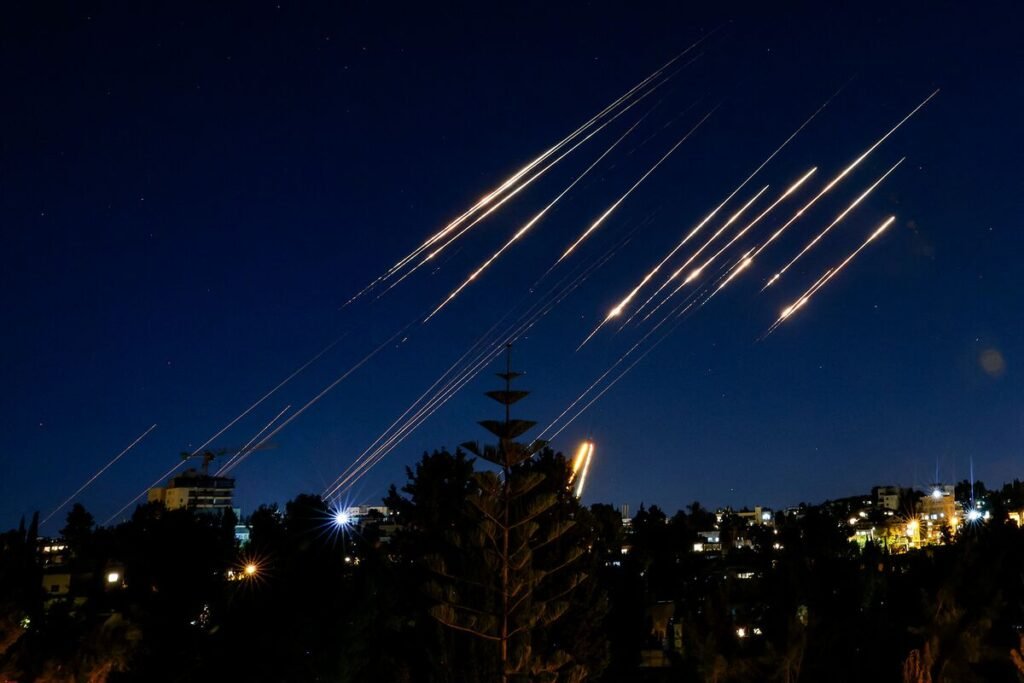
Iran has signaled that retaliation is imminent. The Islamic Republic’s capabilities were already demonstrated in October 2024, when over 300 missiles and drones struck Israeli targets in response to earlier provocations. Despite Iran’s desire to avoid all-out war, the scale of Israel’s June attack leaves it with few alternatives. For Netanyahu, this is by design. Forcing Iran into retaliation ensures the conflict’s expansion, justifying greater U.S. involvement.
Beyond Iran itself, regional actors like the Houthis in Yemen and pro-Iran militias in Iraq possess both motive and means to respond. Yemen’s Ansar Allah movement has already pledged further strikes on Israel and potentially on U.S. interests if Washington deepens its involvement. Meanwhile, Hezbollah — weakened but not eliminated after Israel’s October invasion of Lebanon — remains a latent force.
The regional stakes are vast. Should Iran move to close the Strait of Hormuz — through which 20 percent of global oil passes — or should Red Sea trade routes come under attack, the global economic consequences would be immediate and severe. Already, the U.S. Navy has deployed destroyers to the eastern Mediterranean, preparing for escalation.
Western Hypocrisy, Diplomatic Collapse
The response from Western governments has been not only disappointing, but morally bankrupt. European leaders like Emmanuel Macron have urged “de-escalation,” implicitly placing the onus on Iran, the nation under attack. Germany went further, condemning Iran’s defensive missile response while refusing to critique Israel’s initial assault. These reactions reveal the deep rot at the core of Western foreign policy — a worldview in which Israel’s aggression is rationalized, while the victims’ resistance is condemned. This unconditional support has emboldened Israel. The Netanyahu government now fights simultaneous wars — in Gaza, the West Bank, Syria, Lebanon, and now Iran — while pursuing expansionist policies in the occupied Golan Heights and beyond. No other state on Earth could carry out five wars at once without facing sanctions or censure. But Israel, as the client of U.S. imperialism, enjoys a unique impunity.
Toward Ruin or Resistance?
Netanyahu’s war is not merely about Iran. It is a lifeline for a besieged and deeply unpopular leader. Domestically, Israeli society is riven by political crisis, economic stagnation, and growing opposition to endless war. Each time that crisis threatens to boil over, Netanyahu reignites regional violence to consolidate power. His true objective is not security, but political survival.
Trump’s own trajectory mirrors this. Rather than restraining Israel, he exploits the conflict to distract from domestic failures and strengthen his image as a strongman. But the gamble may backfire. Iran’s retaliation, once unleashed, may draw the U.S. into a war its public has no appetite for — a war neither Trump nor the American people can control.
Already, the supposed goal of “halting Iran’s nuclear program” lies in ruins. Iran will now accelerate that very program, while Israel’s aggression legitimizes its pursuit of nuclear deterrence. The region teeters on the edge not of peace, but a catastrophic, multi-front war.