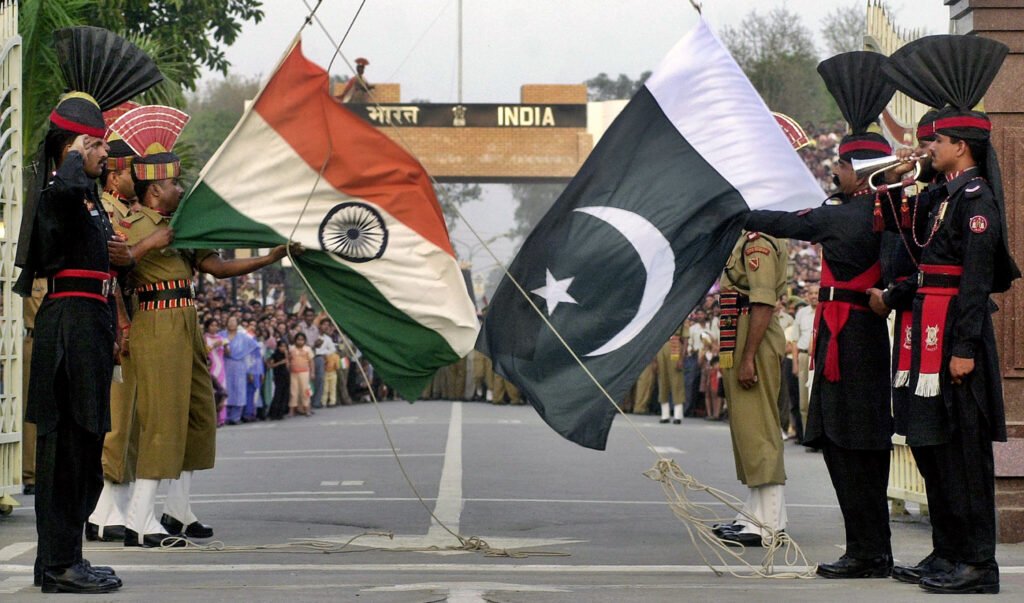

A Familiar War in a Fractured Region
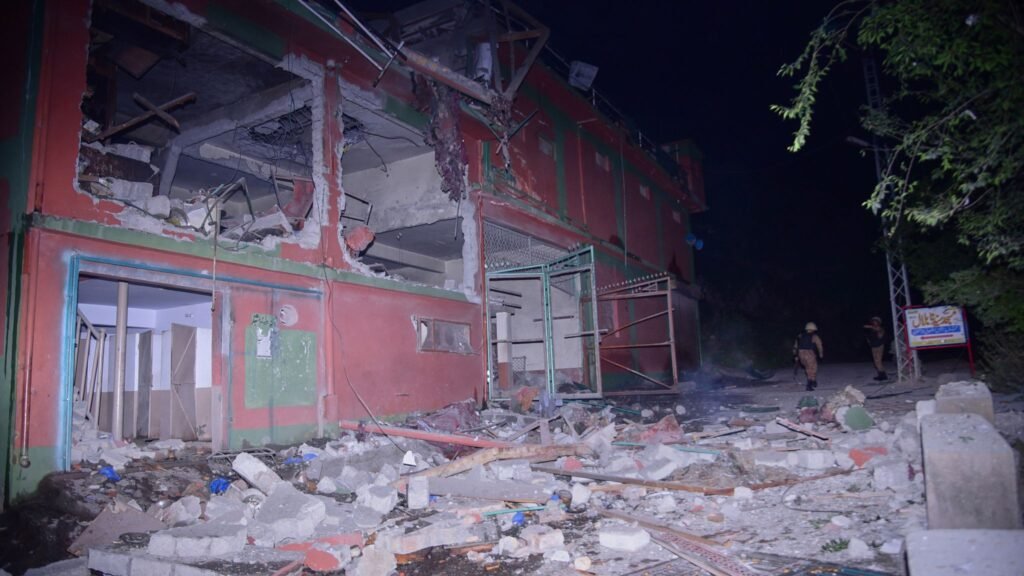
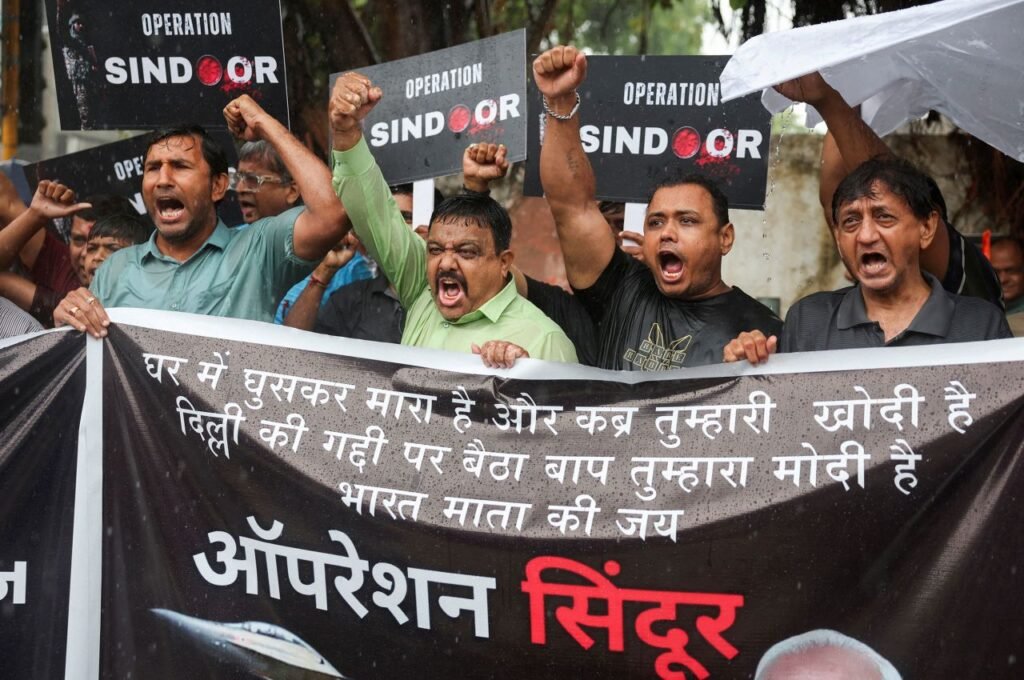
On May 7, 2025, Indian fighter jets launched nine airstrikes into Pakistan and Pakistan-administered Kashmir under the banner of “Operation Sindoor.” Within hours, Pakistan claimed to have downed five Indian jets and announced civilian casualties: 26 dead and 46 wounded, including family members of known militants. India denied the losses, insisting it had struck only terrorist training camps responsible for the recent massacre in Pahalgam.
This tit-for-tat military drama has once again turned Kashmir into a battleground for nationalist spectacle, with both governments declaring strategic victories. In reality, the only clear losers are the region’s civilians — from Srinagar to Muzaffarabad — caught in a grinding cycle of violence, poverty, and political manipulation.
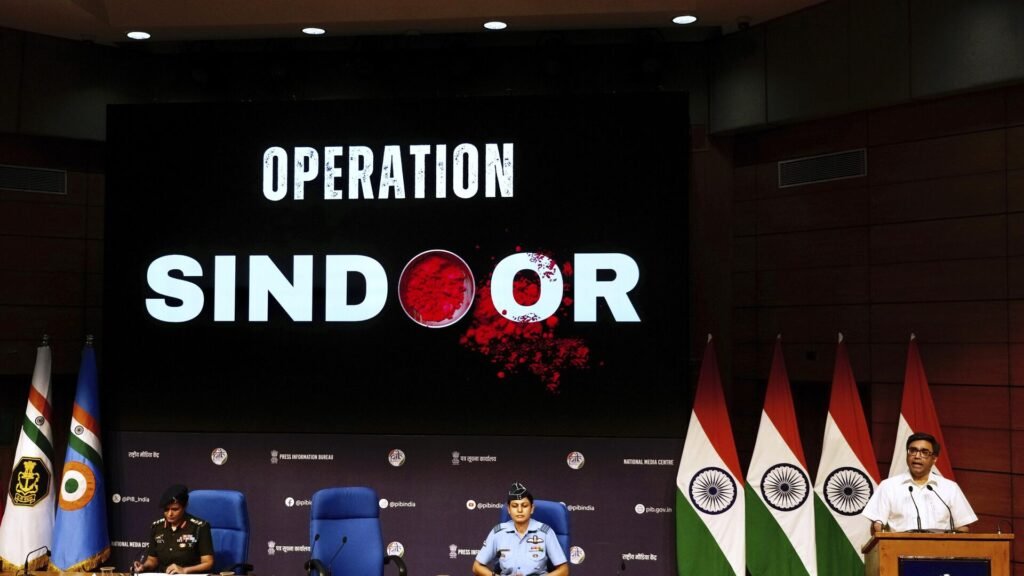
Behind the Bombs: Political Expediency at Home
The trigger for India’s airstrikes was the April 22 attack in Pahalgam, where armed men, dressed in military uniforms, opened fire on tourists, killing 26 people. The incident, the deadliest on Indian soil since the 2008 Mumbai attacks, created a political opportunity for the Modi government.
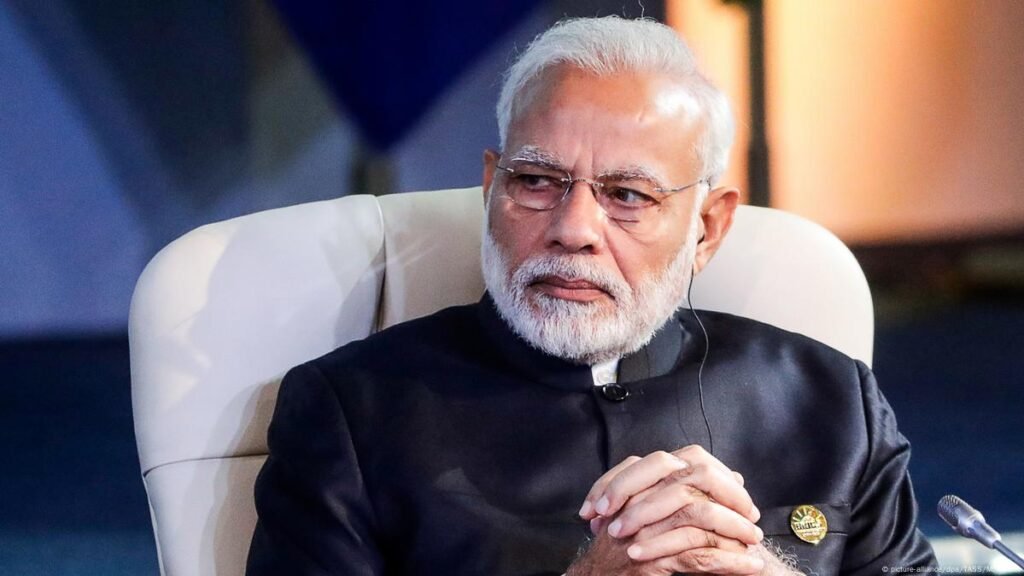
With state elections looming in Bihar, a key battleground with over 130 million residents, Prime Minister Modi is once again resorting to war hysteria to consolidate support. His ruling coalition, weakened after losing its parliamentary majority in 2024, sees external conflict as a domestic rallying point. As in 2019 — when airstrikes preceded a sweeping BJP electoral win — military aggression is being weaponised to compensate for declining popularity and growing internal dissent.
Kashmir: A Region Under Lockdown and Fire
In the aftermath of Operation Sindoor, Indian security forces unleashed sweeping counterinsurgency operations across the Kashmir Valley. Entire villages were raided. Homes of suspected militants were demolished — often without legal procedure. Over 2,000 civilians have been detained.
The residents of Kashmir now face two frontlines: the Line of Control, where ceasefire violations have resumed, and the domestic battlefield of state repression. In districts like Uri and Kupwara, underground bunkers once built for past wars are being reopened by terrified families. Thirteen civilians have died in border shelling in just the past few weeks.
For many Kashmiris, the real enemy is not across the border but in their own streets. In South Kashmir, military demolitions of civilian homes have become routine. Viral footage shows grieving mothers sifting through rubble, begging for mercy. The imagery echoes tactics used by Israel in Gaza — collective punishment that deepens despair and radicalises the next generation.
A Crumbling Economy, A Weaponised Narrative
Kashmir’s economy — already fragile — has suffered another major blow. Following a record tourism year in 2023, the Pahalgam massacre triggered mass cancellations. Hotels emptied. Travel bookings vanished. In Srinagar’s Dal Lake, houseboats sit motionless — symbols not of serenity, but abandonment. The Modi government, eager to project “normalcy,” continues to market Kashmir as an “all-season destination,” oblivious to the violence unfolding in real time. Meanwhile, workers across India prepare for a general strike on May 20 — a direct challenge to economic inequality, corporate privilege, and growing authoritarianism. Modi’s government, while boasting of India’s rise as the fourth-largest economy, has simultaneously overseen record inequality.
The richest 1% own over 40% of national wealth, while 129 million people remain in extreme poverty. His response? Wage cuts, privatisation, anti-labour laws, and now — war.
Pakistan’s Ruling Class: Crisis and Opportunism
Across the border, Pakistan’s ruling elite is navigating its own storm. With the country teetering on economic collapse, massive IMF-imposed austerity has slashed public services, inflamed inflation, and provoked mass protests. From striking doctors in Punjab to angry farmers in Sindh, the working class has risen in defiance.
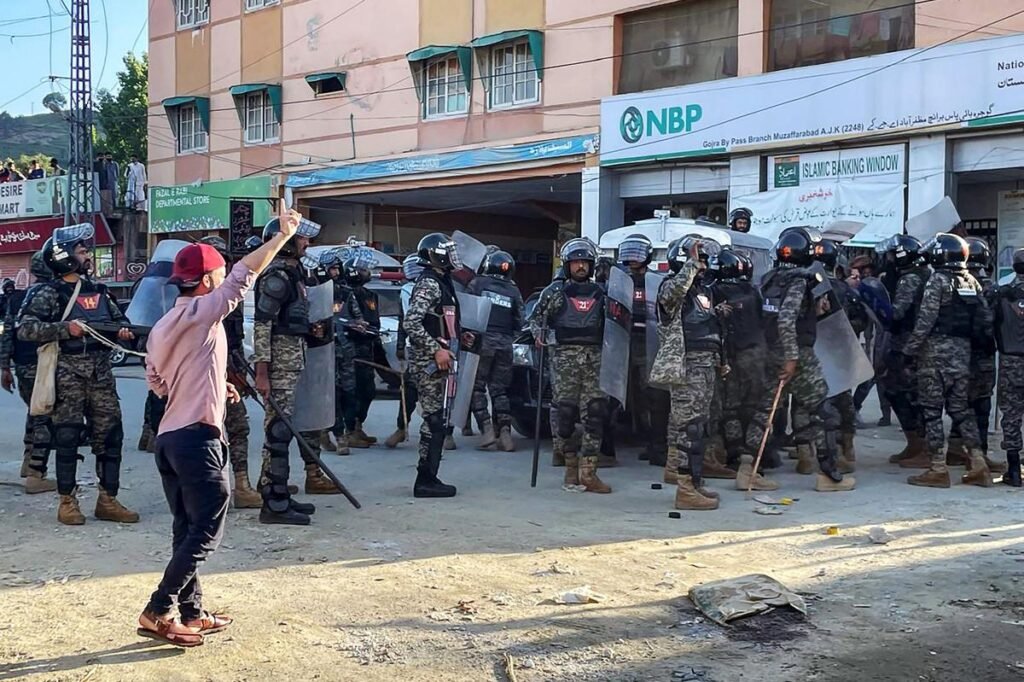
In Balochistan, state repression has sparked an unprecedented national movement, while in Pakistan-administered Kashmir, protests against electricity and food prices forced the government into rare concessions. The Awami Action Committee’s leadership has galvanised tens of thousands, with calls for renewed demonstrations on May 13 in Muzaffarabad.
For the Pakistani elite, this growing unrest presents a grave threat. War with India serves the same purpose it does for Modi: a distraction from crisis, an excuse for repression, and a rallying cry for manufactured patriotism.
Imperial Interests and Regional Powder Kegs
India’s confidence in this confrontation is bolstered by its growing alliance with the United States, which sees Delhi as a counterweight to China. Pakistan, once a close US ally, has shifted further into China’s orbit — particularly through the Belt and Road Initiative and the CPEC megaproject. This realignment has turned South Asia into a contested zone of imperial competition. With China now building the world’s largest dam in Tibet, India sees strategic threats to its water supply. And in Ladakh, tensions remain high after deadly border clashes between Indian and Chinese forces. Kashmir, already the world’s most militarised zone, now sits at the intersection of three nuclear powers — a terrifying reality that makes every skirmish a potential global catastrophe.
The Left’s Collapse — And the Need for Class Struggle
Tragically, the Communist Parties in both India and Pakistan have aligned themselves with the nationalist narrative. The Communist Party of India praised Modi’s “calibrated” response, while CPI(M) echoed state rhetoric about territorial integrity. In Pakistan, no leftist force has emerged to challenge the government’s jingoism or offer an anti-capitalist alternative.
This political vacuum leaves the working class vulnerable to chauvinism and misdirection. But a different path is possible.
On May 20, 250 million Indian workers and farmers are expected to strike. If their leadership raises demands not just for wages or jobs, but for an end to war, oppression, and the capitalist system itself, they could spark a revolutionary turn. Pakistani workers, too, can organise solidarity protests, build alliances, and confront their own ruling elite with a united class front.
The Only War Worth Fighting
The real enemies of Indian and Pakistani workers are not across borders, but within them — the capitalist classes who profit from war, the politicians who sow hatred, and the imperialists who arm both sides.
Only a united class war, guided by internationalist principles and revolutionary goals, can put an end to the suffering. Only a socialist federation of South Asia can undo the crimes of partition, dismantle artificial borders, and finally resolve the Kashmir question with justice and dignity for all.
Until then, every new “Operation” will bring the same results: shattered homes, grieving families, and a future mortgaged to war.