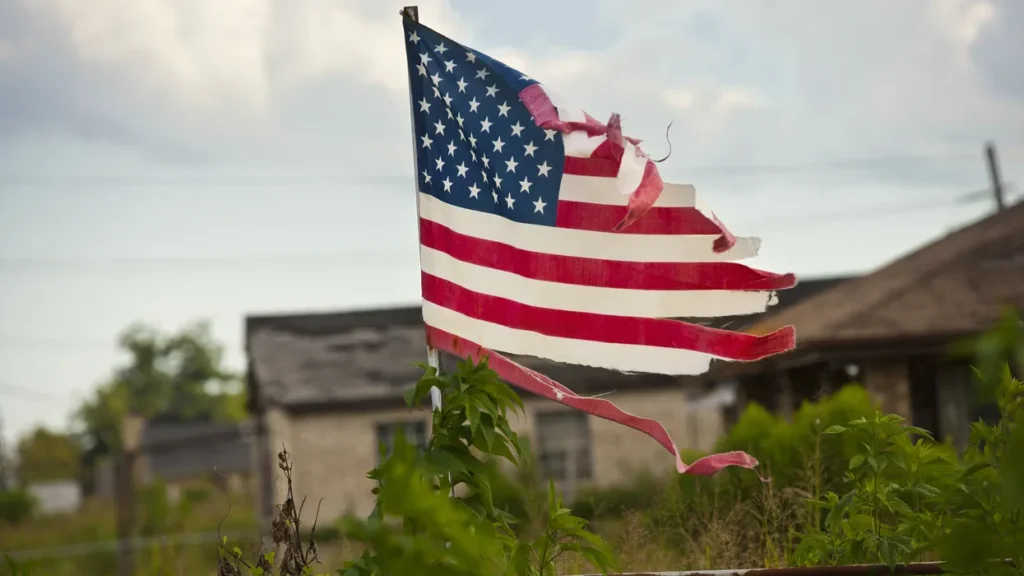

Trump’s Hemispheric Offensive and the Perils of a Declining Empire
The abduction of Venezuela’s president and the accompanying military escalation in the Caribbean mark a decisive moment in contemporary global politics. Far from an isolated incident or an impulsive outburst, the operation represents the convergence of three long-developing processes: the strategic decline of US global dominance, the collapse of the liberal international order, and the reassertion of raw imperial coercion as Washington’s primary instrument of power. Together, these dynamics reveal an empire that is weaker than before, yet more dangerous precisely because of that weakness.
Donald Trump’s second presidency has stripped away any remaining ambiguity about the trajectory of US foreign policy. The promise of restraint, nonintervention, or “antiwar realism” has been decisively replaced by open regime-change operations, legal nihilism, and an unapologetic return to hemispheric domination under a revived Monroe Doctrine. What is unfolding is not strength but desperation: an attempt to manage imperial decline through shock, intimidation, and spectacle.
Venezuela as a Test Case
The intervention in Venezuela is brutal, illegal, and reckless. It violates international law, disregards the US Constitution’s war powers, and sets a precedent that erodes even the most minimal restraints on state violence. Trump’s justification—framed around drug trafficking, national security, and migration—collapses under scrutiny. Venezuela plays a negligible role in cocaine flows to the United States, and Trump himself has undermined his own claims by pardoning convicted narco-traffickers elsewhere while openly coveting Venezuelan oil reserves.
What makes this episode particularly revealing is that it reprises a familiar pattern. Trump attempted to force regime change in Venezuela during his first term through sanctions, diplomatic recognition of a parallel government, and theatrical predictions of imminent collapse. None of it worked. The Venezuelan state held, the armed forces remained loyal, and the opposition fractured. Six years later, the same logic has been revived, but with greater violence and fewer illusions.
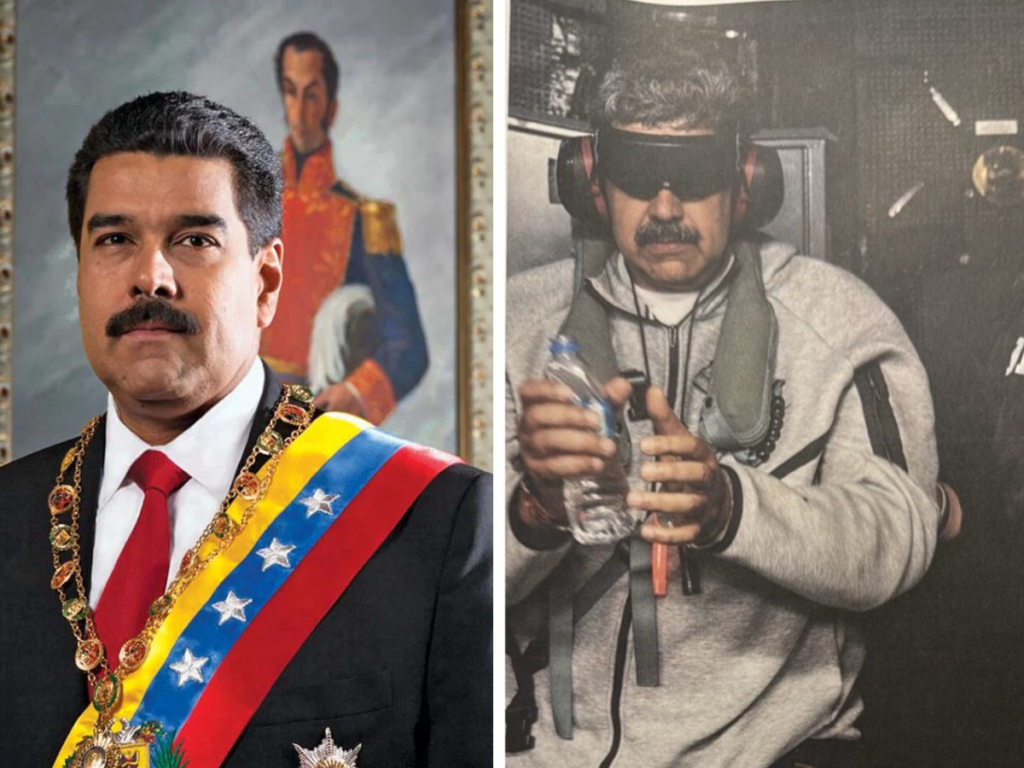
Trump’s governing style relies on declaration as leverage—announcing outcomes as if naming them into existence. Yet foreign governments do not collapse because an American president says they will. This gap between confidence and capacity is not a Venezuelan anomaly; it is a structural feature of contemporary US power.
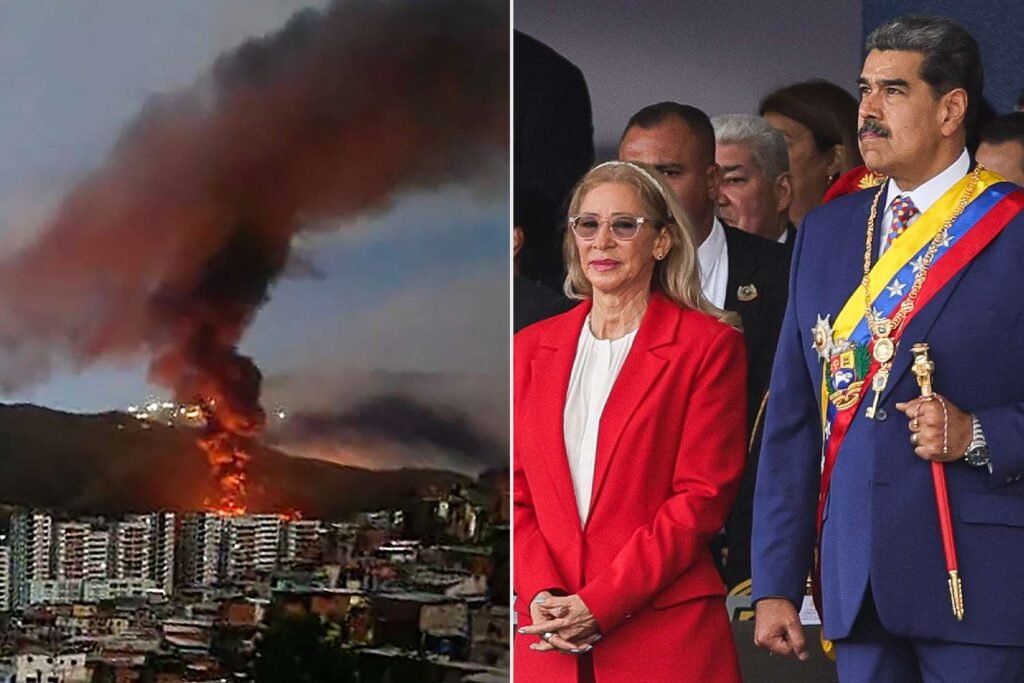
Imperial Decline and Strategic Disarray
The deeper context for this intervention lies in the transformation of US global power. The United States no longer possesses the material, political, or institutional capacity to sustain the post–Cold War order it once dominated. Endless wars in Iraq and Afghanistan, the failure of nation-building projects, and the overstretch of military-industrial capacity have exposed hard limits.
This reality has forced a strategic recalibration—not toward peace, but toward selectivity and unpredictability. The Trump administration’s approach is characterized by two interlocking tendencies. First is the bypassing of institutions through rapid, extrajudicial actions carried out by small military units and executive fiat. Second is the deliberate cultivation of ambiguity and internal competition within the state, allowing multiple factions—immigration hawks, energy interests, China-focused strategists, and ideological hardliners—to converge opportunistically on targets like Venezuela.
The result is not coherent grand strategy, but a form of managed chaos. The redeployment of US military assets from one crisis to another, the tearing up of long-standing alliances, and the willingness to engage in open violations of international norms all point to an empire attempting to compensate for declining influence with intimidation.
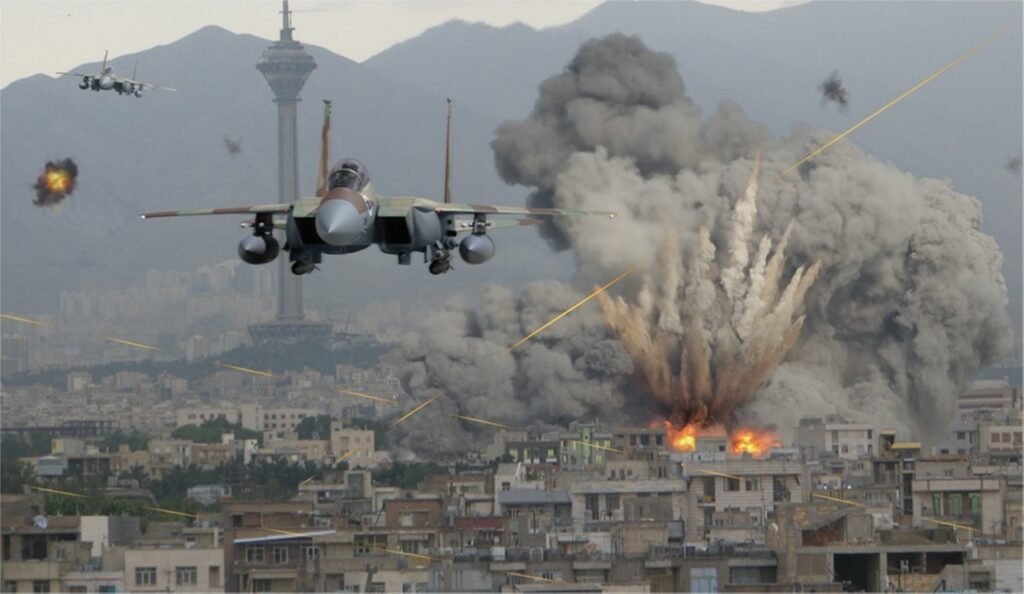
Immigration, Resources, and Hemispheric Control
Migration has become the ideological glue binding this strategy together. Trump’s foreign policy no longer presents the United States as the guarantor of global order, but as a besieged fortress whose survival depends on external aggression. Military interventions are sold domestically as tools of border control, while deportation deals and coercive diplomacy are pursued across Africa and Latin America.
Yet the obsession with migration obscures deeper motives. Control over strategic resources—oil, critical minerals, shipping routes—remains central. Trump’s fixation on Venezuelan oil is not rhetorical excess; it is the economic logic of imperial power laid bare. The revived Monroe Doctrine seeks not merely to exclude rivals like China, but to reassert US dominance over a region increasingly resistant to it.
Ironically, this strategy may accelerate the very outcomes it seeks to prevent. Aggression against Venezuela is likely to deepen Latin American states’ incentives to diversify alliances and strengthen ties with China and other powers, further eroding US influence.
Europe, Hypocrisy, and the Collapse of the Liberal Order
The response of US allies has underscored the hollowing out of the so-called rules-based international order. European governments that rightly condemn Russian aggression in Ukraine have offered, at best, muted objections to Trump’s actions in Venezuela—and in some cases outright support. This double standard has not gone unnoticed globally, reinforcing perceptions that international law is selectively applied by Western powers.
Far from restraining Washington, Europe has revealed its own strategic irrelevance. Dependent on US power yet increasingly excluded from decision-making, European elites have exposed the contradiction at the heart of the Atlantic alliance: moral rhetoric without material autonomy.
The Limits of Coercion
Perhaps the most striking lesson of the Venezuelan episode is the persistent inability of US force to produce durable political outcomes. The United States can bomb, sanction, kidnap, and destabilize. What it cannot do—repeatedly demonstrated over decades—is impose a stable political order through coercion.
External pressure has historically disciplined internal divisions within Venezuela rather than exploiting them. By framing regime change as an explicitly American project tied to resource extraction, Trump strengthens nationalist resistance and undermines the very opposition forces he claims to support. His public humiliation of opposition figures and exaggerated promises of corporate investment only reinforce this dynamic.
This is imperial power stripped of strategy: capable of destruction, incapable of construction.
A More Dangerous World
The attack on Venezuela is not a return to an older imperial confidence but a symptom of imperial decay. Declining empires do not retreat gracefully. They lash out, discard norms, and rely increasingly on brute force. The danger lies not in the coherence of Trump’s strategy, but in its volatility.
By normalizing kidnappings, bombardments, and legal exceptionalism, the United States invites imitation by other powers and accelerates the descent into a more Hobbesian international system. In such a world, unpredictability becomes a weapon, and restraint is treated as weakness.
Yet history also suggests that such moments contain their own contradictions. The exposure of imperial violence can radicalize opposition, domestically and internationally. The same period that sees escalating militarism has also witnessed the emergence of new political forces within the United States itself—local leaders and movements articulating an internationalist, anti-imperialist alternative.
Whether such forces can coalesce into a viable challenge remains uncertain. What is clear is that the path currently being taken leads not to stability or security, but to escalating conflict and suffering. Trump’s hemispheric offensive is not a solution to American decline. It is one of its most dangerous expressions.