

As the conflict in Gaza escalates, it is Latin America that has boldly stepped into the global spotlight, challenging Israeli military actions while much of the Western world remains hesitant. In contrast to the largely complicit stances taken by the United States, Canada, and European nations, Latin American governments have not only condemned Israel’s actions but have also taken concrete diplomatic measures that highlight their moral commitment to international law and human rights.
On October 31, 2023, Bolivia became the first country in the Americas to sever diplomatic ties with Israel, condemning its “aggressive and disproportionate military offensive” in Gaza. Bolivia’s foreign ministry expressed deep concern over the humanitarian crisis, warning that Israel’s actions pose a direct threat to international peace. This diplomatic rupture echoed Bolivia’s response to Israel’s 2009 assault on Gaza, underlining the country’s long-standing support for the Palestinian cause.
Simultaneously, Colombian President Gustavo Petro recalled his country’s ambassador from Israel, a move that demonstrated Colombia’s firm stance against the violence in Gaza. Petro has been an outspoken critic, labeling Israel’s military operations as genocidal and declaring that the world must hold Prime Minister Benjamin Netanyahu accountable for crimes against humanity. Petro’s unwavering position has made Colombia one of the loudest voices in Latin America, challenging the complacency of many Western nations.
Chile, too, has added its voice to this growing chorus. President Gabriel Boric, a long-time critic of Israel’s policies in the occupied territories, recalled Chile’s ambassador in protest of the “collective punishment” being inflicted on civilians in Gaza.

Diplomatic Courage and the Hypocrisy of Western Democracies
While Latin American countries have acted decisively in condemning Israel’s actions, Western powers continue to justify their support for Israel under the guise of defending democracy. In the United States, despite growing public opposition to the violence in Gaza and widespread calls for a ceasefire, political leaders remain steadfast in their support for Israel. This disconnect between public sentiment and governmental action reveals the deepening rift within Western democracies, where political elites often prioritize geopolitical interests over human rights. Israel’s dismissive reaction to Latin America’s diplomatic moves has further underscored its reliance on support from the West. Following Bolivia’s decision to sever ties, Israel accused the country of “capitulating to terrorism,” attempting to downplay the significance of the move.

Yet Bolivia’s firm stance—along with the actions taken by Colombia, Chile, and Honduras—reveals the growing influence of Latin American countries in shaping global discourse on justice and international law.
Historical Context: Israel’s Legacy in Latin America
Latin America’s firm stance against Israel’s military operations in Gaza is not only about present-day solidarity with the Palestinian people but is also deeply rooted in the region’s history. During the Cold War, Israel provided arms, training, and intelligence to some of the most brutal dictatorships in Latin America. From Chile under Augusto Pinochet to Guatemala during the genocidal campaign against the Maya people under Efraín Ríos Montt, Israel’s support for these regimes left a lasting impact on the region’s political consciousness.
This dark chapter of history continues to shape the perspective of many Latin American nations. For them, Israel’s actions in Gaza are reminiscent of the oppression and violence that their own populations faced under U.S.-backed military dictatorships, many of which relied on Israeli support to maintain power. The scars of these repressive eras have fostered a deep sense of empathy and solidarity with the Palestinian struggle, positioning Latin America as a leading voice for global justice.
The Wider Global Response: Latin America Leads by Example
Latin America’s actions have also inspired other countries to follow suit. Nations such as Jordan, South Africa, and Turkey have recalled their ambassadors from Israel, sending a clear message that the international community can no longer ignore the escalating violence in Gaza. By November 9, Colombia had announced that it would support Algeria’s case against Israeli leaders at the International Criminal Court (ICC), pressing for war crimes charges. This growing global response signals a significant shift in international attitudes towards Israel’s actions, with Latin America leading the charge for accountability.
A Unified Voice for Justice
The moral leadership demonstrated by Latin America in response to Israeli aggression is reshaping the global conversation on human rights and international law. While much of the Western world remains mired in political and strategic interests, Bolivia, Colombia, Chile, Honduras, and others have shown that it is possible to pursue a foreign policy rooted in principles of justice, equality, and respect for human dignity.
This unified response stands as a powerful example of how nations can take meaningful action in the face of global injustice. Latin America’s progressive governments have reminded the world that the defense of human rights is not just the responsibility of superpowers but a moral obligation shared by all. Their actions offer a beacon of hope for those who continue to fight for justice, equality, and freedom, whether in Palestine or elsewhere.
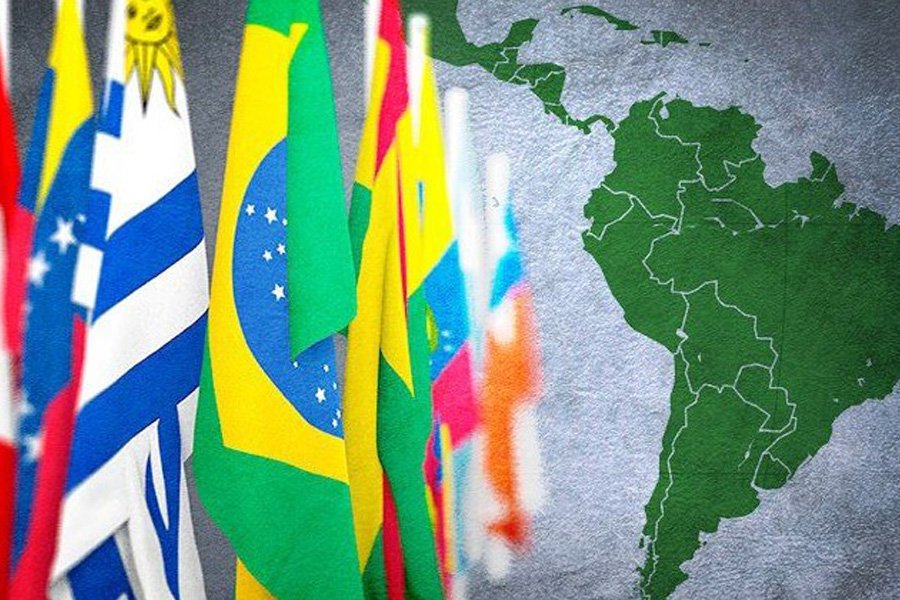
Latin America’s Role on the Global Stage
In an era where many nations are unwilling to confront the realities of oppression and war, Latin America has emerged as a leader in defending international law and human rights. The actions taken by Bolivia, Colombia, Chile, and Honduras signal a new chapter in global diplomacy—one in which countries from the Global South are not afraid to challenge powerful nations and take a stand for justice.
As Israel’s military operations in Gaza continue, Latin America’s response provides a crucial example of what moral leadership looks like in a time of crisis. It is a reminder that the fight for human rights is a global struggle, and Latin America is now at the forefront of this battle, offering a bold vision for a more just and peaceful world.