

March 8th is not just a day of celebration—it is a day of struggle. International Women’s Day (IWD) was born from the labor movements of working-class women demanding better wages,dignity, and equality. These were not symbolic gestures, but acts of defiance againstexploitation, patriarchy, and a system that placed profit over people. More than a century later,their fight remains as relevant as ever.
Today, the radical roots of IWD are often overshadowed. The day is co-opted by corporate branding, political speeches,and empty gestures, while the real conditions faced by women – especially working-class, migrant, and marginalized women – remain unchanged or have worsened. But if we look beyond the slogans, we find that the same struggles that ignited IWD are still being waged across the world.
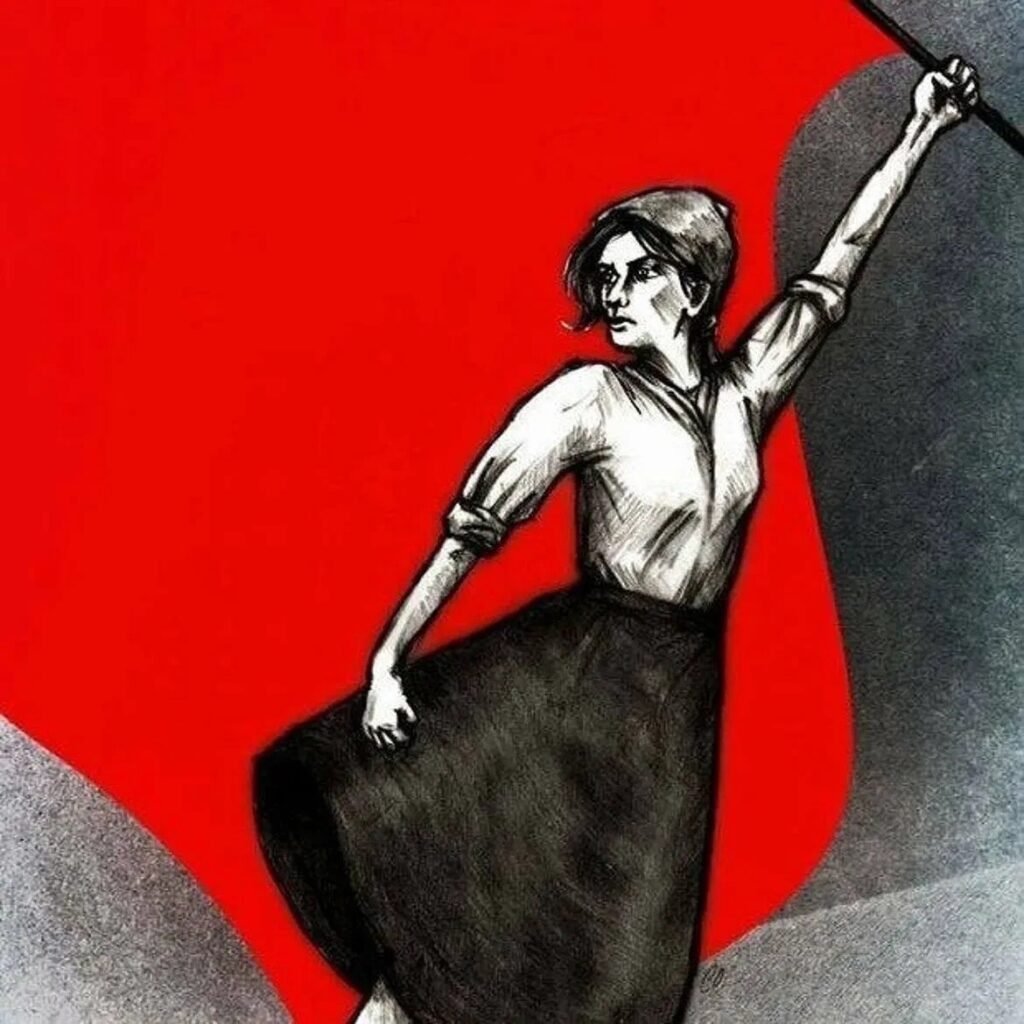
From the picket lines to the streets, women continue to lead movements for justice. In Iran, they risk their lives resisting repression. In Palestine, they bear the brunt of conflict and occupation while continuing to resist. In France and the UK,they march against austerity and pension reforms that disproportionately affect women. Across Latin America,feminist movements have won landmark victories for reproductive rights, despite strong opposition. At the same time, economic inequality is deepening. The so-called “cost of living crisis” is not an accident – it is the result of policies that favor corporate wealth over social welfare. Women in low-wage jobs, often working multiple shifts while performing unpaid care work at home, are shouldering the heaviest burdens.
For them, March 8th is not just a symbolic day – it is a reminder of the ongoing fight for fair wages, public services, and basic dignity.
In many parts of the world, we are witnessing a backlash against gender equality and progressive movements. Far-right forces are attacking reproductive rights, LGBTQ+ communities, and migrant protections. These reactionary movements seek to turn back the clock, using division and fear to maintain power. But history shows us that rights are never simply granted – they are won through struggle, and they must be defended.
This is why feminism cannot be separated from broader social struggles. The fight for gender justice is intertwined with the fight for labor rights, racial justice, and economic equality. A feminism that does not challenge systemic exploitation is incomplete. True equality means ensuring that all people – regardless of gender, class, or background—have the right to live with dignity and security.
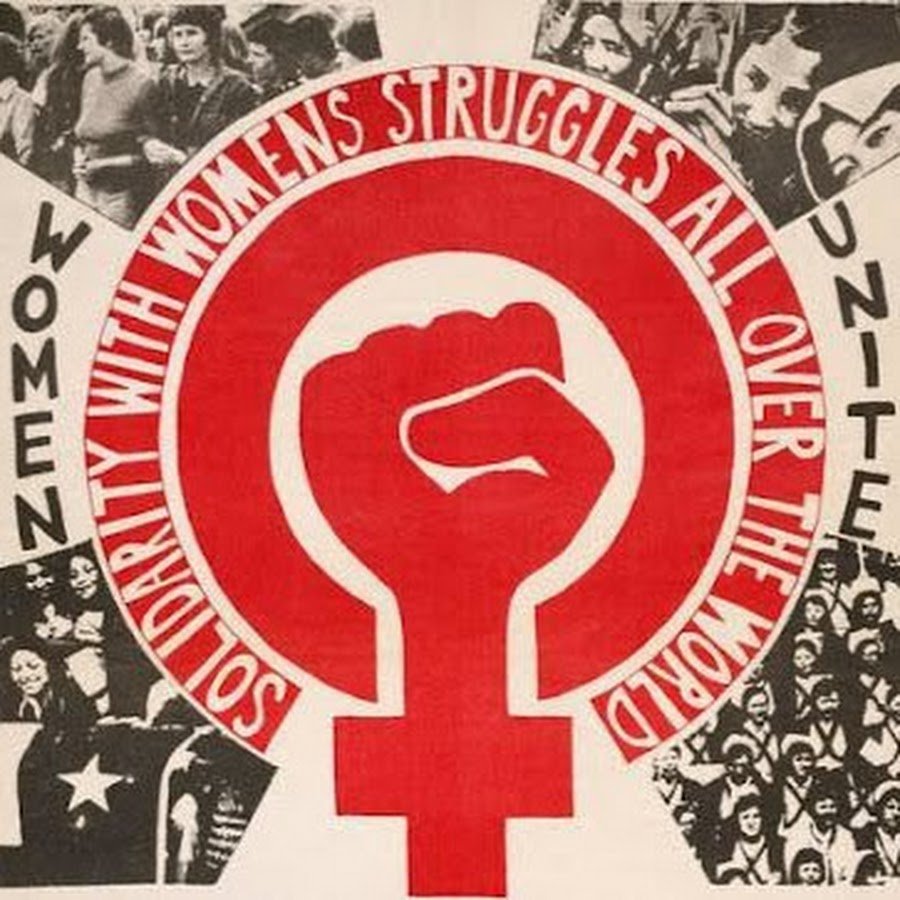
International Women’s Day has always been about action. It was born from strikes, protests, and movements demanding real change. If we are to honor that legacy, we must go beyond words and continue the fight for policies that uplift women and all marginalized communities.
This March 8th, let’s remember that progress is not inevitable – it is the result of collective effort. Whether through workplace organizing, political engagement, or solidarity with global movements, each of us has a role to play. Let us remember that true liberation will not come from politicians or
corporations, but from the power of the people united in struggle.
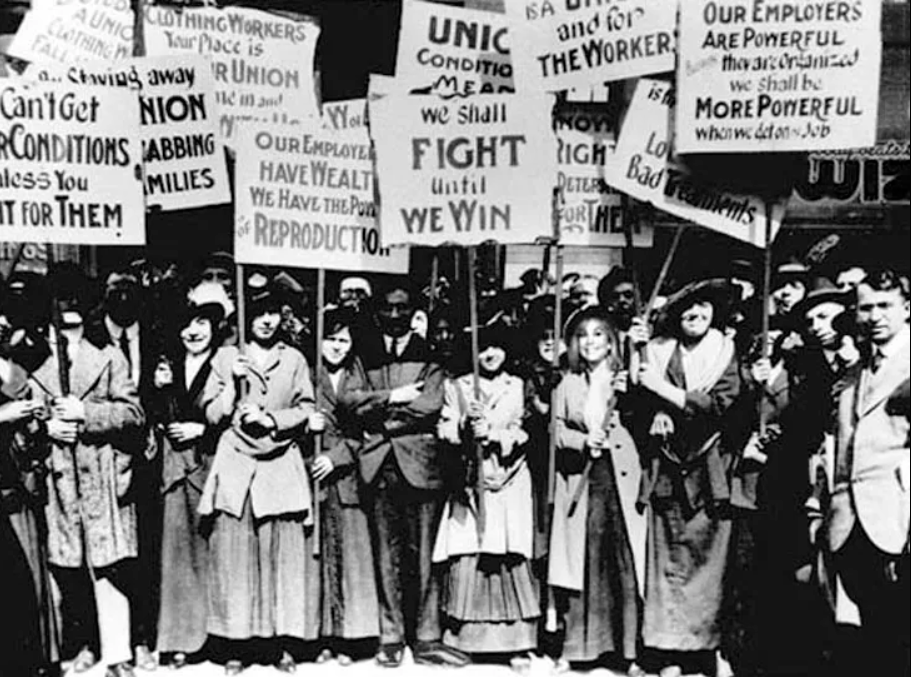
A BETTER WORLD IS NOT JUST AN IDEAL – IT IS SOMETHING WE BUILD TOGETHER.
NO LIBERATION WITHOUT REVOLUTION. NO FEMINISM WITHOUT CLASS STRUGGLE.