

Sudan today stands at the brink of total collapse. Once a nation buoyed by a revolutionary spirit that toppled the long-standing dictatorship of Omar al-Bashir in 2019, the country has since been engulfed by a devastating civil war—one that has not only undone the fragile gains of the popular uprising but has triggered what is now being recognized as one of the worst humanitarian crises of the 21st century.
At the heart of this collapse lies the brutal power struggle between two military factions: the Sudanese Armed Forces (SAF), led by General Abdel Fattah al-Burhan, and the Rapid Support Forces (RSF), a paramilitary force under the command of Mohamed Hamdan Dagalo, known as “Hemedti.” What began in April 2023 as a series of military confrontations between these two rival generals has now spiraled into a national catastrophe—claiming tens of thousands of lives, displacing millions, and plunging Sudan into economic paralysis and political chaos.
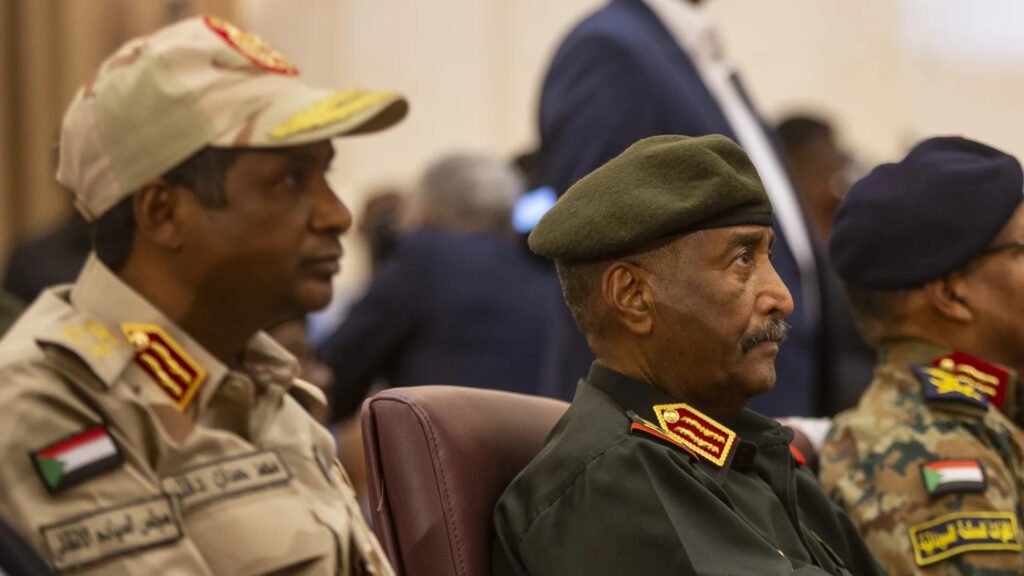
From Revolution to Regression: The Betrayal of the Sudanese People
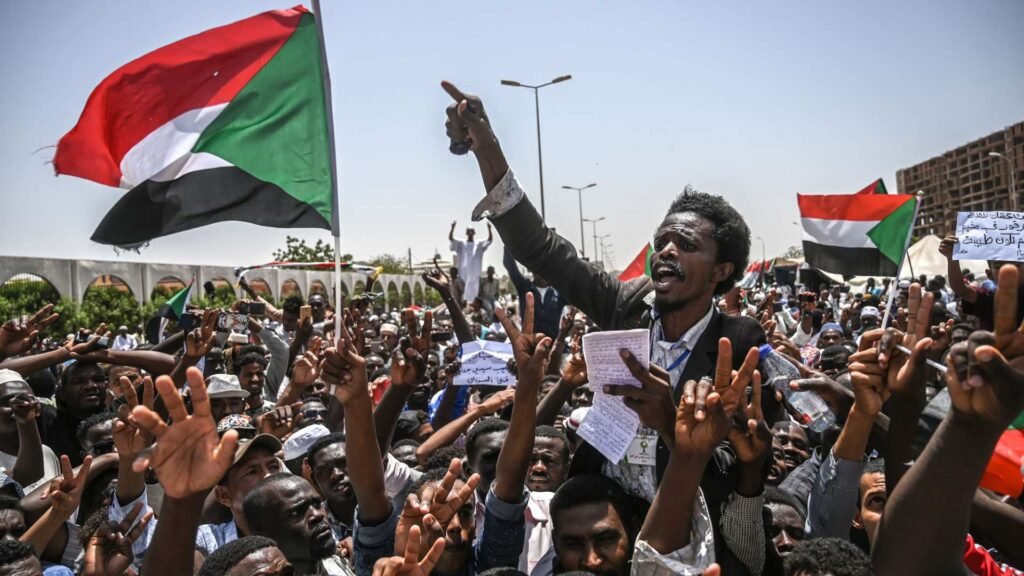
The origins of Sudan’s current crisis are deeply rooted in the failed democratic transition that followed the fall of Bashir. After months of relentless protests led by professional associations, trade unions, and youth organizations, the people of Sudan succeeded in ousting a dictator who had ruled for three decades. However, the revolution was quickly derailed by a “transitional” military-civilian government that, while promising reform, ultimately protected the interests of the military elite and foreign stakeholders.
This hybrid regime—comprising technocrats and generals—allowed Burhan and Hemedti to retain control over the security apparatus and key economic sectors, particularly gold and agricultural exports. Their continued presence in government, far from ensuring stability, laid the foundation for the current war. Rather than building democratic institutions or pursuing justice for past atrocities (such as the genocide in Darfur), the transitional leadership focused on consolidating power, suppressing dissent, and courting international legitimacy.
A Manufactured Conflict: Greed, Power, and Imperial Interests
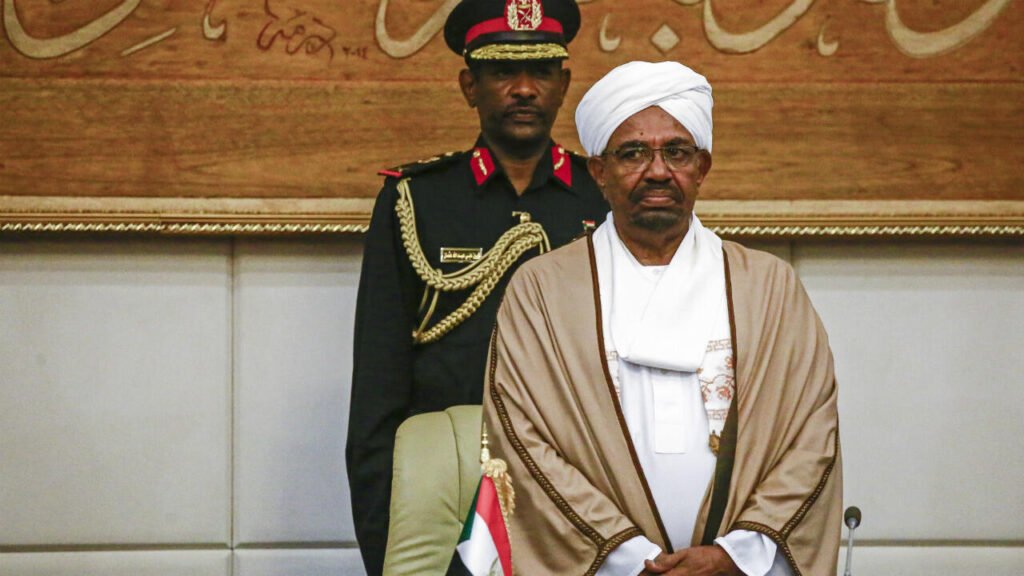
The war between the SAF and RSF is not a clash of ideologies or visions for Sudan’s future. It is a naked battle over resources, territory, and foreign backing. Both forces have histories marred by atrocities. The RSF, formerly the Janjaweed militia, was infamous for its role in the Darfur genocide. The SAF, under successive regimes, has been responsible for political repression and human rights violations.
Despite these records, both Burhan and Hemedti have enjoyed degrees of international engagement. Saudi Arabia, the UAE, Egypt, and Russia have each vied for influence in Sudan, supporting different factions in hopes of securing geopolitical leverage, access to resources, and military partnerships. In this context, the Sudanese people have become collateral damage in a regional contest for imperial gain.
The U.S. and European Union, while publicly condemning the violence, have largely failed to impose meaningful consequences on the warring generals. Their repeated calls for “dialogue” and “ceasefires” ring hollow to a population watching their cities burn and their relatives starve. Western governments’ preoccupation with stability and counterterrorism—rather than justice and democracy—has led them to support the very actors responsible for Sudan’s collapse.
Darfur Revisited: Ethnic Cleansing and the World’s Silence
Nowhere is the brutality of the current war more evident than in Darfur, where the RSF and affiliated militias have launched what many observers describe as a renewed campaign of ethnic cleansing. Entire villages have been razed. Mass graves have been discovered. Women and girls face systematic sexual violence. Thousands of civilians have been slaughtered, often targeted on the basis of their ethnicity.
This mirrors the horrors of the early 2000s, when Darfur became a symbol of international inaction. Once again, the world watches as atrocities unfold in plain sight, with only tepid condemnation and humanitarian hand-wringing from major powers and multilateral organizations. The African Union and the Arab League have proven largely toothless. The United Nations has been paralyzed by geopolitical divisions.
For the people of Darfur—and Sudan at large—this silence is not just a failure of diplomacy. It is a betrayal of promises made after the last genocide. Despite two decades of “lessons learned,” the international community has once again shown that black lives in Africa remain expendable when they do not serve the interests of powerful states.
Economic Collapse and Humanitarian Despair
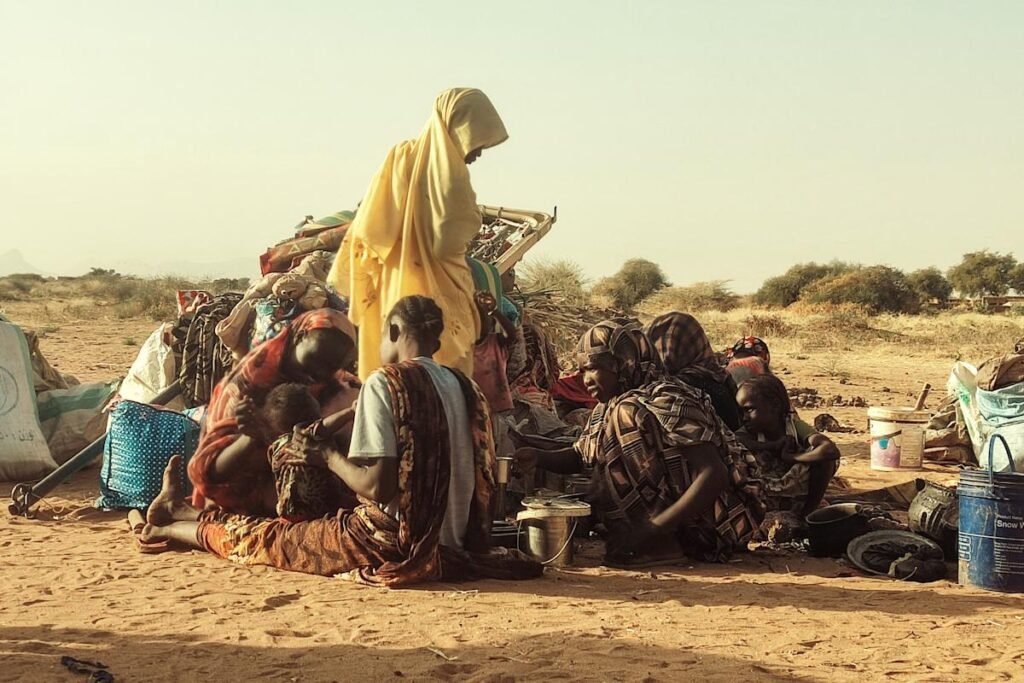
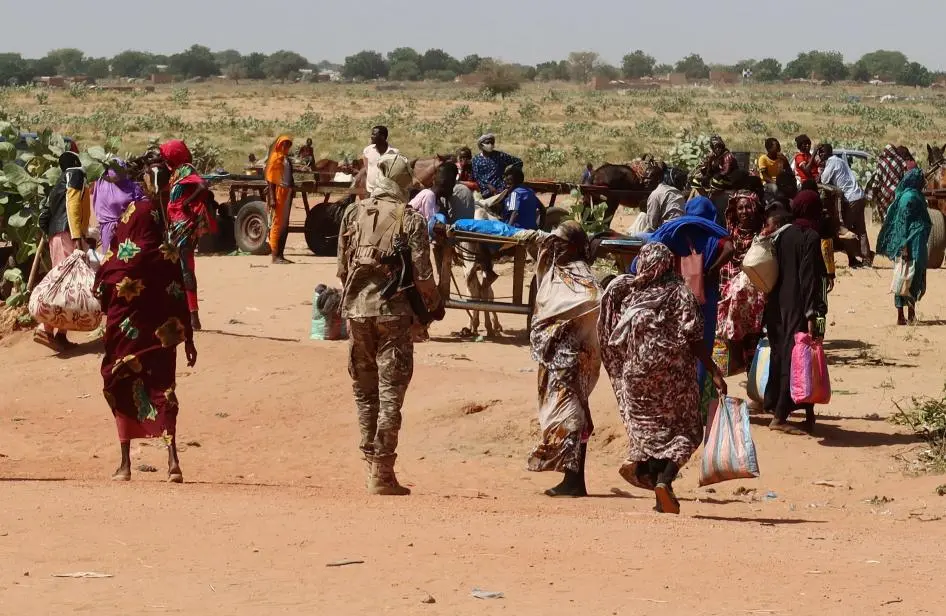
Sudan’s economy has disintegrated. Inflation is rampant. Banks no longer function. The healthcare system is in ruins, with hospitals either destroyed or occupied by militias. Humanitarian organizations report that more than 25 million people—over half the population—require urgent assistance. Famine looms in several regions, and infectious diseases are spreading rapidly among displaced populations.
The mass displacement has reached staggering proportions: over 7 million people have been forced to flee their homes, many of them seeking refuge in neighboring Chad, South Sudan, and Egypt. These refugee flows have placed immense strain on countries already facing their own crises.
Despite the scale of this disaster, international aid has been woefully insufficient. Relief efforts are underfunded, humanitarian corridors are blocked, and many NGOs have been forced to suspend operations due to insecurity. Meanwhile, weapons continue to flow into the country, sustaining a conflict that has no end in sight.
The Way Forward: Beyond War Criminals and Neocolonial Puppets
If Sudan is to have any future, it cannot be built on the backs of military warlords, foreign-imposed settlements, or elite-driven “peace deals.” The only legitimate path forward lies in the aspirations of the Sudanese people themselves—those who filled the streets in 2019 demanding bread, freedom, and justice.
Sudanese civil society, feminist organizations, neighborhood resistance committees, and diaspora communities have continued to resist—even under impossible conditions. These grassroots forces must not only be heard but empowered.
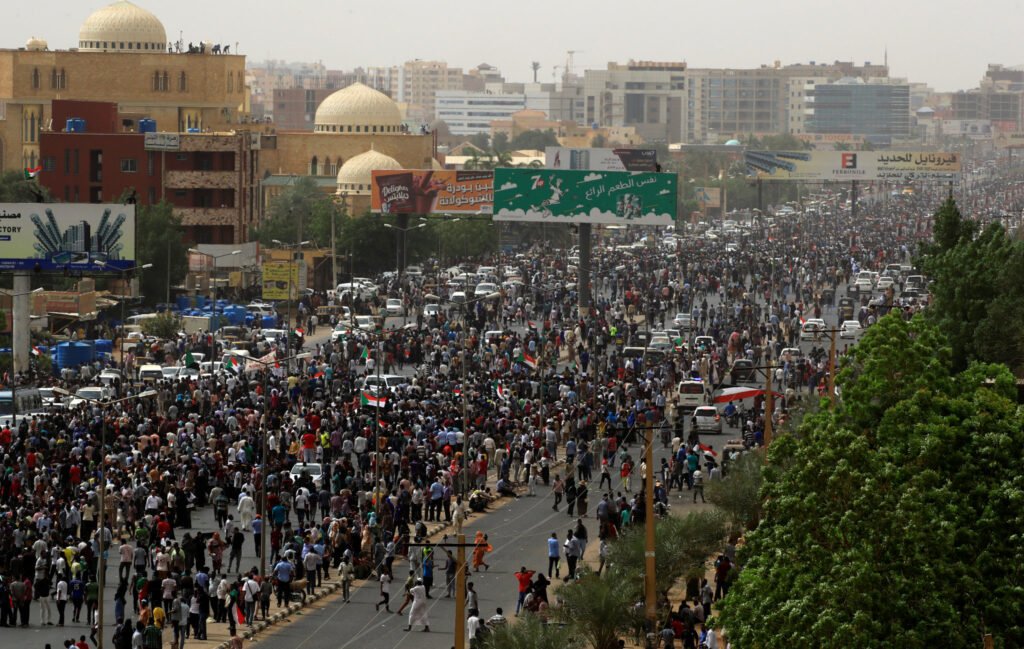
The revolution may have been crushed temporarily, but its principles remain alive in the struggle of everyday Sudanese who refuse to bow to tyranny.
The international community must stop legitimizing military actors and begin supporting truly democratic movements. This means cutting off arms supplies, imposing sanctions on war profiteers, and supporting refugee resettlement and humanitarian assistance. More importantly, it requires recognizing that the root of Sudan’s crisis lies in decades of authoritarian rule propped up by external powers.
A Call to Justice, Not Just Peace
What is unfolding in Sudan is not a civil war—it is a counter-revolutionary campaign against a people who dared to demand dignity. The architects of this violence must be held accountable—not just for the sake of Sudan, but for the principles of international justice.
For those watching from afar, Sudan’s plight may seem distant. But it represents a global test: Will the world continue to tolerate warlords and imperial deals masquerading as stability? Or will it finally side with the powerless struggling for freedom?
The answer to that question will define not only Sudan’s future—but ours as well.