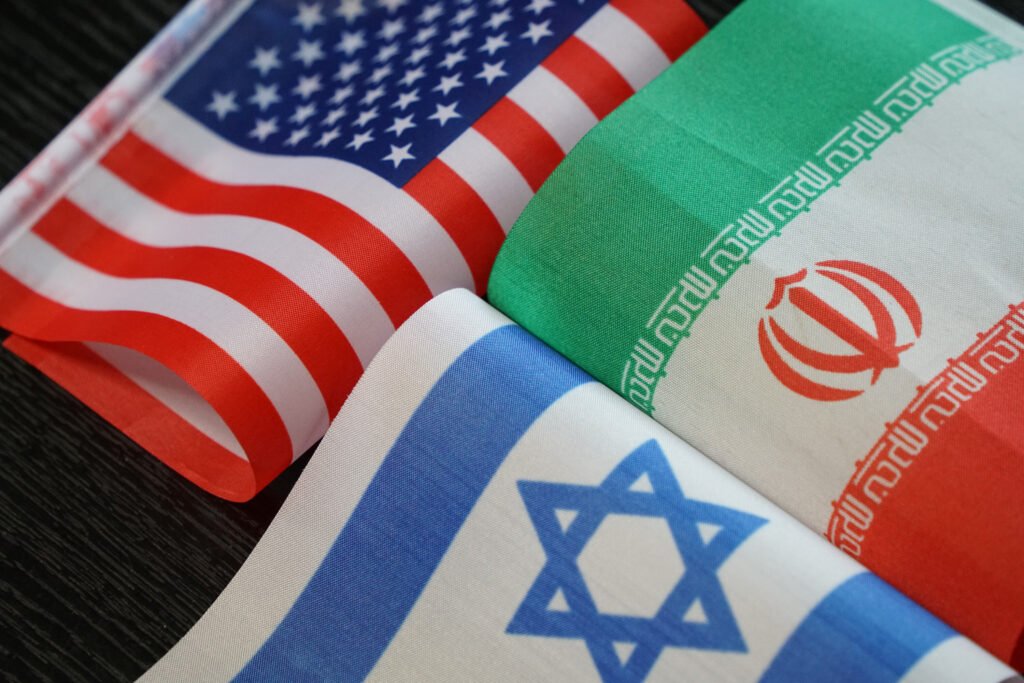

The recent decapitation strike orchestrated by the United States and Israel, which resulted in the assassination of Supreme Leader Ali Khamenei and roughly two hundred senior Iranian officials, has plunged the Middle East into an unprecedented crisis. Driven by the erratic calculations of the Trump administration, this war of aggression was seemingly launched under the naive assumption that overwhelming military force would quickly fracture the Iranian state and force a desperate capitulation. Instead, the conflict is rapidly expanding, exposing the severe strategic miscalculations of Western imperialist forces and inflicting a catastrophic toll on the civilian population.
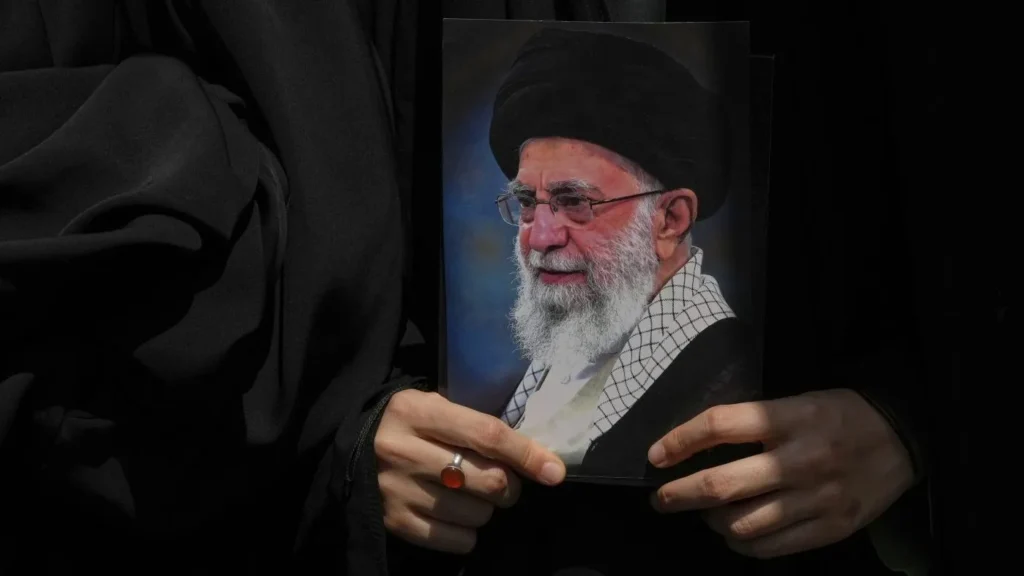
The Hubris of “Political Ventriloquism”
In the Western media, pro-war commentators have weaponized the genuine domestic opposition within Iran to manufacture consent for the invasion. By pointing to the diaspora and factions that celebrated the Supreme Leader’s death, these pundits engage in a dangerous exercise of “political ventriloquism”. They arrogantly presume to speak for a nation of ninety million people, elevating voices that align with Washington’s agenda while actively ignoring the thousands of Iranians who poured into the streets to mourn.
The Islamic Republic is undeniably a repressive theocracy; it has enforced gender apartheid for decades, brutally suppressed protests, and historically massacred communists and socialists. Any genuine liberation from this regime would indeed be a cause for celebration if it were achieved through a popular revolution from below. However, the United States and Israel possess no legitimate mandate to impose regime change from above through devastating military violence.
History offers a stark warning against the illusion of the “foreign liberator.” During the 1982 Israeli invasion of Lebanon, invading forces were initially greeted with rice and joy by some locals, only to face fierce, armed resistance from those same villagers months later. Whatever initial relief some Iranians might feel regarding the regime’s losses, such sentiments will inevitably sour into seething anti-American resentment as foreign bombs continue to ravage their homeland.
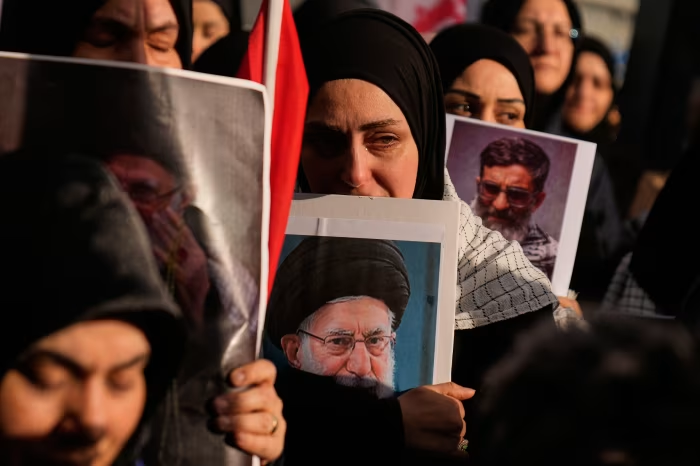
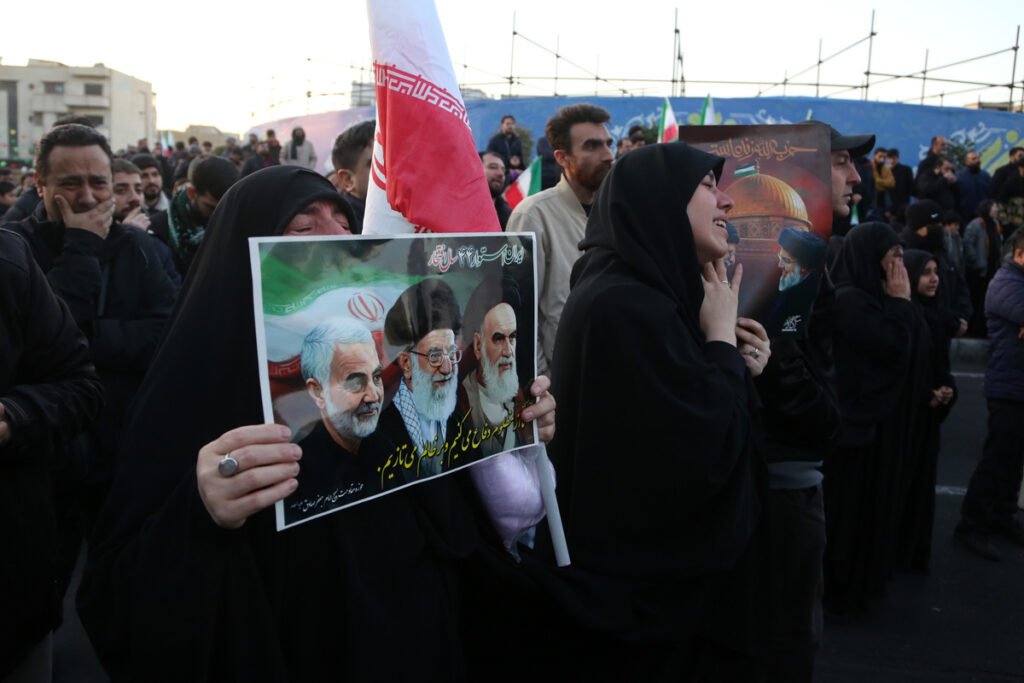
A Campaign of Civilian Devastation
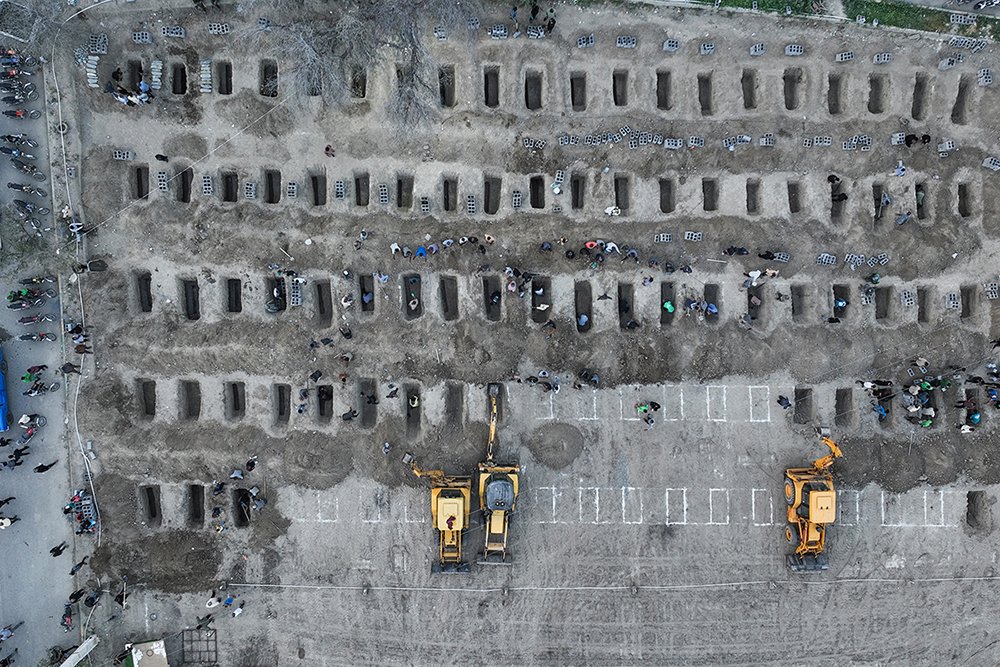
The reality on the ground contradicts any narrative of a targeted, clean intervention. The civilian death toll has already vastly exceeded that of previous conflicts, exacerbated by blatant violations of international armed conflict laws. Over half of Tehran’s seventeen million residents have fled the city as entire blocks, including areas surrounding Khamenei’s compound, are reduced to rubble.
The cruelty of the air campaign is staggering. A strike against a girls’ junior school claimed the lives of 165 children, while a separate attack on a sports hall massacred dozens of student athletes. In central Tehran, civilians breaking their Ramadan fast at cafés in Niloofar Square were blown apart, with witnesses describing scenes of severed heads and mutilated bodies. Furthermore, reports indicate the use of “double-tap” strikes—a notorious Israeli tactic designed to kill paramedics and family members who rush to the scene of an initial bombing. The overwhelming majority of Iranians simply wish to live their lives, watch soccer, and protect their families, yet they are being violently sacrificed for a geopolitical power play.
State Cohesion and Asymmetrical Retaliation
Contrary to Washington’s expectations, the Iranian state apparatus has not collapsed. The Islamic Republic is a complex, interlocking network of institutions inherently designed to survive a decapitation event. Operations are now tightly coordinated by the Supreme National Security Council, led by Ali Larijani, while a Provisional Leadership Council has quickly convened to maintain governance. Dismissing Donald Trump’s war aims as “delusional fantasies,” Larijani has firmly ruled out any negotiations with the United States, calculating that a ceasefire would only grant the US and Israel time to reload and strike again.
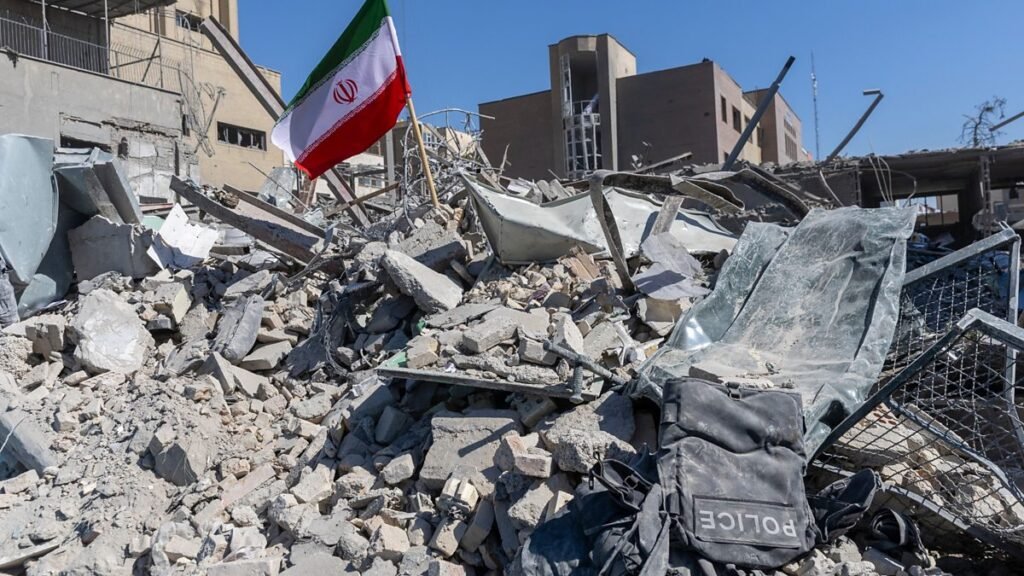
Recognizing that it must escalate to survive, Iran’s strategy is to inflict an unbearable cost upon its adversaries to force a durable peace. To demoralize the American public and Trump’s political base, Iran has prioritized neutralizing expensive US military assets and personnel. At least three US jets have reportedly been shot down, and Iran claims its ballistic missiles have struck the US aircraft carrier Abraham Lincoln—which, if verified, would mark the first time an American carrier has been successfully hit since World War II.
Simultaneously, Tehran is weaponizing the global economy. By targeting ports and oil infrastructure in Saudi Arabia, and forcing Qatar—the world’s largest gas exporter—to halt production entirely, Iran seeks to trigger a massive international energy crisis that will disproportionately harm the United States.
The Globalization of the War
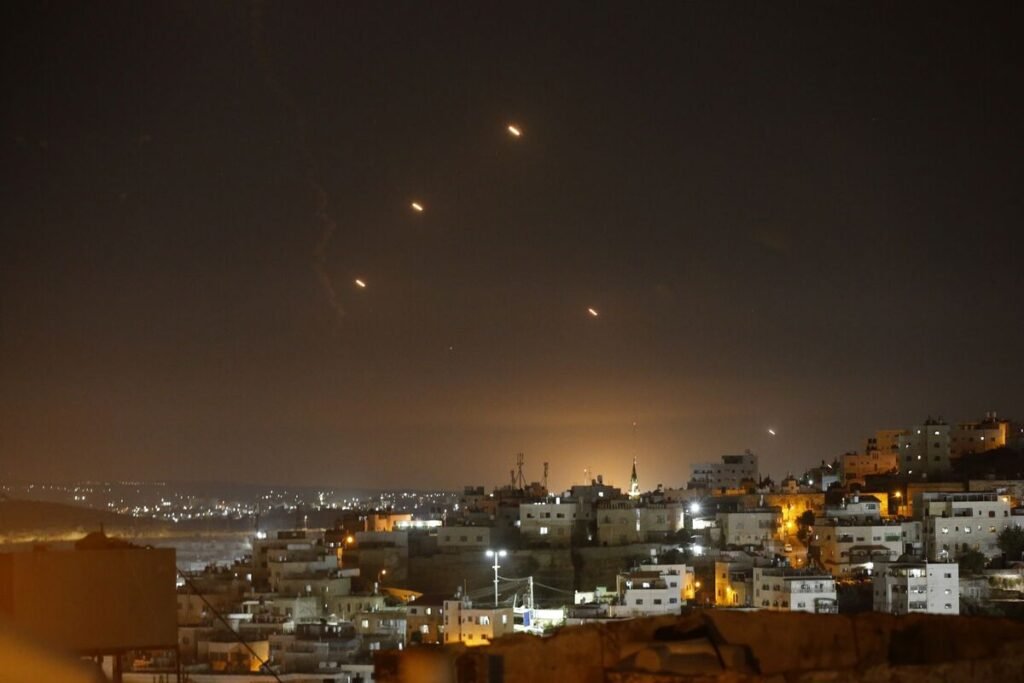
The conflict is rapidly spilling over its initial borders. Seeking to spread the strategic risk, Iran is actively targeting US allies and military infrastructure across the Persian Gulf, including strikes on the UAE’s Al Salam Naval Base, lucrative tourist hubs in Dubai, and British naval assets in Cyprus and Bahrain. This has triggered widespread regional instability, with mass protests erupting in Lebanon, Bahrain, and Kashmir, alongside mobilized Shiite militias attempting to besiege US troops in Iraq’s Green Zone.
Furthermore, the axis of resistance against US hegemony has hardened. Iran is receiving vital support from global powers; Beijing has reportedly provided anti-ship missiles and critical intelligence on US naval positions, while Russia has supplied Su-35 fighter jets and Mi-28 attack helicopters—likely piloted by Russian aviators due to the extensive training required to operate them.
Ultimately, this unprovoked war is a testament to imperial arrogance. The United States will not end this conflict because the Iranian people turn against it, but only when Washington’s decision-makers calculate that the geopolitical and economic losses have grown too severe. Until then, the fate of millions hangs in the balance, dictated by the hubris of an American president who proudly admits that his own fickle mind is the only thing that can stop him.