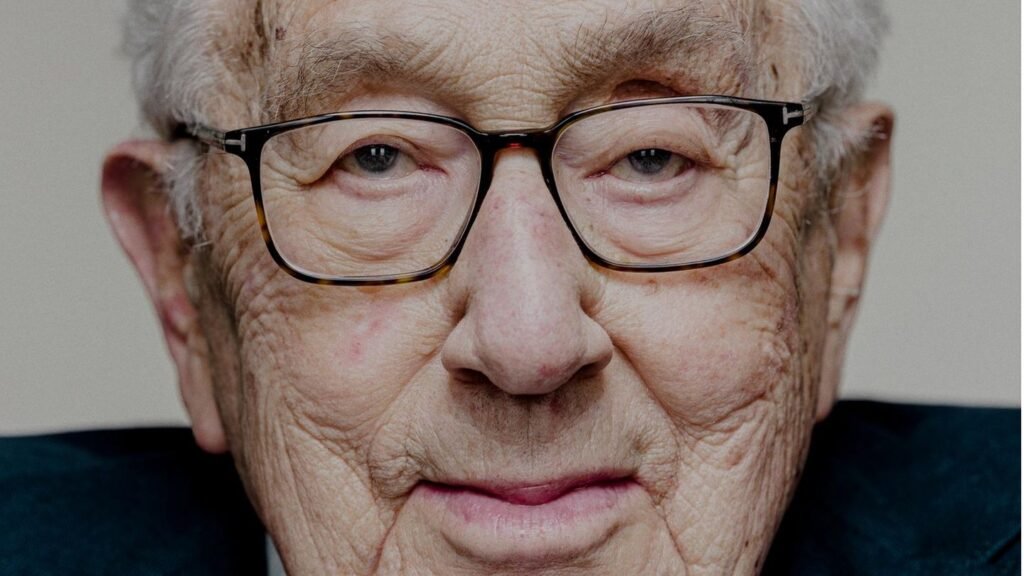

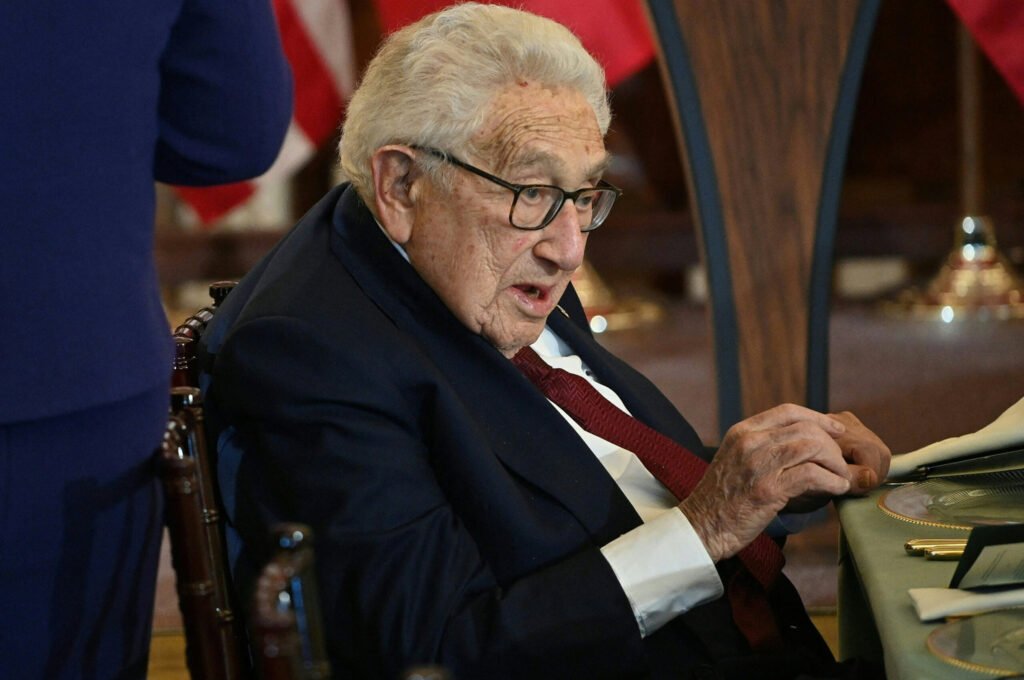
On November 29, 2023, the world was informed of the death of Henry A. Kissinger, former U.S. Secretary of State and National Security Adviser. While the bourgeois media and political elites shed tears for the man they considered a “colossus” on the global stage, the working class and anti-imperialists worldwide saw the passing of one of the most notorious architects of U.S. imperialism. Kissinger’s career is a testament to the bloody legacy of American foreign policy, marked by countless deaths, destabilizations, and imperialist interventions, all aimed at maintaining the power and profits of the ruling class.
From Vietnam to Cambodia, Chile to Indonesia, Kissinger’s fingerprints are found on some of the most heinous crimes of the 20th century. While praised by U.S. leaders as a “defender of national security,” his actions were anything but.
. Instead, Kissinger was the strategic mastermind behind many of the violent interventions that sought to preserve U.S. dominance on the world stage, often at the cost of millions of lives. As we reflect on his legacy in December 2023, we are reminded of the systemic violence and oppression that imperialism continues to inflict on the global working class.
Vietnam and Cambodia: A Legacy of Destruction
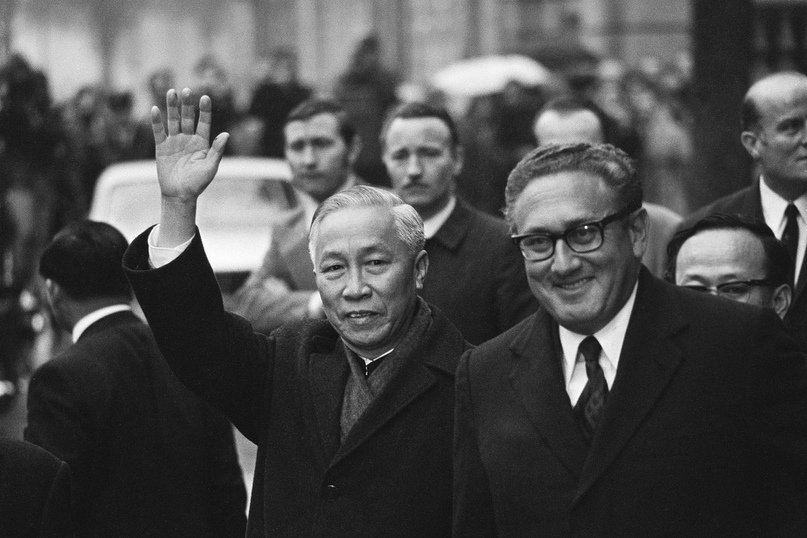
Perhaps the most well-known chapter of Kissinger’s career is his role in the Vietnam War. As the U.S. faced growing domestic opposition to its military involvement and its own soldiers began to revolt, Kissinger devised a strategy to save face while prolonging the suffering of the Vietnamese people. His plan was simple: bomb North Vietnam and Cambodia into submission. This resulted in the deaths of millions and left the region devastated by years of war and destruction. Kissinger’s so-called “peace” negotiations, for which he was absurdly awarded the Nobel Peace Prize, were nothing more than a tactic to buy time and ensure the U.S. could retreat without admitting defeat.
The bombing campaign extended into Cambodia, further destabilizing the region and setting the stage for the rise of the genocidal Khmer Rouge regime. Kissinger’s actions left an indelible scar on Southeast Asia, one that continues to shape the political and economic landscape of the region to this day.
Latin America: The Dark Hand of U.S. Intervention
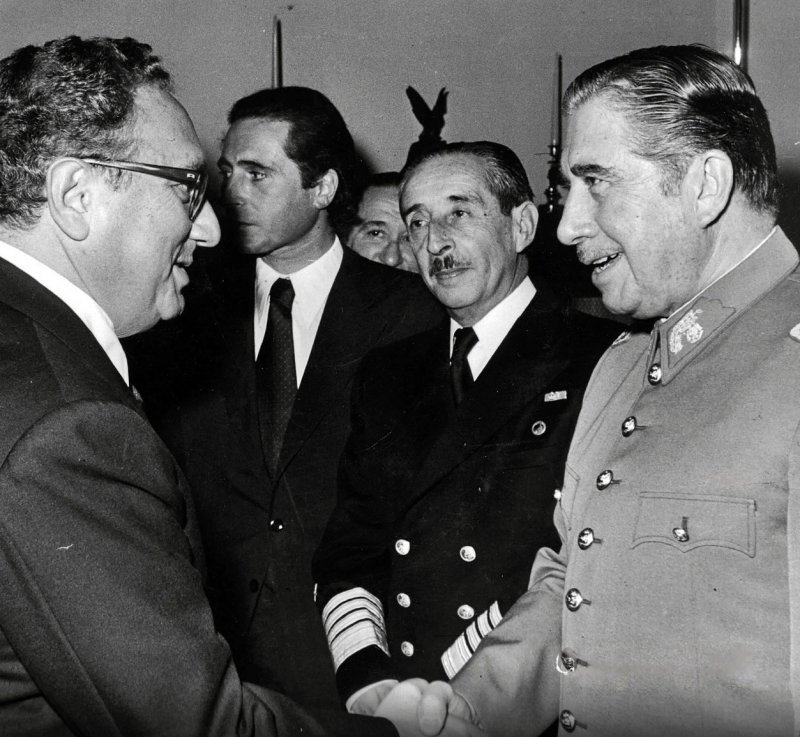
Kissinger’s reach extended far beyond Southeast Asia. In Latin America, his interventions had equally devastating effects. In Chile, he orchestrated the violent overthrow of the democratically elected government of Salvador Allende in 1973, leading to the dictatorship of General Augusto Pinochet. Thousands were tortured, disappeared, and murdered in the brutal years that followed, with U.S. imperialism pulling the strings behind the scenes.
Kissinger’s support for right-wing dictatorships was not limited to Chile. In Argentina, he backed the military junta responsible for the “Dirty War,” a campaign of state terror that claimed the lives of tens of thousands of leftists, workers, and activists. Across Latin America, Kissinger’s policies were a direct attack on any movement that sought to challenge U.S. dominance or pursue socialist change.
The Middle East and Beyond: Imperialism’s Long Shadow
In the Middle East, Kissinger played a key role in maintaining U.S. dominance over the region’s vast oil reserves. His support for Israel during the Yom Kippur War of 1973 cemented the U.S.-Israeli alliance, a partnership that continues to fuel violence and instability across the region. Kissinger’s realpolitik, based on the cynical manipulation of power balances, prioritized U.S. control over Middle Eastern resources at the expense of the millions of people living under occupation and war.
Elsewhere, from supporting Pakistan’s dictatorship in the 1970s to enabling Indonesia’s brutal invasion of East Timor, Kissinger’s actions were always aligned with protecting U.S. strategic and economic interests.
The lives lost and countries destabilized in the wake of his policies reflect the cruel logic of imperialism—where the suffering of millions is justified in the name of preserving the power and profits of the ruling elite.
The Struggle Continues: Lessons from Kissinger’s Legacy
Henry Kissinger’s death in late 2023 offers a moment to reflect on the lasting impact of his policies, but also to understand the broader system he served. Kissinger was not an anomaly—he was the embodiment of U.S. imperialism’s cold, calculating violence, aimed at maintaining global hegemony. His legacy serves as a reminder that the capitalist class will stop at nothing to defend its interests, using war, intervention, and repression to quash any resistance.
For the global working class, Kissinger’s passing highlights the need for continued struggle against the forces of imperialism. The system that produced and celebrated him remains intact, perpetuating war, poverty, and inequality across the globe. From the ongoing conflicts in the Middle East to the struggles of workers in Latin America, the fight against U.S. imperialism remains as urgent as ever.
Toward a New World
As we move forward, the lessons of Kissinger’s bloody career should inspire a renewed commitment to the struggle for socialism. The crimes of imperialism cannot be undone, but they can be confronted through the building of an internationalist movement that seeks to overthrow the system that Kissinger and his ilk served so faithfully. Only through the unity and action of the working class can we hope to create a world free from the violence and exploitation of imperialism.
As we look toward the future, we must continue the fight to dismantle the structures of power that Kissinger helped build. The task is not merely to remember the past but to change the future—to build a world where the resources of the planet are used to benefit all, rather than to maintain the power of the few. The death of Kissinger serves as a reminder that, while the individuals who carry out these crimes may pass, the system they represent must be torn down through revolutionary struggle.