

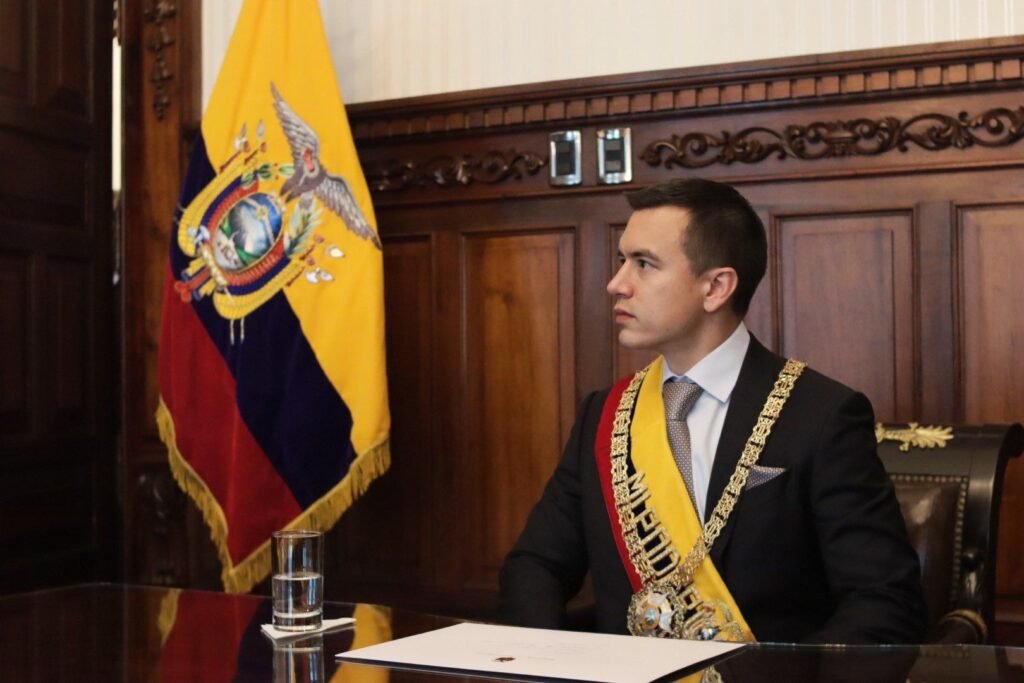
In a stunning political setback for Ecuador’s right-wing President Daniel Noboa, the Ecuadorian electorate overwhelmingly rejected a series of constitutional reforms proposed through a national referendum. The results, a decisive rebuke to Noboa’s vision of restructuring the political landscape, mark a pivotal moment for the country’s working class, indigenous movements, and democratic institutions.
A Resounding No: The Defeat of the Referendum
On the ballot were four key proposals, three of which sought to amend the existing 2008 Constitution, while the fourth called for convening a Constituent Assembly to draft a new one. These proposals included:
1. Lifting the constitutional ban on foreign military bases on Ecuadorian soil.
2. Eliminating public financing of political parties.
3. Reducing the size of the National Assembly from 151 to 73 members.
4. Initiating a process to draft an entirely new constitution.
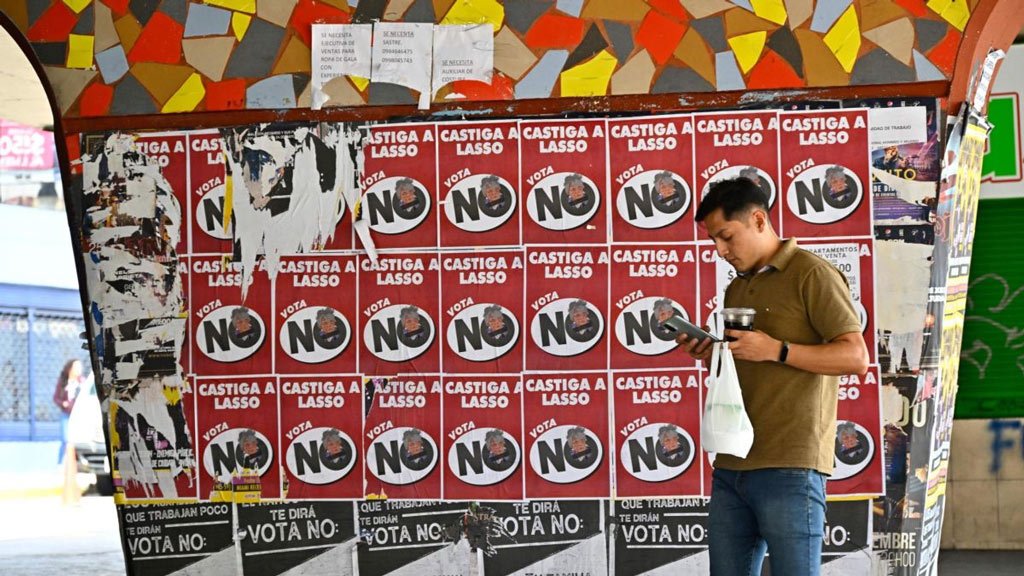
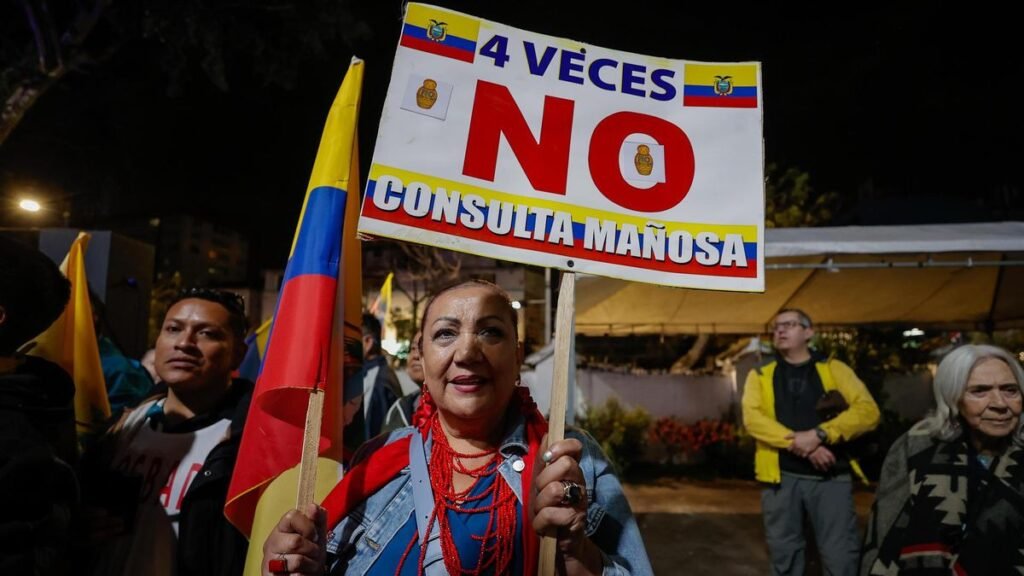
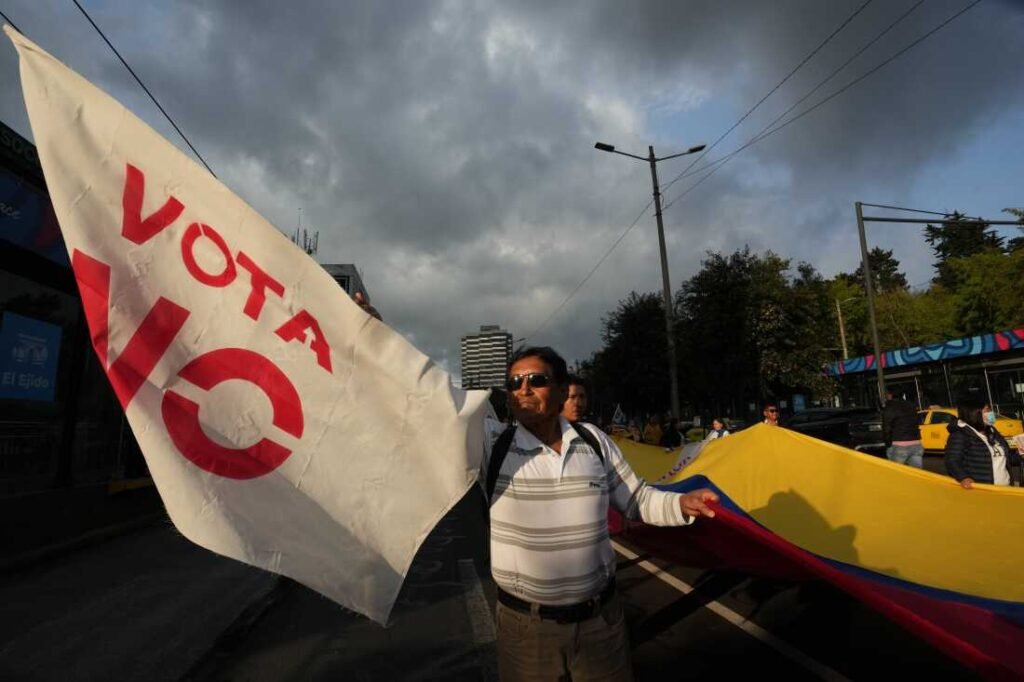
Despite aggressive promotion by Noboa’s administration, all four initiatives were rejected by approximately 60% of voters, with voter turnout reaching an impressive 80%.
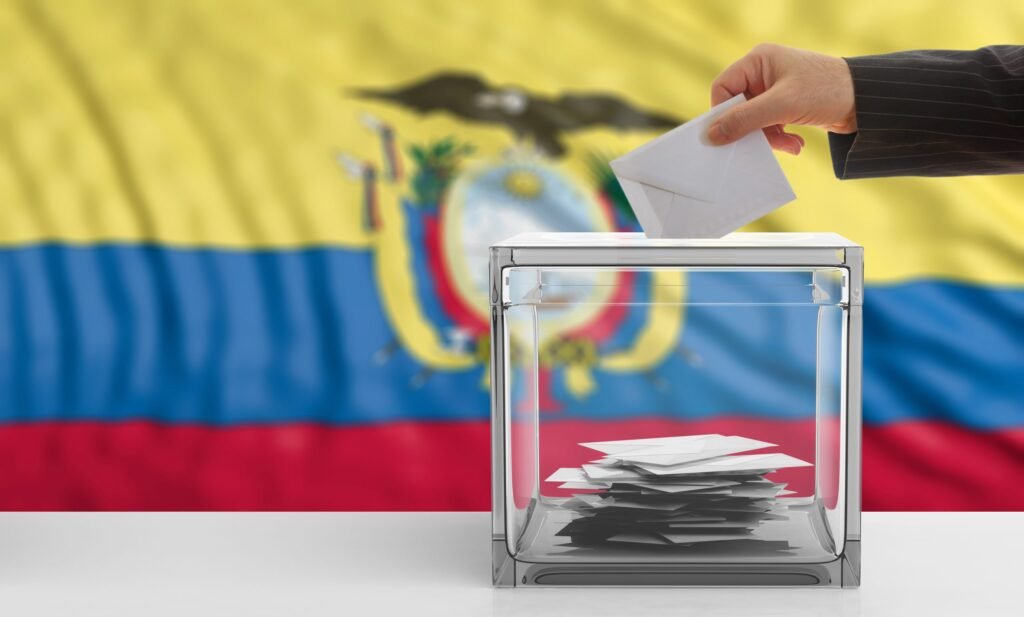
The only province to show majority support was Tungurahua—Noboa’s electoral stronghold—but even there, enthusiasm fell far below his previous performance in the 2025 presidential runoff.
The defeat underscores a growing discontent with Noboa’s administration and a broader skepticism toward attempts to centralize power and suppress democratic pluralism. Rather than enhancing governance, the proposals were widely seen as regressive and potentially dangerous to Ecuador’s fragile democratic balance.
The Power Behind the Opposition
The defeat did not occur in a political vacuum. It was made possible by a powerful coalition of popular forces, including the Confederation of Indigenous Nationalities of Ecuador (CONAIE), the United Workers’ Front (FUT), and the Citizen Revolution Movement (RC) led by former President Rafael Correa. These groups rallied Ecuador’s workers, peasants, and indigenous communities to defend the progressive spirit of the 2008 Constitution. Noboa’s political party, Acción Democrática Nacional (ADN), had expected an easy victory. Their failure to engage the public in meaningful debate or provide clarity about the constitutional changes only deepened public mistrust. The proposals were perceived as thinly veiled attempts to erode civil liberties, undermine opposition parties, and expand executive authority.
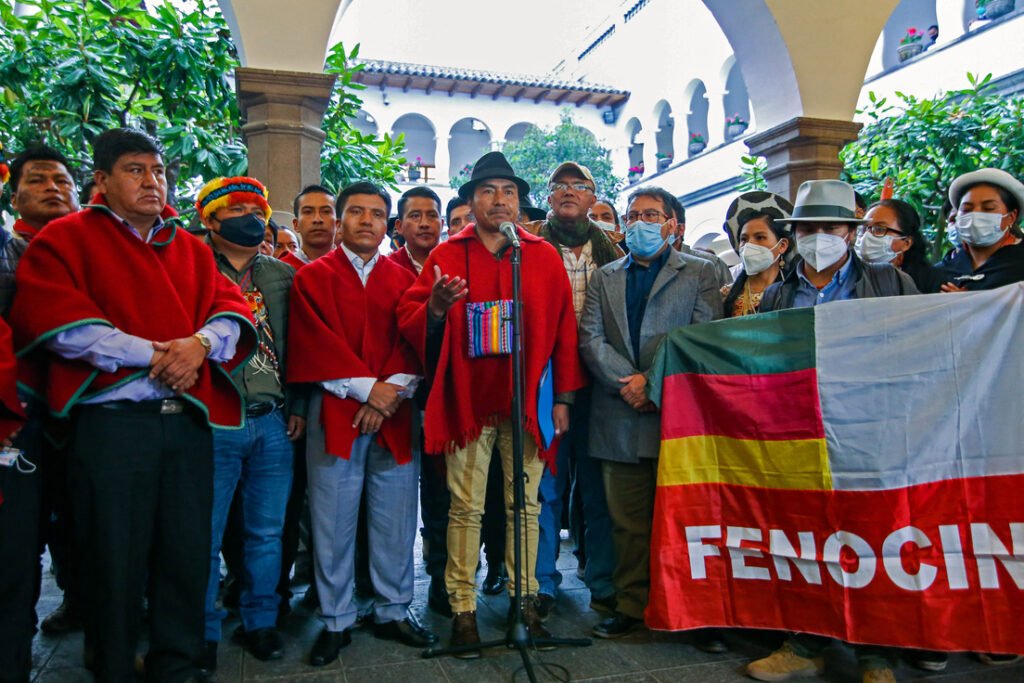
The government’s miscalculation was evident when Noboa declined to address the nation on the night of the defeat. In contrast, opposition leaders celebrated the result as a victory for democratic resistance.
Defending the 2008 Constitution: A Progressive Legacy
Implemented under Correa’s presidency, the 2008 Constitution is hailed as one of the most progressive charters in Latin America. It enshrines a wide array of social and environmental protections, including:
· The prohibition of foreign military bases.
· The decriminalization of personal drug use.
· Legal recognition of same-sex unions.
· Restrictions on extractive industries in protected areas.
Noboa’s referendum was perceived as a direct attack on this legacy. While Correa’s political movement has lost ground due to internal divisions and strategic compromises, the progressive ideals of the 2008 Constitution still command broad public support.
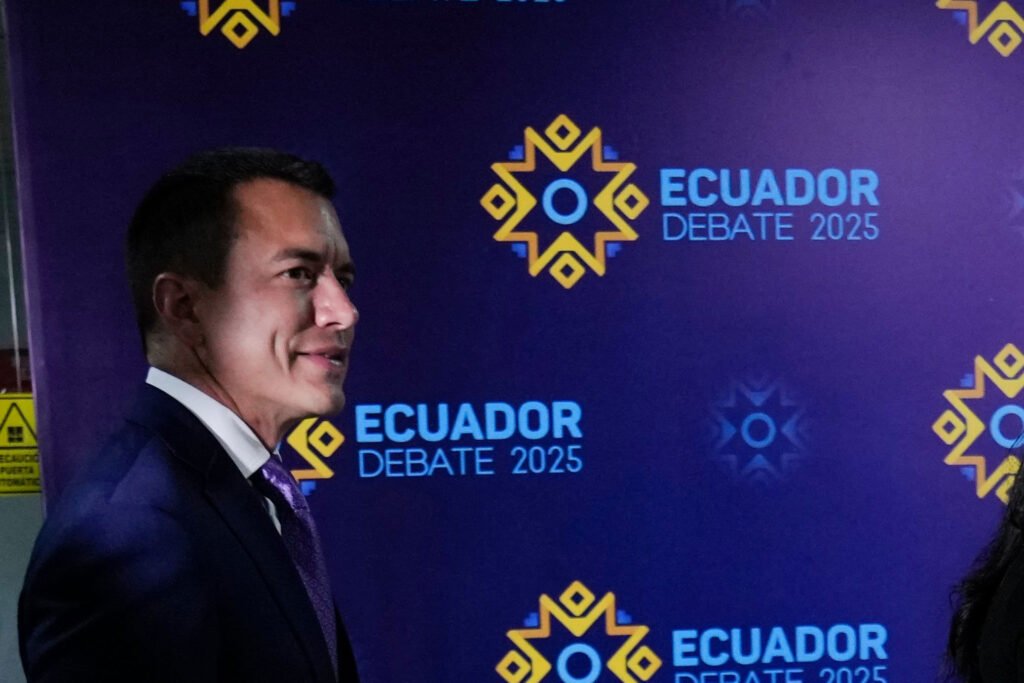
In this context, the referendum evolved into a plebiscite on Noboa’s presidency itself—a rejection not only of the constitutional amendments but of his broader political agenda.
A Geopolitical Balancing Act
One of the most controversial proposals sought to permit the return of foreign military installations—a measure widely interpreted as a nod to Washington. Noboa, a dual U.S. citizen, has been attempting to curry favor with the United States, offering tours of decommissioned military sites in Manta and Salinas to U.S. officials. These overtures come amid efforts to expand U.S.–Ecuador cooperation in security and trade.
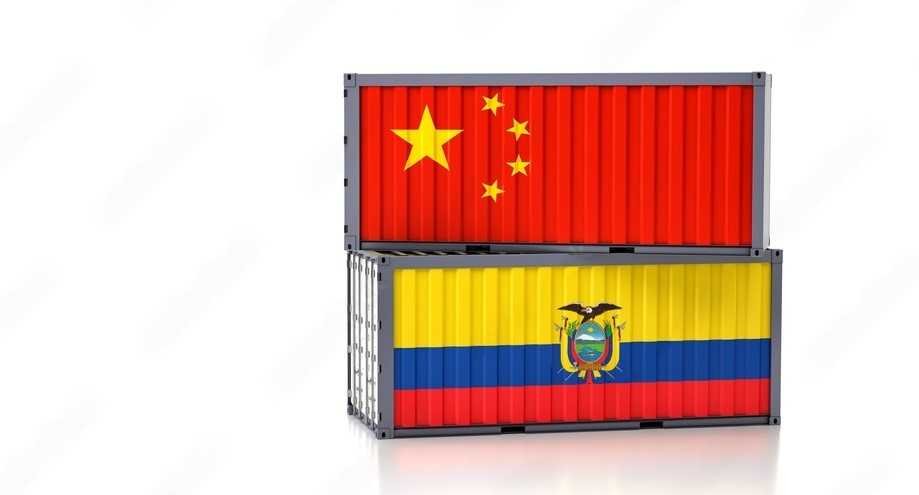
Yet, Ecuador is also deeply intertwined with China. Since 2009, China has been the country’s primary creditor and a major trading partner. Noboa’s first diplomatic mission was to Beijing, and Ecuador’s exports to China have surged, reaching $5 billion in 2024. Chinese capital has increasingly influenced domestic affairs, with Beijing even stepping in to provide aid to businesses affected by indigenous-led protests against fuel subsidy cuts.
Caught between these two superpowers, Noboa’s failed referendum was seen as an attempt to recalibrate Ecuador’s foreign policy by strengthening ties with the United States—at the cost of national sovereignty and constitutional principles.
Suppressing Representation: The Real Intent of Proposals B and C
Proposals to slash the number of legislators and eliminate public funding for political parties would have disproportionately harmed smaller parties representing marginalized populations, including indigenous communities and rural workers.
By weakening these parties, Noboa aimed to consolidate the influence of larger, well-financed entities like his own ADN. The effort to push these changes through under the guise of “efficiency” and “anti-corruption” failed to deceive the electorate, who saw them as thinly disguised tools of authoritarianism.
A Blank Check for a New Constitution?
Perhaps the most opaque and dangerous aspect of the referendum was Noboa’s proposal to convene a Constituent Assembly. He offered no concrete roadmap or objectives, only vague statements about strengthening the state’s capacity to combat drug trafficking. At one point, he even mused about using artificial intelligence to draft a new constitution—an idea that alarmed legal experts and citizens alike.
For many, this proposal was an attempt to wipe away the 2008 Constitution’s progressive guarantees under the pretense of national security. It revealed the administration’s desire for unchecked authority and a weakened opposition.
The Power of Mass Mobilization
Despite the government’s defeat, Ecuador’s political situation remains precarious. Noboa continues to enjoy support from sections of the oligarchy and remains committed to policies aligned with elite and foreign interests. Following the failed referendum, he traveled to the United States, signaling his determination to persist with his agenda.
However, the referendum results have emboldened civil society and popular movements. The defeat was not simply a rejection of bad policy—it was a defense of a democratic and socially just vision for Ecuador’s future. The lesson is clear: constitutional guarantees are only as strong as the social movements that defend them.
A Warning and a Window of Opportunity
Ecuador’s rejection of Noboa’s referendum sends a clear message: the people will not passively accept authoritarian drift disguised as reform. It is also a reminder that genuine democratic power lies not in presidential palaces but in the mobilized energy of workers, peasants, youth, and indigenous communities.
The challenge now is to transform this defensive victory into a proactive strategy—building alliances, strengthening grassroots organizations, and articulating a program for a just and democratic Ecuador. As global struggles intensify, Ecuador’s experience stands as both a warning and an inspiration for movements across the world.