
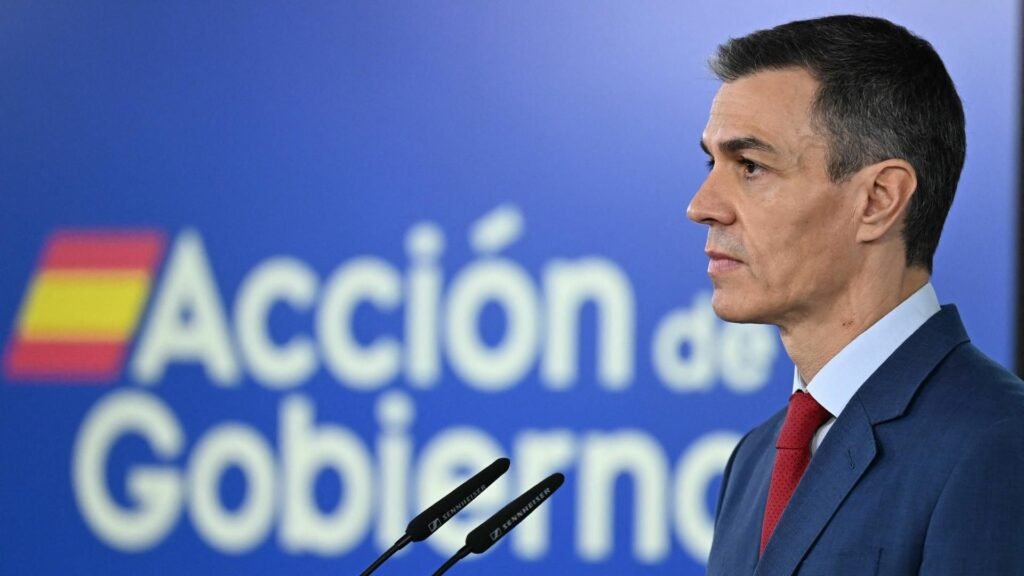
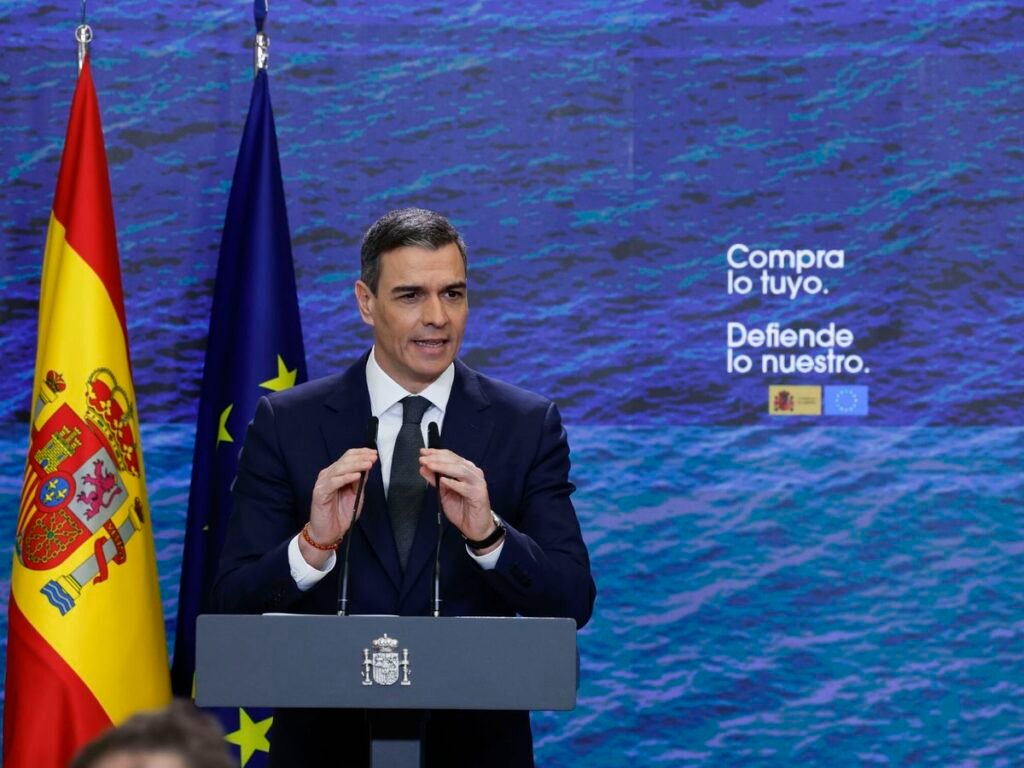
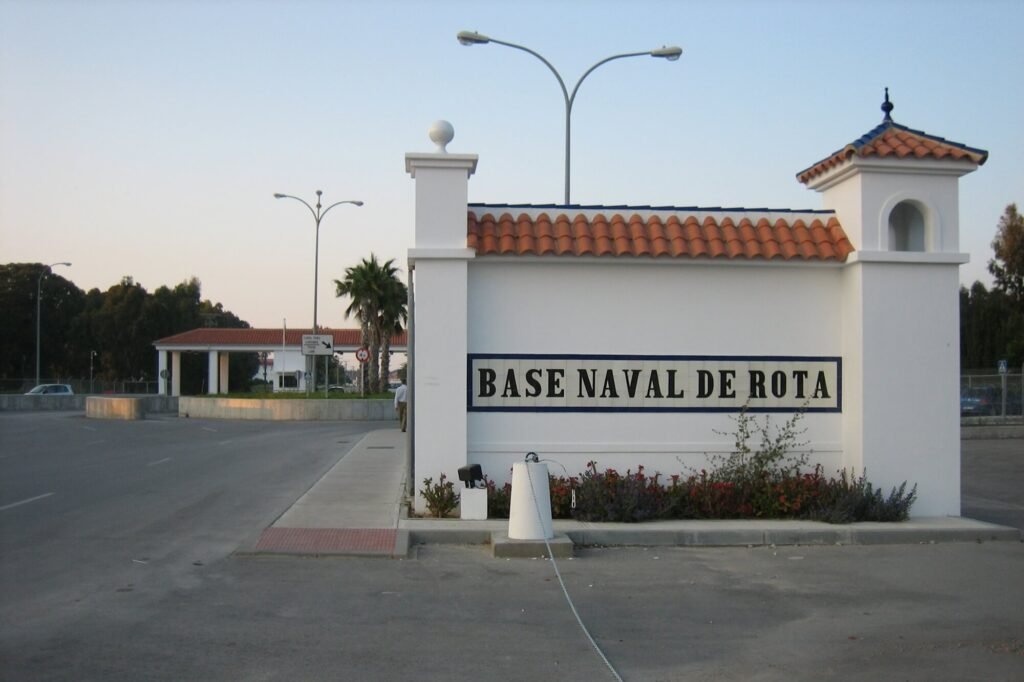
The recent military offensive launched by the United States and Israel against Iran has exposed deep fractures and systemic subservience within the European Union. Amidst this geopolitical crisis, Spanish Prime Minister Pedro Sánchez has emerged as a rare dissenting voice among major Western leaders. Citing international law, the Spanish government officially denied the US permission to utilize its military bases in Rota and Morón as launching pads for the military campaign. In response, US President Donald Trump levied harsh criticisms against Spain, labeling the country a “terrible ally” and threatening severe trade embargoes—a threat largely neutralized by Spain’s integration within the European Union’s protective trade bloc.
The Contrast of European Capitulation
Spain’s initial diplomatic resistance sharply contrasts with the broader European response, which has been characterized by profound capitulation to Washington’s demands. European Commission President Ursula von der Leyen issued hollow statements regarding international law while failing to condemn the illegality of the initial attacks against Iran. Similarly, British Prime Minister Keir Starmer reversed his initial hesitation, ultimately permitting the US to utilize the Diego Garcia military base for its bombing operations.
French President Emmanuel Macron rhetorically acknowledged the strike’s illegality only after Spain’s public stand, yet he contradicted this posture by offering French military installations and deploying a nuclear aircraft carrier to the eastern Mediterranean. Most notably, German Chancellor Friedrich Merz stood silently beside Trump at the White House as the US President insulted Spain, later affirming his alignment with Trump’s goal of rapidly overthrowing the Iranian government and pledging to pressure Madrid into increasing military spending.
The Domestic Political Calculus
However, Sánchez’s defiant posture is not merely a product of moral conviction; it is deeply intertwined with domestic political calculations. The Spanish Prime Minister leads a fragile coalition that relies heavily on the left-wing Sumar alliance and various regional parties, which exert continuous pressure for a more pacifist and independent foreign policy.
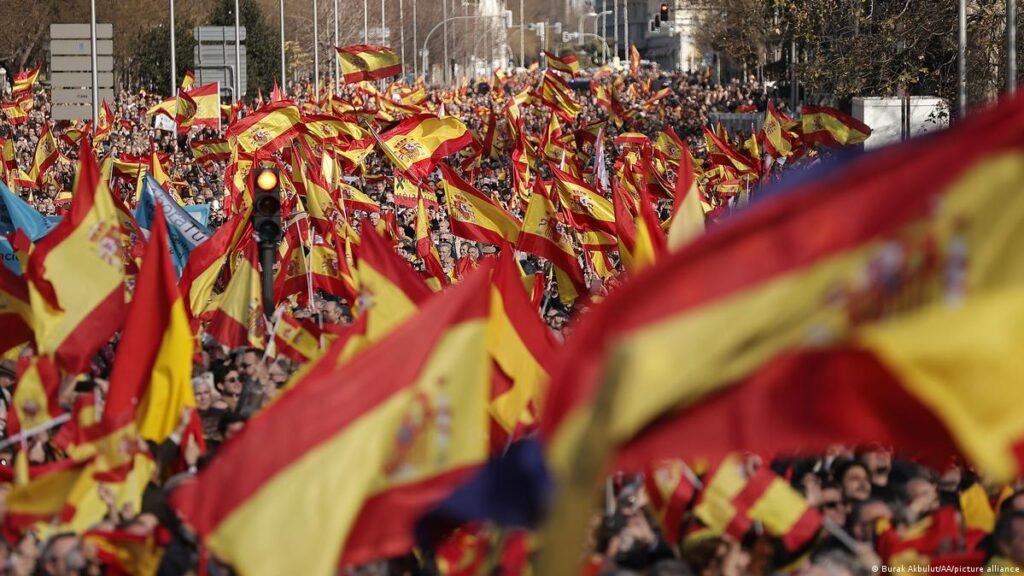
Furthermore, Sánchez is tapping into a potent historical sentiment within Spanish society. By reviving the slogan “No to war” (No a la guerra), he evokes the massive 2003 demonstrations against the Iraq War, which ultimately compelled a former Socialist government to withdraw Spanish troops from the Middle East. With polls indicating that 80 percent of Spaniards view Trump as a threat to global peace, Sánchez is likely utilizing this international dispute to generate a “rally-round-the-flag” effect. This strategy aims to consolidate progressive support and outmaneuver the conservative Partido Popular ahead of potential early elections.
The Reality of Ongoing Complicity
Despite this strong public rhetoric, a closer examination reveals significant contradictions and ongoing complicity with the US military apparatus. While Spain publicly prohibited the use of Rota and Morón for the active bombing phase, the government permitted dozens of US fighter jets, surveillance aircraft, and logistics planes to utilize these very facilities for preparatory operations in the weeks leading up to the attack.
More recently, following an undisclosed meeting between Spanish Defense Minister Margarita Robles and US Ambassador Benjamin León, Madrid announced the deployment of a naval frigate and a supply ship to the eastern Mediterranean. These vessels are tasked with supporting the “defense” of the British military base at Akrotiri in Cyprus, which serves as a critical staging area for the ongoing military operations against Iran.
A Genuine Path to Peace
This naval deployment demonstrates that Spain remains entangled in the broader conflict, undermining the administration’s purely pacifist narrative. The current crisis illustrates that rhetorical opposition and reliance on standard diplomatic channels are insufficient to prevent the expansion of international conflicts.
A genuinely independent and peaceful foreign policy requires moving beyond performative defiance. A consistent approach would necessitate a fundamental reassessment of bilateral defense agreements, the closure of foreign military bases on Spanish soil, and a serious public referendum regarding Spain’s continued membership in NATO. Furthermore, as the economic repercussions of the war threaten to raise domestic energy costs, government policies must prioritize the welfare of ordinary citizens over the financial interests of multinational energy corporations and the defense industry.