

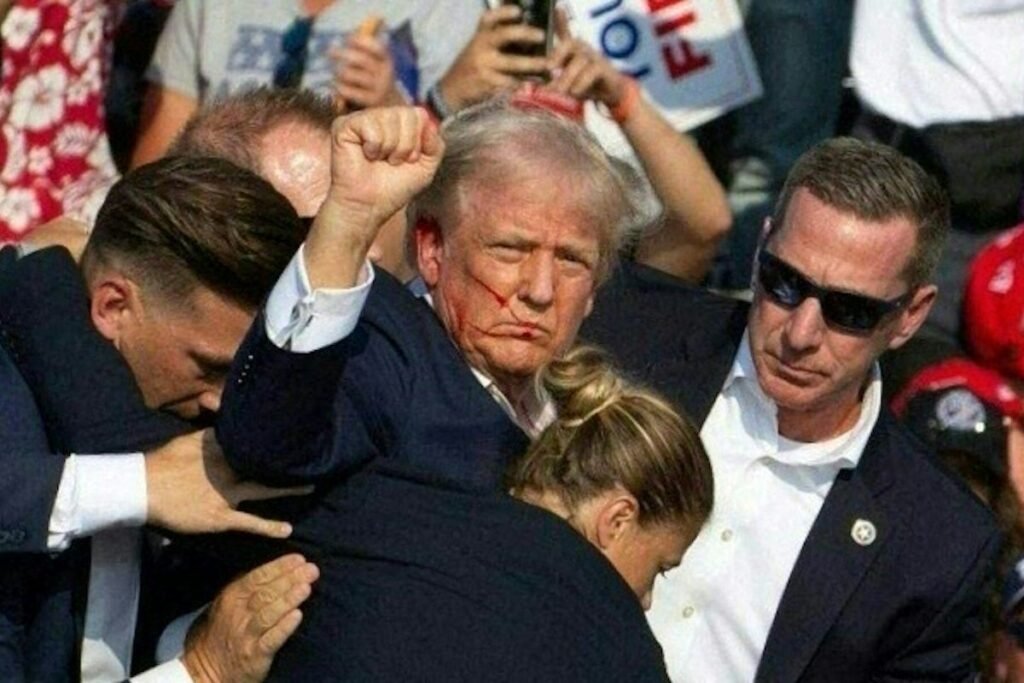
The recent assassination attempt on Donald Trump, narrowly avoided at a Pennsylvania rally, has plunged the United States deeper into a polarized and volatile political atmosphere. Trump’s brush with death during the campaign season has exacerbated an already tense election year, laying bare the fragility of American democracy. For many, this incident marks a turning point, heightening the stakes as November’s elections approach and underscoring the deep rift in the nation’s political culture.
The Republican National Convention, convened just days after the attempted shooting, provided a glimpse into the intensity of this moment. Attendees rallied around Trump with renewed fervor, interpreting the attack as a validation of their fight to “take back America.” Trump, appearing before the convention with visible injuries, was met with cheers and calls to defend their shared values. While this response highlighted the unity within Trump’s base, it also revealed an underlying atmosphere of distrust and resentment toward an establishment perceived as hostile to their cause.
The Normalization of Violence in American Politics
The attempt on Trump’s life did not emerge in isolation. It follows years of political rhetoric that has increasingly embraced aggressive language and stoked division. The shooter, 20-year-old Thomas Crooks, remains an enigma with no clear motive. The FBI has yet to determine whether his actions were politically motivated, though many have taken his act as symptomatic of a broader trend in America. In a society where violence has become normalized through both rhetoric and policy, incidents like these seem less shocking and more like an expected outcome of escalating political tensions.

American leaders on both sides of the aisle have contributed to this environment. Trump has famously used inflammatory rhetoric, invoking “Second Amendment people” as a potential check on his political rivals. His language is mirrored on the left, with occasional calls for confrontational tactics to counter the opposition. This climate, where aggressive discourse permeates political spaces, has reshaped the American political landscape into one where hostility increasingly overshadows dialogue.
A Nation Edging Closer to Civil Conflict
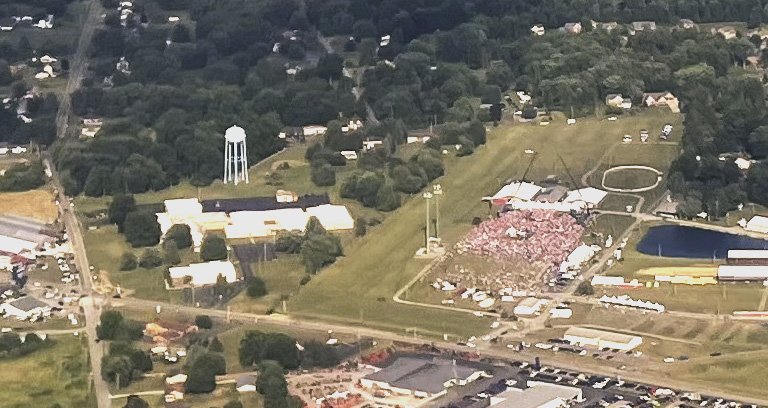
The attempted assassination sent a wave of fear and anger across the nation, prompting many to consider the unthinkable: the possibility of a civil conflict. At the Pennsylvania rally, chants of “civil war” echoed through the crowd as attendees vented their frustration. Social media lit up with calls to action, and search terms like “American Civil War” surged to record highs. The rhetoric from some Republican leaders has only amplified this sentiment, with figures at the convention labeling Democratic policies as a “clear and present danger” to the nation. This language, while energizing for the base, raises the risk of inciting further violence.
Should a future attack succeed, experts fear the country could see a wave of retaliatory violence that would make containment nearly impossible. The polarization has reached a point where even the concept of a shared national identity feels tenuous. The specter of civil unrest looms over the election, with many worrying that the institutions of democracy may be too fractured to withstand the pressure.
Guns and Political Assassinations: An Enduring American Dilemma
The incident has reignited debates on gun control, as Americans confront the reality that firearms are easily accessible, even to those with potentially dangerous motives. In Pennsylvania, where state laws allow individuals as young as 18 to purchase semiautomatic rifles, some see the attack as a clarion call for reform. Others, however, argue that any restriction would infringe upon fundamental freedoms, reflecting the nation’s deep division over gun rights.
At the same time, the United States has long used violence as a tool of statecraft, normalizing assassination as part of foreign policy. This tradition of political violence is woven into the fabric of American society, where leaders like Obama and Trump have sanctioned high-profile assassinations abroad. Such state-sanctioned violence has implications for domestic politics, where the line between acceptable force and political necessity grows increasingly blurred.
Reflecting on the Path Forward
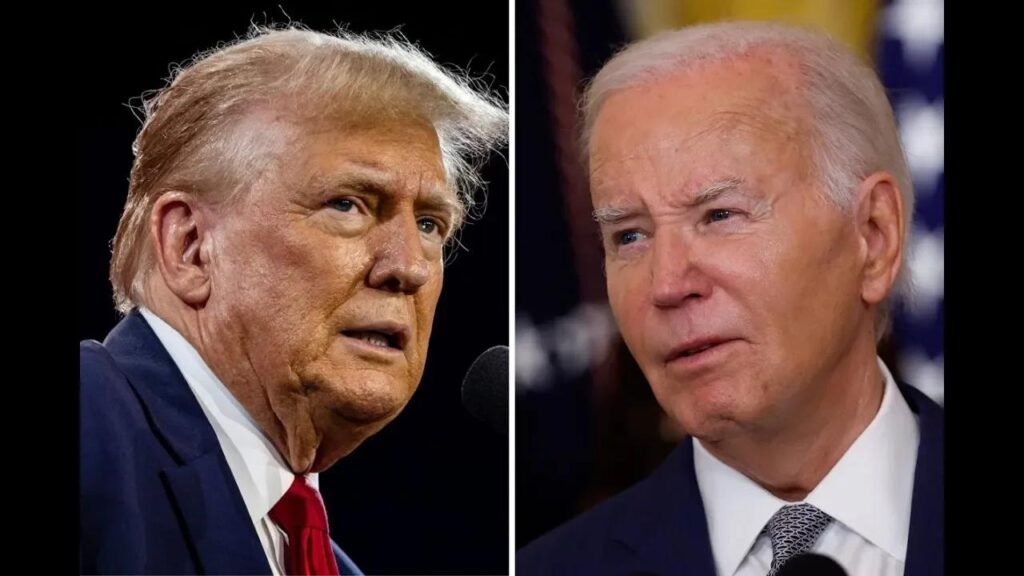
The events in Butler and Milwaukee underscore the urgent need for a national reckoning. Both Democrats and Republicans have contributed to an environment where political violence feels almost inevitable. As tensions escalate, leaders from both sides must grapple with the consequences of their actions and rhetoric. The challenge is not just to avoid future violence but to fundamentally reshape the way Americans engage in political discourse.
Calls for restraint have emerged from both sides of the political spectrum. Trump’s supporters, invigorated by their candidate’s survival, are urged to channel their energy constructively, while Democrats are encouraged to reflect on the impact of their own language. Critics argue that politicians must abandon the language of “war” and “revolution” when describing campaigns, recognizing that these words only add fuel to an already combustible environment.
Democracy on the Line
With November’s election looming, both parties face a choice: continue down a path of division or seek a way to bridge the nation’s widening gap. The stakes have never felt higher, as America stands at a crossroads where democratic competition risks devolving into open conflict. For Republicans, Trump’s near-assassination serves as a rallying point. For Democrats, Biden’s struggle to connect with voters further complicates the situation, as citizens question the viability of his leadership in uniting a divided nation.
This crisis offers Americans a stark choice. They can choose reason and reconciliation or continue on a trajectory of escalating violence that threatens the foundation of democracy itself. With the attempted assassination fresh in memory, the nation faces a critical decision — one that will shape the future of American society and the ideals upon which it stands.