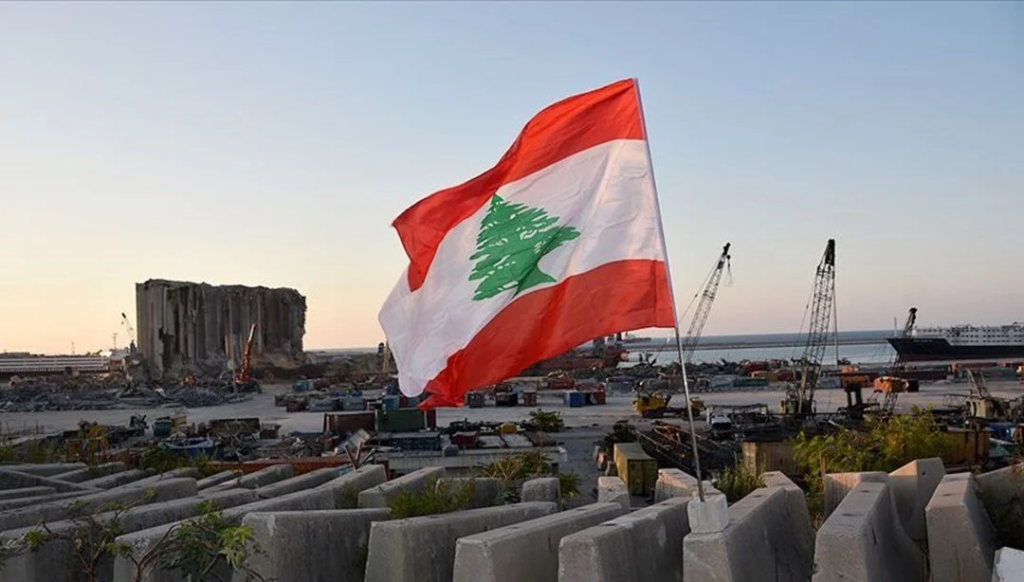

Middle East at a Breaking Point: Israel’s Aggressive Tactics Push Iran and Hezbollah Closer to Conflict
In recent weeks, the Middle East has witnessed a dramatic escalation in tensions as Israel, emboldened by staunch U.S. support, has carried out high-profile assassinations and targeted strikes across the region. The assassination of Ismail Haniyeh, a senior Hamas leader, in Tehran and Hezbollah commander Fuad Shokr in Beirut on July 30 and 31 has provoked widespread international alarm, drawing warnings from global powers, including the G7. These actions, which Israel has framed as necessary preemptive measures, have drawn Iran and Hezbollah closer to confrontation and threaten to destabilize an already fragile region.
Prime Minister Benjamin Netanyahu’s administration has aggressively pursued these operations, signaling a new phase in Israel’s regional policy.
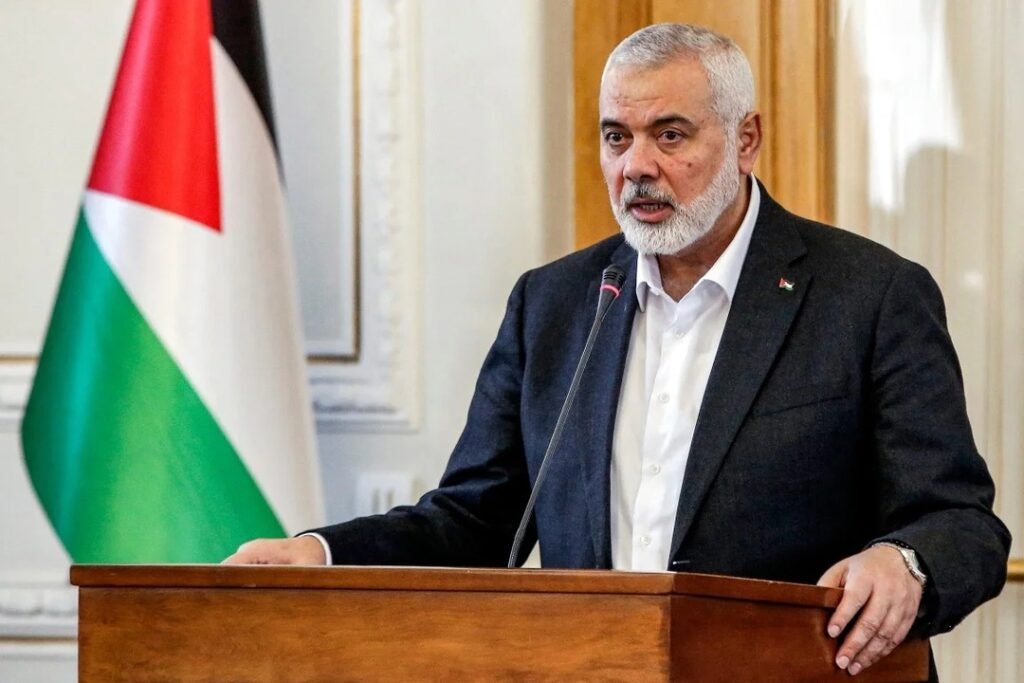
For Netanyahu, the message is clear: Israel will take whatever measures necessary to counter its adversaries, regardless of borders or potential regional fallout. However, this bold approach has ignited outrage in Tehran and Beirut, with Iranian and Hezbollah leaders vowing to respond in kind if further provocations continue.
Strategic Calculations and Escalating Threats
Israel’s current policy reflects a calculated effort to assert dominance in the region while simultaneously challenging Iranian influence and Hezbollah’s capabilities. Defense Minister Yoav Gallant recently reinforced Israel’s stance, stating, “Escalation with Hezbollah and Iran is not just a hypothetical; it’s a realistic, calculated measure if security demands it.”
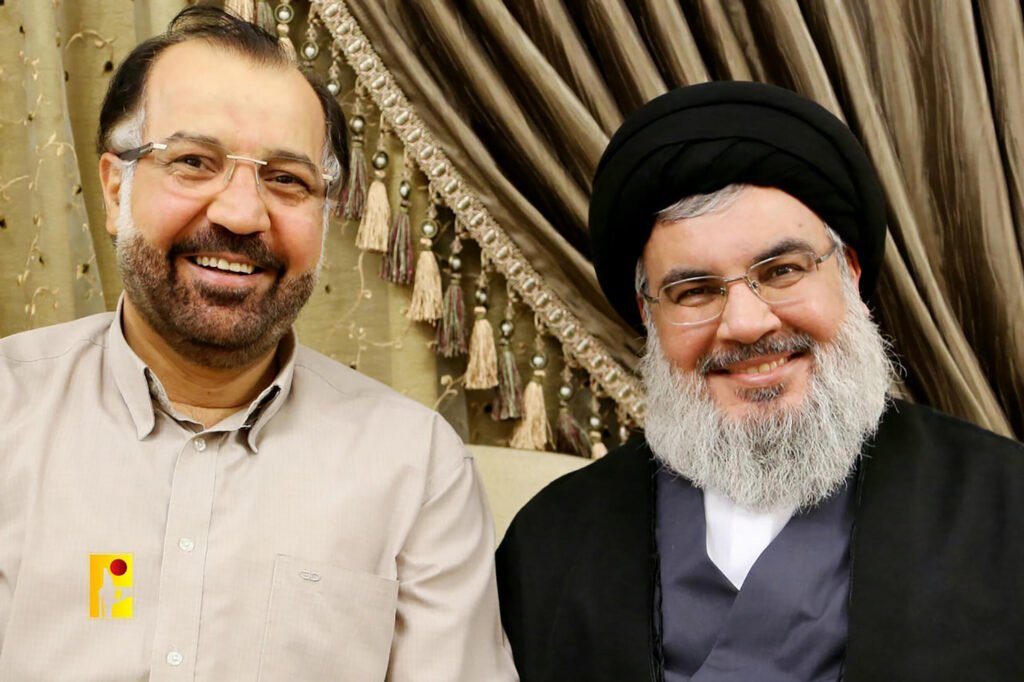
For Netanyahu, the recent assassinations of Haniyeh and Shokr were both a strategic win and a demonstration of Israel’s resolve.
Iran’s response has been one of controlled anger. Supreme Leader Ayatollah Ali Khamenei condemned Israel’s actions as a flagrant violation of sovereignty, warning of severe consequences if Israel persists. However, Iran has refrained from immediate military retaliation, instead pursuing diplomatic channels to rally regional and global condemnation of Israel’s actions. Khamenei’s measured response underscores Iran’s strategy of reserving force while evaluating long-term implications and potential responses that could assert its deterrence without immediately igniting a full-scale conflict.
The U.S. Role: Complicity or Diplomacy?
Despite Vice President Kamala Harris’s public calls for a ceasefire and de-escalation, the Biden administration’s actions suggest a different approach. Just weeks after approving a $20 billion arms deal with Israel that includes advanced fighter jets, the U.S. has also deployed additional military assets to the region. These moves, while framed as defensive measures, have been criticized as tacit support for Israel’s aggressive tactics. The Biden administration’s policy has thus revealed the tension between public diplomacy and on-the-ground military commitments, signaling unwavering backing of Israeli interests despite international calls for restraint.
Critics argue that the Biden administration’s continued support emboldens Israel’s stance, providing it with both the resources and political cover to pursue its objectives against Iran and Hezbollah. At the same time, Washington has used diplomatic channels to communicate with Iran and Hezbollah, warning that any retaliation could lead to a wider American-backed Israeli offensive. This dual approach illustrates the complex role of the U.S. as both an ally and a power broker in a region where stability is increasingly tenuous.
Global Condemnation and Regional Calculations
Internationally, Israel’s actions have prompted concerns of “regionalization” of the conflict, with G7 ministers issuing a unified statement urging restraint. The escalating hostilities have led several Western countries to advise their citizens to evacuate Lebanon, where Hezbollah’s influence and Israeli strikes risk a rapid descent into violence. Lebanese Prime Minister Najib Mikati has been proactive in preparing the country for potential fallout, mobilizing emergency resources to address the humanitarian implications of a possible conflict.
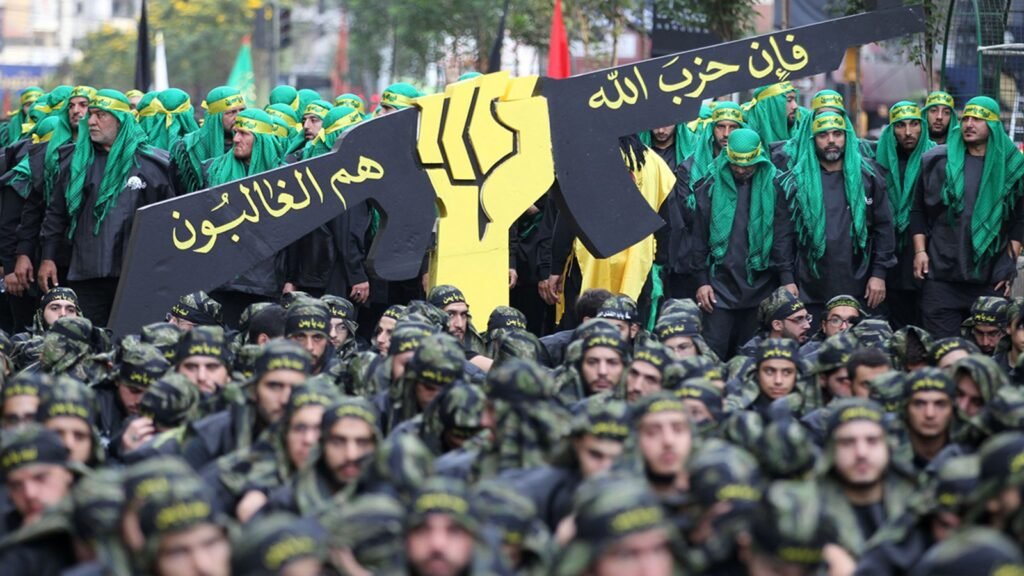
Amid this, Hezbollah has found an opportunity to strengthen alliances within Lebanon’s diverse communities. Nasrallah’s emphasis on Lebanon’s national integrity has garnered the group support from across the political spectrum, especially among Sunnis who sympathize with the Palestinian cause. This unity-building effort is a tactical move to solidify Hezbollah’s position at home, ensuring that any retaliation against Israel is supported by the Lebanese public, even as sectarian tensions remain a complex backdrop.
The Unsteady Road to Peace: Ceasefire Talks Amid Conflict
Ceasefire negotiations between Israel and Hamas, initially postponed after Haniyeh’s assassination, are now tentatively scheduled to resume on August 15. Mediation by the U.S., Qatar, and Egypt has resulted in a framework proposal calling for an Israeli withdrawal from Gaza, a prisoner exchange, and humanitarian provisions for Gaza’s besieged population. However, the likelihood of reaching a lasting agreement is low, as the underlying issues of occupation, Palestinian rights, and ongoing military campaigns remain unaddressed.
Yahya Sinwar, who has taken over Hamas’s political leadership following Haniyeh’s assassination, has voiced skepticism regarding Israel’s intentions.
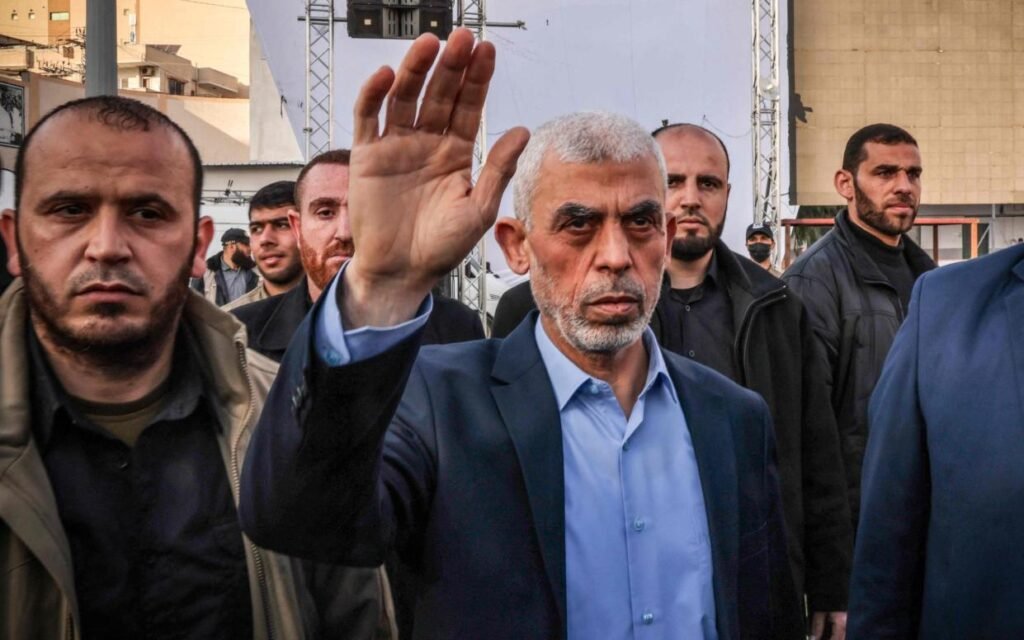
Sinwar has called on international actors to hold Israel accountable to prior commitments, expressing doubt that any negotiation can yield genuine peace without an enforceable framework. For many observers, these talks represent a superficial attempt at stability, as long-term peace hinges on resolving core issues that are unlikely to be addressed in a single ceasefire agreement.
High Stakes for Israel, Iran, and Hezbollah
The potential for a wider conflict involving Iran and Hezbollah remains a pressing concern. Should hostilities continue to rise, Hezbollah’s considerable rocket arsenal poses a significant threat to Israel. While Israel’s Iron Dome system has proven effective in limited engagements, a sustained offensive from Hezbollah would likely overwhelm these defenses, exposing Israeli cities to severe and sustained attacks. For Israel, this threat underscores the high-risk nature of its current strategy, as any miscalculation could result in extensive damage and civilian casualties on both sides.
Iran’s regional influence further complicates the situation. Tehran’s commitment to supporting its allies while avoiding direct confrontation positions it as a central actor in the Middle East, capable of influencing events through a complex network of regional partnerships. However, continued Israeli provocations could push Iran to more direct involvement, transforming an already volatile situation into a broad conflict that threatens regional stability.
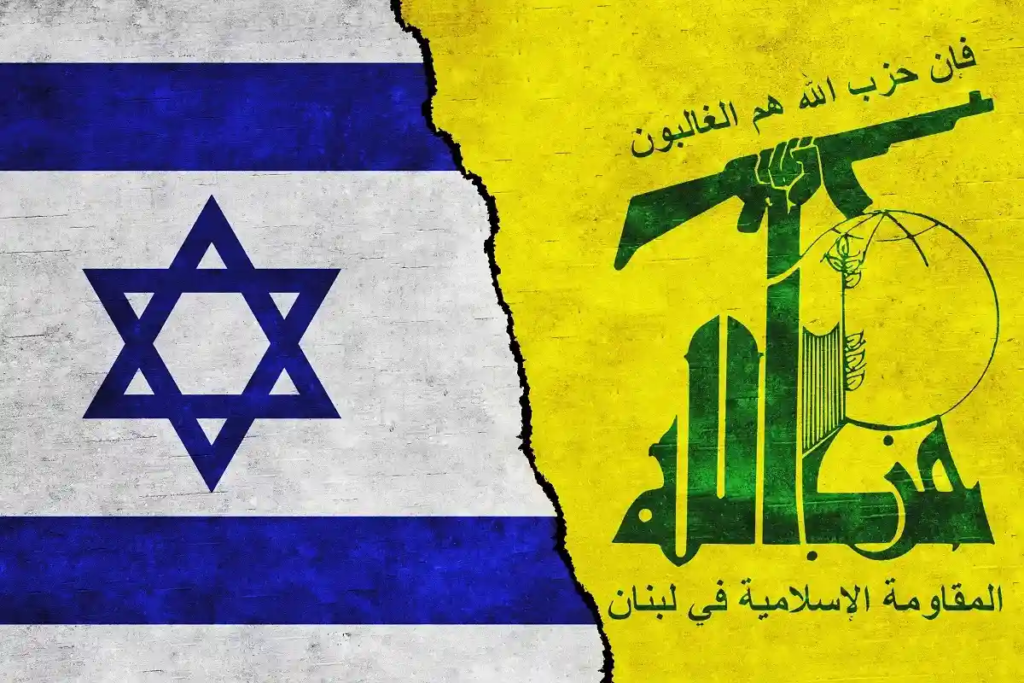
As August progresses, the Middle East finds itself at a crossroads, with diplomatic efforts and military posturing locked in a delicate balance. The Netanyahu administration’s assertive strategy has tested the limits of regional stability, while Iran and Hezbollah’s restrained yet resolute responses indicate their readiness to defend their interests. With Israel set on maintaining its regional dominance, the possibility of escalation remains ever-present.
The coming weeks will reveal whether diplomacy or conflict will prevail in the Middle East. The world’s eyes are now on the region, as the risks of war loom large and the path to peace appears fraught with obstacles. In this landscape, the stakes for all parties have never been higher, with the potential for regional and even global consequences hanging in the balance.