

France’s Left at a Crossroads: Unity in Crisis Amid Rising Far-Right Influence
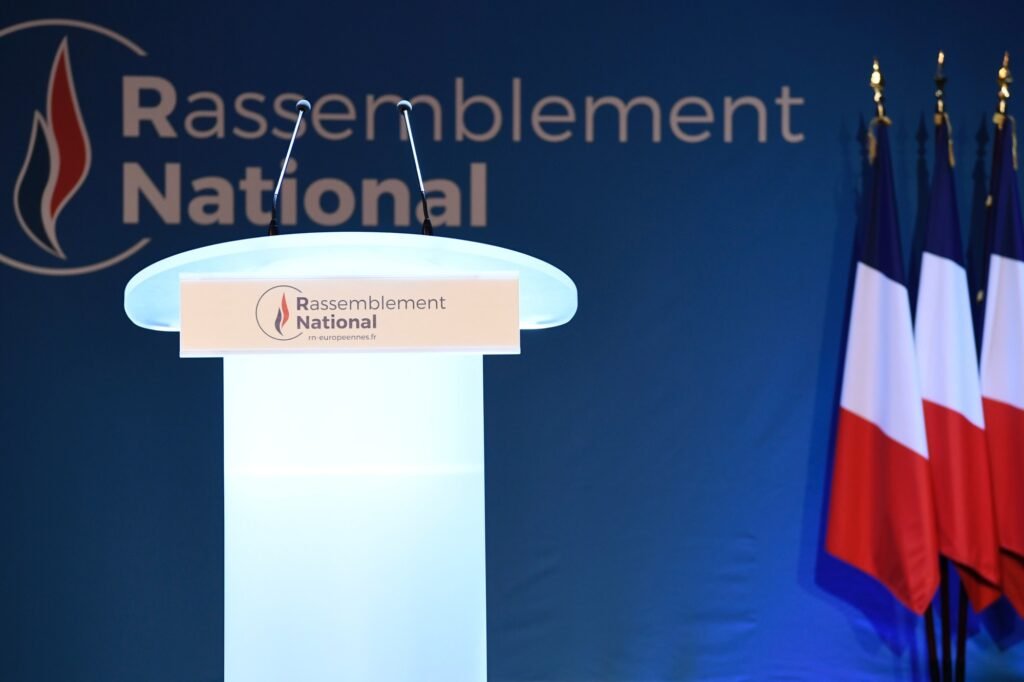
As France approaches its June 9 European elections, the left-wing political landscape is again at a crucial juncture. In an attempt to counter the growing threat from the far-right Rassemblement National (RN), France’s leftist parties — France Insoumise (FI), the Socialist Party (PS), the Greens, and the Communists — have reunited under the Nouveau Front Populaire (NFP). This new alliance was intended to reclaim the cohesion seen in 2022 under the New Ecological and Social Popular Union (NUPES), which previously blocked President Macron’s party from securing a parliamentary majority. However, internal tensions and ideological divides within the left threaten the NFP’s unity as it grapples with a surging far-right opposition.
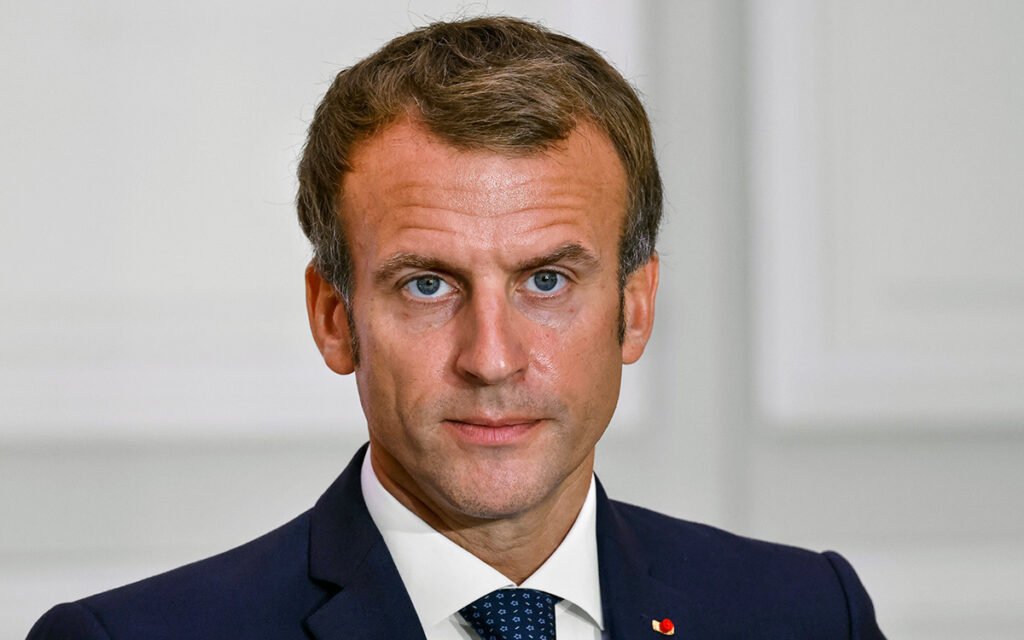
Emmanuel Macron’s snap election call, aimed at exploiting divisions within the left to consolidate a “republican front” against RN, spurred the leftist factions to align temporarily. Yet, the initial solidarity that formed the NFP has already begun to fray. While this alliance has presented a shared platform for democratic reform, economic justice, and green investments, recent controversies within FI threaten the durability of the bloc, exposing the underlying fractures within France’s left.
France Insoumise’s Internal Struggles
France Insoumise’s internal discord, centered around its leader Jean-Luc Mélenchon, has sparked debate over party unity and leadership. The decision to exclude prominent members like Alexis Corbière and Raquel Garrido — both advocates for greater cooperation with other leftist forces — has been perceived as a “purge.” Mélenchon’s influence within FI has stirred criticism, with members and supporters arguing that his authoritarian approach risks alienating valuable allies within the NFP. Corbière and Garrido’s sidelining not only reflects internal FI power struggles but also underscores a larger problem: FI’s history of adopting an uncompromising stance that often isolates it from potential left-wing collaborators. This exclusionary move has sparked widespread concern, as even FI’s coalition partners fear that Mélenchon’s approach could fracture the alliance.
Dissenting voices within FI argue that the decision undermines the core mission of the NFP, which is to foster unity against both Macron’s centrist policies and the rising far-right threat. Members like Clémentine Autain and François Ruffin, though retained as candidates, have expressed reservations about FI’s direction, highlighting the need for balance between internal coherence and broader coalition-building.
A Left-Wing Alliance Amidst Far-Right Ascendancy
The NFP’s inception reflects a shared desire to counter RN’s political momentum, which has found support in economically strained rural and suburban areas. Under the leadership of MEP Jordan Bardella, RN has consolidated its base across various social strata, widening its appeal beyond the traditional blue-collar demographic. The far right’s influence has grown in part due to its emphasis on issues of national identity, security, and economic stability — topics that have resonated widely amidst rising social discontent.
While the NFP aims to build a robust opposition to RN, the alliance is tested by fundamental ideological divides. The PS, particularly figures like Raphaël Glucksmann, has taken centrist stances on foreign policy issues, diverging sharply from FI’s more anti-imperialist approach. This split is most evident in the discourse surrounding Israel-Palestine; PS maintains support for Israel, while FI frames the conflict through an anti-colonial lens, advocating for Palestinian rights. Macron’s government has leveraged these differences, accusing FI of fostering “ambiguities” on anti-Semitism, a narrative echoed by parts of the media and PS, further straining unity within the NFP.
Electoral Realities and Strategic Challenges
The upcoming elections present unique challenges for the left-wing coalition. France’s electoral structure, especially in European Parliament elections, incentivizes individual parties to run independently, as proportional representation reduces the need for pre-election alliances. This system has intensified competition within the left, with PS and FI vying for dominance over the NFP platform. The presence of figures like former President François Hollande, now a candidate for PS, adds complexity. Hollande’s candidacy has drawn skepticism due to his neoliberal policies during his presidency, which some see as conflicting with the NFP’s agenda for social reform and economic equality.
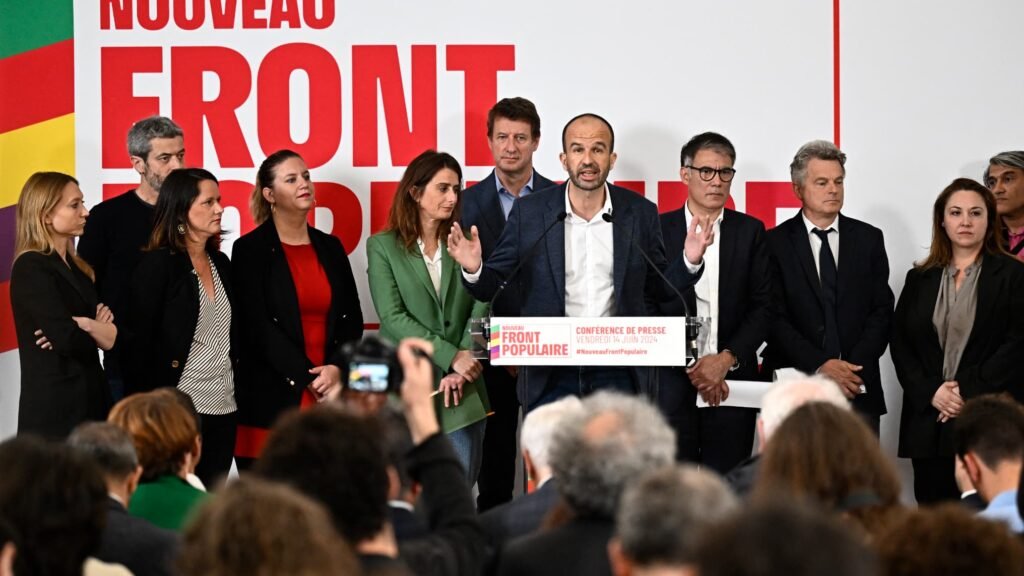
The internal contradictions within NFP, coupled with Macron’s strategic maneuvering, risk weakening the alliance’s potential impact. Macron’s coalition, in a tactical move, has refrained from running candidates in several key constituencies, effectively bolstering PS candidates and highlighting the centrist-left divide. As Macron’s coalition attempts to play kingmaker, the left finds itself navigating a landscape where its unity is both its greatest asset and most significant vulnerability.
Balancing Unity with Ideological Integrity
For the NFP to succeed, it must prioritize an agenda that transcends internal divisions and addresses France’s socioeconomic disparities. While ideological purity may appeal to core FI supporters, the coalition must reach beyond its traditional base if it hopes to challenge the increasingly popular RN.
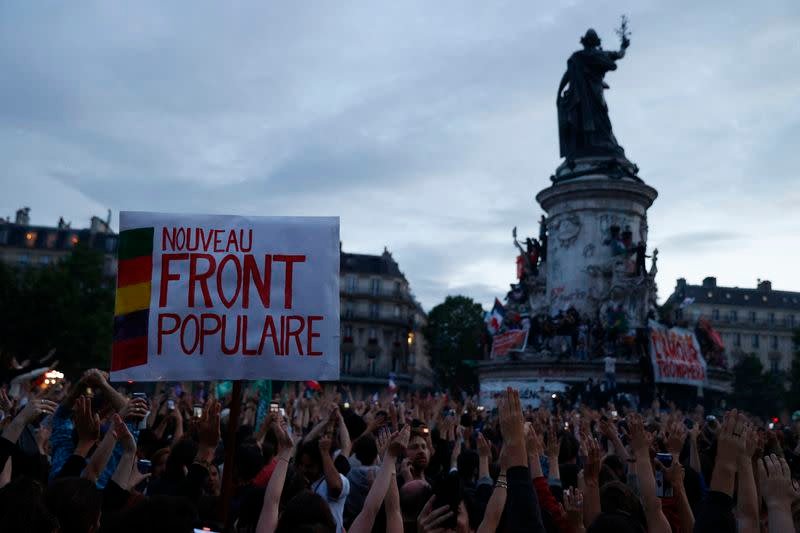
This balancing act — maintaining unity while respecting ideological differences — is essential to prevent Macron’s government and RN from dominating France’s political discourse.
Recent studies, including work by economists like Thomas Piketty, indicate that the far right’s appeal is rooted more in socioeconomic dissatisfaction than in ideological extremism. This suggests that NFP’s best path to stability lies in focusing on tangible reforms that resonate with working-class and rural voters, offering a credible alternative to RN’s divisive platform. Addressing social grievances, particularly in regions where RN has made inroads, may allow the left to regain the support of disillusioned voters who feel neglected by France’s centrist policies.
An Urgent Call for Cohesion Against Rising Right-Wing Populism
As France faces mounting social and economic challenges, the NFP’s survival may depend on its ability to present a cohesive, progressive alternative. The upcoming elections serve as a critical test of the coalition’s resilience and capacity to unify under a shared vision for France. At a time when far-right populism threatens to reshape French politics, the left must find a way to maintain its alliances, both within NFP and across France’s broader political spectrum.
This critical moment demands that France’s left leaders set aside internal rivalries and work towards a future where political discourse centers on social justice and economic equality. Only by addressing the needs and concerns of all French citizens can the left hope to counter the far right’s rise and reinstate faith in progressive, democratic governance.