
Middle East on the Brink: Israel’s Regional Escalation and the Role of Western Powers
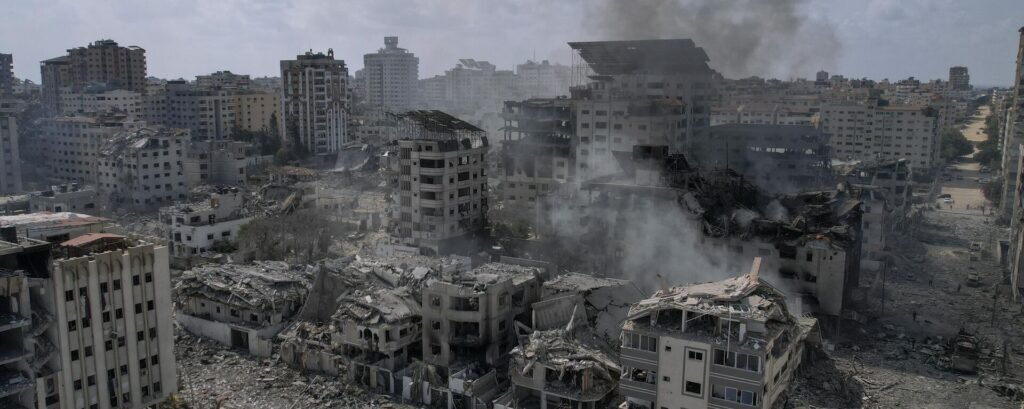
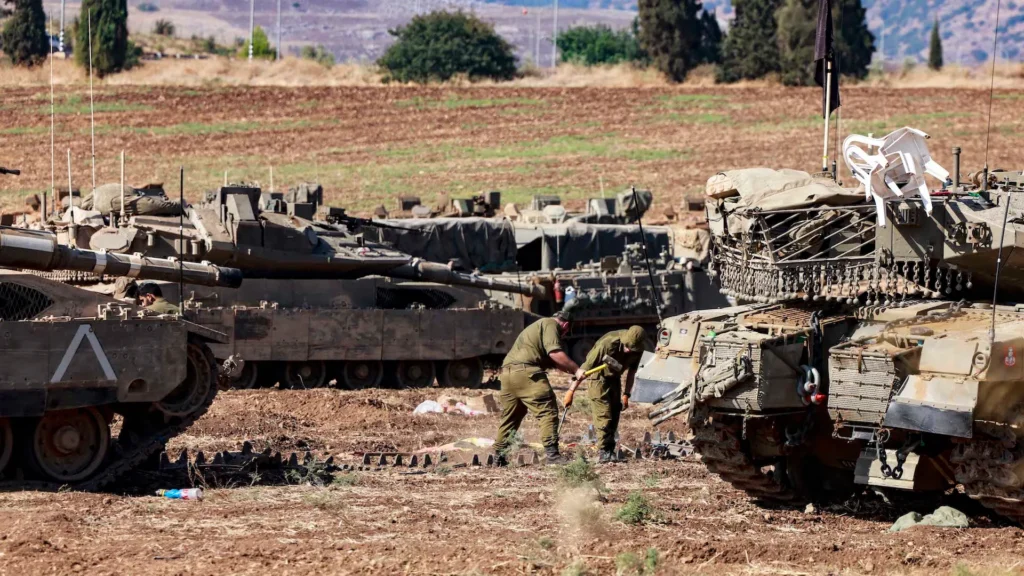
In the early hours of October 1, 2024, Israel launched a ground invasion into Lebanon, following weeks of heavy airstrikes that devastated infrastructure and displaced countless civilians. This aggressive move has heightened tensions across the Middle East, signaling an escalation that risks drawing multiple countries into prolonged conflict. The United States has expressed unwavering support for Israel’s campaign, framing it as a defensive measure. Yet, critics argue that such support underscores a hypocritical approach by Western powers, who have shown selective adherence to the principles of sovereignty and international law.
Western Double Standards and the “Rules-Based Order”

U.S. backing for Israel’s invasion highlights an enduring double standard within the so-called “rules-based order.” When Russia invaded Ukraine, Western governments swiftly condemned the breach of sovereignty. Yet, when Israel violates the borders of Lebanon, the same actors emphasize Israel’s right to self-defense, disregarding the violation of Lebanese sovereignty and the devastating impact on civilians. This inconsistency reflects the selective application of international norms, which prioritizes political alliances over genuine humanitarian concern.
The ongoing support of Western powers, particularly the United States, has been essential to Israel’s military operations. The U.S. provides substantial financial and logistical support, contributing billions of dollars in military aid and ensuring the continuous flow of advanced weaponry.
Israel’s Broader Aims and Netanyahu’s Calculations
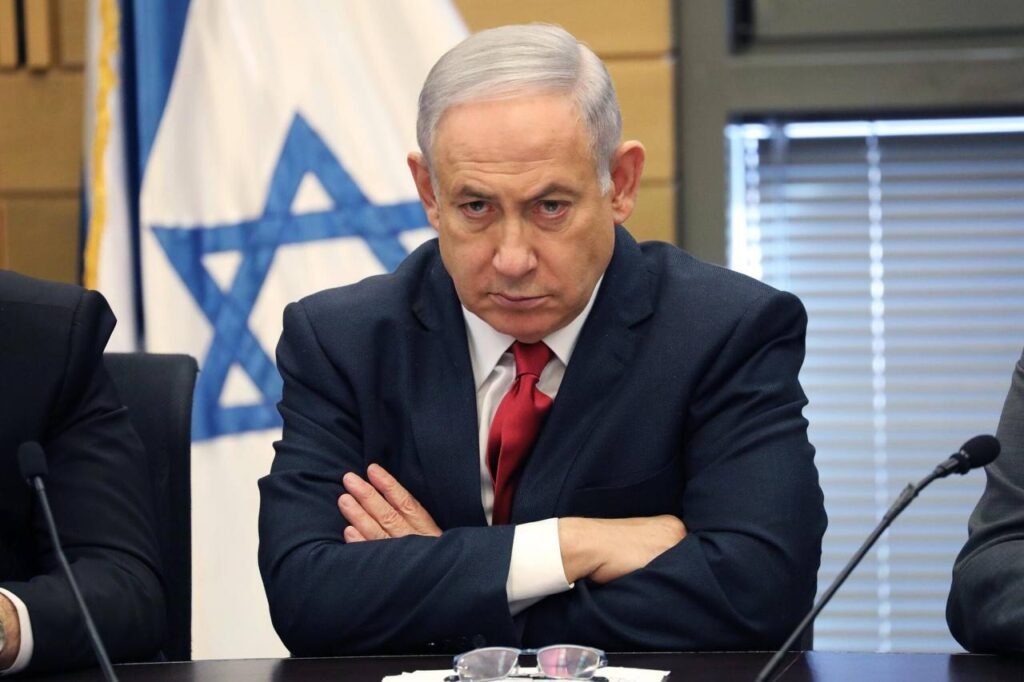
While Israel claims to act in defense of its northern borders, the broader motives driving this escalation appear tied to Prime Minister Benjamin Netanyahu’s political survival. Following his failure to secure popular support through earlier military campaigns in Gaza, Netanyahu faces mounting opposition at home. His administration’s current strategy is seen by some as an attempt to consolidate power through a show of strength, both domestically and regionally. By intensifying conflicts with Lebanon and engaging in provocative actions targeting Iran and its allies, Netanyahu is also seen as maneuvering to ensure unwavering U.S. support, should a larger regional war erupt.
Netanyahu’s ambitions have long included dismantling Hezbollah and weakening Iran’s influence in the region. Recent actions, such as targeted assassinations of high-profile leaders and airstrikes in Syria and Yemen, reveal an expanded scope in Israel’s military objectives. This campaign extends beyond the stated aim of securing Israeli territory, raising concerns that these provocations could draw Iran into open conflict, effectively forcing the United States into deeper involvement.

Rising Regional Tensions and the Iranian Response
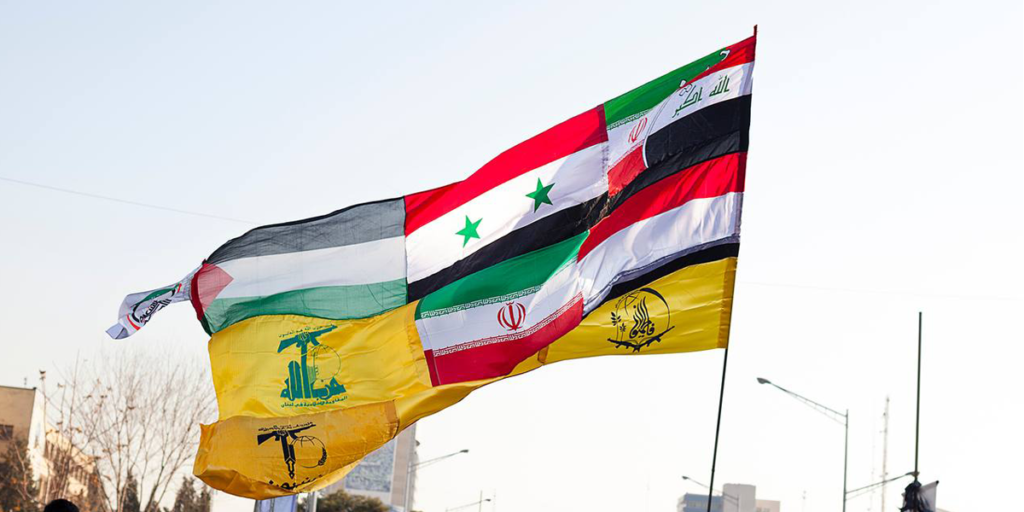
As Israeli airstrikes extend beyond Lebanon to Syria and Yemen, Iran faces pressure to respond to what it views as direct provocations aimed at weakening its regional influence. Iran has built alliances across the Middle East, supporting groups in Palestine, Lebanon, Yemen, and Iraq, which it views as essential to its defense strategy against Israeli and Western encirclement. While Iran has thus far refrained from direct military retaliation, continued Israeli aggression could compel it to act, particularly as its standing with allies and influence in the region is increasingly at stake.
The Yemeni Houthis and other aligned forces in Iraq have already hinted at further retaliation, with the Houthis threatening Israeli targets in the Mediterranean.
As U.S. forces in Iraq come under attack and military installations in Syria face airstrikes, the broader contours of a potential regional conflict become more visible. Washington, seeking to avoid direct entanglement in the conflict, has increased troop presence and bolstered defensive capabilities, wary of being drawn into a war that could spiral beyond its control.
The U.S.-Israel Alliance and the Risks of Further Escalation
The depth of the U.S.-Israel alliance has been on full display, with the Biden administration balancing mild public criticism of Netanyahu against concrete support. Although Washington occasionally voices concerns over Israel’s actions, it has consistently chosen to back Israel financially and militarily. This support enables Israel to sustain its expansive military campaigns across multiple fronts, relying on a steady flow of U.S.-provided arms and intelligence.
Despite internal and external pressures, the U.S. maintains that its alliance with Israel is strategically irreplaceable. However, this alliance comes with significant risks, as U.S. involvement in Middle Eastern conflicts has historically strained resources and diminished its standing in the region. The current administration, already grappling with commitments in Ukraine and tensions with China, remains wary of deeper engagement in the Middle East, yet finds itself constrained by its allegiance to Israel.
The Limits of Imperialist Mediation and the Path to Genuine Peace
The involvement of international institutions and peacekeeping forces in the region has done little to halt Israel’s latest offensive. UNIFIL’s presence along the Israel-Lebanon border has proven ineffective in deterring hostilities. Critics argue that imperialist interventions, which often reflect the geopolitical interests of major powers, lack the impartiality needed to mediate genuinely. They contend that true peace in the Middle East requires addressing the fundamental inequalities and ending the occupation that underpins the Israeli-Palestinian conflict.
The sustained oppression of Palestinian and Lebanese populations under military occupation and foreign intervention has stoked calls for more comprehensive solutions. Analysts argue that as long as regional powers, driven by political agendas and alliances, dictate the terms of peace, the cycle of violence will likely continue. Some advocate for a regional approach that respects the sovereignty and rights of all affected populations, particularly Palestinians, whose ongoing struggle remains central to regional stability.
Toward a Just Resolution in the Middle East
The crisis in the Middle East has grown increasingly complex, with external and internal factors intertwining to shape the landscape of conflict. The prospect of a sustainable peace hinges on dismantling the structures of occupation and ending the military interventions that perpetuate violence and displacement. For Palestinians, genuine self-determination and protection of their rights remain essential pillars of any lasting solution.
The involvement of Western powers, particularly through direct support for Israel’s military initiatives, has hindered the pursuit of equitable peace. True stability requires not only a cessation of military campaigns but also a reevaluation of alliances that prioritize political interests over human rights. As regional powers and international communities confront this challenge, the urgent need for a balanced, just approach to peace becomes ever more apparent.