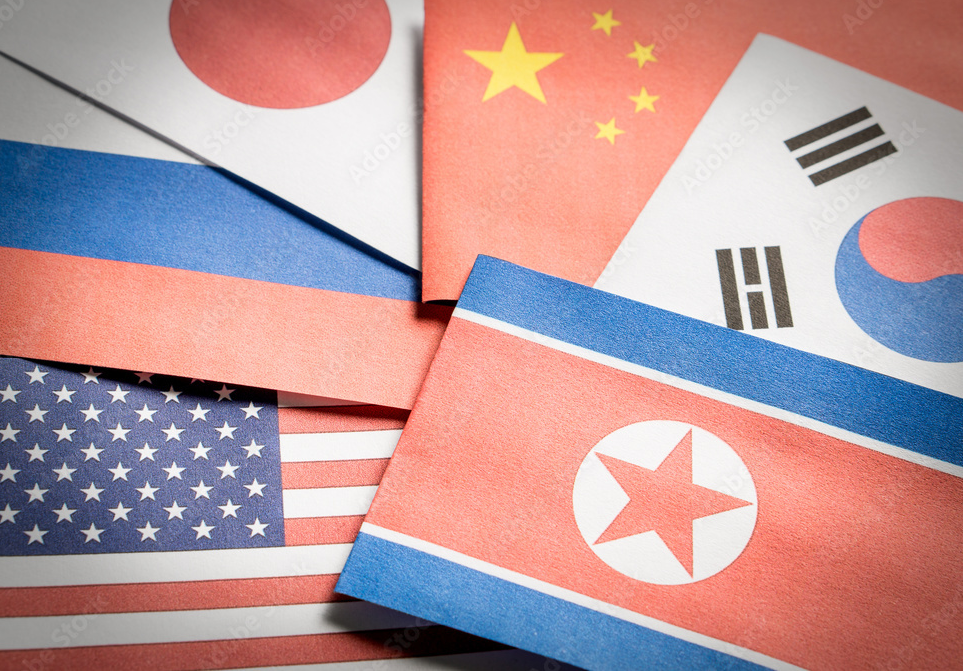

Rising Tensions on the Korean Peninsula: A New Front in Global Conflict
With the world embroiled in the conflicts of Ukraine and Palestine, and a looming risk of further tensions in Taiwan, yet another flashpoint appears to be reawakening: the Korean Peninsula. The year has seen escalated hostilities between North and South Korea, punctuated by military drills, missile launches, and unconventional acts of provocation that are bringing the peninsula closer to crisis.
The tenuous hope for peace from the 2018 rapprochement efforts has all but dissolved, giving way to heightened confrontation. Adding a new dimension to this standoff, Russia has aligned itself openly with North Korea. This alliance, solidified in a landmark treaty, is redefining the balance of power in East Asia, disrupting U.S. strategies aimed at maintaining influence over the region.
A Year of Missiles, Balloons, and Escalating Threats
The election of Yoon Suk-yeol in South Korea marked the beginning of a hard-line stance that has aligned closely with U.S. interests, reversing the previous administration’s attempts at reconciliation with North Korea. Yoon’s government has not only embraced a pro-U.S. stance but has intensified its ties with Japan while stoking fears over North Korea’s alliance with Russia.
In response, North Korea, led by Kim Jong Un, has reverted to a familiar cycle of condemnation and missile tests, with recent launches including hypersonic missiles and ballistic missiles capable of carrying large warheads. The year has also seen a new type of exchange across the border: on May 28, North Korea sent hundreds of balloons filled with trash and foul substances into South Korea, a move reportedly in response to the South’s propaganda balloons targeting the North.
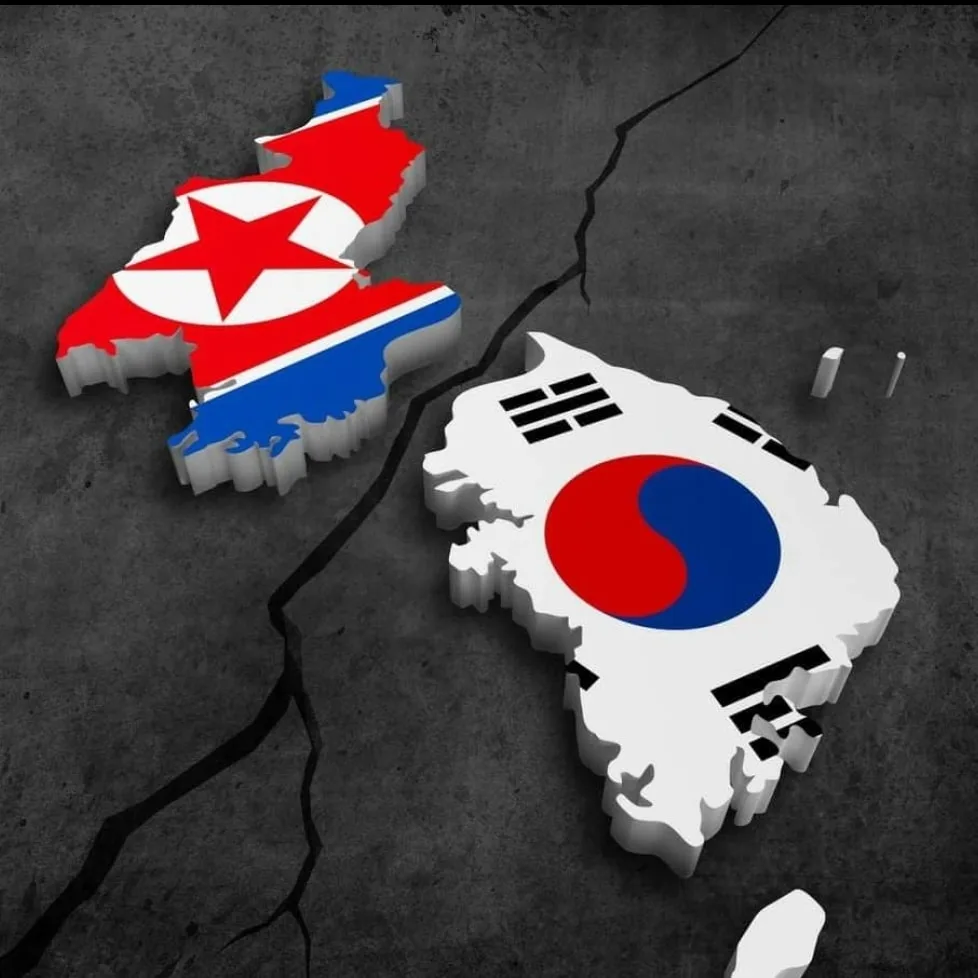
Yoon’s Strategy: Aimed at Distraction or Defense?
Yoon Suk-yeol’s administration has escalated its militarized approach, recently holding joint military exercises with the U.S. and Japan and deploying American warplanes in South Korean airspace. These actions, alongside his suspension of a 2018 security pact with North Korea, have intensified tensions across the peninsula. Critics argue that Yoon’s hardline stance serves as a distraction from his plummeting popularity at home, where economic issues and labor strikes have marred his administration. The increase in defense posturing appears to be as much about maintaining domestic control as countering North Korea’s perceived threats.
Putin’s Visit and the New DPRK-Russia Alliance
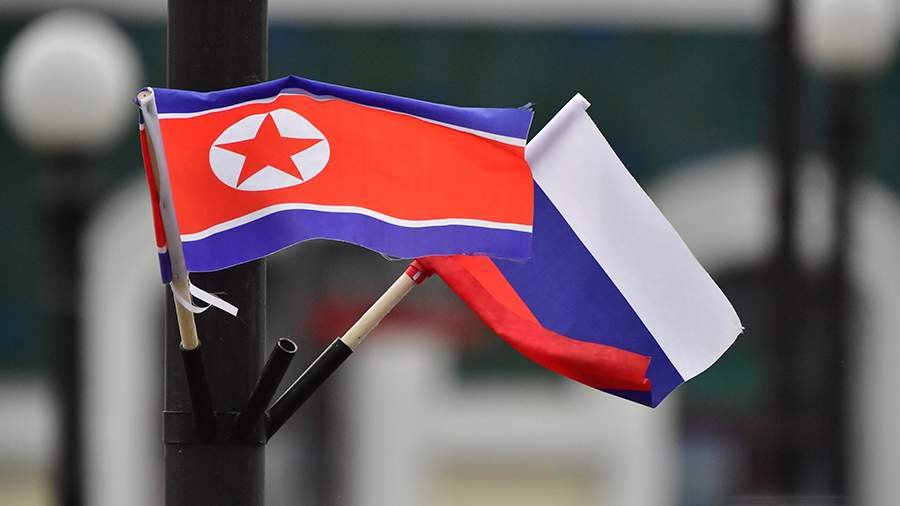
In June, Vladimir Putin made a historic visit to Pyongyang, cementing a “Treaty on Comprehensive Strategic Partnership” with North Korea. This agreement obligates each nation to provide military aid if the other is attacked, effectively creating a mutual defense pact reminiscent of NATO’s Article 5. Additionally, the treaty includes provisions for economic collaboration aimed at counteracting U.S.-led sanctions.
For Russia, the treaty provides a steady supply of artillery and munitions for its war in Ukraine, a valuable asset given the sanctions restricting its access to global arms markets. North Korea, with its extensive state-run military production, now has an outlet for its munitions. In return, Russia is delivering essential goods to North Korea, helping stabilize its economy, which has struggled under isolation and pandemic-related setbacks.
This partnership grants North Korea more leverage against U.S. allies in the region, positioning it as a strategic ally of Russia. For Putin, the alliance with North Korea offers a counterweight to the U.S.’s influence in East Asia, particularly as the U.S. escalates its support for Taiwan against potential Chinese aggression.
Shifting U.S. Strategy in East Asia
The U.S. has long pursued a strategy to curb North Korea’s nuclear ambitions, primarily through sanctions aimed at destabilizing its economy. However, the recent DPRK-Russia alliance has undercut Washington’s efforts, solidifying North Korea’s position and its nuclear capabilities. With an estimated stockpile of 80 to 90 nuclear warheads, North Korea’s defense capacity now benefits from Russia’s technological and material support, making denuclearization efforts unlikely to succeed under current conditions.
The DPRK-Russia treaty represents a significant blow to the U.S.’s objectives in East Asia, complicating its broader strategy of containing Chinese influence through alliances with Japan and South Korea. The enhanced North Korean threat necessitates a reallocation of U.S. resources, potentially weakening its stance in Taiwan, which remains a key point of contention with China.
China’s Calculated Distance
China has watched the DPRK-Russia partnership with caution. While the alliance undermines U.S. influence in East Asia, China is concerned about any destabilization that could push South Korea and Japan closer to Washington. China has strong trade ties with both countries, which are among its top trading partners, and would prefer a stable environment where economic interests are protected.
While Beijing likely welcomes the strategic advantages the treaty offers, it has been careful not to alienate its neighbors. China’s reserved response reflects a desire to avoid further militarization of the region that could jeopardize its economic ambitions. For now, it appears Beijing will continue to play a balancing role, wary of pushing South Korea and Japan fully into the U.S. orbit.
The Decline of U.S. Power and the Path Forward for the Korean Peninsula
The recent DPRK-Russia alliance exposes the limitations of U.S. power in East Asia, where a focus on containing Russia has inadvertently fueled closer ties among its adversaries. Biden’s support for the proxy war in Ukraine was intended to weaken Russia, but it has instead drawn Russia and North Korea closer, destabilizing the U.S.’s strategic positioning in Asia.
The South Korean working class, especially those in border areas, are once again living under the threat of heightened military conflict. U.S. imperialism, combined with South Korea’s ruling class interests, has imposed an environment of fear and insecurity on the peninsula’s population. The only path toward genuine peace and stability, many argue, lies in the South Korean working class rising to challenge their government’s alignment with U.S. militarism and establishing a democratic state that prioritizes the needs of all Koreans.
For now, the heightened tensions on the Korean Peninsula represent a stark reminder of the far-reaching consequences of global power struggles, with the U.S.’s attempts to exert control bringing only increased instability and conflict to the region.