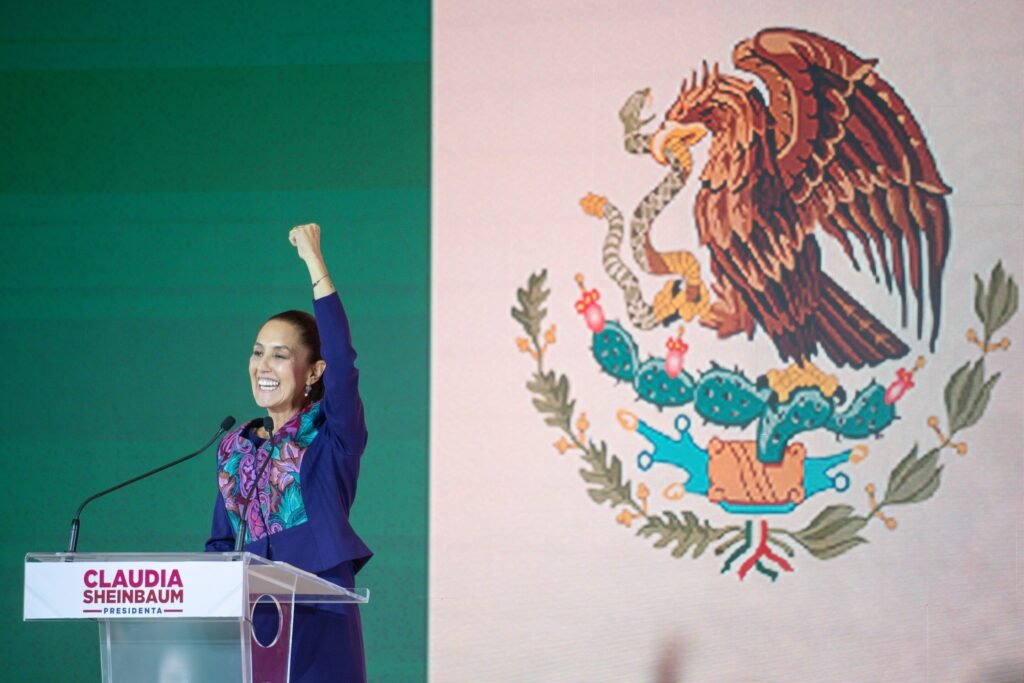

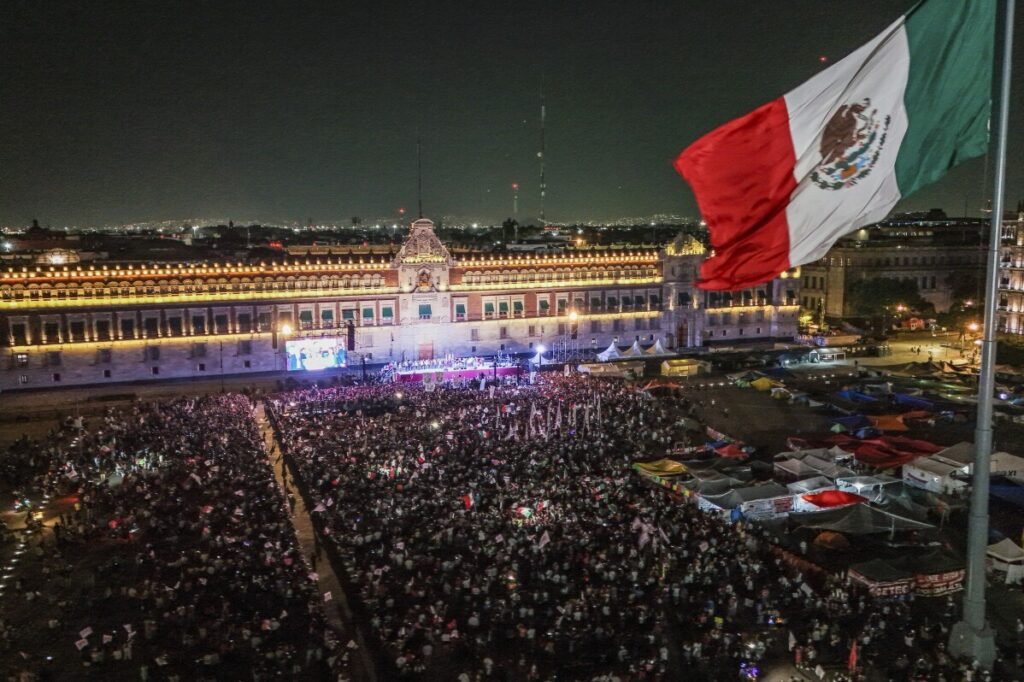
In the early days of Donald Trump’s second term in office, a crowd of more than 350,000 gathered in Mexico City’s historic Zócalo to denounce his latest tariff threats. The public demonstration came on the heels of a diplomatic breakthrough. President Claudia Sheinbaum had secured an agreement under the framework of the United States–Mexico–Canada Agreement (USMCA) that would spare Mexico from new tariffs. “Fortunately, dialogue and, most of all, mutual respect have prevailed,” she told the crowd. When Trump officially launched his “Liberation Day” tariffs on April 2, both Mexico and Canada were notably exempt.
Yet this de-escalation proved fleeting. Unlike during his first term — when Trump exploited immigration policy for concessions and largely moved on — his second administration has doubled down on Mexico, using every available tool to antagonize and destabilize its southern neighbor. The new offensive has tested President Sheinbaum’s hallmark approach of strategic restraint — her much-noted cabeza fría — and is now pushing Mexico toward a more confrontational stance.
Turning Up the Pressure: A Pattern of Provocation
A cascade of incidents illustrates the shift in Washington’s posture. On March 21, the U.S. denied Mexico’s request for shared water access for Tijuana — the first such refusal since the 1944 binational water treaty. After protracted negotiations, the issue was settled by late April. But Washington was just beginning to apply pressure. On May 11, the U.S. abruptly banned Mexican livestock imports, citing outbreaks of New World screwworm. Mexican Agriculture Secretary Julio Berdegué expressed exasperation, reminding U.S. officials of their failure to respond when Mexico requested assistance controlling the pest’s spread from Panama in 2023. The ban remains in place today.
In early May, the U.S. revoked the visas of a MORENA governor and her spouse, offering no explanation.
Around the same time, newly appointed U.S. Ambassador Ronald D. Johnson — a former CIA operative and veteran of El Salvador’s civil war — broke with diplomatic protocol by publicly embracing far-right Mexican politician Eduardo Verástegui. The cozy meeting, widely circulated online, deepened suspicion of U.S. intentions in Mexico.
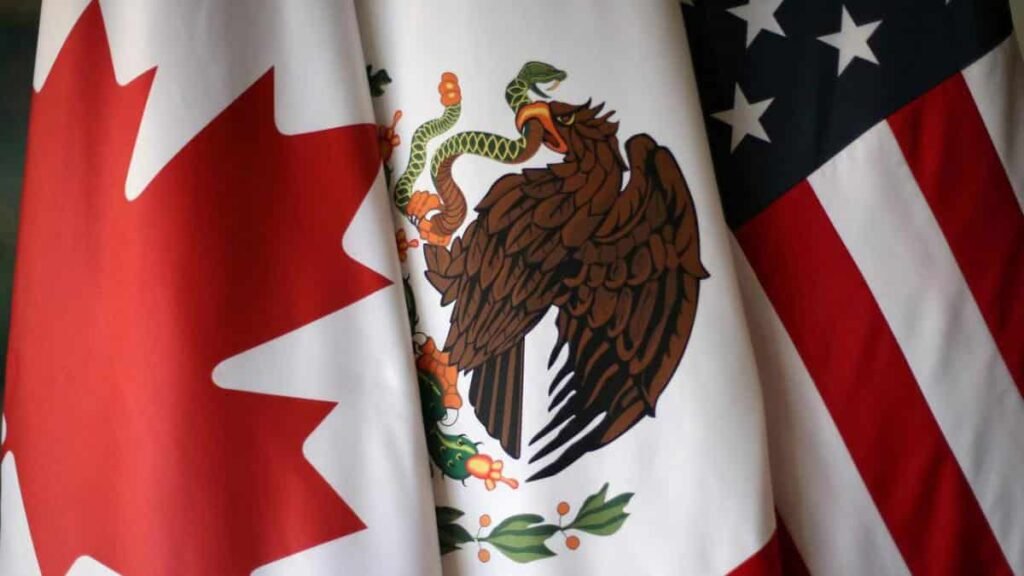
Further raising alarm, the Trump administration allowed seventeen relatives of the Guzmán family — connected to the Sinaloa Cartel — to enter the United States, only weeks after designating the cartel a Foreign Terrorist Organization. The double standard prompted concern that the FTO label could be a pretext for future U.S. military intervention in Mexico. In a phone call, Trump reportedly told Sheinbaum he would be “honored” to send U.S. forces to help “deal with the cartels” — a proposal Sheinbaum promptly rejected.
Economic Warfare and Media Smears
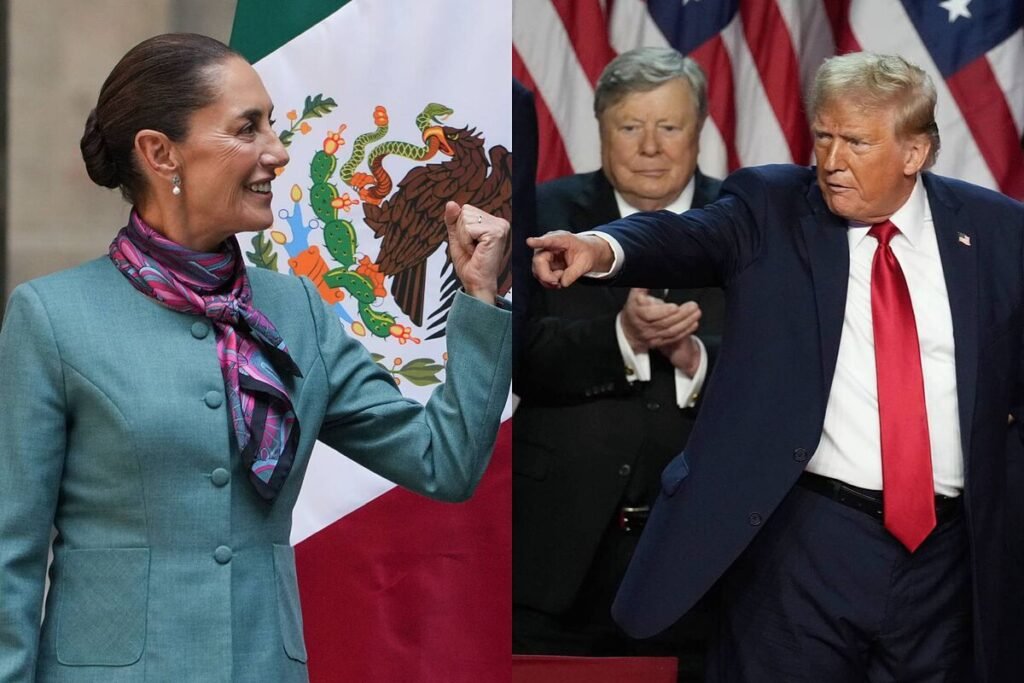
On May 21, House Republicans introduced legislation to tax remittances sent to Mexico — a critical lifeline for millions of families — as part of a broader plan to offset tax cuts. Sheinbaum denounced the measure as “double taxation” and, during a public appearance in San Luis Potosí, hinted at mobilizing domestic protest.
Within days, U.S. Homeland Security Secretary Kristi Noem falsely accused Sheinbaum of inciting violence in Los Angeles, based on a misleading social media clip. Even the Trump administration saw the claim as a liability, and Ambassador Johnson was tasked with damage control.
But other provocations went unchecked. On June 12, a Jalisco lawmaker from MORENA posted a personal, critical tweet about her U.S. visa — part of a broader backlash against ICE abuses. Deputy Secretary of State Christopher Landau, visiting Mexico at the time, publicly responded by revealing her visa had been canceled on his orders. The tweet exposed confidential personal information and demonstrated a petty, vindictive use of U.S. state power.
Days later, Landau launched into a tirade on social media, attacking a routine news release from UNAM about trade opportunities with China. His unprofessional behavior underscored a deeper truth: visa revocations and economic threats were being used less as tools of policy than as expressions of personal animus and ideological hostility.
The Final Straw: Financial Sanctions
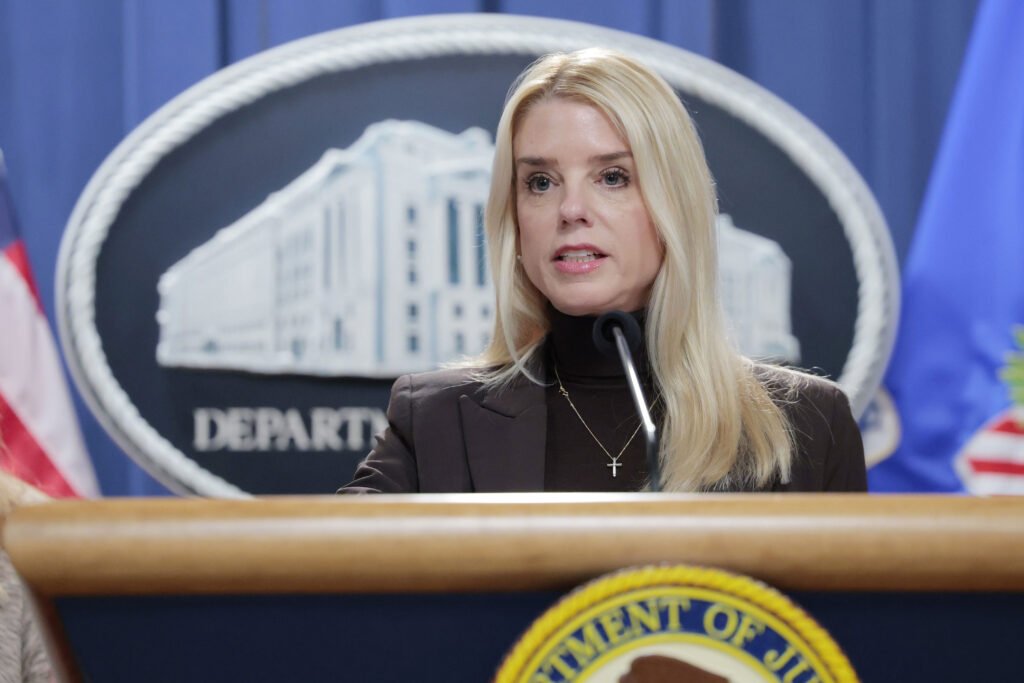
The breaking point came on June 25. During a Senate Appropriations hearing, Attorney General Pam Bondi declared that the U.S. must protect itself “not only from Iran, Russia, and China — but from Mexico.” This brazen conflation of Mexico with America’s geopolitical adversaries provoked an uncharacteristically sharp rebuke from Sheinbaum, who called the remarks “uninformed.”
The next day, the U.S. Treasury imposed sanctions on three major Mexican financial institutions — CiBanco, Intercam Banco, and Vector Casa de Bolsa — under the pretext of combating fentanyl trafficking. All three have extensive ties to China, raising suspicions that the move was aimed at disrupting Sino-Mexican relations under the guise of narcotics enforcement.
In her daily press briefing, Sheinbaum responded with unambiguous defiance: “We are not going to cover for anyone… but claims must be backed by conclusive evidence, not just declarations.” Most pointedly, she declared: “Our relationship with the United States is one of equals — not of subordination. We are nobody’s piñata.”
Facing Down Imperial Pressure
While Mexico is not alone in facing this kind of imperial pressure, the escalation under Trump’s second term has been relentless. The pattern is clear: use any and all instruments — sanctions, visas, tariffs, social media smears — to provoke a reaction, then cite that reaction to justify further aggression.
Sheinbaum’s refusal to be baited has, to date, helped avoid direct conflict. But her tone has hardened — signaling recognition that imperial bullying cannot be countered with goodwill alone. The strategy now must shift: toward mobilizing domestic resistance, reinforcing regional alliances, asserting control over strategic industries, and building alternative media to counteract U.S. narratives.
The goal is not confrontation for its own sake, but to escape the no-win trap the U.S. is constructing: retaliate and be branded hostile, or remain silent and invite more abuse.
Mexico’s Moment
This confrontation comes at a time of historic international hypocrisy. The West, mute in the face of Israel’s devastation of Gaza, has forfeited its moral authority. In this vacuum, voices from the Global South — including Mexico’s — are needed more than ever.
As the world’s twelfth-largest economy and a vital bridge between North and South, Mexico cannot afford submission. It must raise its voice — firmly, strategically, and without illusion — against the bullying of its northern neighbor. Only then can it forge a future grounded in dignity, justice, and true sovereignty.