
Gabon faced a seismic political shift as 12 military officers appeared on national television to announce the annulment of the recent election results, the dissolution of state institutions, and the closure of the country’s borders. This marked yet another coup in a series of military takeovers across Africa, including Niger, Mali, and Burkina Faso. The immediate aftermath saw major infrastructure like the country’s main port in Libreville come to a halt, and uncertainty clouded the operations of airlines and other critical services.
A Coup Amidst Electoral Disputes
The coup followed the contested results of the August 2023 elections, where incumbent President Ali Bongo Ondimba was declared the winner with just under two-thirds of the vote, despite widespread claims of electoral fraud by the opposition. Albert Ondo Ossa, Bongo’s main rival, was reported to have won only 30.77% of the vote, leading to further allegations of manipulation. The mutinying soldiers, drawn from various branches of Gabon’s security forces, declared that President Bongo’s son, Noureddin Bongo Valentin, and other top officials were under arrest, accusing them of treason, corruption, and embezzlement.
This political crisis unfolded against the backdrop of a long-standing family dynasty, with Ali Bongo succeeding his father, Omar Bongo, who had ruled Gabon for 42 years. Ali Bongo himself had been in power since 2009, maintaining control through a combination of patronage, repression, and constitutional changes designed to consolidate his grip on power.
A Coup Amidst Electoral Disputes
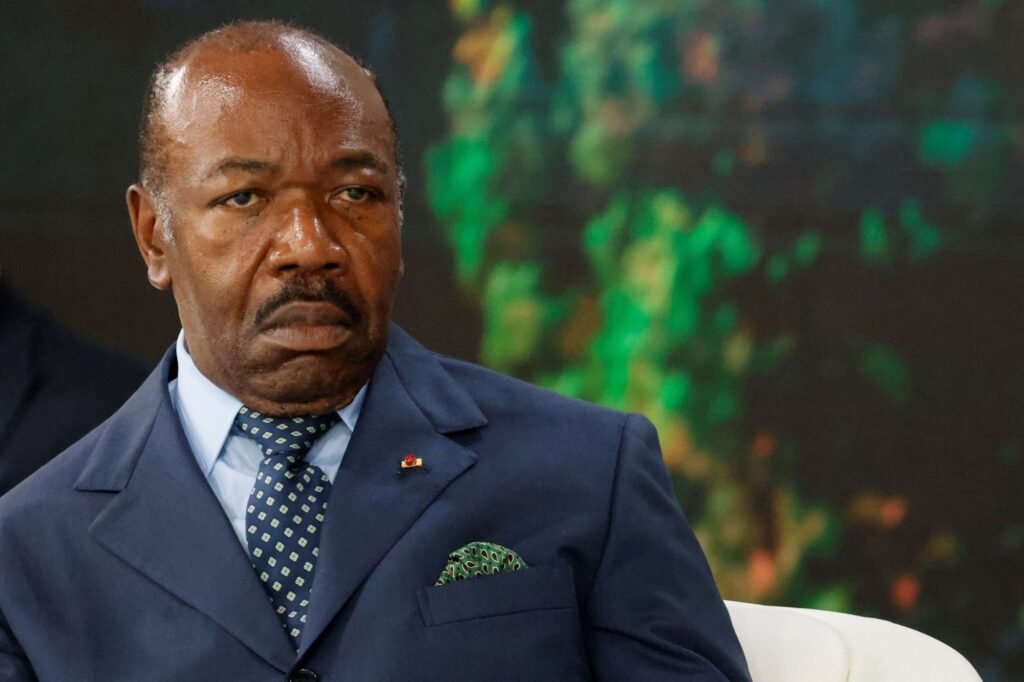
The coup followed the contested results of the August 2023 elections, where incumbent President Ali Bongo Ondimba was declared the winner with just under two-thirds of the vote, despite widespread claims of electoral fraud by the opposition. Albert Ondo Ossa, Bongo’s main rival, was reported to have won only 30.77% of the vote, leading to further allegations of manipulation. The mutinying soldiers, drawn from various branches of Gabon’s security forces, declared that President Bongo’s son, Noureddin Bongo Valentin, and other top officials were under arrest, accusing them of treason, corruption, and embezzlement.
This political crisis unfolded against the backdrop of a long-standing family dynasty, with Ali Bongo succeeding his father, Omar Bongo, who had ruled Gabon for 42 years.
Ali Bongo himself had been in power since 2009, maintaining control through a combination of patronage, repression, and constitutional changes designed to consolidate his grip on power.
Economic and Social Turmoil
While Gabon is a relatively wealthy country by African standards, with a per capita GDP higher than many of its neighbors, the benefits of its wealth have not been equally distributed. The nation is a significant oil producer, with a daily output of around 181,000 barrels of crude, making it one of the largest oil producers in sub-Saharan Africa. However, this wealth has not trickled down to the majority of the population, with over 33% of Gabon’s citizens living in poverty despite the country’s small population of just 2.4 million.
The economic conditions in Gabon have deteriorated in recent years, exacerbated by global events like the COVID-19 pandemic and the war in Ukraine. Inflation, rising fuel costs, and high unemployment—particularly among young people—have fueled discontent across the country. In 2020, nearly 40% of Gabonese aged 15-24 were out of work, and rents in urban areas soared, further straining the population’s resources. Despite high oil prices leading to a budgetary surplus in 2022, social spending has not kept pace with the needs of the population, with significant cuts to health and education services.
Growing Anti-French Sentiment
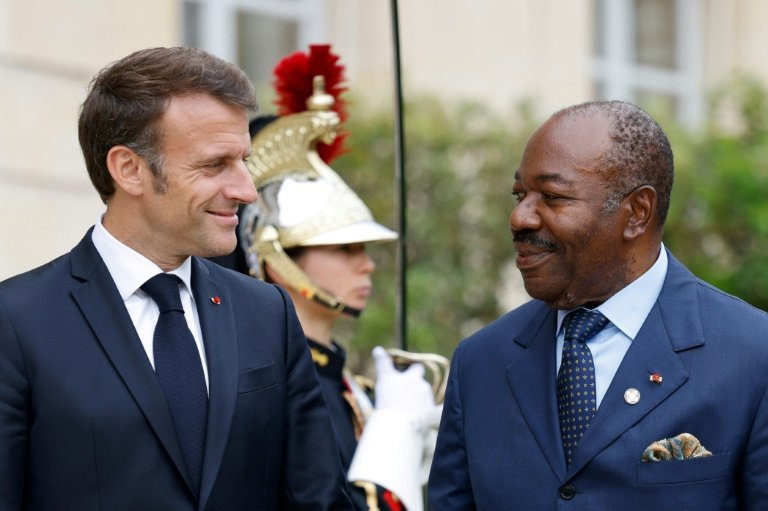
Gabon’s coup is yet another blow to French imperialism in Africa. The Bongo family had long been allies of France, with Ali Bongo even meeting French President Emmanuel Macron in Paris just two months before the coup. However, widespread anti-French sentiment has been growing across Francophone Africa, and the Bongo regime’s close ties to France did little to endear him to the population. Gabon’s political instability follows a wave of anti-French protests and coups in other former French colonies like Niger, where demonstrators have called for an end to French military and economic influence in the region.
In the aftermath of the Gabonese coup, France, as expected, condemned the events, with President Macron expressing concern over what he called an “epidemic” of military coups in French-speaking Africa.
However, this rhetoric did little to hide the fact that French influence in the region is rapidly waning. Gabon’s military officers, like their counterparts in Mali and Burkina Faso, are tapping into a broader mood of anti-imperialism and popular frustration with economic inequality and political corruption.
A Brewing Social Explosion
The conditions for revolution in Gabon have been building for years. In 2019, mass demonstrations by students, teachers, and education workers over cuts to scholarships and university grants rocked the country. The protests eventually forced the government to backtrack on its reforms, but the discontent simmered beneath the surface. With the fraudulent 2023 election threatening to extend the unpopular Bongo regime’s rule, the military coup can be seen as a pre-emptive strike to prevent a larger social explosion.
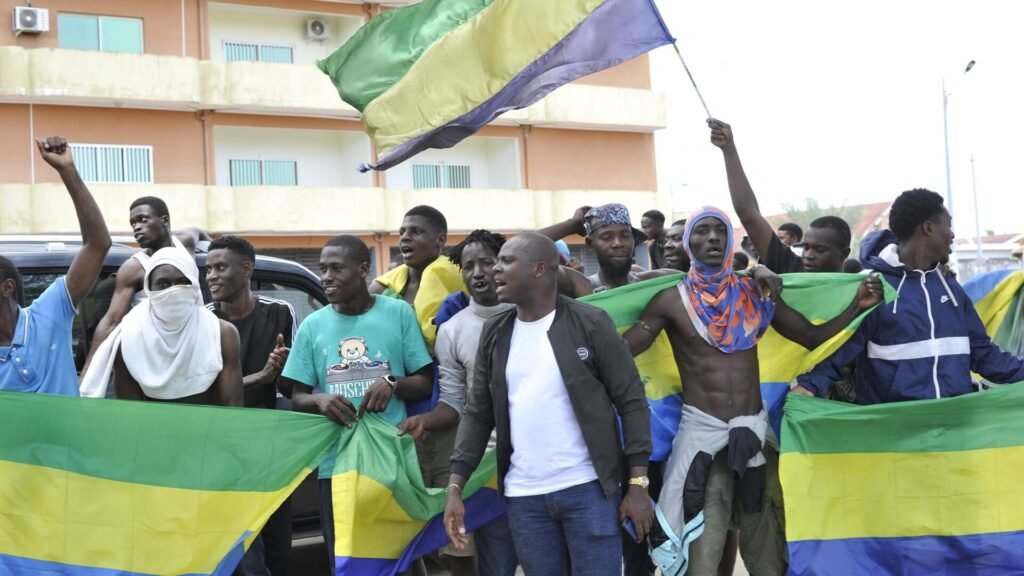
After the coup, scenes of celebration erupted in the streets of Libreville, with people waving flags and chanting “liberated.” The popular support for the military’s actions reflects the deep hatred many Gabonese feel toward the corrupt ruling elite, with Ali Bongo at its center. While the military officers now in control claim to represent the interests of the people, whether this will lead to genuine change remains to be seen.
Another Blow to Imperialism
The Gabonese coup is part of a broader wave of revolutionary upheaval in Africa, driven by deep-seated economic inequality, political corruption, and the legacy of imperialism. While the immediate future of Gabon remains uncertain, the fall of the Bongo regime is yet another sign that the old imperialist order is crumbling. As anti-French sentiment continues to grow across the continent, it is clear that the forces of revolution are gaining strength in Africa.