

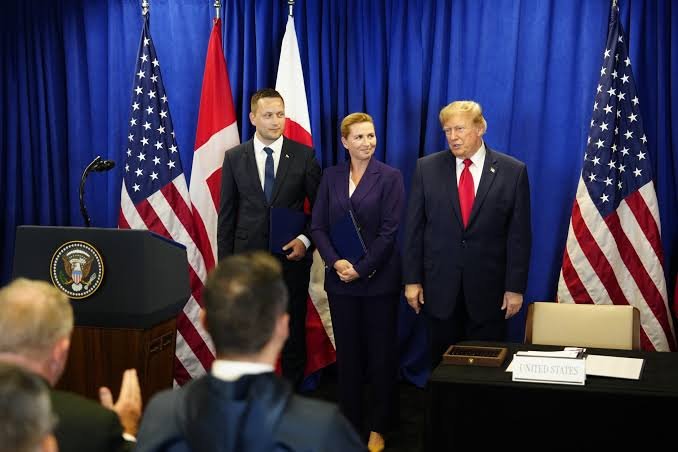
A recently ratified trilateral military agreement involving the United States, Denmark, and Greenland has significantly de-escalated geopolitical anxieties surrounding American strategic ambitions in the Arctic. Following a period of diplomatic friction exacerbated by former United States President Donald Trump’s repeated assertions regarding the potential acquisition of the strategically vital territory, local officials have broadly welcomed this new framework as a stabilizing diplomatic alternative. Naaja Nathanielsen, a Greenlandic representative within the Danish parliament, characterized the accord as a pragmatic and sensible resolution, noting the collective relief that the contentious discourse has finally transitioned into a formalized security architecture rather than lingering as a source of bilateral uncertainty. Fundamentally, this pact represents a decisive pivot away from the unsettling prospect of annexation, redirecting the focus toward cooperative defense measures that promise to inject renewed American capital, infrastructure development, and employment opportunities into the local economy.
The Resurgence of the American Arctic Footprint
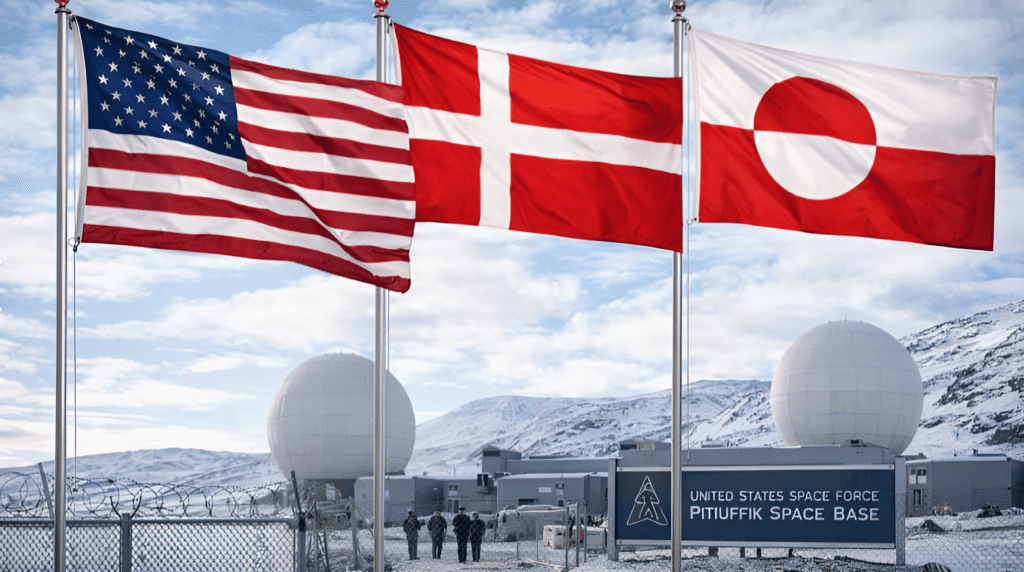
The formalized expansion of the United States military presence marks a return to a historical precedent rather than an unprecedented occupation. American strategic involvement in Greenland originated with the establishment of critical forward-operating bases during the Second World War and subsequently expanded dramatically throughout the Cold War era. At its historical zenith, the United States maintained a robust network of seventeen military installations populated by over ten thousand personnel, primarily tasked with monitoring Soviet maneuvers across the Arctic theater. In recent years, this footprint had diminished significantly, consolidating largely around the Pituffik Space Base, which currently hosts approximately one hundred and fifty American military personnel. Under the stipulations of the new agreement, the United States is authorized to reopen defunct Cold War-era outposts, most notably the facilities located in Narsarsuaq and Mestersvig. This authorization reflects Washington’s recognition of Greenland’s escalating strategic utility amidst intensifying global competition over emergent shipping corridors, untapped natural resources, and the expanding Arctic presence of adversarial powers such as Russia and China. For authorities in Copenhagen and Nuuk, the overarching objective is to fortify Arctic defense mechanisms while strictly safeguarding local sovereignty over territorial governance.
Societal Implications and the Deficit of Trust
Despite the clear geopolitical rationale, the prospect of an augmented American military footprint has generated a polarized response among Greenland’s population of approximately fifty-seven thousand residents. While some segments of the population view the influx of allied military assets as a vital reinforcement of regional security, others express profound apprehension regarding the potential disruption of indigenous customs and the local socioeconomic fabric. Rural Greenlandic communities remain heavily reliant on traditional subsistence practices, particularly hunting and fishing. Consequently, there are acute concerns that an increase in maritime and aerial military traffic could severely degrade the environmental conditions necessary for these traditional livelihoods. Malene Vahl Rasmussen, the mayor of the southern Kujalleq municipality where the Narsarsuaq base is slated for reactivation, has emphatically stated that any American operational expansion must strictly accommodate and respect Greenlandic societal norms and traditional industries.
Although the finalized military pact reportedly contains specific clauses mandating the protection of these traditional ways of life, local political leaders have cautioned that statutory assurances alone are insufficient to immediately rectify the deep-seated deficit of trust. The preceding years of diplomatic volatility have fundamentally altered local perceptions of Washington, prompting Greenlandic officials to assert that repairing this diplomatic capital will require continuous, respectful engagement rather than the mere ratification of a treaty.
Denmark’s Evolving Role and the Future of Arctic Security
This trilateral accord coincides with a proactive shift in Denmark’s own Arctic defense posture. In response to the intensifying strategic competition in the high north, Copenhagen has authorized substantial increases in regional defense expenditures, deployed supplementary military personnel, and orchestrated complex training exercises with allied international forces. Consequently, the defense strategies of Denmark and the United States are becoming increasingly intertwined, united by a mutual imperative to bolster surveillance, deterrence, and operational readiness across the Arctic domain. However, for the Greenlandic government and its constituents, the integration of these military resources must be carefully calibrated to ensure that heightened defense activities do not eclipse local economic autonomy or override indigenous decision-making processes.
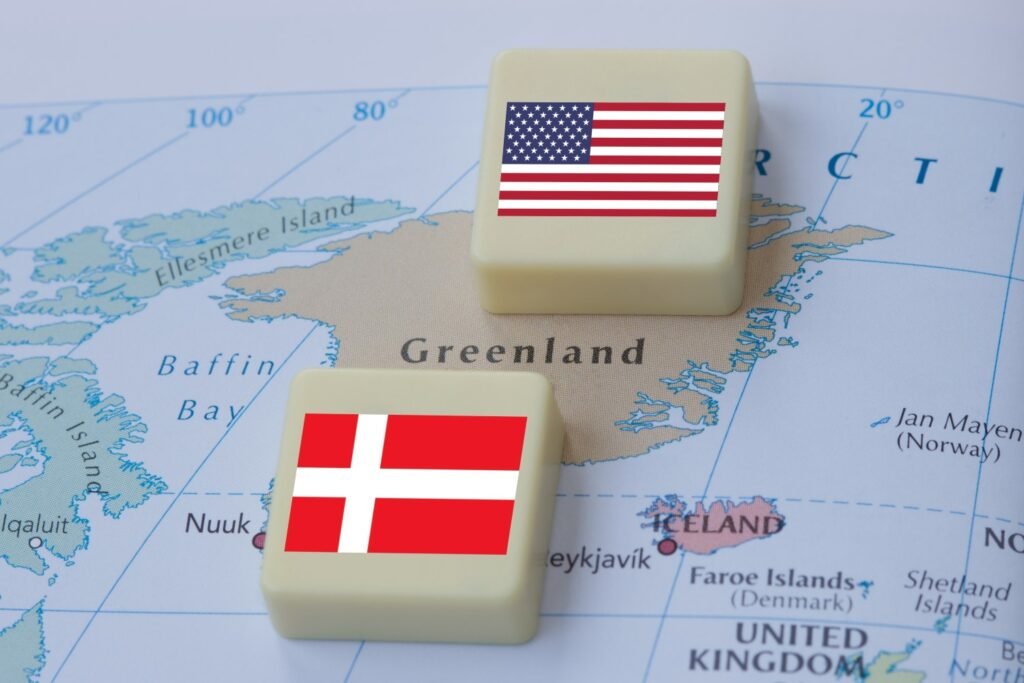
As both Russia and China actively pursue greater military, economic, and diplomatic influence in the polar region, the strategic gravity of Greenland will only continue to amplify. While this new military agreement provides a necessary framework for closer Euro-Atlantic integration and successfully averts an immediate political crisis, its ultimate viability hinges entirely on its practical execution. The enduring challenge for all involved parties will be ensuring that the pursuit of hemispheric security operates in tandem with, rather than at the expense of, Greenlandic cultural heritage and political agency.