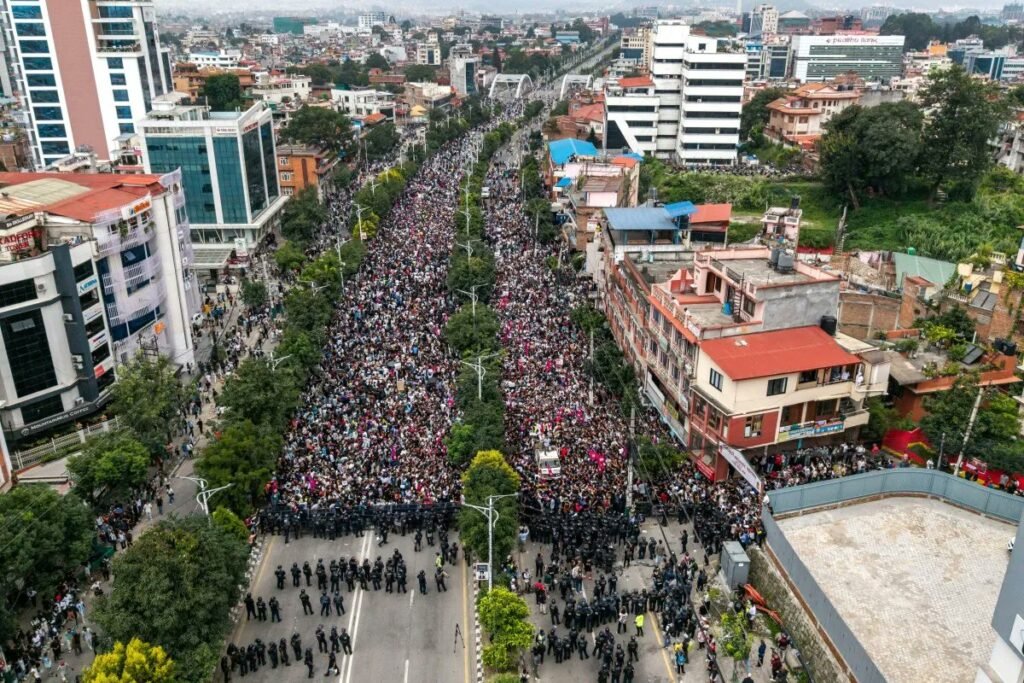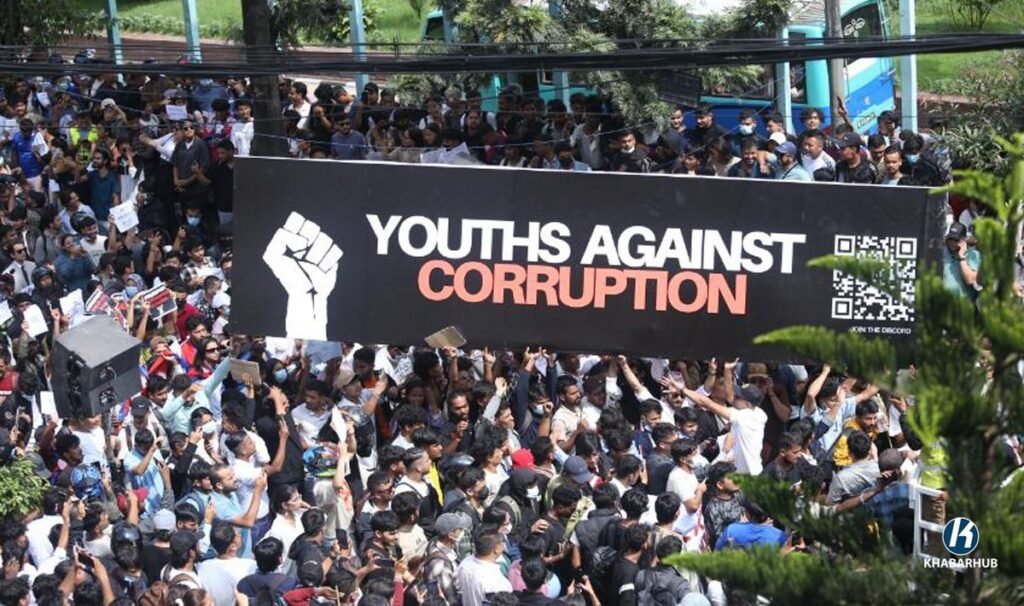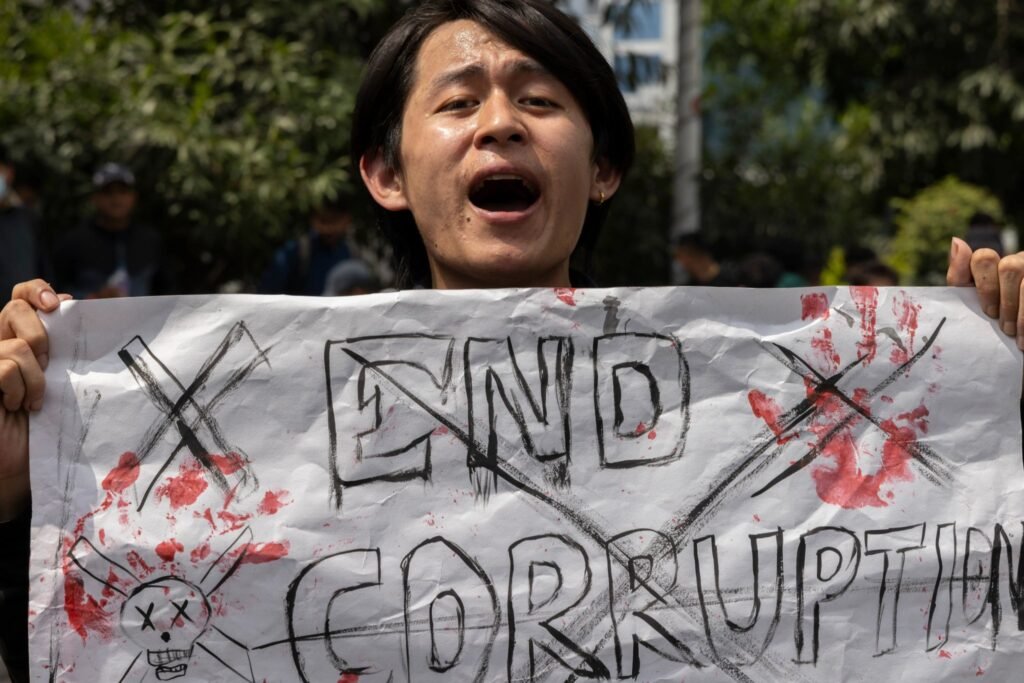

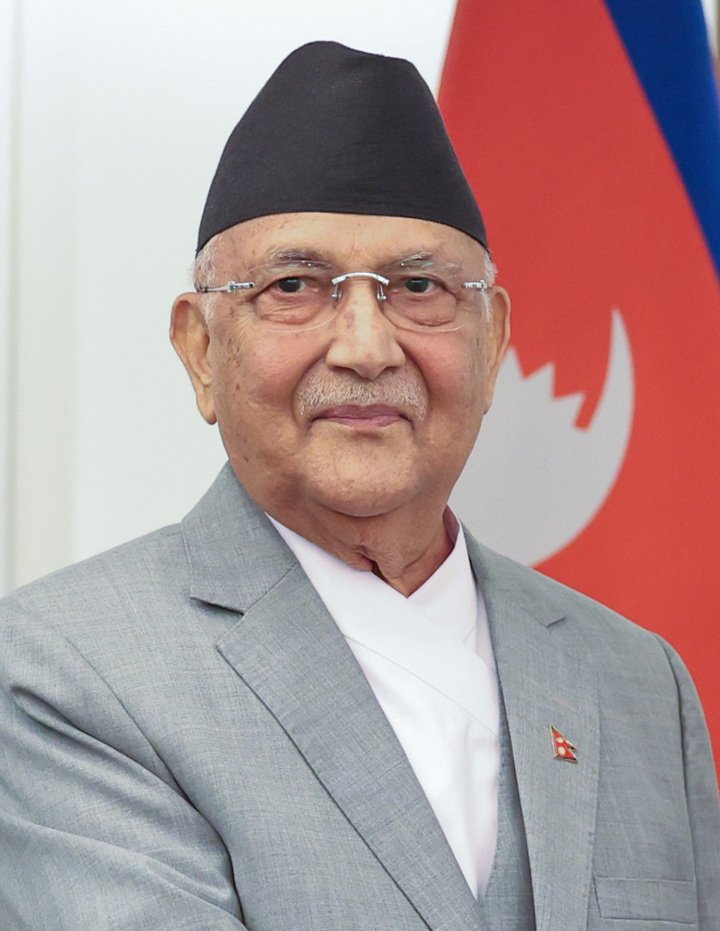
Nepal is currently undergoing a profound socio-political upheaval, marked by mass protests, institutional instability, and widespread public discontent. A wave of civil unrest has engulfed the country, resulting in the resignation of Prime Minister KP Sharma Oli and a series of cabinet ministers. This eruption of anger is not spontaneous; it is rooted in decades of socioeconomic inequality, systemic corruption, and political disillusionment.
In a historic move following the resignation of Prime Minister Oli, Sushila Karki, Nepal’s first female Chief Justice, was appointed as the interim Prime Minister, symbolizing a dramatic shift in the nation’s leadership. The new administration has taken immediate steps to address public outrage, including the appointment of widely respected reformist figures to key ministries.
Socioeconomic Crisis and the Roots of Discontent
Nepal remains one of the poorest nations in South Asia. The average annual income is approximately $1,400, and nearly 20 percent of the population lives below the poverty line. Youth unemployment stands at a staggering 20 percent, and over 10 percent of the general population is without work. These structural issues have created a severe human outflow, with around 1,000 Nepalese citizens leaving the country daily in search of employment. Remittances sent home by the estimated 2 million workers abroad account for a significant 26 percent of the country’s GDP—underscoring the reliance of Nepal’s economy on its diaspora.
While a vast majority struggles to make ends meet, a small elite—often comprising political families and business magnates—lives in extreme comfort. This disparity has drawn considerable public ire, particularly among the younger population, who are increasingly using social media platforms to expose the lifestyles of the privileged class. The term “nepo babies”—a reference to the children of politicians and wealthy elites—has trended widely, highlighting their extravagant lives juxtaposed with the daily hardships faced by ordinary citizens.
Notably, a viral image of the son of a ruling Nepali Congress politician posing beside a Christmas tree adorned with luxury brand boxes (Gucci, Louis Vuitton, Cartier) became a powerful symbol of the country’s inequality. Public indignation grew further when another video showcased the son of a former Supreme Court Chief Justice displaying his collection of luxury cars and high-end watches.
Corruption at the Core
Over the past few years, a string of corruption scandals involving high-ranking officials has severely eroded public trust in Nepal’s governing institutions. A notable case involved the misappropriation of over $10 million in an Airbus procurement deal. Another infamous scandal, known as the “Bhutanese refugee case,” saw former ministers accused of defrauding impoverished Nepalese citizens by falsely presenting them as refugees eligible for relocation to the United States.
Such incidents reflect a broader pattern of exploitation and cronyism. The perception that public offices serve as instruments of personal gain rather than public service has become deeply ingrained in the public consciousness. The recent wave of resignations includes individuals implicated in these scandals, underscoring the scale of accountability the public is demanding.
The newly appointed interim cabinet—led by figures such as Kulman Ghising (Minister of Energy), Rameshwor Prasad Khanal (Finance), and Om Prakash Aryal (Home)—marks a notable break from the past. All three are widely known for their clean records and commitment to reform, signaling a potential redirection of the state apparatus toward transparency and public service.
Censorship and Governmental Overreach
On 4 September, the government enacted a sudden ban on 26 social media platforms, including Facebook, Instagram, YouTube, and WhatsApp, citing concerns over “fake news,” “cybercrime,” and “online hate speech.” Officials claimed the move was intended to uphold “social harmony.” However, this measure was widely interpreted as an attempt to suppress criticism and curtail the organizing power of social media. Given that approximately 8 percent of the population resides abroad, this abrupt decision severed critical communication lines between families and communities.
The timing of the ban—amid growing scrutiny of elite excesses and corruption—only deepened public suspicion. For many, it signaled the desperation of a government losing control over the public narrative and seeking to stifle dissent through censorship rather than reform.
Though the interim government promptly lifted the ban, the damage to public trust has already been done. The reversal, however, is seen as a gesture of good faith by the new leadership, aiming to rebuild confidence in democratic norms and digital freedom.
The Protests and Their Evolution
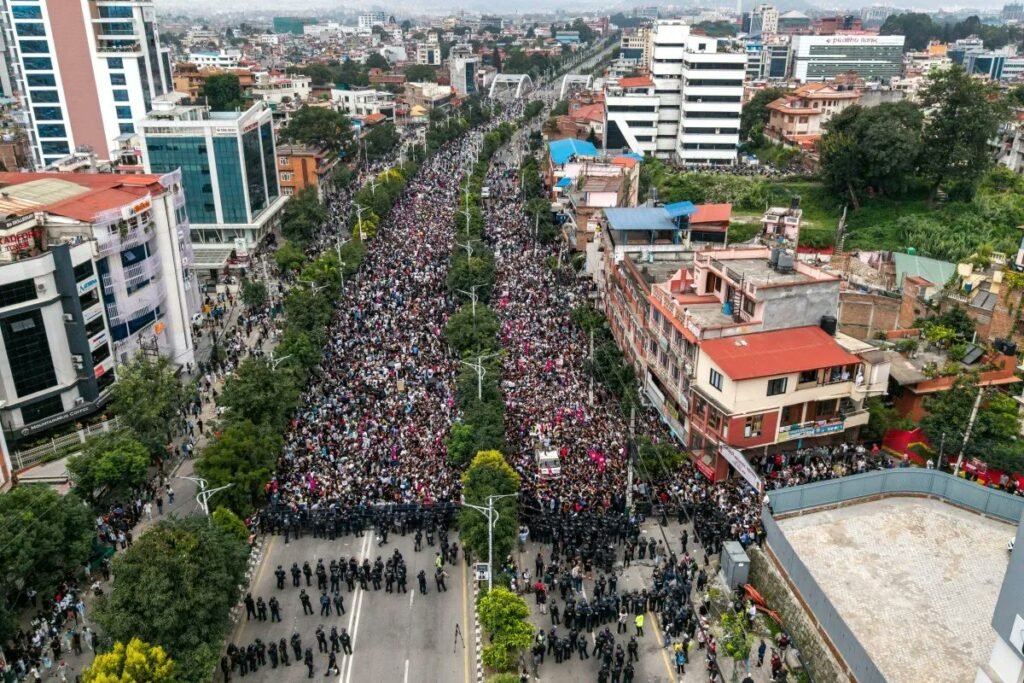
The peaceful protests that began on 8 September quickly transformed into a mass movement. Initially planned as a cultural demonstration in response to the social media ban, the protest morphed into a broader outcry against corruption, inequality, and authoritarianism.
Participants, primarily young people, drew inspiration from recent uprisings in Sri Lanka and Bangladesh. Many demonstrators called for a future in which healthcare, education, and basic services are accessible to all. Their demands centered not on ideology but on practical needs and systemic accountability.
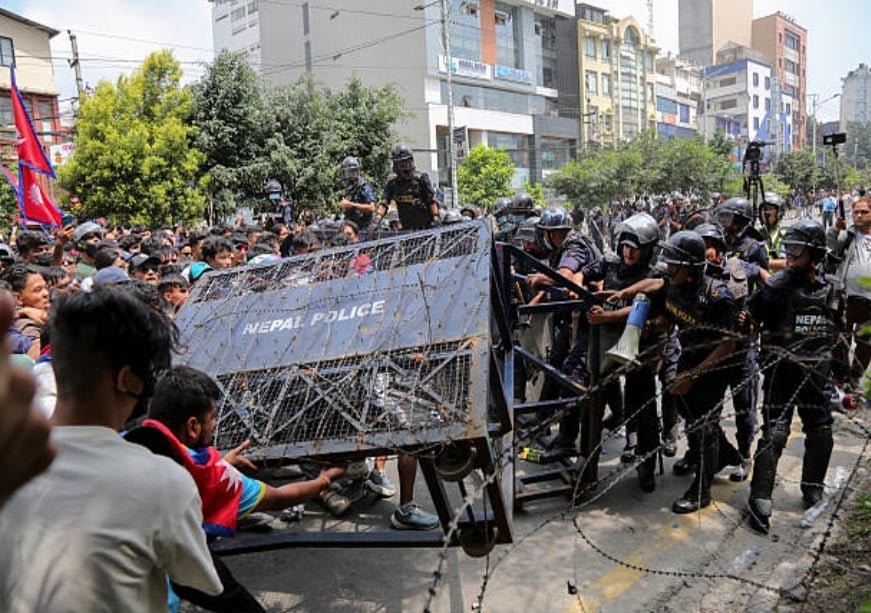
Clashes between protesters and police escalated dramatically. As demonstrators approached the parliament building, they encountered a heavily armed police presence.
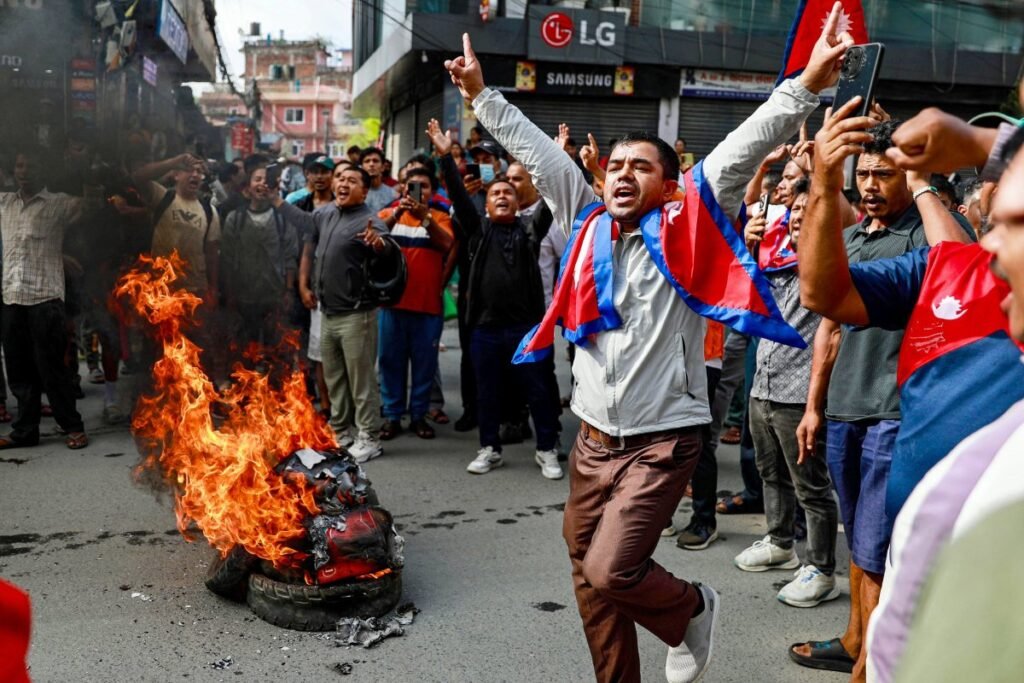
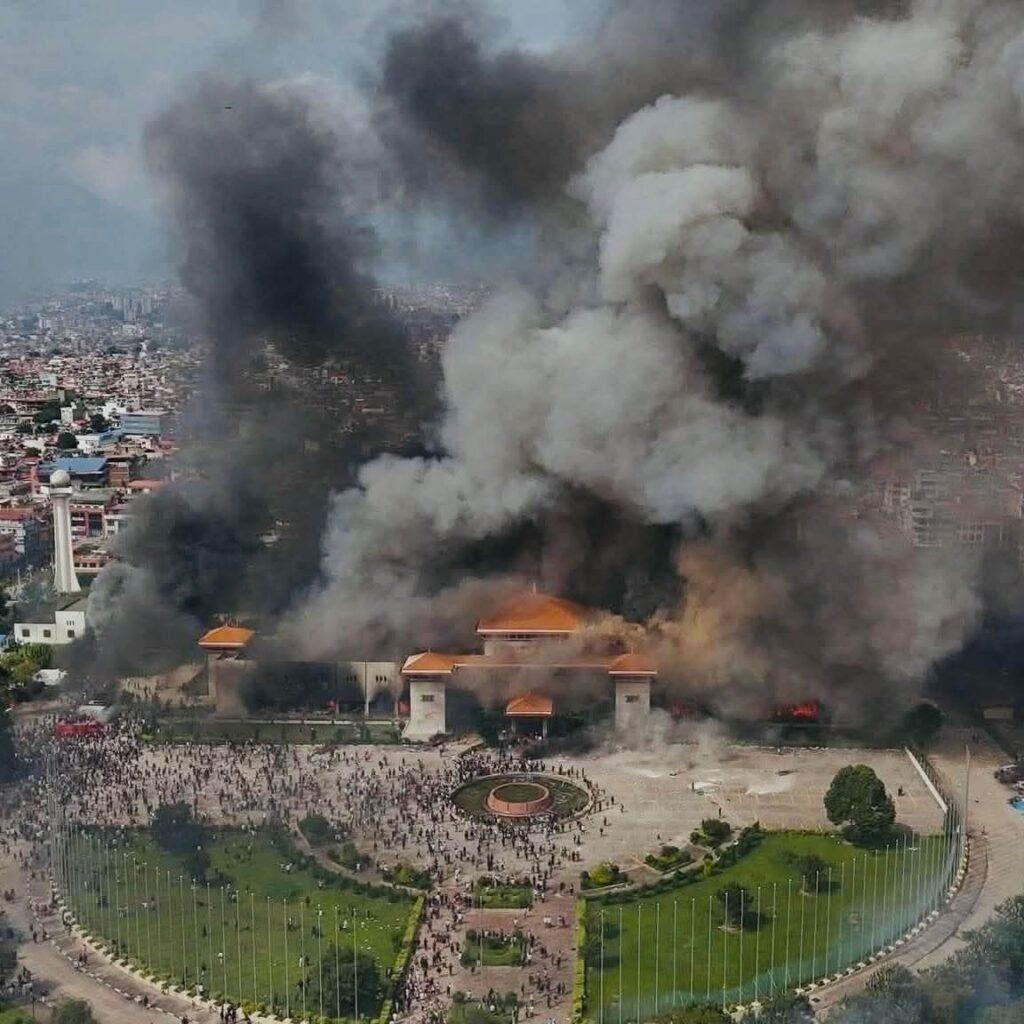
The situation intensified when law enforcement used tear gas, rubber bullets, and eventually live ammunition. According to updated official figures, the death toll has risen to 72, with over 2,100 individuals injured, making it one of the deadliest episodes of civil unrest in the nation’s history. Government buildings, including the parliament, the Supreme Court, and various political party offices, were stormed and set ablaze by segments of the protest movement. These actions reflected deep-rooted frustrations with institutions perceived as complicit in decades of misrule and corruption.
Political Fallout and Government Response
In the wake of the protests, a wave of resignations swept through the political establishment. Prime Minister Oli, who had been evacuated by helicopter for his safety, formally stepped down on 10 September. The government quickly reversed the social media ban and announced measures such as medical aid for the wounded and compensation for the families of the deceased.
In a significant gesture, the interim government declared a nationwide day of mourning for the protest victims. Furthermore, it launched a program of financial compensation for victims’ families and long-term medical support for the injured—measures that were long demanded by the public but had been ignored by previous administrations.
Parliament has been dissolved, and general elections are scheduled to take place on 5 March 2026. These developments represent an opportunity for a broader political reset—provided that public pressure remains sustained and effective.
A Crisis of Representation and the Call for Renewal
Nepal’s contemporary political landscape is marked by the fragmentation and co-optation of leftist parties. Although several major parties identify as communist, most have participated in coalition governments that managed the capitalist status quo. These parties, too, are now tainted by accusations of nepotism and elitism. Figures like Balendra Shah, the independent Mayor of Kathmandu and former hip-hop artist, have gained popularity for their anti-corruption stance. Similarly, grassroots organizations such as Hami Nepal, led by cultural figures like Sudhan Gurung, have presented detailed reform proposals emphasizing youth leadership and institutional accountability. However, while new voices are emerging, the path forward remains uncertain. Without a coherent political force capable of channeling popular discontent into a sustainable program of systemic change, there is a risk that the current momentum could dissipate without achieving substantive reform.
A Nation at a Crossroads
Nepal stands at a critical juncture. The uprising reflects not just a rejection of particular individuals or parties, but a repudiation of an entire political and economic model that has failed to deliver dignity, equity, and opportunity for the vast majority of the population.
The protests have demonstrated the power of collective action and the potential of youth-led movements to challenge entrenched systems. However, lasting change will require more than protest—it demands the emergence of political leadership rooted in democratic accountability, social justice, and an unwavering commitment to the public good.
The world should take note. The frustrations that erupted in Nepal are not isolated phenomena; they mirror global patterns of inequality and political stagnation. As such, the lessons from Nepal’s uprising resonate far beyond its borders, offering both caution and hope for movements seeking transformative change elsewhere.