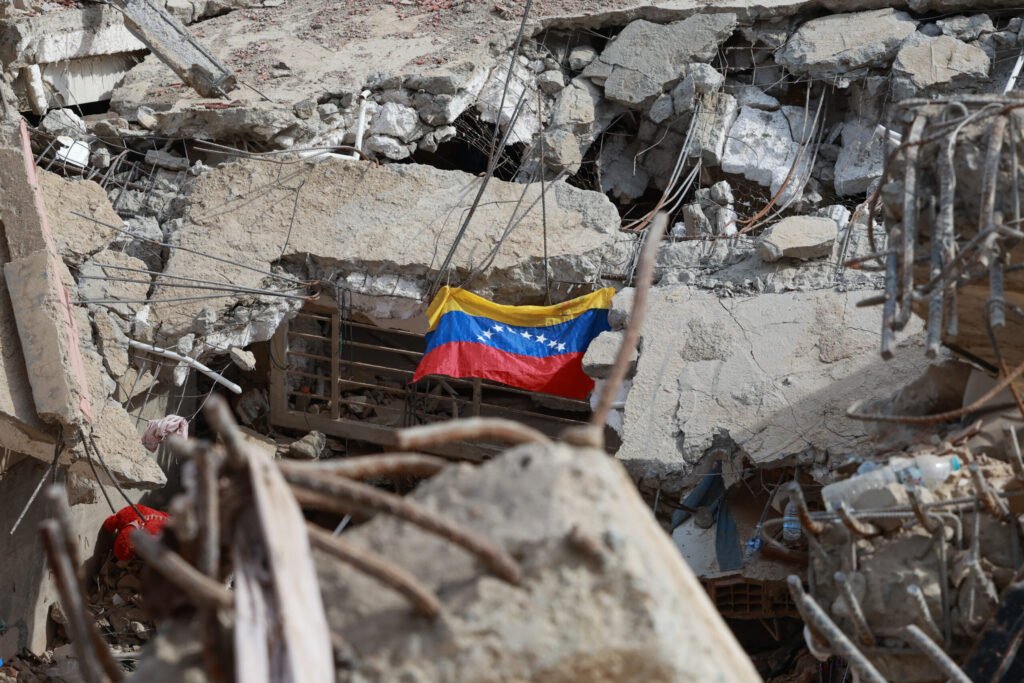

On June 24, 2026, Venezuela experienced a catastrophic seismic event when two powerful earthquakes, measuring 7.2 and 7.5 in magnitude, struck the nation. The disaster resulted in over 4,500 fatalities, 16,740 injuries, and left potentially 50,000 individuals missing. This natural disaster exacerbated an ongoing crisis in a country already severely weakened by years of economic instability and comprehensive United States sanctions.
Infrastructure Vulnerabilities and the Immediate Aftermath
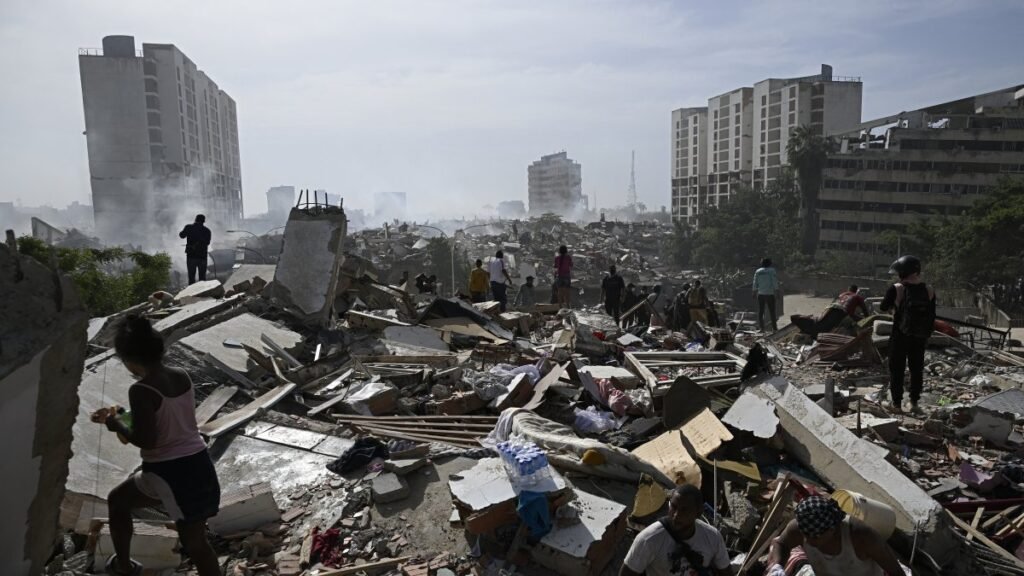
Venezuela is situated in a highly active seismic zone, with approximately 80 percent of its population living near the boundary of the Caribbean and South American tectonic plates. Despite a history of significant earthquakes in 1812, 1967, and 1997, the nation’s infrastructure was largely unprepared to withstand severe seismic activity. The June 2026 quakes, the most devastating since 1900, caused multi-story buildings to collapse instantly, resulting in an estimated $7 billion in physical damages and directly affecting 6.8 million people. The destruction was most concentrated in the eastern neighborhoods of Caracas, as well as in La Guaira and Catia La Mar.
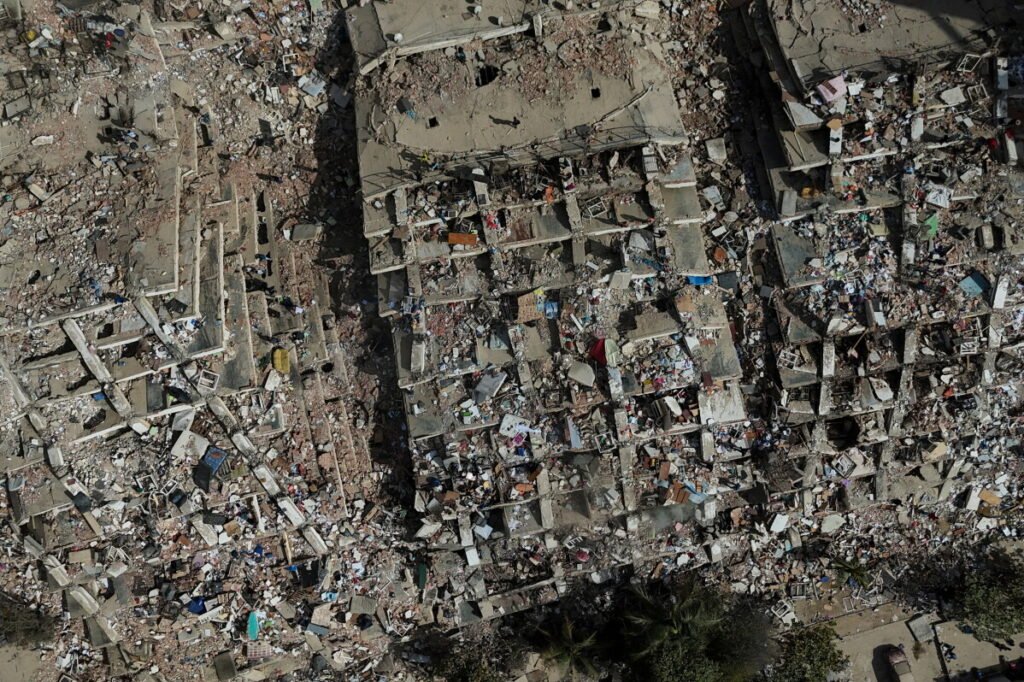
In the immediate aftermath, local citizens rapidly self-organized to rescue survivors, distribute supplies, and establish makeshift aid stations. However, the initial response was hindered by a lack of centralized coordination. Rescue efforts were hampered by congested roads, particularly between Caracas and La Guaira, and a critical shortage of heavy machinery and trained rescue personnel during the vital first 48 hours. Furthermore, the government’s crisis management drew criticism for prioritizing control over efficiency; authorities reportedly halted civilian donation efforts to maintain a state monopoly on aid distribution, while security forces were often observed standing by passively due to a lack of directed resources.
The Compounding Effect of Economic Sanctions
The devastation of the earthquakes was significantly magnified by pre-existing economic vulnerabilities, largely driven by US sanctions that were escalated in 2017. These measures severely restricted Venezuela’s ability to engage in international commerce, effectively functioning as a financial blockade. Prior to the earthquakes, the sanctions had already caused critical shortages of life-saving medications and medical equipment, straining the healthcare system’s ability to treat chronic conditions. Following the disaster, these financial restrictions complicated the international humanitarian response.
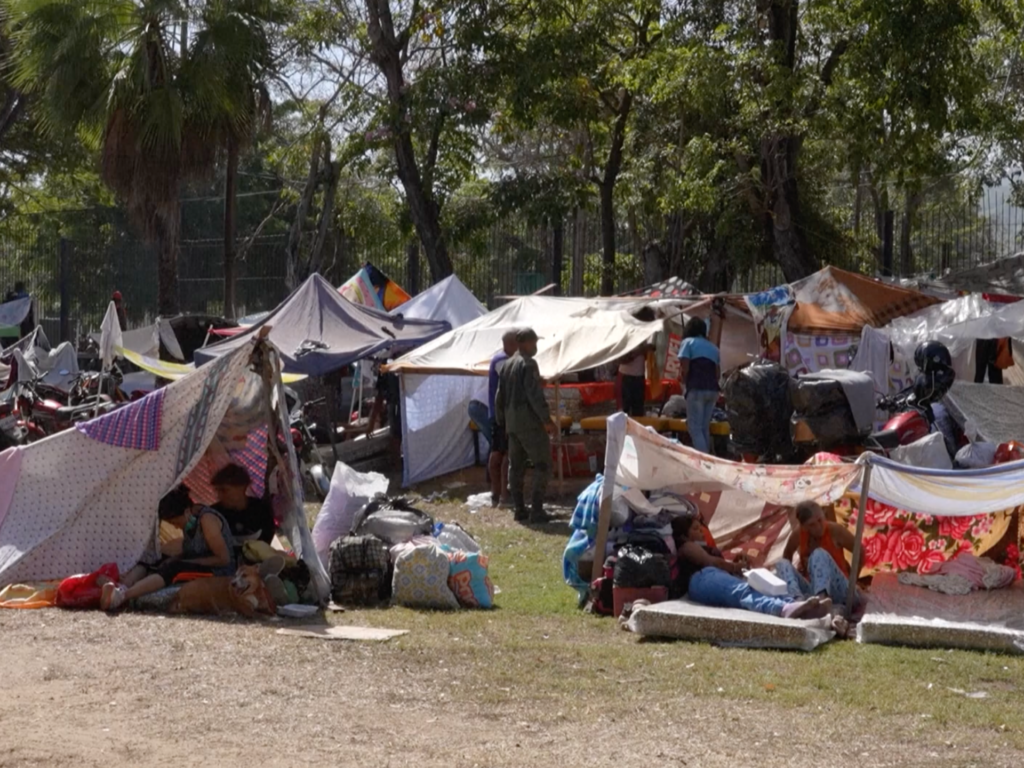
Foreign non-governmental organizations faced significant administrative obstacles in deploying personnel and moving funds to local staff. Medical facilities were quickly overwhelmed; for example, at Caracas’ Hospital del Oeste, surgeons were forced to operate in makeshift rooms without essential supplies, such as screws and plates to repair crushed limbs. Although the US government issued temporary exemptions for disaster relief, medical professionals argued that supply chains could not be restored quickly enough to address the immediate surge in casualties.
Geopolitical Repercussions and the Erosion of Sovereignty
The disaster has also accelerated a profound shift in Venezuela’s geopolitical landscape, raising significant concerns regarding national sovereignty. US officials now exert substantial control over Venezuela’s financial systems and the distribution of its natural resources.
The US Treasury manages the revenue from most Venezuelan exports, imposing strict conditions on state expenditures and functioning in a manner that critics liken to colonial administration.
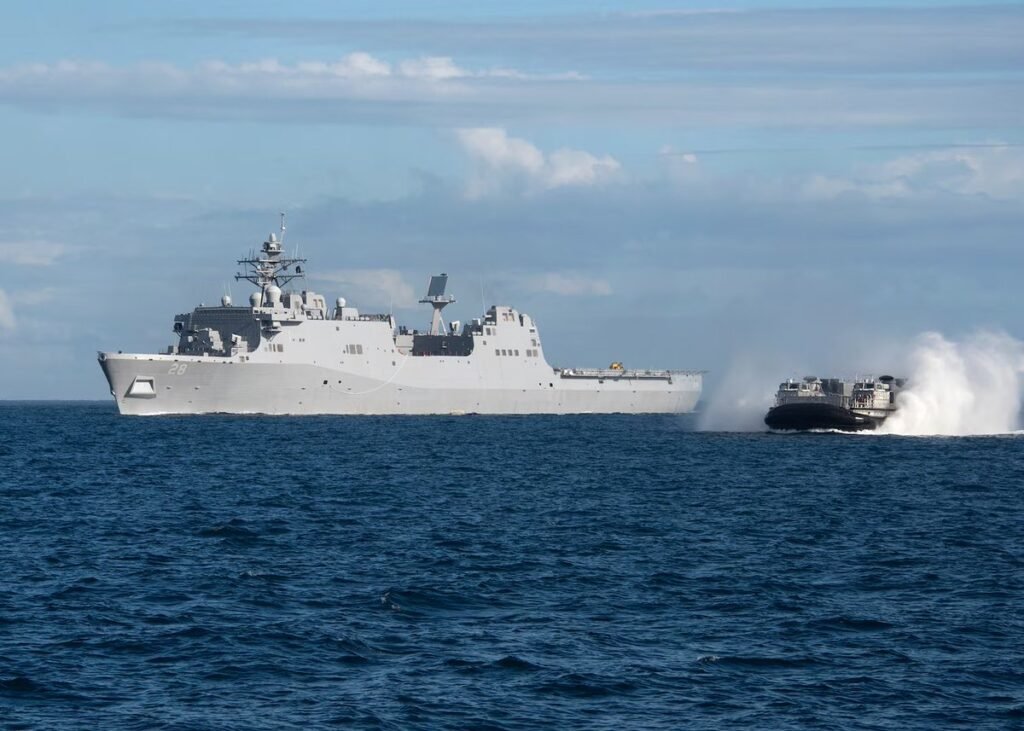
Under the framework of humanitarian relief, the United States has established a robust military presence within the country. US Southern Command forces, alongside naval vessels such as the USS Billings and USS Fort Lauderdale, have been deployed to Venezuelan ports.
Furthermore, the US military has assumed control of air traffic operations at Maiquetía International Airport, while armed marines patrol the streets. While framed as necessary for disaster response, political analysts and local citizens view this military and administrative presence as a mechanism for establishing long-term territorial control, fundamentally compromising the nation’s independence.
Additionally, the government’s decision to welcome foreign rescue teams, including Israeli military units, has generated internal controversy among its traditional political base. Critics within domestic political organizations have characterized the influx of foreign forces as a “silent invasion” facilitated under the guise of humanitarian aid. Ultimately, the earthquakes have not only laid bare the structural and economic fragility of Venezuela but have also served as a catalyst for increased foreign dominance over its internal affairs and recovery process.