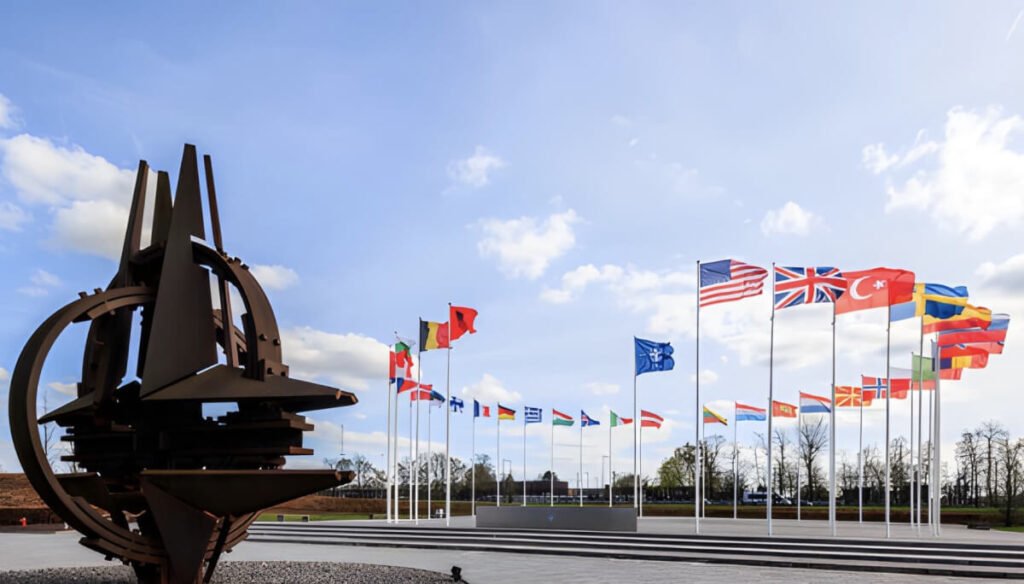

The NATO leaders’ summit in Ankara was convened primarily to project an image of Western solidarity amidst heightened global instability. However, rather than reaffirming a shared strategic vision, the proceedings exposed a deepening political rift within the alliance. European governments are increasingly evaluating whether fundamental American security initiatives still correspond to their own vital interests. What was designed as a demonstration of unified resolve ultimately highlighted a broader crisis of political confidence regarding the future governance and cohesion of the transatlantic partnership.
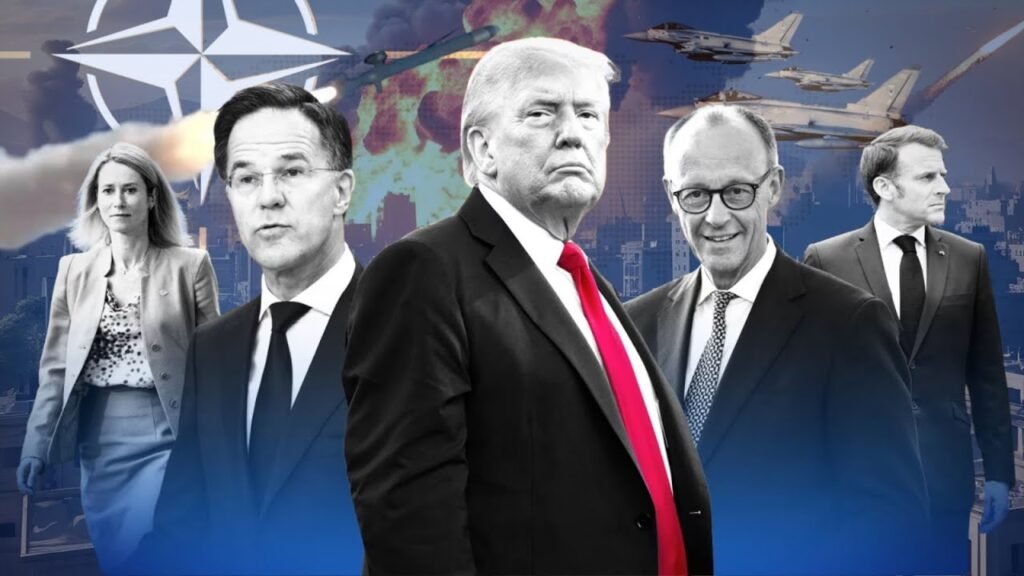
The Middle East Conflict as a Strategic Flashpoint
The primary source of friction at the summit extended beyond traditional disagreements over defense spending targets or burden-sharing metrics. Instead, the debate centered on fundamentally divergent approaches to international crisis management, brought into sharp focus by ongoing military operations conducted by the United States and Israel against Iran.
While Washington and Tel Aviv framed these joint operations as essential measures to neutralize critical security threats, European capitals viewed the escalation with severe apprehension. European policymakers expressed acute concern over the potential for an uncontained regional contagion extending across the Middle East, the disruption of crucial maritime shipping lanes and global energy markets, and the heightened security risks and displaced populations along Europe’s southern borders. This divergence illustrated a core institutional vulnerability within NATO. While European allies remain reliant on American military power for continental defense, Washington retains the capacity to initiate far-reaching military campaigns without comprehensive prior consultation, leaving European states to absorb the resulting geopolitical and economic consequences.
Institutional Unpredictability and the Changing Transatlantic Order
The friction observed in Ankara reflects systemic shifts in the traditional transatlantic bargain. For decades, NATO functioned on a clear structural arrangement where the United States guaranteed continental European security while Europe operated within an overarching framework of American strategic leadership. That framework is now under unprecedented strain, transitioning from a model of shared alignment toward one marked by unilateral action and strategic uncertainty.
While the return of President Donald Trump to the White House has accelerated these concerns, the underlying drivers of this shift extend beyond any individual administration. Washington’s sustained strategic focus on China and the Asia-Pacific region has steadily reallocated American diplomatic and military attention away from European priorities, while changing domestic political attitudes in the United States have created growing skepticism regarding long-standing overseas military commitments. Consequently, the primary risk facing NATO is not an immediate or formal American withdrawal, but rather the operational disruption caused by an indispensable ally making major strategic moves unilaterally from within the alliance structure. While military alliances can adjust to shifts in material power, political cohesion rapidly degrades when the primary security guarantor operates without seeking genuine consensus among its partners.
The European Defense Dilemma: Balancing Deterrence and Autonomy
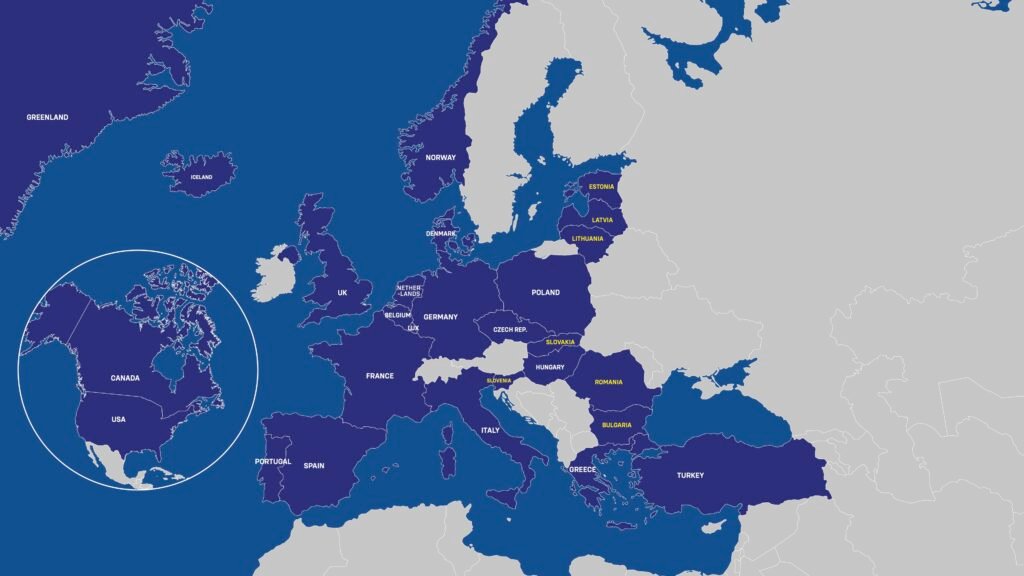
The debate over enhancing European defense capabilities remains complicated by differing strategic priorities across the continent. Eastern flank states prioritize deterring threats along their eastern borders, viewing an active U.S. military presence as an irreplaceable element of continental defense. Conversely, Western European capitals place greater emphasis on reducing systemic over-reliance on Washington by championing long-term European strategic autonomy and independent capability building. Despite these internal divisions, recent geopolitical developments suggest that European options are not limited to a binary choice between total dependence on Washington or an absolute break from NATO. A pragmatic approach involves strengthening European defense infrastructure, bolstering intelligence-sharing mechanisms, and expanding defense-industrial capacity. Properly executed, enhanced European capability would not dismantle the alliance; rather, it would yield a more balanced, resilient framework capable of enduring fluctuations in American foreign policy.
Institutional Decay and the Imperative for Consultation
Alliances rarely disintegrate through sudden, formal ruptures. More frequently, they undergo incremental erosion as consultative mechanisms become purely formal, shared security objectives narrow, and mutual confidence gives way to strategic suspicion. The Ankara summit served as a clear indicator that NATO has entered a period of structural uncertainty. If the United States intends to maintain its traditional leadership role within the alliance, it must ensure that its security choices are embedded within a genuinely collaborative framework. Expecting allies to provide diplomatic cover for unilateral decisions undermines the trust required to sustain long-term alliance cohesion.