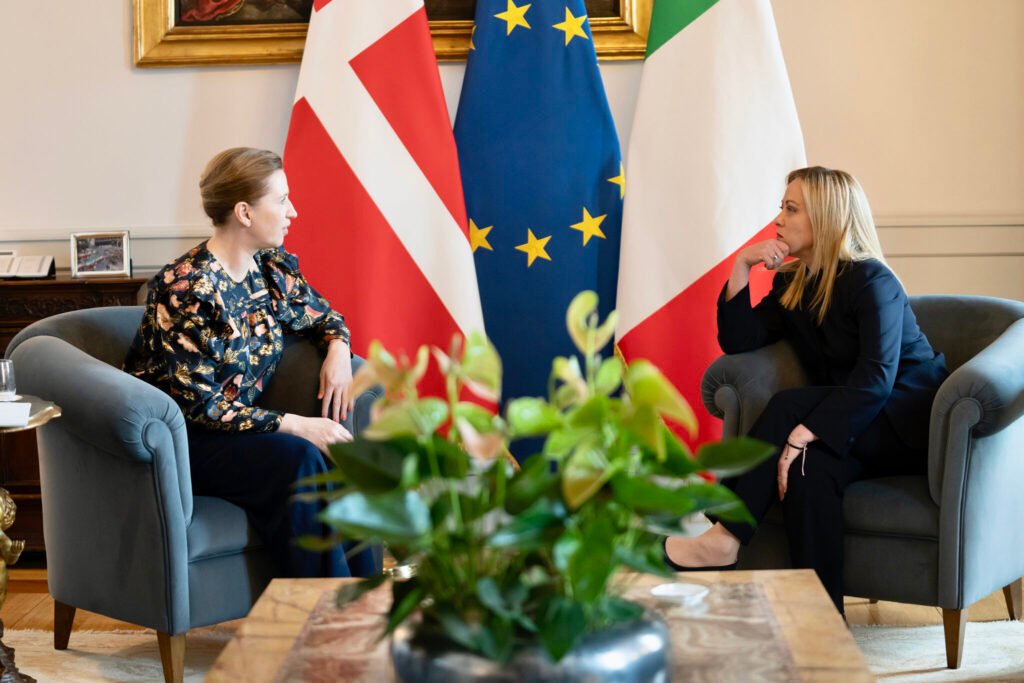

The contemporary political landscape of the European Union is frequently characterized by profound ideological polarization, yet a notable and highly pragmatic alliance has emerged between Italian Prime Minister Giorgia Meloni and Danish Prime Minister Mette Frederiksen. Representing the political right and the center-left respectively, these two leaders are currently the only female heads of government among European Union member states. Transcending traditional partisan divides, they have cultivated a robust working relationship based on shared strategic interests. Their partnership extends beyond bilateral diplomacy, as both leaders have previously demonstrated an assertive approach to international relations. Frederiksen notably maintained a firm stance against Donald Trump regarding the territorial status of Greenland, while Meloni refused to permit the utilization of Italian military bases for United States operations against Iran.
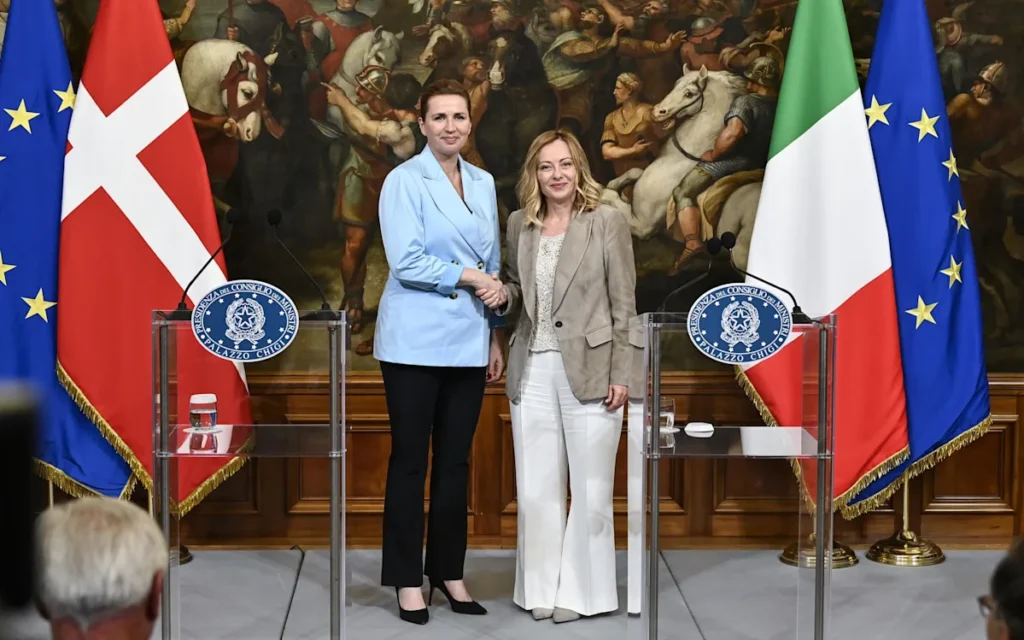
Both leaders possess remarkable political endurance and stability within their respective domestic spheres. On September 4, Meloni is projected to surpass Silvio Berlusconi’s record of 1,412 consecutive days in office, thereby leading the longest-serving Italian government since the conclusion of the Second World War. This represents a significant milestone in a nation that has experienced sixty-eight different governments since 1946. Similarly, Frederiksen, who made history as the youngest prime minister in Denmark, has continuously led her country since 2019, successfully securing a third term in office following the most recent electoral cycle.
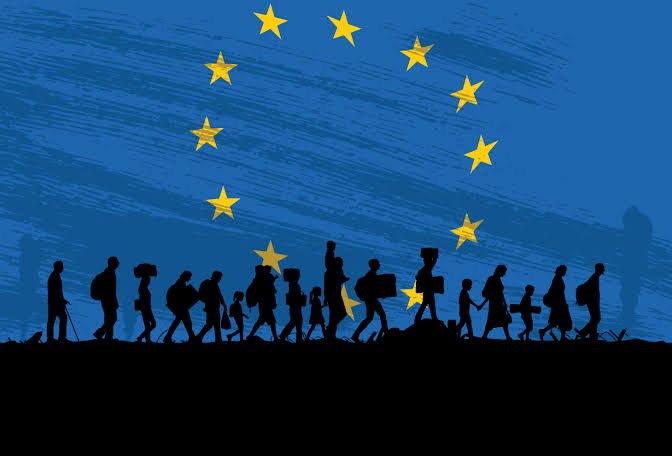
The foundational pillar of this bilateral cooperation lies in their shared, stringent approach to immigration and border security. Since Meloni’s inauguration as Italy’s first female prime minister in 2022, the two leaders have engaged in numerous informal discussions aimed at forming a coalition of European governments advocating for a more rigorous EU migration framework. Their collaborative efforts have yielded tangible policy shifts, including overcoming the European Union’s historical hesitancy to deport foreign nationals convicted of crimes. Furthermore, they have successfully pushed for regulatory changes that permit the establishment of controversial offshore return hubs in third countries for unsuccessful asylum applicants. Although these initiatives face practical and legal hurdles—such as the challenges surrounding Italy’s migrant center agreement with Albania and the stalled progress of Denmark’s proposed arrangement with Rwanda—the political momentum they have generated remains highly influential.
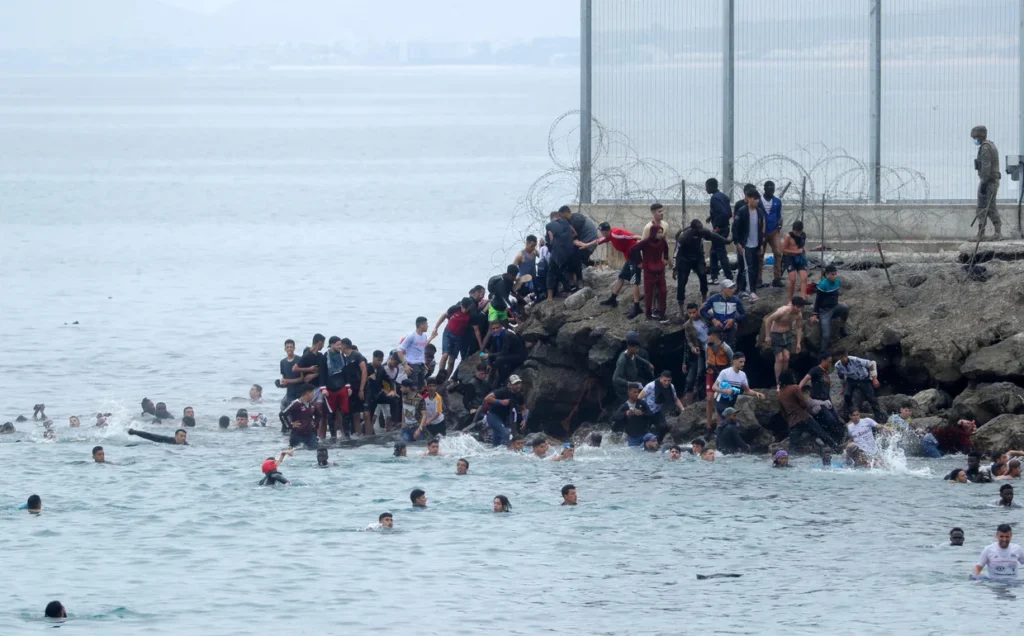
In recent weeks, this bilateral coordination has intensified dramatically in response to regional border pressures. Following a sudden influx of migrants into the Spanish enclave of Ceuta, Meloni and Frederiksen successfully mobilized twenty other European leaders to criticize Spain’s handling of the situation and demand an emergency European Union summit. Consequently, temporary border controls were reinstated between Italy and Spain. To further cement their unified stance, the two leaders recently published a joint letter on social media advocating for a border security model similar to Australia’s approach, emphasizing the absolute necessity of protecting European values. The statement highlighted their success in shifting the European consensus on the expulsion of criminal foreign nationals under the European Convention on Human Rights, while reiterating the need for innovative solutions and return hubs outside European borders.
Furthermore, they explicitly emphasized their pride in Europe’s Christian cultural heritage, stating their expectation that new arrivals must respect local values rather than imposing incompatible ways of life.
This joint declaration serves highly strategic domestic purposes for both administrations, providing a masterclass in political maneuvering. For Meloni, aligning with a prominent socialist leader allows her to counter left-wing critics by demonstrating that strict migration controls are not exclusively a right-wing agenda. Simultaneously, it enables her to project strength on border security, outflanking her primary far-right rival, former army general Roberto Vannacci. Additionally, the letter mitigates any perception of Italian isolation following Rome’s unilateral decision to suspend the Schengen passport-free travel zone with Spain. It also serves as a strategic distraction from Italy’s ongoing diplomatic friction with Germany. Berlin, under pressure from the surging Alternative for Germany party, is demanding the return of asylum seekers to Italy under the Dublin regulation—a stipulation Meloni has vehemently rejected. This dispute is escalating toward a geopolitical confrontation on August 19, when Germany plans to deport a Somali asylum seeker back to Italian jurisdiction.
For Frederiksen, the partnership with Meloni provides essential political cover against right-wing nationalist factions within Denmark. By adopting a firm posture on the Ceuta crisis, she effectively neutralized demands from Morten Messerschmidt, leader of the Danish People’s Party, who had called for an emergency parliamentary debate to withdraw Denmark from the Schengen agreement. The joint letter shields her government from accusations of leniency on border security, ensuring her administration maintains control over the domestic migration narrative without risking the broader consequences of exiting the Schengen zone.
As Italy approaches its national elections next year, this pragmatic alliance is expected to produce further coordinated messaging. By prioritizing shared strategic interests over ideological purity, Europe’s female leaders are fundamentally reshaping the continent’s approach to border security, successfully navigating a polarized environment and embodying former US Secretary of State Madeleine Albright’s famous adage regarding the importance of women supporting one another.