

Colombia is preparing for a highly consequential presidential runoff scheduled for June 21, 2026, which features a stark ideological confrontation between a transformative left-wing platform and a surging far-right movement. This electoral dynamic mirrors recent high-stakes political contests observed across Latin America, including in Brazil, Argentina, and Chile.
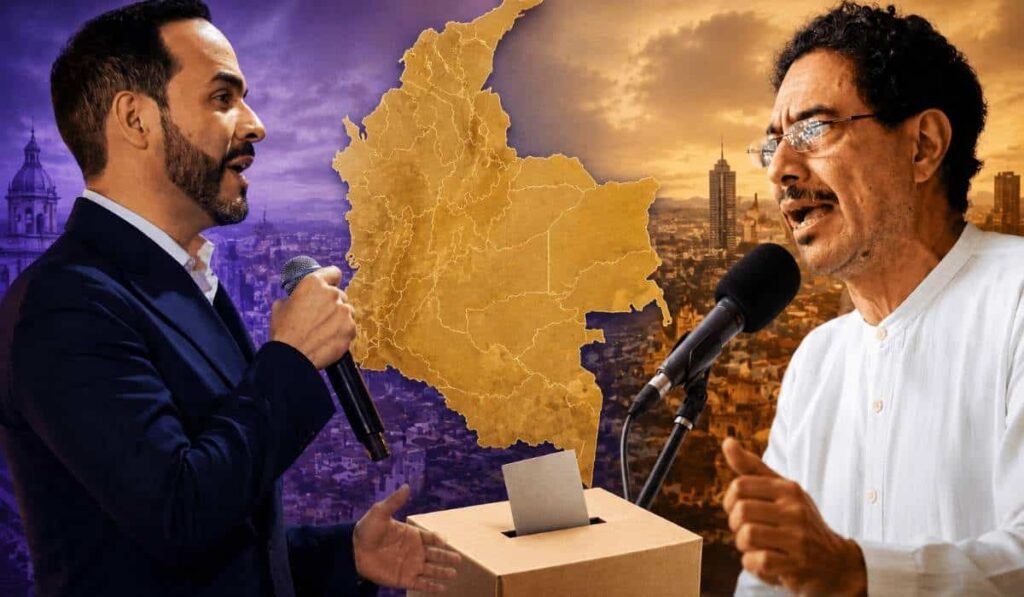
In the initial round of voting, Abelardo de la Espriella—a right-wing populist who openly aligns himself with the political styles of Donald Trump, Javier Milei, and Nayib Bukele—secured first place with 43.7 percent of the vote. Progressing to the runoff closely behind him is Senator Iván Cepeda, representing the left-wing Pacto Histórico coalition, who garnered 40.9 percent. The first-round results defied expectations, as prior polling had indicated Cepeda was the frontrunner, with some camp strategists anticipating an outright victory above the 50 percent threshold alongside his vice-presidential running mate, indigenous leader Aida Quilcué. Instead, the tight margin ensures that the final outcome will be determined by a narrow band of undecided voters.
The Realignment of the Colombian Right
A defining feature of the first round was the rapid consolidation of the conservative electorate around De la Espriella at the expense of traditional establishment candidates. De la Espriella effectively absorbed the core base of Uribismo—the dominant center-right political current led by former President Álvaro Uribe since the early 2000s. This structural shift resulted in a meager 6.9 percent showing for the establishment-backed candidate, Paloma Valencia.
In an effort to capture moderate centrist voters, Valencia had moderated her platform and selected Juan Daniel Oviedo, an openly gay centrist politician, as her vice-presidential candidate. However, conservative voters increasingly favored De la Espriella’s uncompromising rhetoric and radical policy proposals, which include importing Argentina’s fiscal austerity measures and El Salvador’s aggressive anti-gang carceral strategies to Colombia. Although Valencia and Uribe immediately endorsed De la Espriella following the vote, it remains uncertain whether their entire moderate constituency will follow suit.
Security Dynamics and Electoral Geography
The election generated a historically high voter turnout of 58 percent, reflecting the intense polarization of the competing political visions.
The rhetorical adversarialism between the camps is profound: Cepeda has characterized De la Espriella as an authoritarian figure representing “mafia fascism,” while De la Espriella has labeled Cepeda a “criminal” and an ideological successor to the Fuerzas Armadas Revolucionarias de Colombia (FARC), the Marxist insurgency that fought the state for over five decades.
The geographical distribution of votes adheres to historical patterns, with conservative forces dominating the industrialized central region, while the left retains deep support across peripheral areas, including the economically disadvantaged Atlantic coast and the Amazonian departments. Notably, De la Espriella achieved significant majorities in regions experiencing heightened security risks from illegal armed groups.
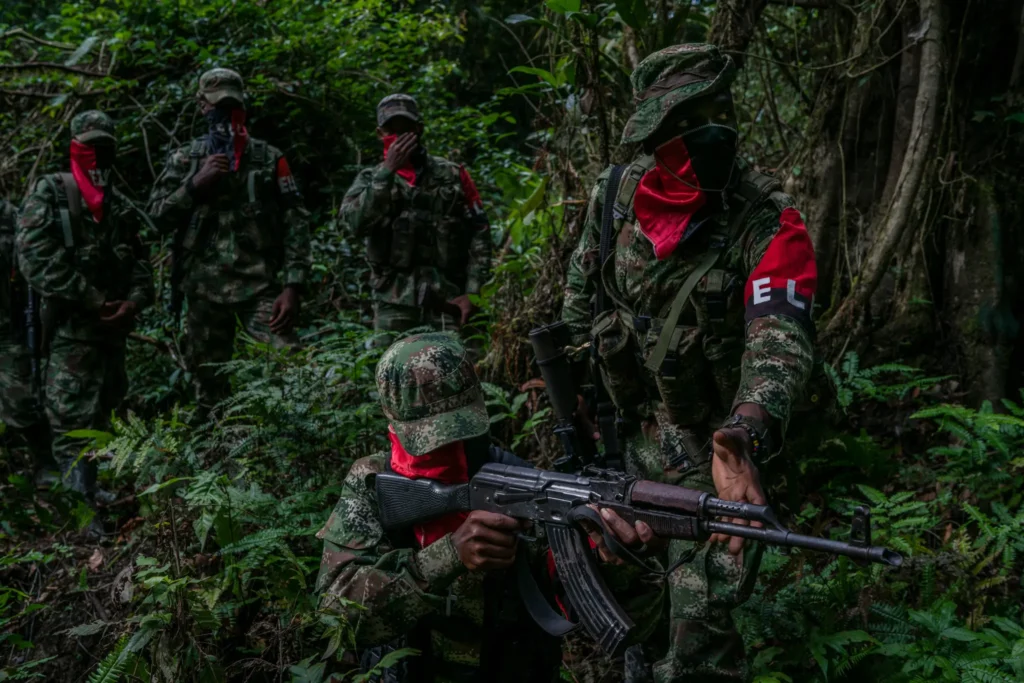
Despite the legislative milestone of the 2016 peace accord with the FARC, alternative guerrilla organizations, paramilitary successors, and organized criminal cartels continue to expand, fielding an estimated 27,000 active combatants nationwide. This deterioration of rural security has undermined the current administration’s “Total Peace” negotiation strategy, amplifying the appeal of De la Espriella’s militaristic rhetoric. The right-wing candidate frequently reinforces this focus by delivering campaign speeches from within bulletproof glass structures while wearing tactical body armor.
The Track Record and Structural Power of the Left
Despite the initial setback, the Pacto Histórico retains a viable pathway to the presidency. Structurally, the coalition has successfully transitioned from a loose electoral alliance into a unified political party, a consolidation that allowed it to expand its presence and emerge as the single largest parliamentary force during the March 2026 legislative elections, though it remains short of an absolute majority.
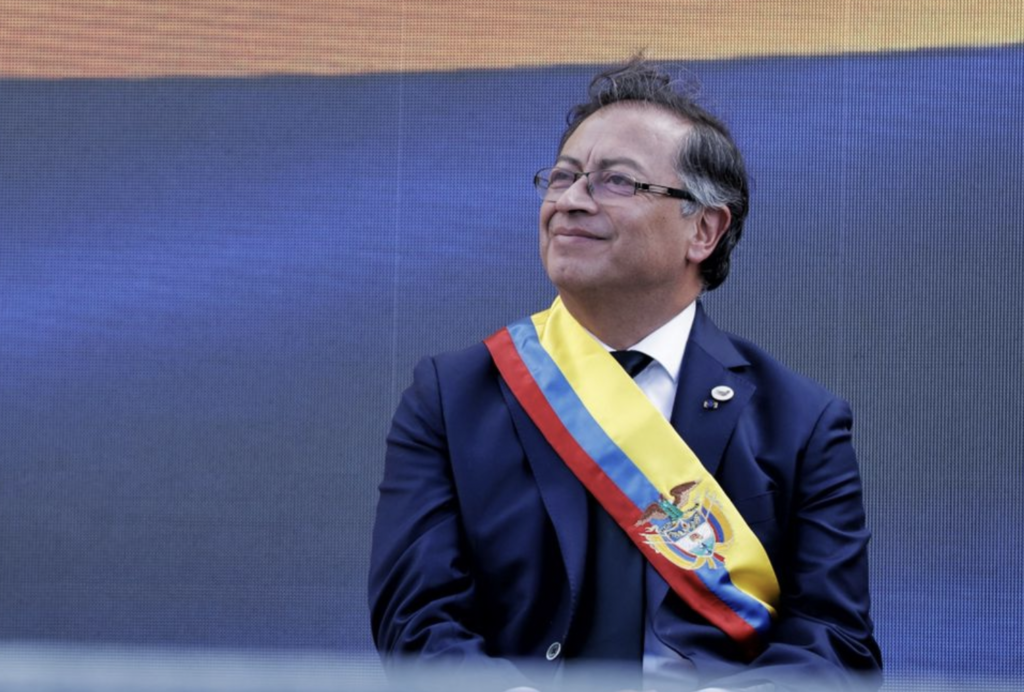
Cepeda’s campaign is also anchored by the progressive accomplishments of outgoing President Gustavo Petro. Despite facing intense resistance from the country’s economic elite and major media conglomerates, the first left-wing administration in Colombia’s modern history successfully executed significant legislative reforms in:
- Fiscal Policy: Implementing a highly progressive tax overhaul.
- Social Security: Overhauling the national pension system.
- Education: Expanding funding and access to higher education.
- Resource Economics: Becoming the world’s first major oil-producing state to freeze new fossil fuel exploration to advance a green energy transition.
Furthermore, the administration expanded agrarian land redistribution to landless rural workers, presided over an increase in the minimum wage, and achieved measurable reductions in national poverty, systemic hunger, and unemployment rates. However, key objectives were stymied, most notably a structural healthcare reform aimed at reducing the role of private financial intermediaries, which was blocked by a hostile congress.
Contrast in Leadership Styles and Legal Backgrounds
The campaign highlights a sharp contrast in candidate personas. While President Petro’s combative rhetoric and recent public questioning of provisional electoral tallies have sometimes created institutional friction, Cepeda is widely recognized for a more measured, analytical approach. Cepeda has built a formidable ethical reputation as a human rights defender, a prominent advocate for victims of political violence, and the legal architect of the landmark judicial proceedings against Álvaro Uribe regarding historical ties to right-wing paramilitary groups.
This profile stands in stark contrast to De la Espriella’s controversial legal background. Prior to entering politics, De la Espriella served as a defense attorney for high-ranking paramilitary commanders, including Salvatore Mancuso, a warlord linked to tens of thousands of human rights abuses and hundreds of admitted executions. Cepeda’s record on human rights may prove critical in attracting the approximately 5 percent of centrist voters who backed candidates like Sergio Fajardo and Claudia López in the first round, as well as moderate conservatives alienated by De la Espriella’s extremism.

The Geopolitical Context: The Shadow of Washington
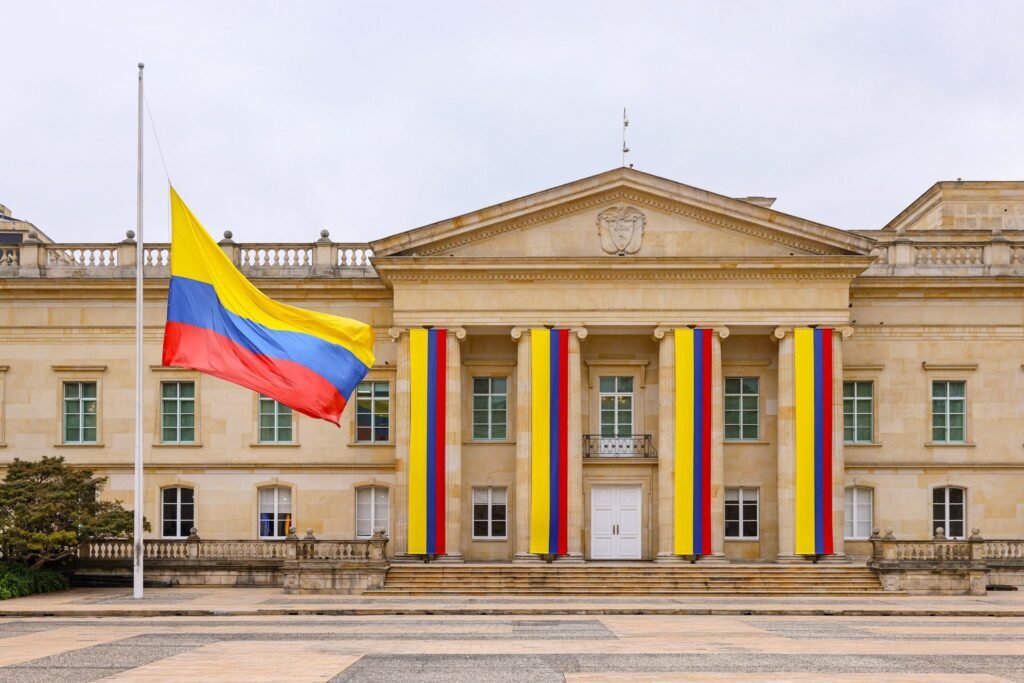
The upcoming runoff is heavily influenced by international relations, particularly the foreign policy shift of the United States administration. Washington’s latest National Security Strategy emphasizes a reassertion of political, economic, and military influence across the Western Hemisphere. This has raised concerns within the Colombian left regarding potential external electoral interference.
The bilateral relationship has been fraught; the US administration previously designated President Petro to the “Clinton List” of suspected drug-trafficking accomplices and floated the prospect of direct intervention, driven partly by Petro’s vocal opposition to international military actions in Gaza.
While these specific diplomatic threats were paused following a bilateral meeting in February 2026, the potential for subtle or direct diplomatic intervention remains high now that the conservative opposition has unified.
De la Espriella has openly pledged to restore traditional security ties with Washington and has formally requested that US authorities monitor the upcoming runoff, a move underscored by recent high-level meetings between Republican Senator Bernie Moreno and leaders of the Colombian right.
However, this overt alignment with Washington has triggered a sovereigntist backlash among the Colombian electorate. Similar to the political trajectories observed with Mexico’s Claudia Sheinbaum and Brazil’s Luiz Inácio Lula da Silva, President Petro experienced a surge in domestic approval during periods of direct rhetorical confrontation with the US executive. The Pacto Histórico seeks to leverage this nationalist sentiment by framing De la Espriella’s foreign policy as an abdication of national autonomy. On June 21, Colombian voters will fundamentally decide whether to sustain a model of gradual socioeconomic and ecological transformation or pivot toward an aggressive program of fiscal austerity and militarization.