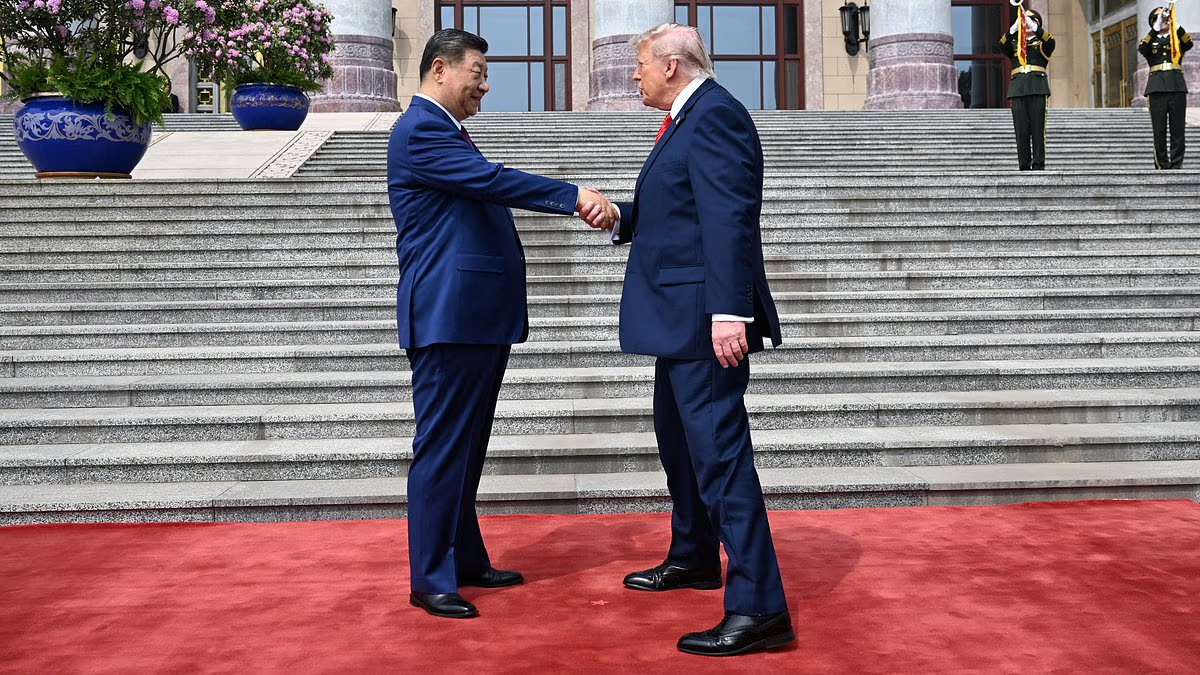

Following its conclusion, US President Donald Trump’s state visit to Beijing from May 13 to 15, 2026, marks a critical juncture in contemporary geopolitics. While the US administration has swiftly claimed the summit as a diplomatic triumph—highlighting renewed dialogue and trade pledges—a rigorous analysis of the outcomes reveals a vastly different reality. The summit did not demonstrate an American resurgence, but rather highlighted the structural constraints and geopolitical exhaustion facing the United States. Entangled in an escalating conflict in the Middle East and facing friction with traditional European allies, Washington is increasingly seeking stability from its primary geopolitical competitor.
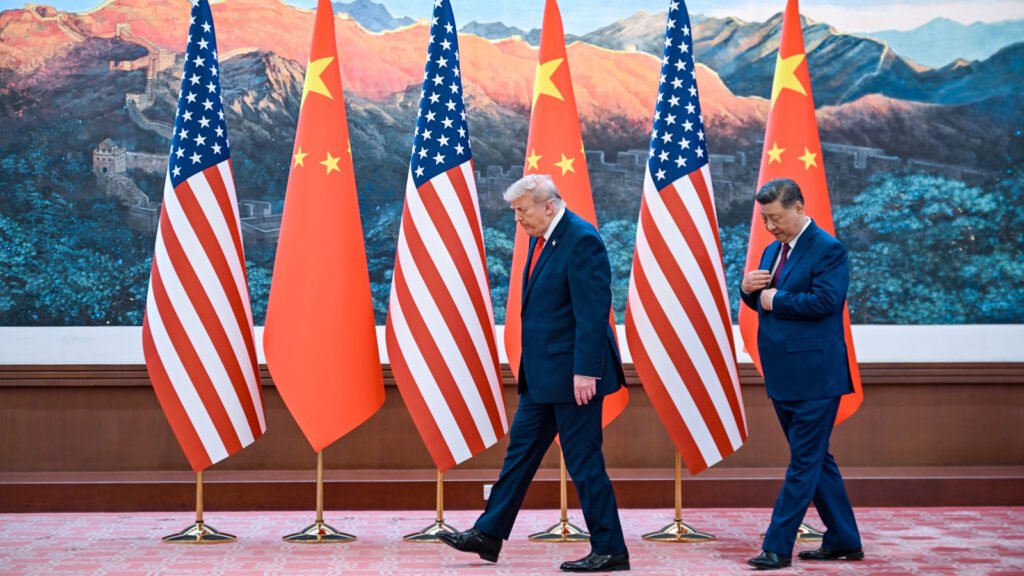
The Middle East Quagmire and US Vulnerability
A central driver of the summit’s underlying dynamics is the ongoing military conflict involving the United States, Israel, and Iran. The failure to achieve a rapid, decisive victory in the Middle East has severely drained US military and political capital. The disruption of the Strait of Hormuz has sent shockwaves through global energy markets, creating an acute crisis that Washington is struggling to contain.
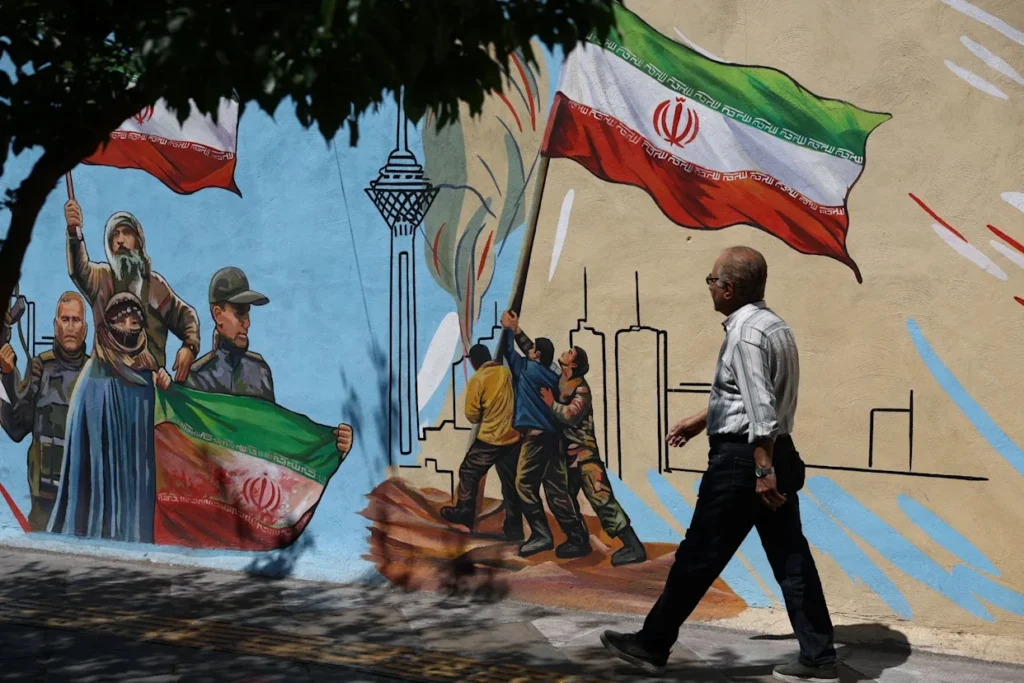
During the Beijing talks, the US delegation undoubtedly sought China’s assistance in securing an acceptable diplomatic off-ramp from the Iranian conflict. Washington recognizes that Beijing maintains significant leverage over Tehran, particularly given reports of Chinese intelligence and military technology agreements with Iran. However, the current impasse heavily favors China; the conflict continues to deplete US and allied munitions and distracts Washington from its long-term strategic pivot toward the Indo-Pacific.
Beijing’s Strategic Posture
President Xi Jinping approached the summit from a position of pronounced macroeconomic and diplomatic strength. China has largely insulated its core economic interests from the Middle Eastern disruptions by leveraging its vast energy reserves and diversifying its supply chains.
Consequently, Beijing was able to offer modest economic concessions—such as the proposed bilateral “Board of Trade” and potential purchases of US agricultural goods and Boeing aircraft—without altering its core strategic objectives.
Furthermore, the diplomatic optics heavily favor Beijing. Just days after Trump’s departure, China prepared to host Russian President Vladimir Putin, signaling its emergence as the central focal point of global diplomacy. By balancing relations with both Washington and Moscow, Beijing is cementing its role as a stable, indispensable power in contrast to an increasingly volatile US foreign policy.
The Impact on Europe and Global Stability
The geopolitical realignment solidified in Beijing has profound implications for Europe, which continues to suffer the secondary impacts of US military adventurism. The ongoing war has triggered a severe energy crisis, accelerating the deindustrialization of the European continent and exacerbating domestic inflation. As the US and China negotiate the future of global trade and security, European powers are increasingly marginalized, relegated to the role of passive bystanders in the re-division of the global economic order.
The Realities of Multipolarity
The conclusion of the Trump-Xi summit underscores a definitive transition away from unipolar US hegemony toward a multipolar system defined by intense strategic competition. However, this shift in the balance of power does not resolve the fundamental contradictions of the global economic system. The superficial agreements reached in Beijing will not halt the economic pressures affecting working populations globally, nor will they reverse the broader trend of global militarization. As major powers maneuver for dominance, true global stability remains elusive, highlighting the urgent need for a more equitable and structurally sound international framework.