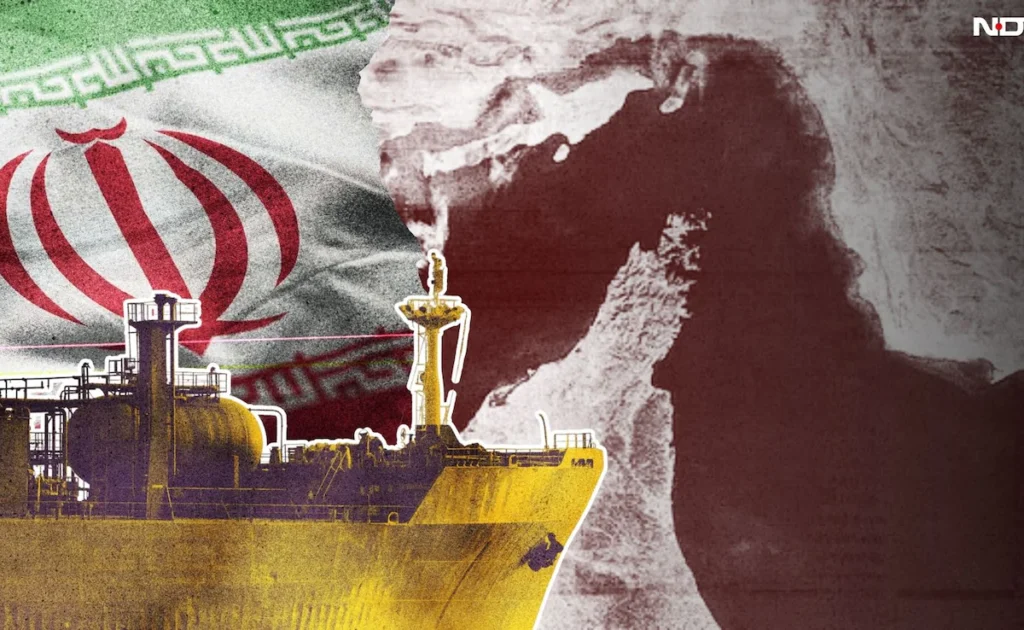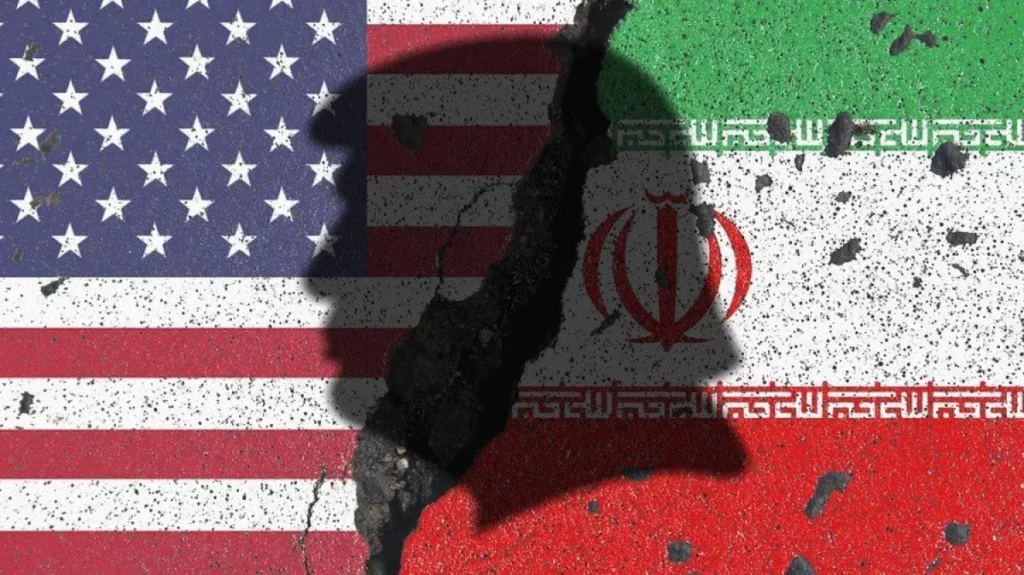

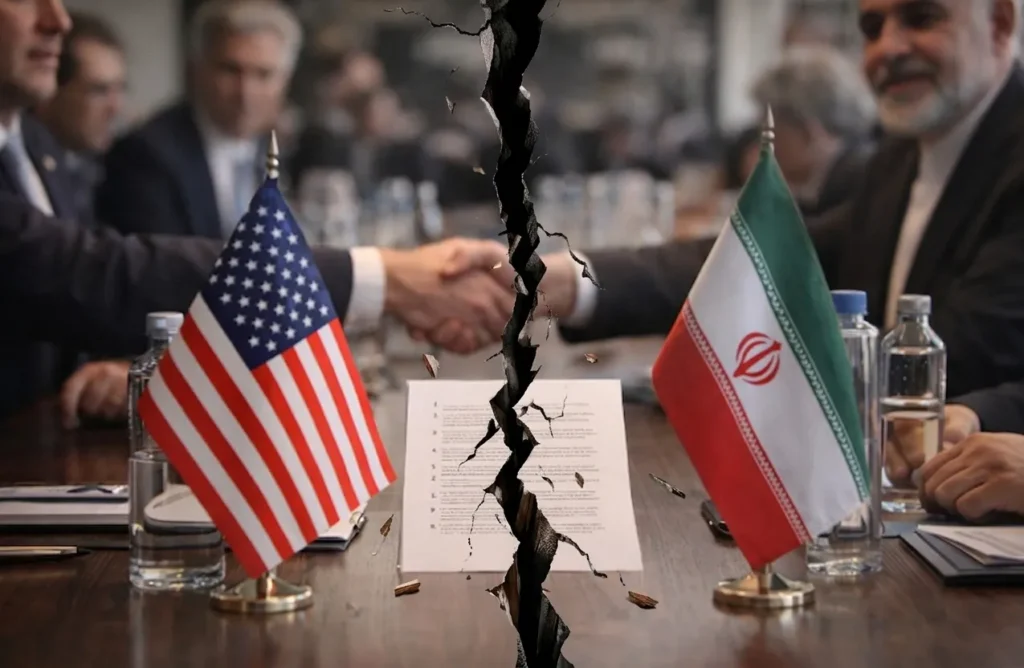
Less than a month after the signing of the Memorandum of Understanding (MOU) intended to de-escalate the conflict between the United States and Iran, military hostilities have abruptly resumed. This rapid breakdown underscores the fragility of the diplomatic framework and threatens to introduce severe volatility into the global economy. While initial diplomatic friction was exacerbated by regional proxies, the definitive collapse of the agreement stems from a swift return to a policy of direct military confrontation by the U.S. administration.
Chronology of the Operational Escalation
The current cycle of kinetic escalation began on July 7, following a series of maritime incidents in the Persian Gulf:
Strait of Hormuz Disputes: Alleged Iranian drone strikes targeted three commercial vessels transiting the Omani side of the Strait of Hormuz. Tehran asserted that all maritime traffic through these corridors requires Iranian regulatory approval, a position strongly rejected by Washington.
Initial U.S. Response: The United States immediately reimposed suspended economic sanctions on Iranian petroleum exports and executed targeted airstrikes against Iranian naval assets.
Regional Counter-Strikes: Iran responded by launching missile and drone attacks against U.S. military installations and command headquarters in Bahrain, Kuwait, and Qatar.
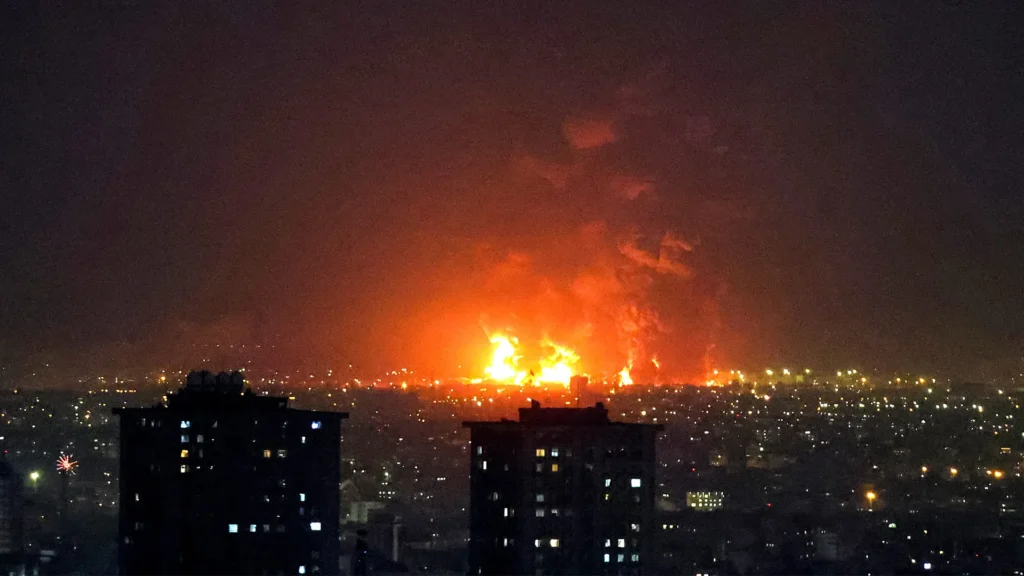
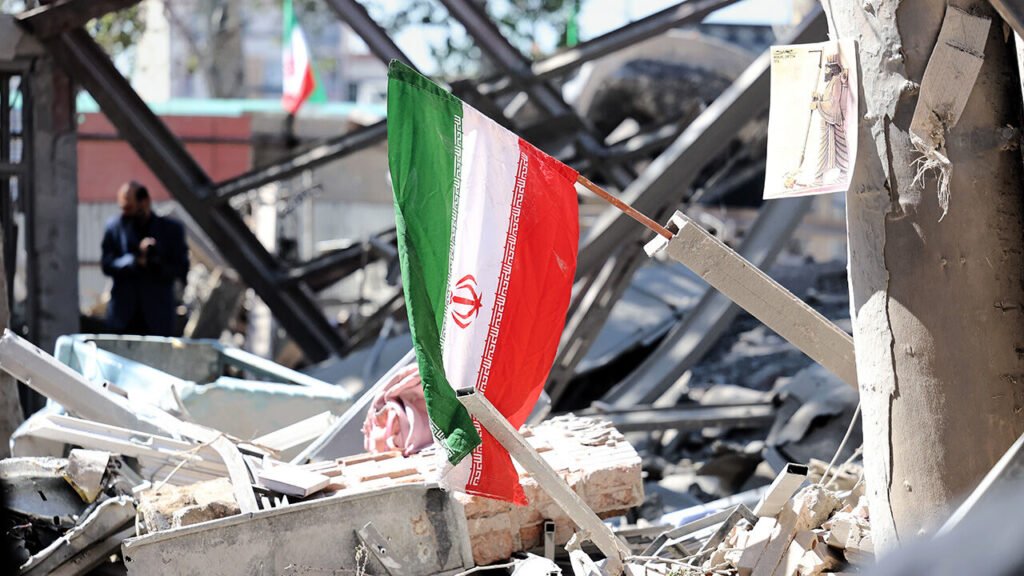
Domestic Striking Campaign: In retaliation, the U.S. military launched a comprehensive bombing campaign within Iranian territory, targeting Islamic Revolutionary Guard Corps (IRGC) infrastructure, ballistic missile facilities, and logistics networks—including critical transport infrastructure in Mashhad during a highly sensitive national period of mourning.
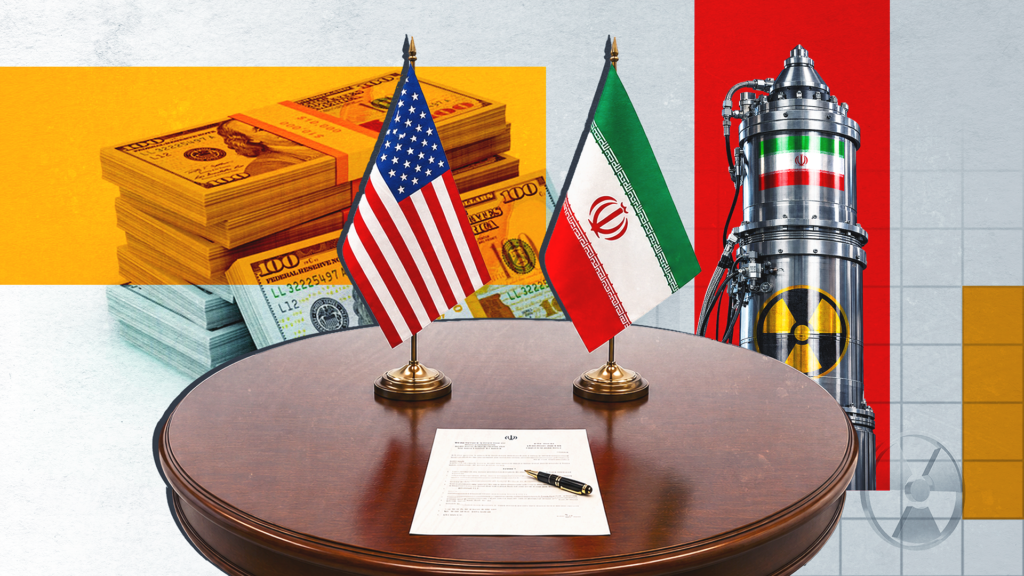
Strategic Vulnerabilities and the Logic of Hegemony
From a geopolitical perspective, Washington’s original willingness to sign the MOU was largely driven by material constraints. Prolonged military operations had severely depleted Western stockpiles of precision-guided munitions and air defense interceptors. Furthermore, the conflict had driven U.S. Strategic Petroleum Reserves to their lowest levels since 1983, leaving the domestic economy highly vulnerable to energy supply disruptions. The MOU was, in practical terms, a recognition of these logistical limitations and the necessity of keeping the Strait of Hormuz open to global commerce.
Despite these clear material constraints, the U.S. administration chose to re-engage in active conflict. This behavior reflects a deeply ingrained institutional resistance within the U.S. foreign policy establishment against relinquishing maritime dominance in the Persian Gulf or accepting a shift toward a multipolar security architecture in the Middle East. Consequently, diplomatic options were bypassed in favor of a rapid reassertion of military leverage.
Internal Dynamics and Factional Splits in Tehran
The rapid collapse of the ceasefire has fundamentally altered the political equilibrium within Iran, validating the arguments of the regime’s hardline factions. Following the signing of the MOU, significant domestic opposition emerged in Tehran, with senior lawmakers and elements close to the Supreme Leader openly questioning the long-term viability of the agreement given the immense human and economic costs incurred during the prior phase of the war. The strategic assessment of the Iranian hardline faction rested on a specific interpretation of U.S. diplomatic behavior:
[U.S. Strategic Exhaustion] ──> [Signs Temporary MOU] ──> [Replenishes Oil & Munitions]
This skepticism was seemingly validated by public statements from U.S. Vice President JD Vance, who noted that the administration viewed the MOU as a strategic pause to replenish global oil markets and domestic ammunition reserves before re-evaluating further tactical actions.
Future Outlook and Socioeconomic Risks
The current trajectory indicates that the next phase of the US-Iran conflict could yield far greater destabilization than previous iterations. If the Strait of Hormuz is completely closed to maritime traffic, the global economy faces an immediate energy supply shock that will disproportionately impact developing nations through hyperinflation, food insecurity, and supply chain disruptions.
Given the limitations of dynamic air campaigns to force open a closed maritime chokepoint, a protracted conflict may eventually compel the U.S. administration to consider high-risk operational alternatives, such as establishing a physical foothold along the rugged Iranian coastline. A conventional ground intervention of this nature would result in severe casualties and carry profound political consequences on the U.S. domestic front.
Ultimately, the structural limits of military force suggest that a sustainable resolution cannot be achieved through unilateral containment policies. As the economic and human costs of the conflict escalate internationally, the primary constraint on further strategic overreach will likely depend on the rising domestic political costs and widespread civic opposition within the United States to a permanent and unsustainable wartime footing.