

As we enter 2025, the imperative to support the struggle for liberation, democracy, and socialism in Swaziland (formerly Eswatini) becomes increasingly urgent. The country has endured decades of systemic oppression, political repression, and human rights violations under the autocratic rule of King Mswati III and the Dlamini monarchy, backed by imperialist interests.
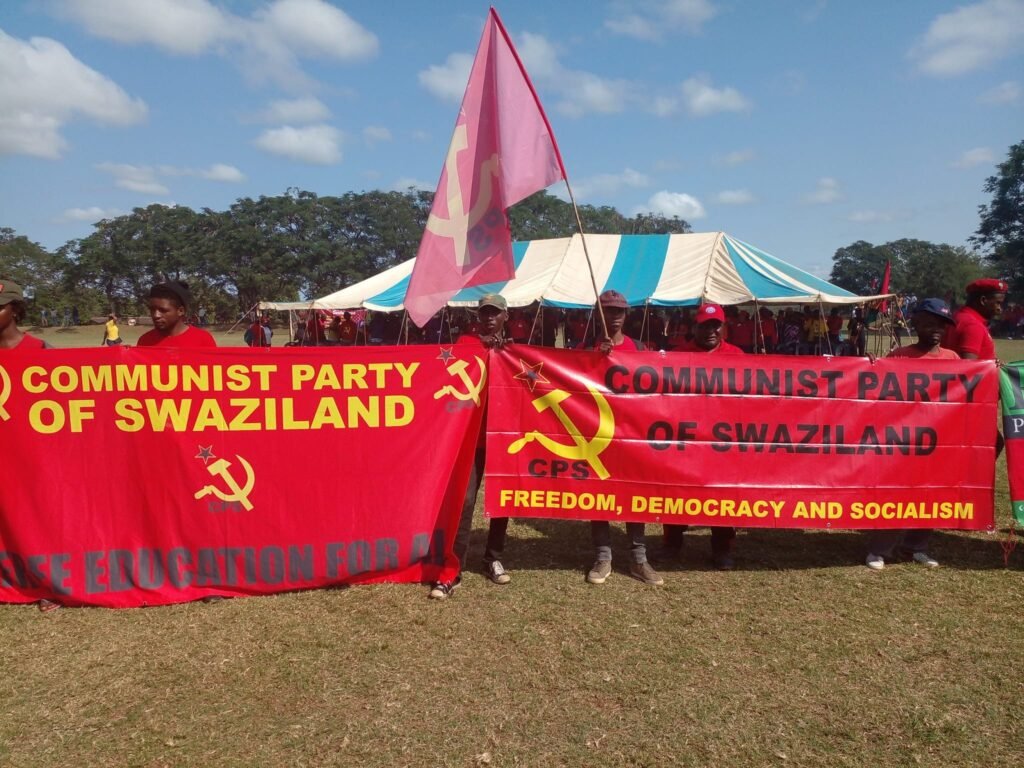
Swaziland, a landlocked nation in Southern Africa, has remained under absolute monarchical rule since its independence in 1968. The political system has stifled dissent, suppressed democratic aspirations, and entrenched socio-economic inequalities. Amid this context, the Communist Party of Swaziland (CPS), established on April 9, 2011, has emerged as the principal revolutionary force advocating for a just, democratic, and socialist future.
Historical Context
A Marxist analysis of Swaziland’s history reveals persistent struggles between the ruling elite and the working class. The pre-colonial monarchy governed through feudal systems of land and labor control. Under British colonial rule from 1903, traditional power structures were undermined, and economic policies favored European settlers. Cash crop cultivation, taxation, and wage labor transformed socio-economic dynamics and deepened class divisions.
Resistance, including the labor strikes of 1921-1922, indicated growing class consciousness. Post-independence, King Sobhuza II abolished the constitution and instituted the Tinkhundla system, banning political parties and consolidating royal authority. The continuation of feudal-capitalist structures impeded social and economic progress, especially for the working class and marginalized communities.
Socio-Economic Realities
Swaziland faces deep-seated economic challenges: high unemployment, widespread poverty, and systemic inequality. An overreliance on agriculture, mining, and remittances renders the economy vulnerable. The HIV/AIDS epidemic has exacerbated socio-economic disparities, particularly affecting the working class.
Land dispossession, often under the guise of development, undermines livelihoods in rural and urban poor communities. Patriarchal norms perpetuated by the monarchy contribute to systemic gender inequality and violence against women. Efforts by civil society and religious institutions to address these issues have often failed to confront their structural roots in feudal-capitalist relations.
The Vision and Mission of the CPS
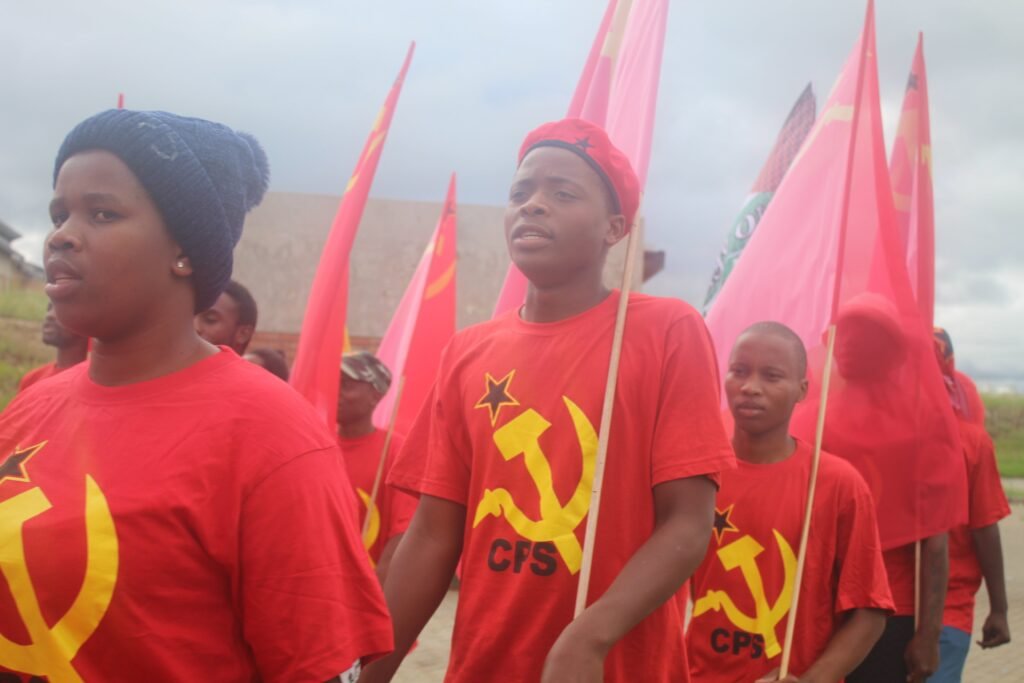
The CPS seeks to lead the national democratic revolution and establish socialism as a transitional stage toward communism. Drawing from Marxism-Leninism, the party envisions a society characterized by mass participation, social justice, and the collective ownership of production.
The CPS explicitly rejects reformist approaches that seek to cosmetically modify the monarchy. Instead, it calls for the complete dismantling of the autocracy and the establishment of a democratic, multi-party socialist state. The party emphasizes that democracy must emerge from the masses’ struggles and must be measured by improvements in education, health, life expectancy, and the eradication of poverty.
Strategic Objectives and Demands
To realize its vision, the CPS outlines critical demands:
- Unbanning of political parties and media freedom.
- Release of political prisoners and return of exiles.
- Dissolution of the current government and suspension of the monarch’s powers.
- Formation of an inclusive Interim Government to oversee a democratic transition.
- Development of a new democratic constitution through a national conference.
- Reorientation of security forces to serve the democratic order.
- International community support for democratic transformation.
Political Activities and Campaigns
The CPS engages in various initiatives to build revolutionary capacity and advance its objectives:
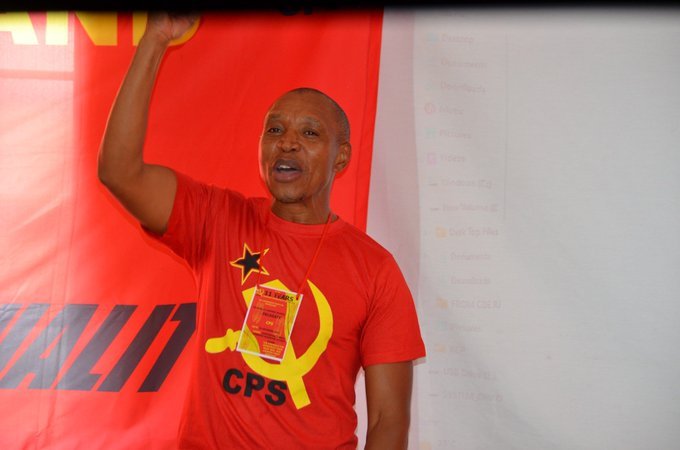
- Ideological Training: Political schools and study units educate cadres on Marxist-Leninist theory and revolutionary history.
- Grassroots Mobilization: Sunset rallies, border blockades, and community organizing raise awareness and build local leadership.
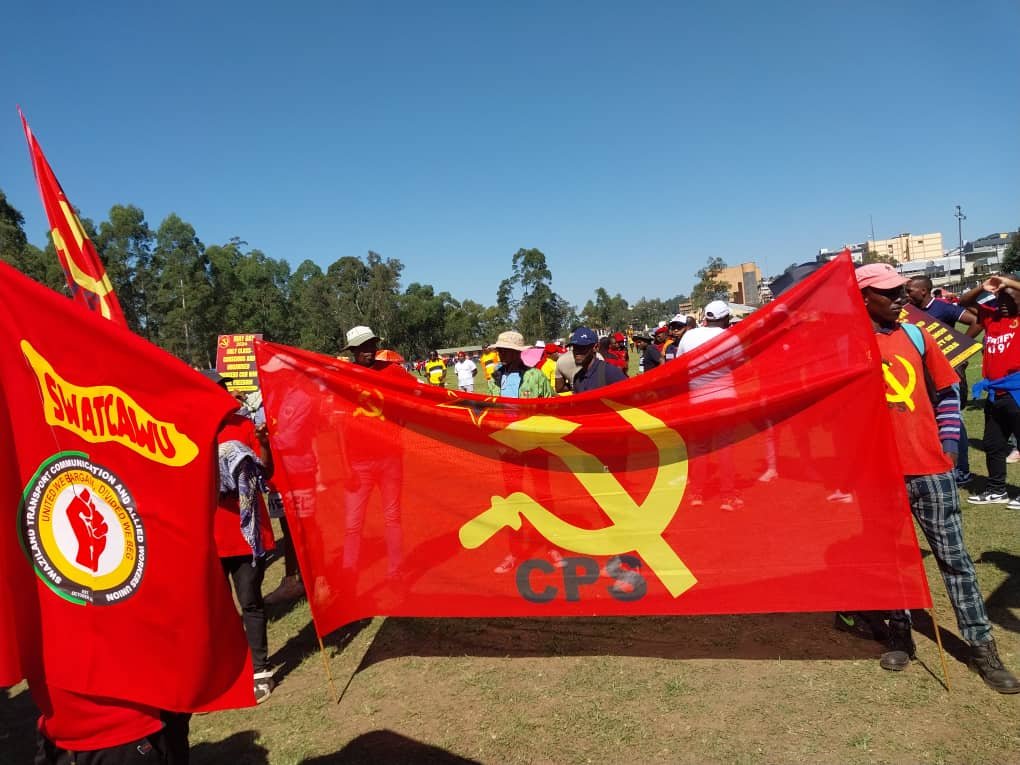
- Alliances and Solidarity: The CPS collaborates with trade unions, civil society, and international allies to strengthen the democratic movement.
- Propaganda and Communication: Multimedia platforms, publications, and educational campaigns disseminate revolutionary messages.
- Organizational Development: Annual congresses, democratic participation, and internal conflict resolution enhance party cohesion.
Core Campaigns
Key campaigns led by the CPS include:
- Land for Food Campaign: Advocating land redistribution to combat food insecurity.
- Break the Chains Campaign: Demanding political freedoms and the end of repression.
- Not Another Cent for Mswati: Exposing state corruption and misuse of public funds.
- Free Education for All: Promoting access to quality education.
- Gender Equality Campaign: Addressing systemic patriarchy and gender-based violence.
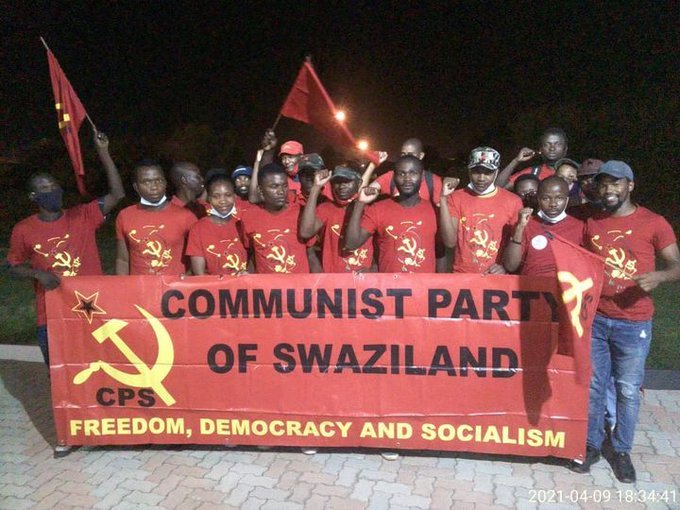
The CPS’s revolutionary struggle is linked to global movements against imperialism and capitalism. The party supports liberation struggles worldwide and condemns external forces that perpetuate global inequality.
However, the CPS faces severe repression, limited resources, and socio-economic challenges. Despite growing support, arbitrary arrests, violence, and restricted access to funding constrain its efforts. The party remains resolute in equipping its members to confront these obstacles.
The CPS urges global solidarity through activism and awareness campaigns. Using platforms like #FreedomForSwaziland, supporters can amplify the voices of Swazi revolutionaries and contribute to a transformative 2025.
The Communist Party of Swaziland remains at the forefront of the nation’s liberation struggle. With steadfast commitment to Marxist-Leninist principles and the vision of a democratic, socialist future, the CPS embodies the aspirations of Swaziland’s working class. Despite formidable challenges, the party continues to fight for a society free of exploitation, oppression, and inequality.