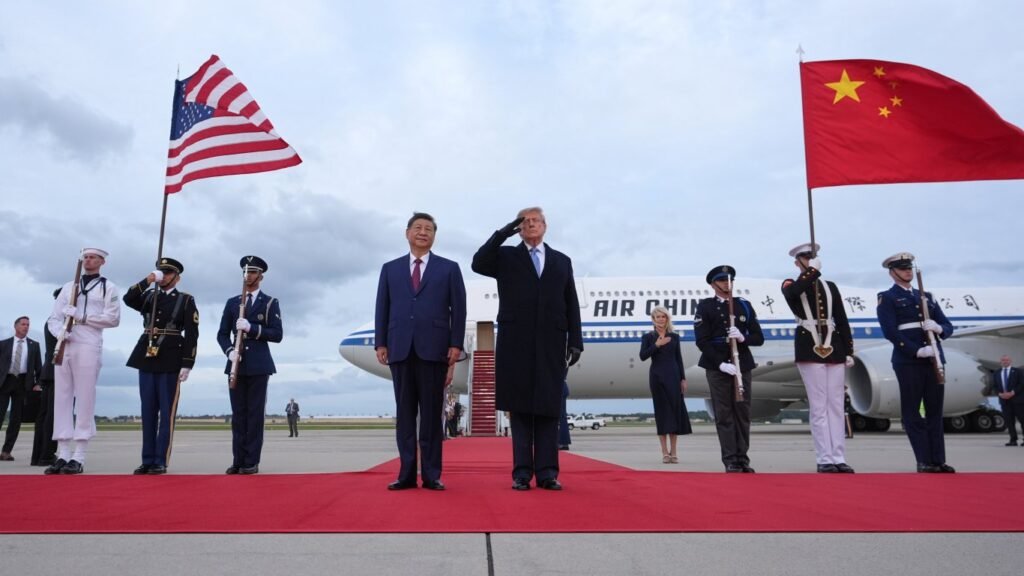

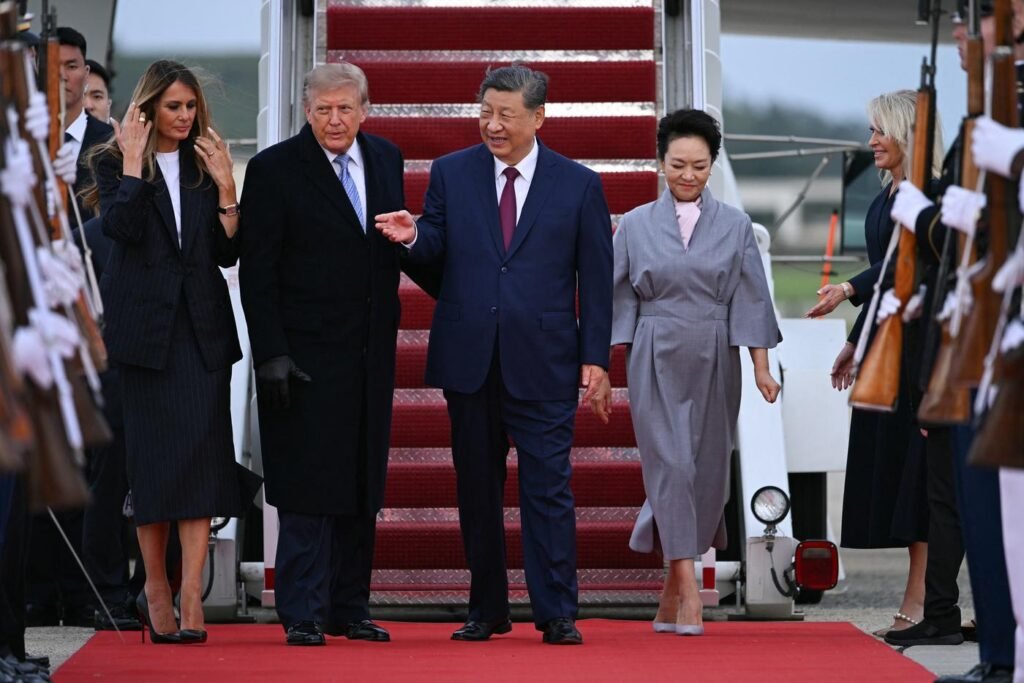
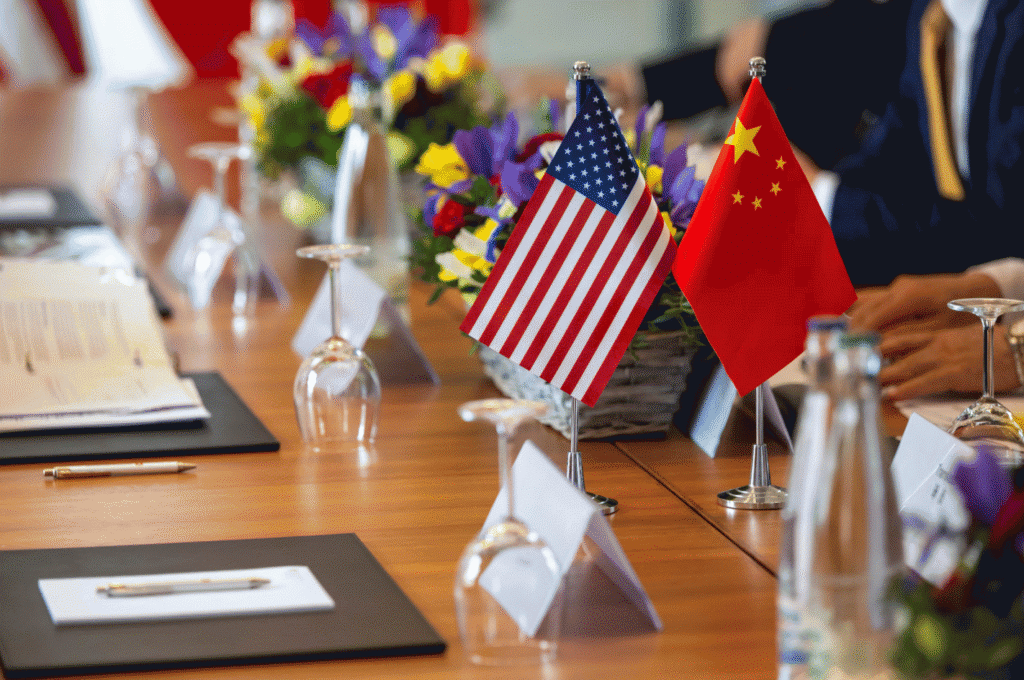
When Chinese President Xi Jinping arrives at Joint Base Andrews, the meticulously planned reception highlights a stark diplomatic contrast with previous bilateral encounters. Breaking established protocol, United States President Donald Trump is scheduled to greet the Chinese leader directly on the tarmac, accompanied by a military flyover featuring a stealth bomber and four fighter jets. This extraordinary ceremonial staging diverges significantly from Trump’s visit to Beijing earlier in May, which featured no comparable deference. According to assessments by the Council on Foreign Relations, this asymmetry suggests Beijing perceives it has successfully neutralized aggressive American posturing through the strategic application of rare earth export controls, a perspective seemingly validated by Washington’s accommodating behavior. This dynamic fundamentally undermines the Trump administration’s stated principle of reciprocity, which serves as the rhetorical foundation for the summit’s official agenda covering trade, artificial intelligence, and Taiwan.
The Cycle of Summits and the Trade Truce
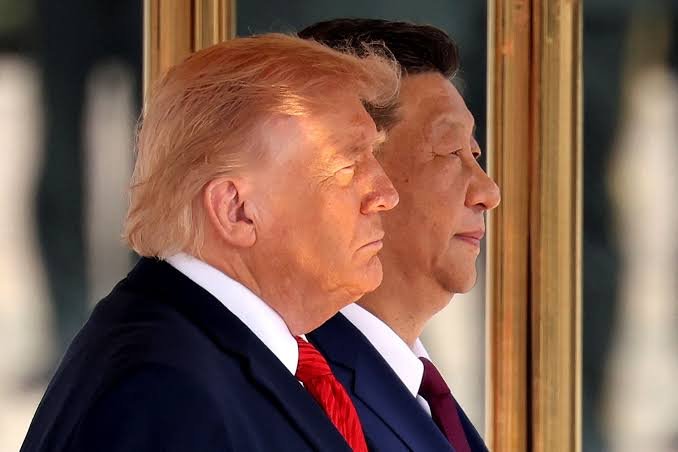
The current summit marks the third bilateral meeting between the two leaders within an eleven-month period, reflecting a mutual sense of urgency despite public declarations of a stabilized relationship. The diplomatic sequence began at the October 2025 Asia-Pacific Economic Cooperation summit in Busan, where the two nations brokered a limited trade truce. Under that agreement, China implemented a one-year pause on new rare earth export controls, while the United States reciprocated by reducing specific tariffs and delaying regulations intended to blacklist subsidiaries of Chinese corporations. This was followed by a May summit in Beijing, which both administrations characterized as constructive despite the persistence of unresolved disputes concerning Taiwan and Iran. The Washington summit represents the first of these meetings held on American soil, elevating the geopolitical importance of the diplomatic staging.
Agenda Deadlines and Deferred Actions
The official agenda is defined by three primary topics, though only trade carries an immediate deadline. The October 2025 Busan truce suspended China’s stringent rare earth and critical mineral export controls, a framework that attempted to impose extraterritorial licensing on any foreign-manufactured product containing as little as 0.1 percent of Chinese-origin material. With China currently controlling approximately 91 percent of global rare earth processing and refining capabilities, the impending expiration of this suspension on November 10 looms heavily over the negotiations. During the truce period, Beijing demonstrated its willingness to apply selective pressure by adding MP Materials and USA Rare Earth to its export control list in June, penalizing the very entities backed by the United States government to develop alternative supply chains.
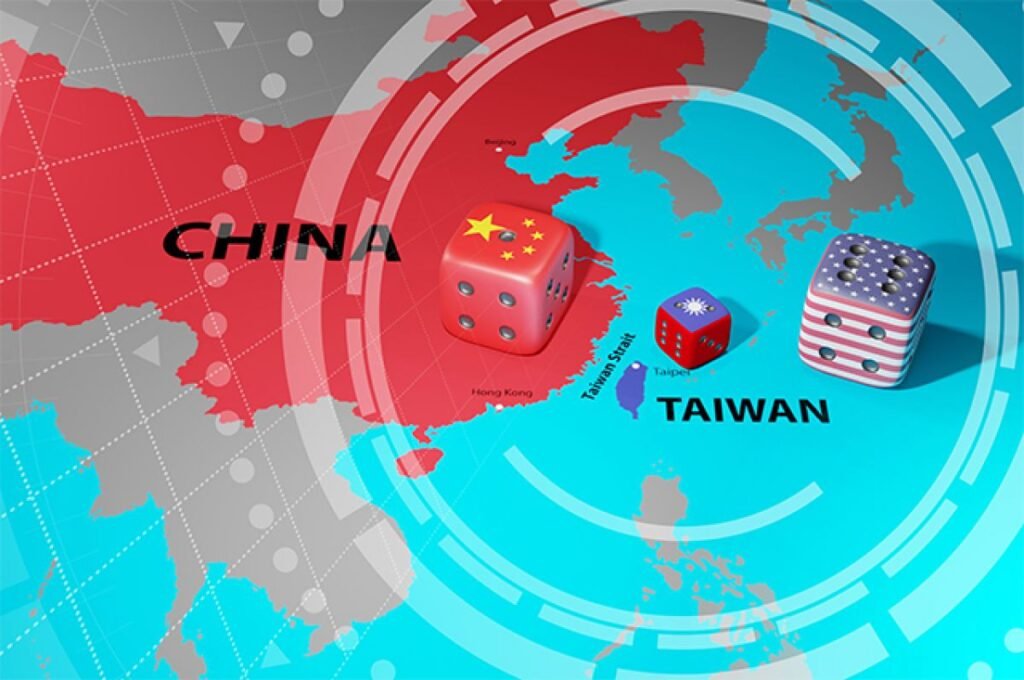
The Taiwan agenda item involves a $14 billion American arms package, encompassing Patriot interceptors, air defense infrastructure, and counter-drone systems, which received congressional approval several months ago. President Trump has actively deferred the delivery of these systems, referring to the military package as a negotiating chip. President Xi, having warned in May that mismanaging the Taiwan issue could severely damage bilateral relations, is anticipated to pressure the American administration for further delays. The final agenda item, artificial intelligence, remains highly ambiguous. Treasury Secretary Scott Bessent confirmed its inclusion, and prominent American technology executives have been invited to a state dinner. However, the United States remains philosophically opposed to new regulations that might inadvertently grant China a competitive advantage, making the outcome of any bilateral AI dialogue deeply uncertain.
The Unspoken Iran Contradiction
The most conspicuous absence from the official agenda is Iran, an issue that exposes profound contradictions within the administration’s foreign policy doctrine. In August, Secretary Bessent introduced Operation Economic Outcast, a comprehensive sanctions campaign designed to sever Tehran from the global financial system by targeting entities involved in the purchase or transport of Iranian oil, gold, and technology. Despite industry estimates indicating that China purchases between 80 and 90 percent of Iran’s oil exports, the August sanctions list entirely spared the Chinese banking system while penalizing approximately sixty entities across Switzerland, Singapore, Hong Kong, and the Middle East. When questioned about the potential targeting of Chinese financial institutions, Bessent offered an equivocal response, asserting that no entity is immune to American sanctions while simultaneously stating he had no intention of blowing up the global financial system. This discrepancy reveals that Washington’s aggressive posture toward Iran is structurally constrained by its economic relationship with China, marking an instance where American policy has quietly yielded to bilateral realities.
Mutual Restraint and Domestic Calculations
The overarching dynamic of the summit relies on the mechanics of deterrence rather than traditional diplomatic resolution. Both nations possess significant geopolitical leverage but consistently choose to keep these mechanisms in reserve. China has refrained from reinstating its broad rare earth controls despite geopolitical friction, utilizing its market dominance only selectively, such as against Japanese military end-users earlier in the year. Similarly, the United States has withheld the execution of the Taiwan arms package and the deployment of maximalist financial sanctions against Chinese banks. This mutual restraint ensures that the primary value of these strategic mechanisms remains in their latent threat, as executing them would instantly dissipate their utility as negotiating tools.
Consequently, analysts project highly modest outcomes for the summit, limited to a temporary renewal of the Busan trade truce, non-binding dialogues regarding artificial intelligence, and potential Chinese commitments to purchase American energy and agricultural products.
Domestic political calendars heavily influence this cautious diplomatic approach. President Trump is navigating a challenging domestic environment with midterm elections less than six weeks away and polling favoring congressional gains for the Democratic party, while President Xi is preparing for a pivotal Party Congress in the coming year where he expects to secure an additional term. Both leaders require a narrative of diplomatic success—Trump projecting strength and Xi projecting respect—without making visible concessions to one another. The true metric of the summit’s efficacy will not materialize during the highly choreographed meetings in Washington, but rather on November 10 when the rare earth suspension expires, and in the subsequent decisions regarding the delivery of the Taiwan arms package. Ultimately, the summit is designed to facilitate managed ambiguity and mutual restraint, allowing both administrations to avoid executing policies that would irreparably damage the bilateral relationship or expose the fundamental contradictions inherent in their respective foreign policy frameworks.