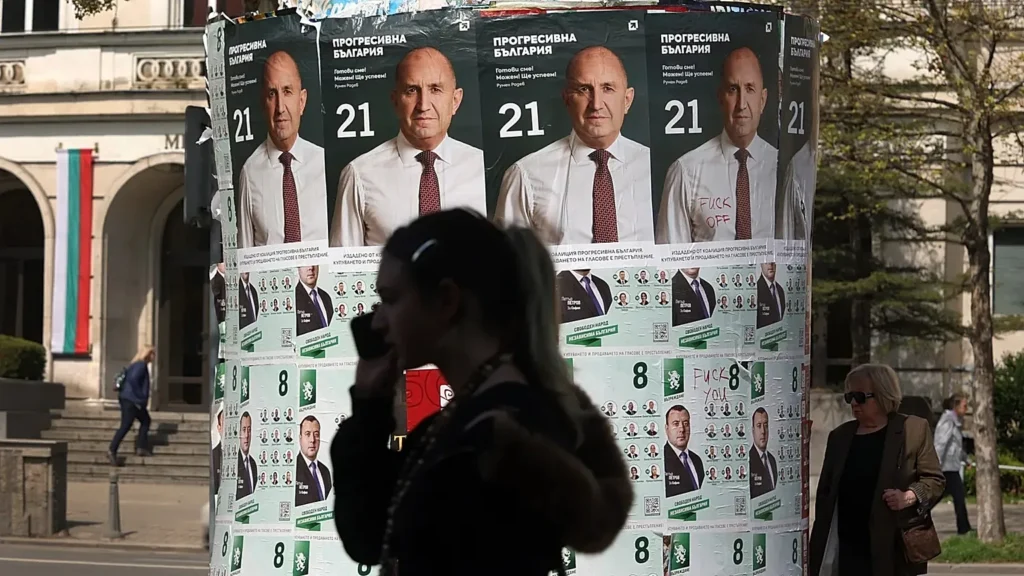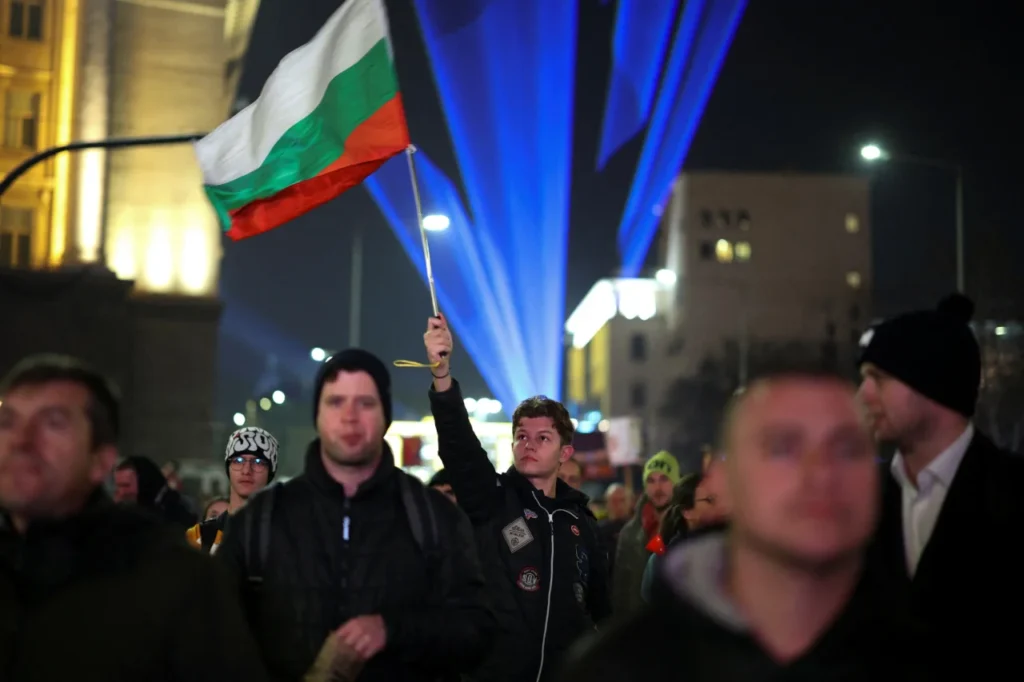

Five months following one of the most significant youth-led protest movements in recent Bulgarian history, which forced the resignation of the ruling government, the nation held its eighth parliamentary election in five years. Held on April 19, the election saw voter turnout rise to nearly 51 percent, a substantial increase from the 39 percent recorded in the 2024 elections.
The electoral results delivered a decisive rejection of the country’s entrenched political elite. The GERB-SDS coalition, led by Boyko Borisov—a dominant force in Bulgarian governance since 2009—saw its support collapse to just 13 percent. Similarly, the Bulgarian Socialist Party (BSP), representing the traditional political left, continued its long-term institutional decline by failing to secure enough votes to even reach the parliamentary threshold.
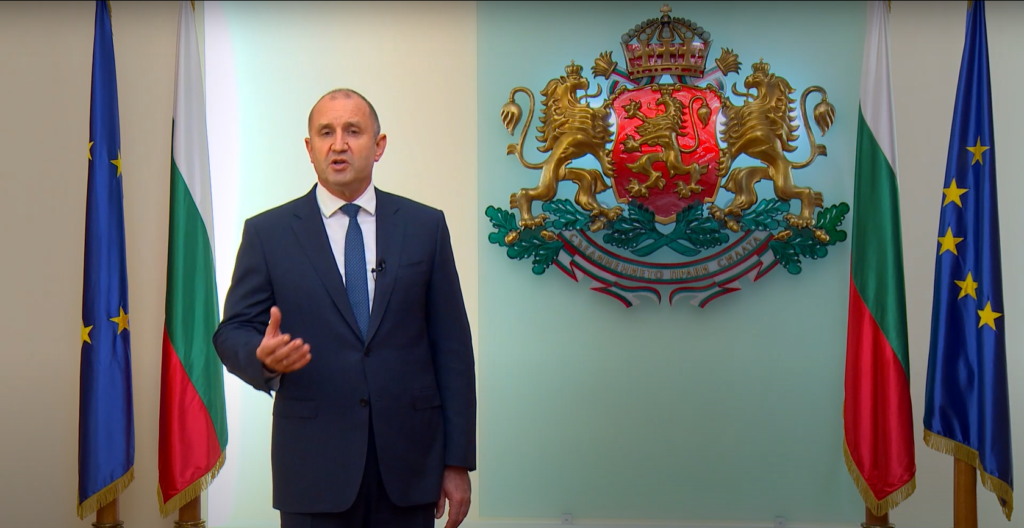
Stepping into this political vacuum was ‘Progressive Bulgaria’ (PB), a coalition formed only a month prior to the election and led by former President Rumen Radev. Capturing 44 percent of the vote, Progressive Bulgaria secured 131 out of 240 seats in the National Assembly, empowering it to form the first single-party majority government in Bulgaria since 1997.
Capitalizing on Anti-Establishment Sentiment
Radev’s political ascent capitalizes on deeply rooted public exhaustion with government paralysis, high inflation, and systemic corruption. Having served in a largely ceremonial presidential role for almost a decade, he effectively distanced himself from the failures of previous administrations. From this vantage point, Radev aligned himself with the December 2025 anti-corruption protests—which were initially ignited by a controversial draft budget—and carefully cultivated an image as a neutral national arbiter.
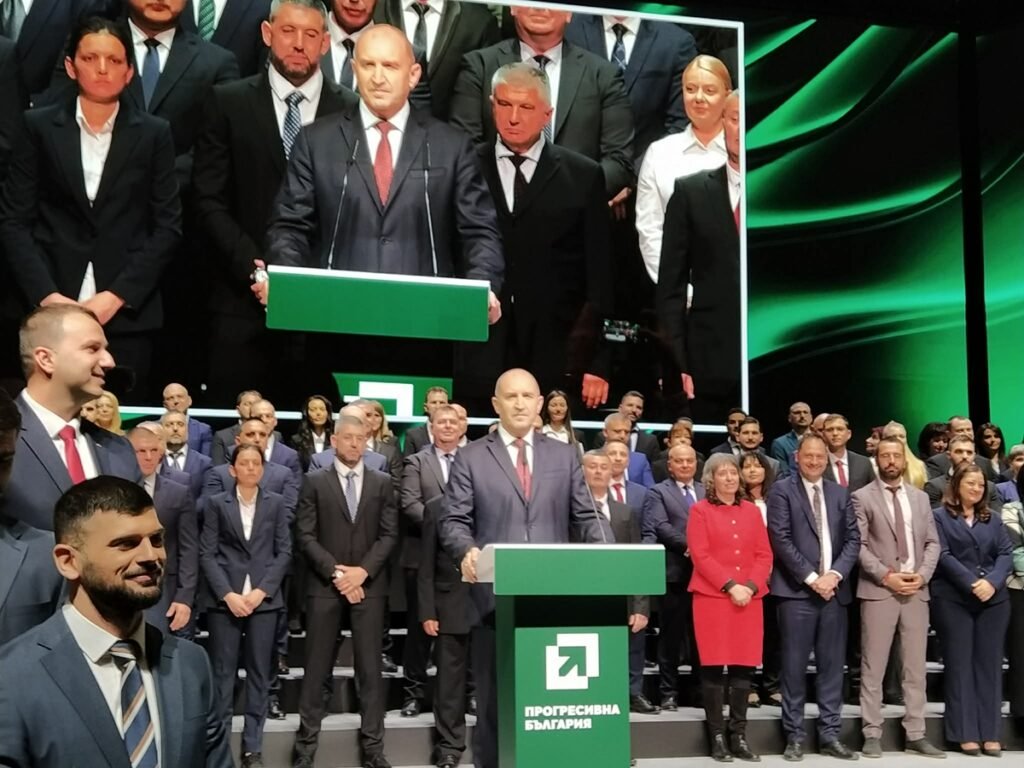
Other opposition groups thoroughly failed to harness this anti-establishment momentum. ‘We Continue the Change – Democratic Bulgaria’ (PP-DB) attempted to position itself as the voice of the Gen Z protests, yet saw its overall vote share decline. Furthermore, PP-DB’s credibility was heavily compromised by its prior coalition involvement with GERB, illustrating that superficial anti-corruption rhetoric is insufficient to win public trust.
Despite Radev’s socially conservative stances on various cultural issues, exit polls revealed that former PP-DB supporters constituted the largest relative share of voters transferring their allegiance to Progressive Bulgaria. Notably, among 18-to-30-year-olds, PB captured 42 percent of the vote, decisively overtaking PP-DB, which secured only 20 percent. Furthermore, the nationalist ‘Revival’ party lost 45 percent of its previous electorate to Radev, while approximately 35 percent of Radev’s total support was drawn from citizens who had abstained from voting in 2024.
Navigating Geopolitical and Economic Pressures
Beyond domestic corruption, Radev has strategically navigated contentious geopolitical issues. He actively opposed the adoption of the Euro, attempting to initiate a referendum that was ultimately blocked by the Constitutional Court. Additionally, reflecting the pro-Russian sympathies held by a segment of the Bulgarian public due to historical and cultural ties, he has criticized military aid to Ukraine and opposed a ten-year defense agreement with the country.
Despite his ‘progressive’ branding and promises of stability, Radev faces severe structural economic constraints as he navigates the competing pressures of major geopolitical powers. Bulgaria remains deeply integrated with the European Union and NATO, yet heavily reliant on Russian-linked energy infrastructure. Strategic assets like the Lukoil refinery at Burgas dominate the domestic fuel market and notably received exemptions from Western sanctions on Russian fuel. Additionally, the Bulgarian economy depends heavily on transit revenues from the Gazprom-built TurkStream pipeline and relies on Russian supplies for its nuclear energy initiatives.
Conversely, Bulgaria faces strict fiscal pressures from Europe, with EU Recovery and Resilience funds repeatedly delayed due to unmet austerity and “reform” mandates. Meanwhile, the nation’s role in NATO has largely been reduced to serving as a logistical hub and a supplier of affordable munitions, a dynamic that many Bulgarian workers view as contrary to their own interests. Radev attempts to project a balanced approach to Brussels, Washington, and Moscow, reflecting the difficult position of a domestic economy caught between competing international blocs.
The Road Ahead for the Working Public
The establishment of an absolute parliamentary majority removes any political shields for the new administration. Without coalition partners or a strong opposition to blame, Radev’s government will be held entirely accountable for addressing systemic issues such as low wages, inflation, oligarchic networks, and demographic decline. The total collapse of the BSP underscores the exhaustion of the official left, which previously backed Radev’s initial 2016 presidential run before he formally distanced himself from the party. The current political landscape lacks a viable organization dedicated strictly to the interests of the working public. When the new administration inevitably encounters the structural limitations of the current economic system, the profound public anger that catalyzed the recent mass protests is highly likely to resurface.