
The Arab Spring of 2011 ignited a wave of protests across the Middle East, including Syria, where demonstrations against the Ba’athist government of Bashar al-Assad erupted. The Syrian uprising, however, quickly evolved into a protracted and complex civil war due to the intervention of imperialist and regional powers. Amidst this turmoil, the Kurdish-led Rojava Revolution emerged as a radical democratic experiment, redefining governance, social organization, and resistance against oppression.
The Rojava Revolution, initiated on July 19, 2012, signified a profound break from colonial and authoritarian rule. It presented a new model of self-governance in northern and eastern Syria, characterized by grassroots democracy, women’s emancipation, and multi-ethnic cooperation. This article explores three central achievements of the revolution: women’s liberation, grassroots democracy, and the implementation of a social contract that fosters interethnic solidarity and justice.
Women’s Liberation: A Cornerstone of the Rojava Revolution
One of the most significant aspects of the Rojava Revolution is the emphasis on women’s liberation. In a region where women’s rights have historically been marginalized, the revolution provided a platform for women to actively participate in all spheres of society. The Women’s Protection Units (YPJ) played a crucial role in the military struggle against ISIS, demonstrating the power of organized female resistance.
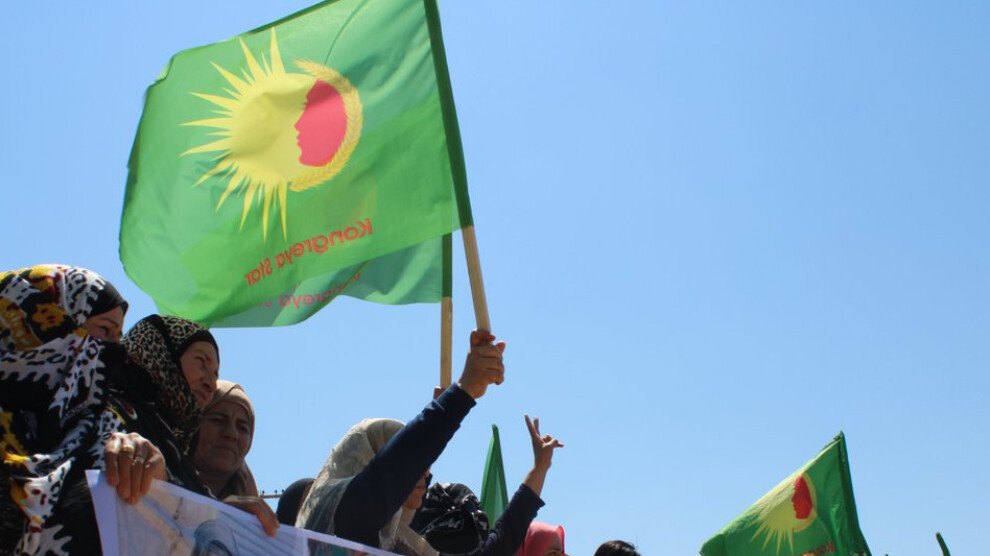
Beyond the battlefield, the revolution institutionalized gender equality through autonomous women’s organizations such as Kongreya Star. Originally a Kurdish initiative, Kongreya Star evolved into a multi-ethnic organization committed to advancing women’s rights across all communities in Rojava. Structural changes were implemented to ensure equal representation in governance, mandating that all leadership positions be held by at least one woman—a practice known as co-chairmanship.

Furthermore, autonomous women’s councils were established to address social, legal, and economic challenges faced by women.
These institutional guarantees of gender equality mark a historic departure from patriarchal norms, with implications extending beyond Rojava. Even in Western democracies, fundamental rights such as reproductive autonomy remain politically contested, whereas in Rojava, women’s rights are enshrined in law, making the revolution a beacon of feminist progress.
Grassroots Democracy: The Political System of Rojava
Rojava’s governance model is built on the principles of direct democracy and decentralized decision-making. At its core lies a system of self-administration composed of three interlinked components:
local self-governance through councils, the Syrian Democratic Council, and civil society organizations such as TEV-DEM.
- Self-Government and Councils
The self-governance structure in Rojava is designed to facilitate direct participation in political and economic decision-making. The commune serves as the fundamental unit of democracy, comprising 30 to 150 households that collectively manage local affairs. Each commune is co-chaired by a man and a woman and operates through specialized committees addressing various societal needs.
Councils at the neighborhood, district, and city levels form a hierarchical system, culminating in the cantonal people’s councils, which oversee legislative functions and public administration. The cantonal system enables effective governance across diverse regions, with seven cantons currently constituting the Autonomous Administration of North and East Syria (AANES).
- The Syrian Democratic Council
Established in 2015, the Syrian Democratic Council (SDC) functions as the political representative of the self-administration, engaging in diplomatic negotiations and advocating for a democratic resolution to the Syrian conflict. With representatives from over 20 political parties, the SDC aims to promote a confederal model for Syria that respects ethnic and religious diversity.
- Civil Society Organizations
TEV-DEM, the umbrella organization for civil society, plays a vital role in maintaining accountability and ensuring that governance structures remain participatory. Socialist organizations such as the SYPG (Institute for the Unity and Solidarity of the People) contribute to grassroots mobilization, fostering a culture of self-reliance and direct democratic action.
The Social Contract: A Framework for Multi-Ethnic Coexistence
The 2023 ratification of Rojava’s social contract represents a significant milestone in institutionalizing the principles of gender equality, ecological sustainability, and communal governance. The contract enshrines the rights of all ethnic and religious groups, guaranteeing linguistic and cultural recognition.
By formally recognizing the legal equality of all peoples, the revolution has created a model for coexistence that contrasts sharply with the sectarian and nationalist conflicts that have plagued the region. The commitment to pluralism and inclusivity positions Rojava as a prototype for post-conflict reconciliation in Syria and beyond.
The Role of Internationalists in the Rojava Revolution
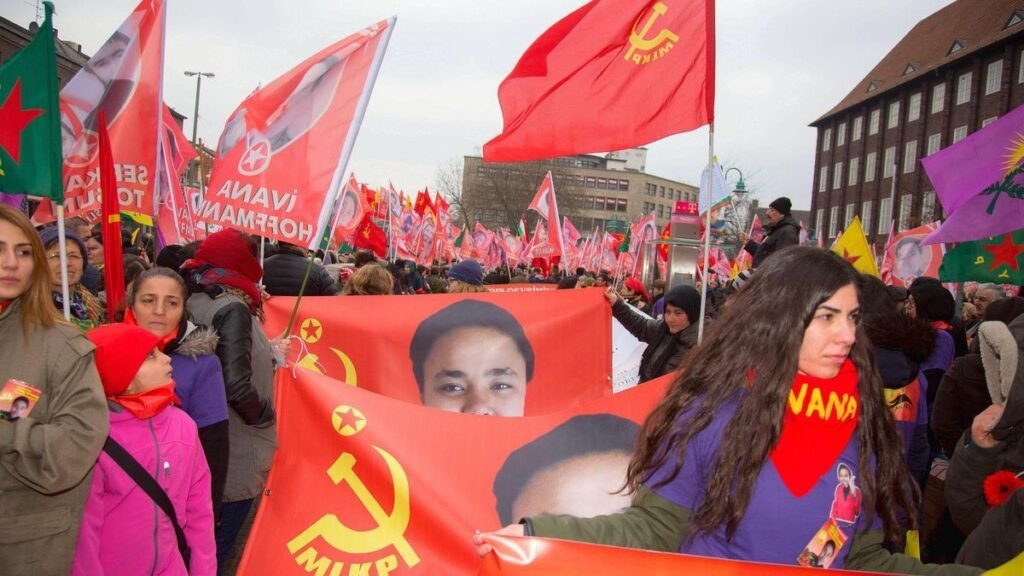
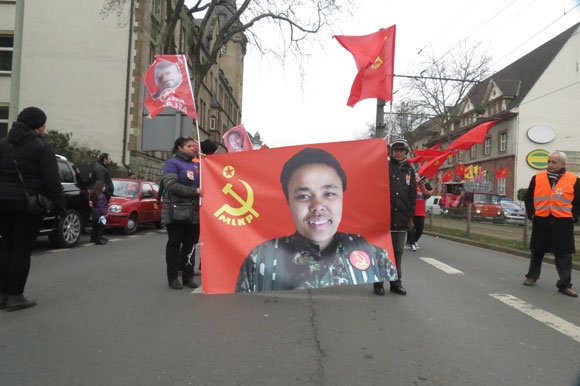
The internationalist dimension of the revolution has been epitomized by figures such as Ivana Hoffmann, the first internationalist to fall in the fight against ISIS. Inspired by her example, numerous socialist and anarchist militants from across the globe joined the struggle, culminating in the formation of the International Freedom Battalion (IFB). This coalition of communist and anarchist organizations—including the MLKP, TKP/ML, and DKP/BÖG from Turkey, as well as Marxist-Leninist groups from Spain and Greece—played a crucial role in defending the revolution and advancing its principles.
Hoffmann’s legacy continues to inspire political movements in Europe, Turkey, and Northern Kurdistan, reinforcing the transnational character of the revolutionary struggle against imperialism, war, and patriarchy.
The Ongoing Struggle and Geopolitical Challenges
Despite its achievements, the Rojava Revolution remains under constant threat from regional and global powers. Turkey, with the support of European arms and Western political backing, has repeatedly launched military offensives against Rojava, most notably in Afrin in 2018. The international silence on these aggressions underscores the complicity of Western imperialism in undermining Kurdish self-determination.
The geopolitical landscape of Syria continues to shift, with Hay’at Tahrir al-Sham (HTS)—a group originating from Al-Qaeda—positioning itself as a contender for power with Western backing. The exclusion of Kurdish, Druze, and Christian communities from political negotiations signals an attempt to marginalize Rojava’s role in the country’s future. Simultaneously, Russia’s strategic interests in Syria complicate the situation further, as the Kremlin maintains ties with various factions while seeking to preserve its influence.
The Imperative for International Solidarity
The Rojava Revolution stands as a testament to the possibilities of radical democracy, gender liberation, and self-governance in the 21st century. However, the revolution’s survival and further development depend on continued international support and recognition. Anti-imperialist movements must expose the machinations of global and regional powers that seek to dismantle this experiment in grassroots democracy.
Organizations such as the People’s Bridge are engaged in advocacy, education, and solidarity efforts to amplify Rojava’s cause. By fostering transnational alliances, socialists and internationalists can strengthen the movement, ensuring that the struggle for Kurdish self-determination and broader revolutionary aspirations endure.
In June, a documentary on Ivana Hoffmann will be released, highlighting her role in the revolution and the broader struggle against imperialism. This initiative seeks to deepen awareness and inspire further mobilization in defense of Rojava’s achievements.
The Rojava Revolution is not merely a regional phenomenon; it represents a global challenge to oppression and a model for alternative governance. Its endurance depends on our collective commitment to its principles and its people.