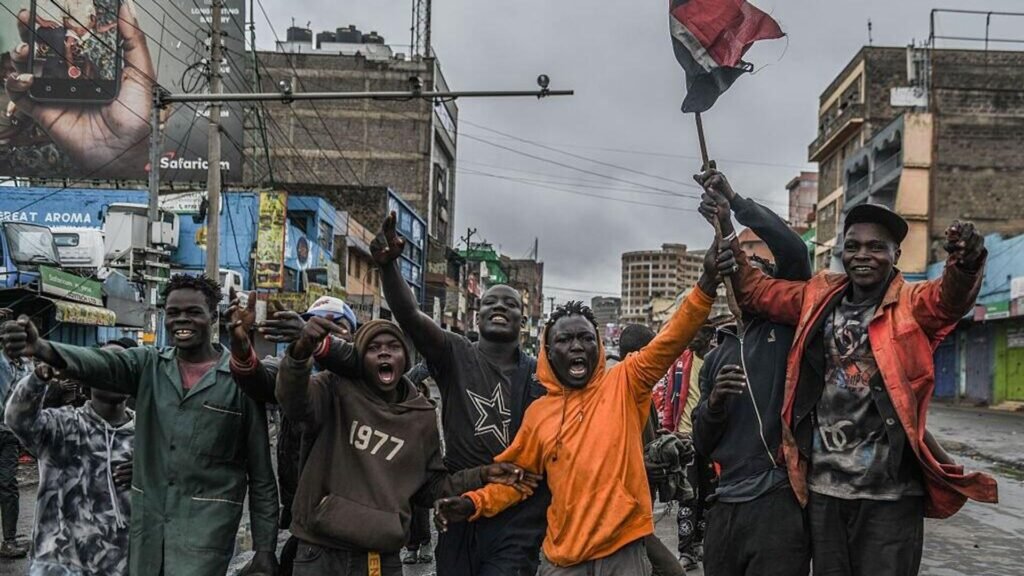

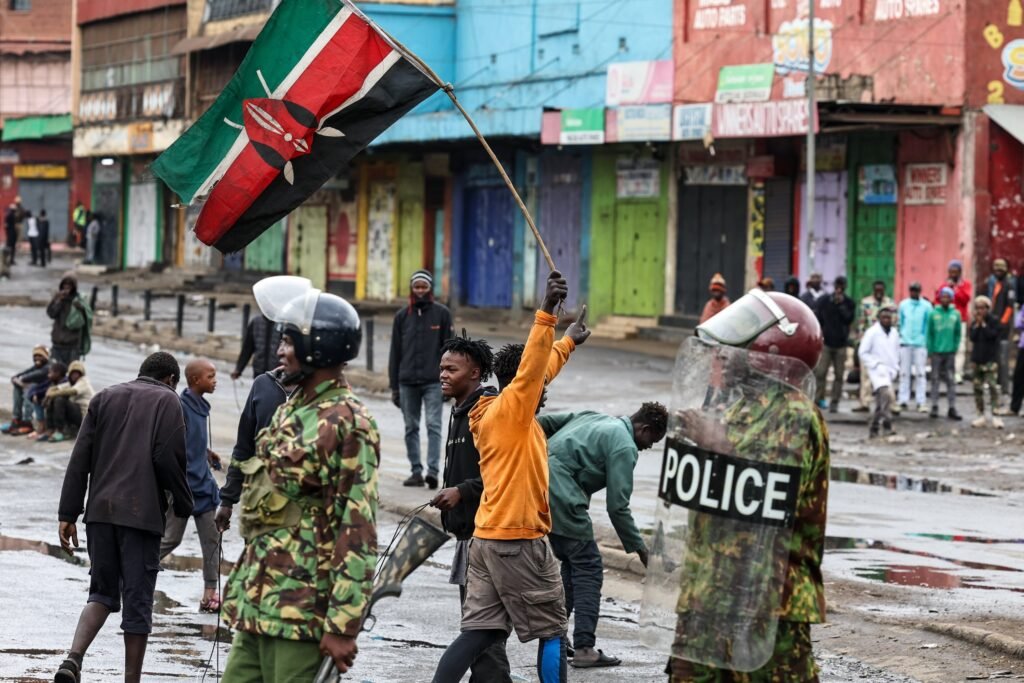
On July 7th, a defining moment in Kenya’s contemporary political crisis unfolded. What was initially planned as a peaceful protest under the hashtag #SabaSabaRevolutionDay ended not in democratic triumph but in a brutal crackdown orchestrated by the government of President William Ruto. The events of that day and the state response have compelled many among Kenya’s politically engaged youth to abandon any lingering hopes of peaceful reform.
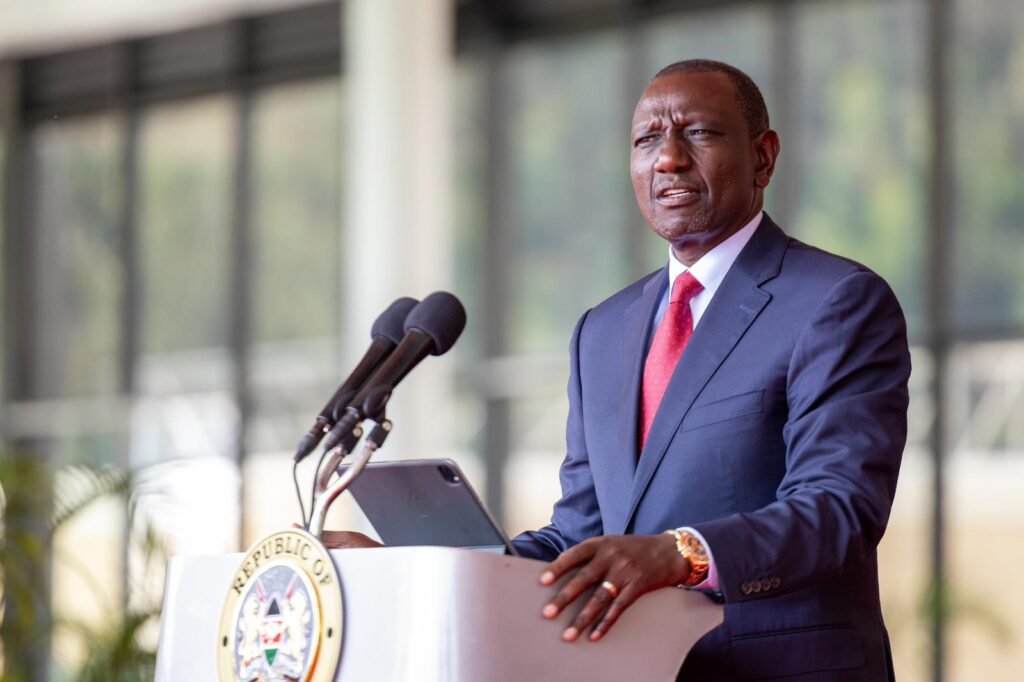
A Calculated Show of Force
The July 7 demonstrations were smaller in scale than earlier protests. But this apparent decline in mobilization served as a calculated opportunity for the Ruto regime. Even before dawn, the Central Business District of Nairobi was sealed off—not by protestors, but by the police. Elsewhere, the Kenya Defence Forces (KDF) were preemptively deployed across key areas: Kayole, Naivasha, and along the Nairobi–Nakuru Highway. Disturbing accounts emerged from the Mount Kenya region, where truckloads of police and armed groups—some uniformed, some not—had been stationed the night before. By daylight, looting and arson targeted Kikuyu-owned businesses in multiple towns, including Kirinyaga, Embu, Meru, and Nyeri. In Ngong, Kiserian, and Rongai, roving bands of armed men unleashed chaos. Witnesses report that in Ngong, the shooting began in the afternoon and extended well past midnight.
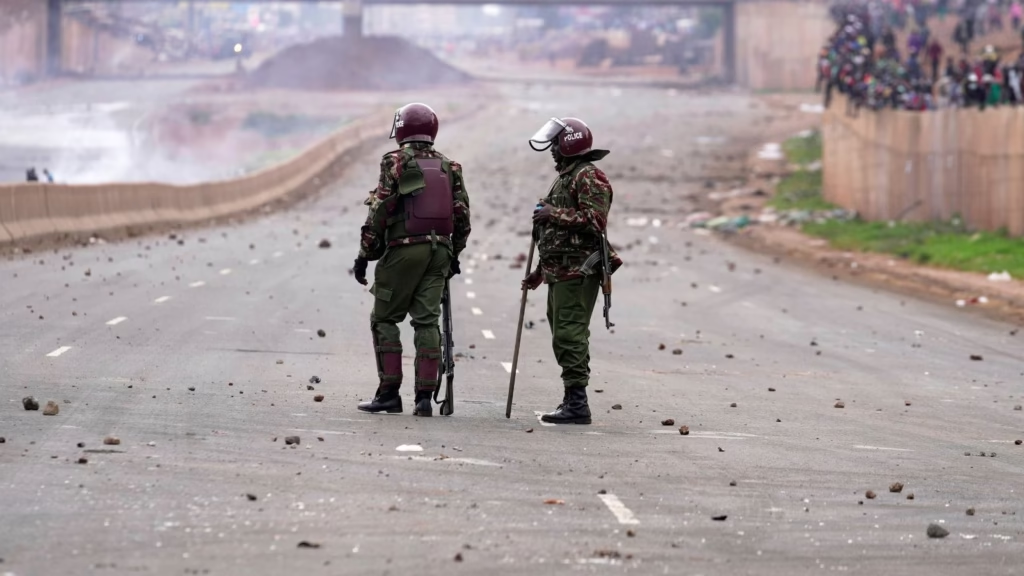
Social media overflowed with reports of indiscriminate killings. A protestor here, a barber standing outside his shop there. A 12-year-old girl, struck down while watching television at home. The official death toll has been raised from 11 to 31, but those close to the ground insist the actual number is far higher. This was not mere overreach; it was an act of coordinated state terror.
The Politics of Ethnic Division
This state-sanctioned violence had a calculated objective: to inflame ethnic tensions. By concentrating much of the violence in the Mount Kenya region—historically home to the Kikuyu community—the regime sought to provoke tribal hostility. In the broader national context, the maandamano movement is now being framed, both by official channels and online misinformation, as a Kikuyu-led insurrection aimed at destabilizing the state.
This strategy is not new. Kenya’s political elite have long used ethnic divisions to secure power and suppress opposition. When Raila Odinga disputed the 2007 election results, his Orange Democratic Movement instigated targeted violence against Kikuyus. At the time, William Ruto was one of his closest allies and was later accused of orchestrating the violence and even distributing weapons from his own home. The charges at the International Criminal Court were dropped only after widespread witness intimidation.
This cycle of ethnic manipulation and state violence is a cornerstone of Kenyan capitalism. Each faction of the elite exploits its ethnic base to capture power and wealth, while the masses suffer the consequences.
The Movement’s Revolutionary Potential
What sets the current protest wave apart is its conscious rejection of tribalism. Since its inception, the maandamano movement has declared itself “tribeless, partyless, fearless.” This is not merely a slogan but an expression of a new political consciousness among Kenya’s youth. The widespread social media hashtag #WeAreAllKikuyus reflects a commitment to national unity and a refusal to be divided along ethnic lines.
However, the brutality of July 7 has shattered illusions about the possibility of peaceful revolution. Many young activists now question whether further peaceful protests are anything more than a pathway to martyrdom. The deployment of the KDF without parliamentary approval has exposed the hollowness of Kenya’s constitutional framework. The judiciary and legislature, rather than acting as checks on executive power, have revealed themselves as compliant instruments of repression.
Signs of Discontent Within the Military
Even the hope of defeating Ruto in the 2027 elections is increasingly seen as a mirage. A recent poll indicated that half of all Kenyans lack confidence in the electoral process—a sentiment that has only deepened since July 7. Any future “free” elections would likely occur only under circumstances favorable to Ruto, designed to maintain the existing power structure.
Toward Revolutionary Organization
In light of these developments, several conclusions are unavoidable:
- Peaceful protest alone is insufficient. Continued demonstrations without a strategic pivot will only lead to more bloodshed. The movement must prepare for self-defense.
- The legal institutions of the state cannot be relied upon. The Constitution, parliament, and judiciary have failed to act in the public interest and now serve only to legitimize the regime’s violence.
- Tribalism must be actively resisted. The regime seeks to divide the masses along ethnic lines to secure its rule. Unity across tribal lines is essential to any emancipatory project.
- The army is not yet a dependable tool for counter-revolution. Discontent within the ranks of the KDF could become a decisive factor if the revolutionary movement can articulate demands that resonate with soldiers.
The movement must now organize. The idea of being “leaderless” has its place in rejecting corrupt political elites, but advancing the cause requires a coherent program and disciplined structures. Committees of action must be formed—locally, regionally, and nationally—to coordinate protest, defend communities, and prepare for political escalation.
The call for arms should not be interpreted as a descent into chaos. Rather, it is a recognition that the state has already declared war on its people. Discipline, organization, and clarity of purpose will be essential to avoid the pitfalls of provocation and fragmentation.
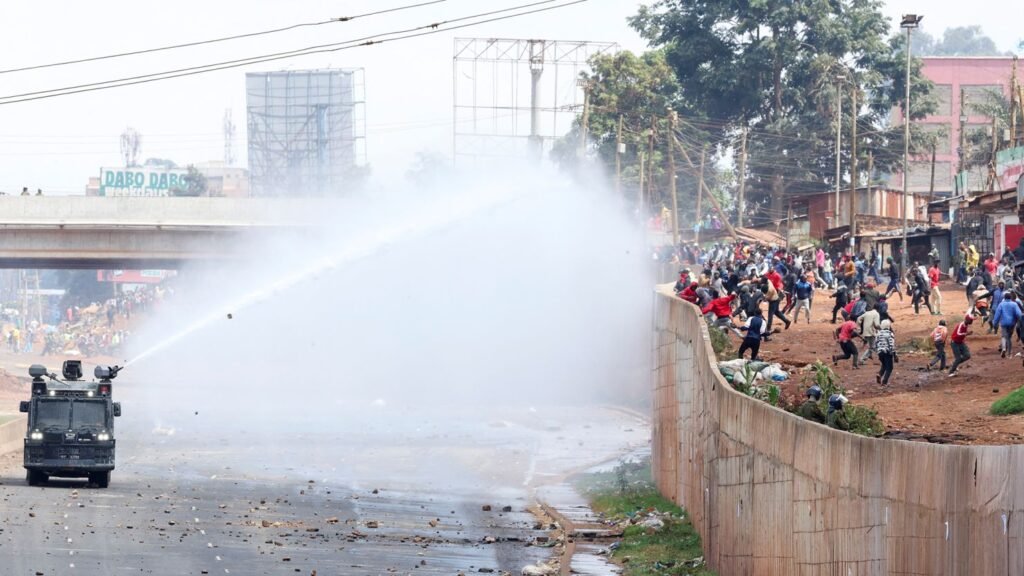
The counter-revolution has advanced. But the youth are not defeated. The contradictions of Kenyan capitalism are sharpening, and the revolutionary forces are learning. If a party can be forged from this crucible, one that learns from every setback and builds for every upsurge, then the days of Ruto—and of the entire corrupt capitalist order—are numbered.