

Beijing’s primary geopolitical apprehension arises when diplomatic gestures suggest a warming relationship between the United States and the Russian Federation. Chinese strategists consistently express concern that an amicable dynamic between Washington and Moscow could significantly disrupt Sino-Russian relations and prompt a decisive shift in American strategic focus toward China. Furthermore, analysts in Beijing maintain that any normalization in Russian-American relations threatens to dilute Russia’s overarching strategic reliance on the Chinese state. This geopolitical anxiety is further complicated by the evolving relationship between Moscow and Pyongyang. While Beijing publicly views the rapprochement between Russia and North Korea as presenting a mixture of advantages and disadvantages, the underlying reality is that North Korea’s acquisition of diversified material and technological sources may gradually erode its historical economic dependence on China. Consequently, Chinese media has increasingly highlighted the integration of North Korean culture into everyday Russian life. According to Chinese commentator Zhang Chenyi, the Russian public’s engagement with North Korea has shifted from consuming diplomatic and military news to a tangible cultural wave, characterized by the introduction of North Korean cinema, art exhibitions, and culinary establishments across Russia. This cultural visibility signifies that the bilateral relationship between Moscow and Pyongyang has assumed a quiet but novel form following the onset of the Russia-Ukraine conflict.
Media Narratives and Perceived Western Interference
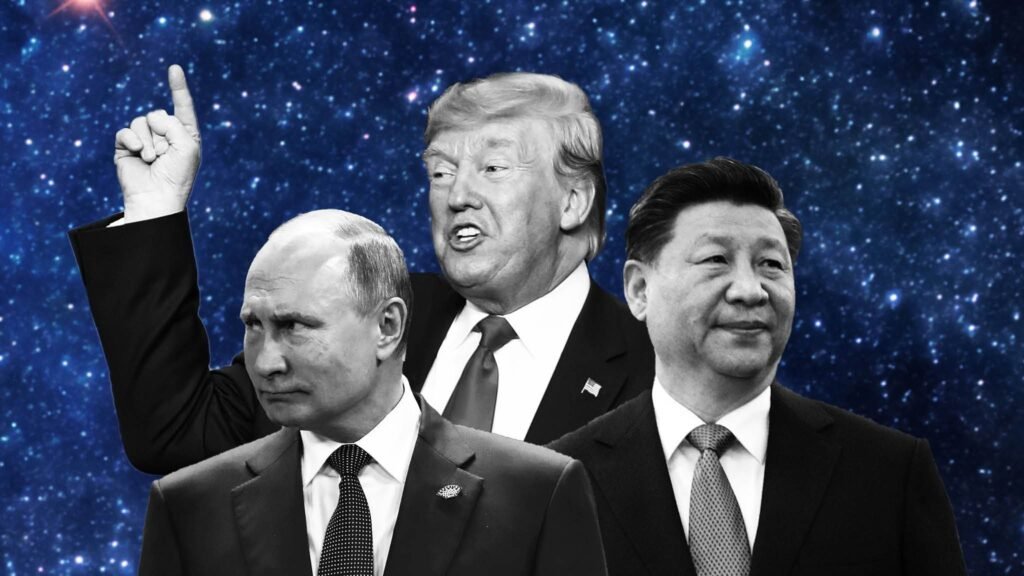
Following the commencement of Donald J. Trump’s second administration in January of last year, Chinese op-eds and media commentaries have intriguingly focused their analytical weight on anticipating Vladimir Putin’s maneuvers rather than strictly evaluating the incoming American administration’s policies. Chinese publications have prominently questioned whether Trump is successfully aligning with Russia against China and whether Moscow might genuinely betray Beijing. In April, a prominent Shanghai-based digital publication featured a comprehensive article by a Russian foreign policy expert asserting that reliance on the United States remains fundamentally unsustainable for both nations. Concurrently, as President Xi Jinping met with President Trump at the White House on September 24, Chinese electronic media highlighted growing unease in Moscow regarding the possibility that China might alter its diplomatic trajectory. Furthermore, Chinese observers maintain a pervasive belief that mainstream Western media continuously attempts to fracture the “no-limits” partnership. Beijing points to publications such as the New York Times, which contrasted Trump’s courting of Putin with Xi’s emphasis on close Russian ties, alongside editorials from Singapore’s Epoch Times and Radio France Internationale that aggressively questioned China’s patience with Russia and Moscow’s capacity to support Beijing’s diplomatic initiatives in the Middle East.
Diplomatic Reassurances and Economic Asymmetry
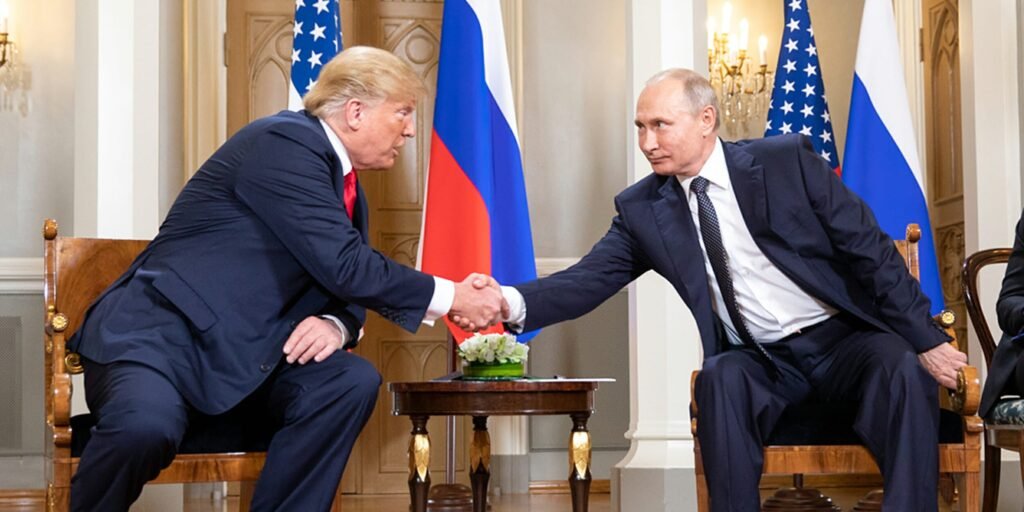
Russian leadership remains acutely aware of the anxieties permeating Beijing regarding a potential American-Russian diplomatic thaw. To mitigate these strategic fears, figures such as Russian Foreign Minister Sergey Lavrov and President Putin routinely issue statements guaranteeing that Moscow will never collaborate with Washington to undermine Chinese interests. Following a Trump-Putin summit in Alaska last year, Lavrov explicitly assured the media that Russia would not join forces with the United States to confront China.
These assurances were further emphasized during Putin’s visit to Beijing, which occurred shortly after Trump’s trip to China, with Chinese commentators rationalizing that the stabilization of Sino-American relations does not necessitate the deterioration of Sino-Russian ties. Nevertheless, beneath these diplomatic reassurances lies a growing Russian discomfort regarding the severe trade asymmetry between the two nations. Despite China’s unwavering support for Moscow throughout the four-year Ukrainian conflict, Russian think tanks increasingly warn that Beijing could weaponize this trade imbalance. Chinese experts dismiss these Russian fears as self-inflicted paranoia, arguing that Moscow’s heightened sensitivity to over-reliance stems directly from its heavy economic dependence on China in the face of severe Western sanctions.
Strategic Misjudgments and the American Pivot
Analysts in Beijing reject the notion that Moscow’s diplomatic overtures toward the United States are merely routine diversification tactics, viewing them instead as strategic misjudgments fueled by Russian suspicion of Chinese intentions. Beijing is particularly alarmed by three specific developments:
Putin’s proactive reopening of dialogue channels with the United States, Moscow’s mounting anxiety over bilateral economic asymmetry, and the inauguration of the first cross-border highway bridge connecting Russia and North Korea. Regarding American relations, Chinese strategists are deeply scrutinizing unexpected diplomatic engagements, such as a sudden three-hour closed-door meeting between Witkov-Kushner and Putin in Moscow. Chinese commentaries argue that even a localized or tactical loosening of the Sino-Russian alliance must be treated as a critical variable in Beijing’s strategic assessment framework. The prevailing fear in Beijing is that if the United States successfully withdraws from European entanglements, Washington will rapidly pivot its strategic focus to the Asia-Pacific, placing immense pressure on China’s security environment while simultaneously providing a less-dependent Russia with enhanced bargaining power in bilateral negotiations.
Sanctions and the Transactional Reality of the Alliance
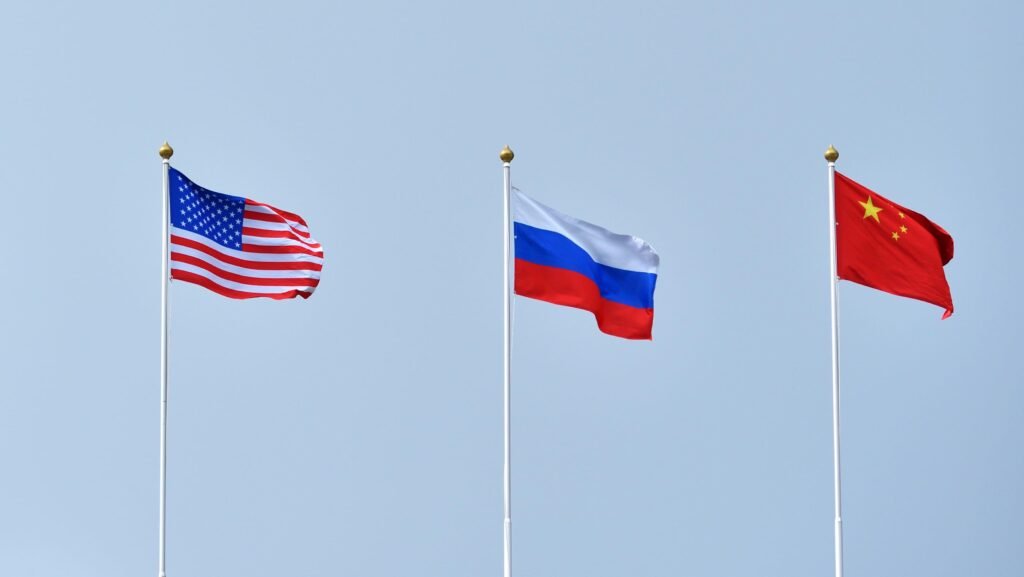
This mutual suspicion has been further exacerbated by the recent enactment of the Lindsey O. Graham Sanctioning Russia and Iran Act of 2026, signed into law by President Trump. This legislation grants the American president the authority to impose tariffs of up to 100 percent on nations, explicitly including China and India, that continue to purchase Russian oil and gas. Following the passage of this law, Russian media warned Putin that Beijing might succumb to American economic pressure and alter its policies to avoid punitive tariffs. Addressing these tensions at the Valdai Discussion Club on October 1—which coincided with China’s National Day—Putin publicly rejected the use of administrative restrictions or sanctions against Chinese manufacturers, drawing a sharp contrast with Western practices. However, Chinese observers reacted with lingering skepticism, suggesting that Russia’s optimal geopolitical role is merely to serve as a massive raw material exporter, supplying timber, oil, gas, and coal to China in exchange for a high standard of living. Ultimately, Chinese analysts recognize that the “no-limits” partnership is devoid of genuine emotion and is driven entirely by stark national interests. Some experts even speculate that Putin’s long-term strategy involves redirecting European hostility toward the East to alleviate strategic pressure on Moscow.