

The Legacy of Centralization and Bourgeois Nation-State Building
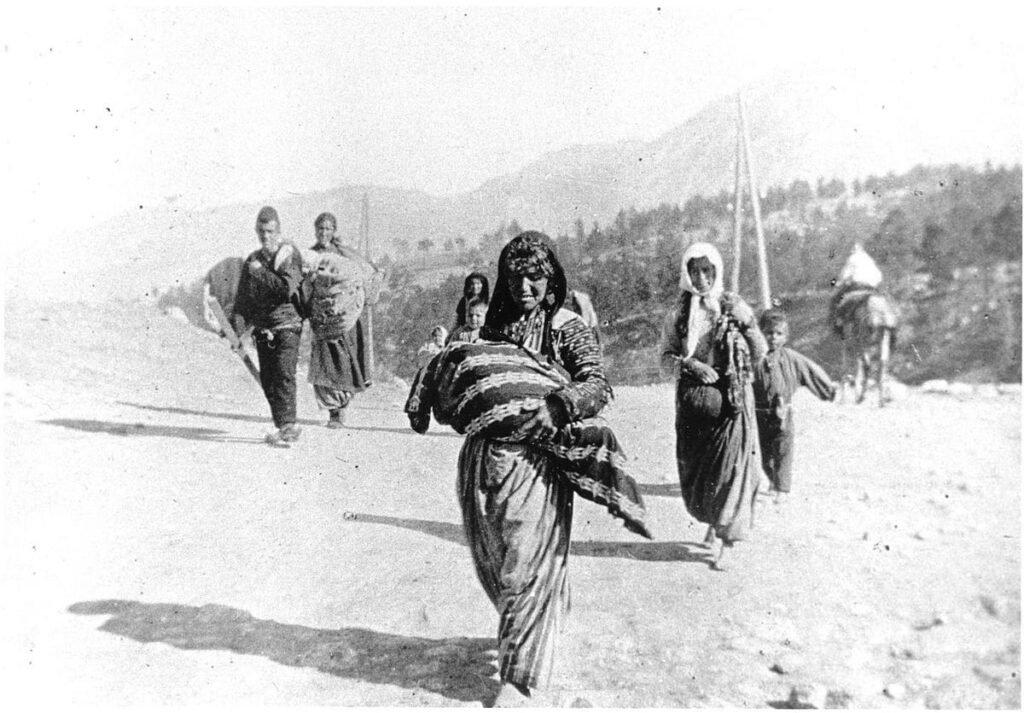
The Republic of Turkey is governed in the tradition of the “centralized state” inherited from the Ottoman Empire. The bourgeois Kemalist founding process, led by the Committee of Union and Progress, rebuilt the “centralized state” model in the form of a “bourgeois dictatorship.” The process of the dissolution of the empire and its contraction into the existing geography was decisive in the establishment of the bourgeois nation-state. The new bourgeois nation-state built itself on Turkist and Islamist foundations. This construction has been extremely destructive and bloody for the geography of Anatolia and Mesopotamia—a garden of peoples and beliefs, the cradle of dozens of civilizations, and the backdrop for the beginning of the Neolithic period. The monist nation-state could only be realized through massacres and genocides.
Massacres, Genocides, and Political Repression

The Armenian and Greek genocides were the preliminary steps of the Turkic establishment. Then the massacres of Kurds and Alevis and the massacres, attacks, and prosecutions against communists continued systematically. The process that started with Armenian and Greek communists and then continued with the murder of Mustafa Suphi and 14 of his comrades—the leading cadres of the TKP—in the Black Sea on the orders of Mustafa Kemal himself, is still ongoing. With fascist coups every ten years, the revolutionary class struggle was first of all targeted to be broken and liquidated.
The Kemalist bourgeois dictatorship was established and continues with genocide, massacres, and systematic fascist terror on communities of different identities and beliefs.
Present-Day Fascist Order and Suppression of Rights
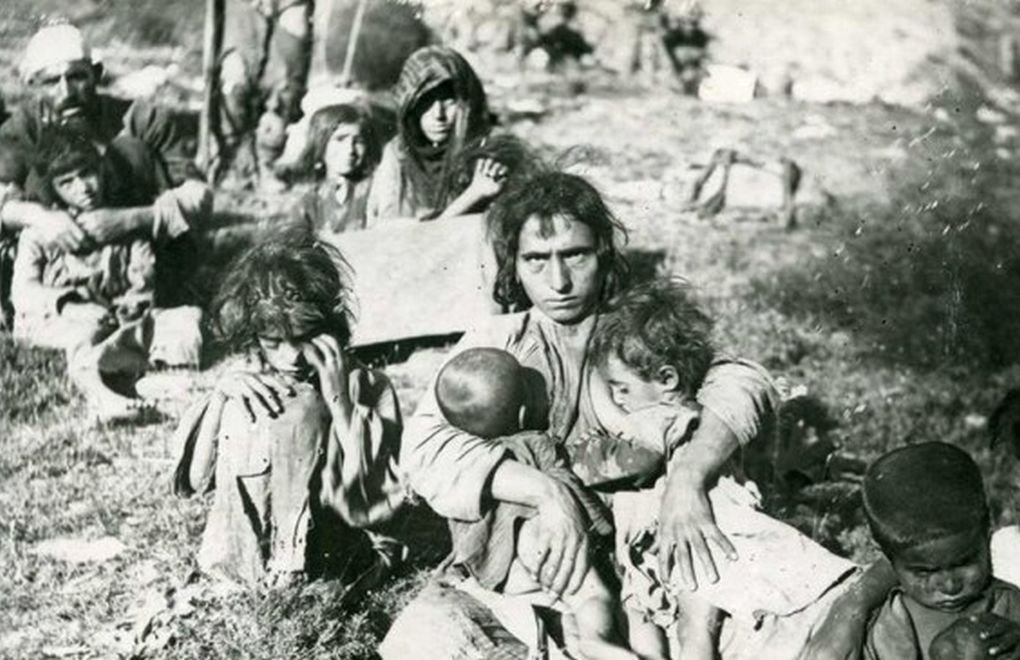
Today, Turkey is a bourgeois fascist dictatorship that holds Kurdistan under a colonial yoke. Capitalism is the dominant mode of production at a medium level of development; feudal relations and the rural economy have been largely neutralized.
The freedom of speech, action, and organization of the peoples, Alevis and different beliefs, the working class, and communists are suppressed by fascist state terror.
Although, legally, trade unions and socialist parties can be established, in practice, these rights are limited to the framework permitted by the state. Trade unions can operate as state trade unions, and socialist parties can function as long as they are not against the unitary state structure and the first four articles of the constitution. The rights described in the law are all on paper.
Kurdish Struggle for National Freedom
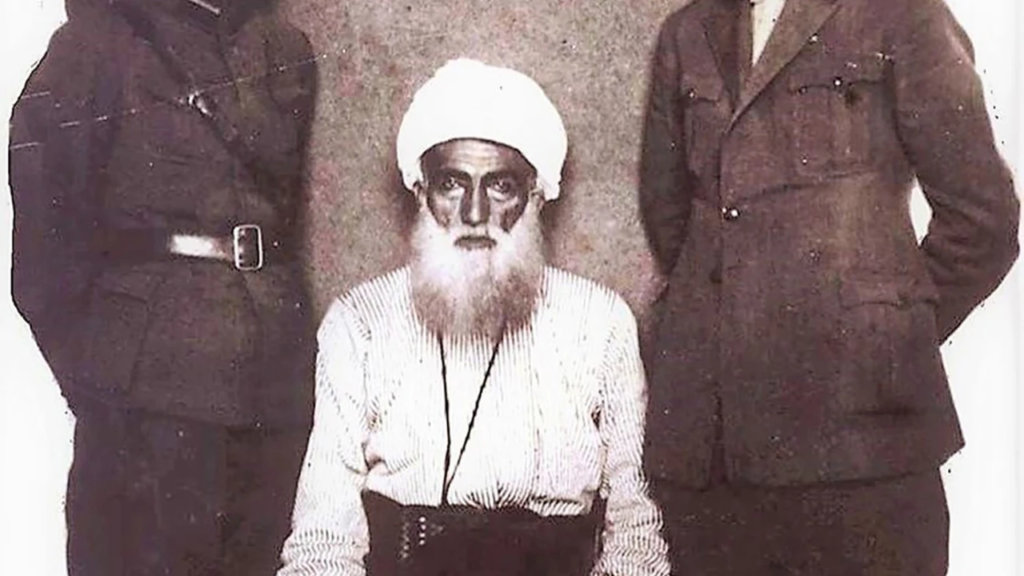
Turkey is geopolitically a transit point between Asia and Europe. Historically, it has been the scene of uninterrupted wars and occupations. Anatolia and Mesopotamia are also the geography of rebellions and uprisings. With the establishment of the Republic in 1923, rebellions and resistance continued. The course of the Republic’s development was marked by the colonization of Kurdistan and the fascist oppression and massacres of Kurds. The Kurdish people’s struggle for national freedom is still ongoing with different demands and leaderships. Many revolts started in different centers and on different scales and were suppressed with massacres. The most well-known of these are the Koçgiri rebellion, the Sheikh Sait rebellion, the Ağrı rebellion, and the Dersim rebellion-massacre. The latest rebellion, led by the PKK, continues with its organized structure and effective armed struggle in four parts of Kurdistan and all over the world.
History of Revolutionary and Socialist Resistance
The revolutionary communist movement was significantly weakened, especially with the murder of Mustafa Suphis in the Black Sea.
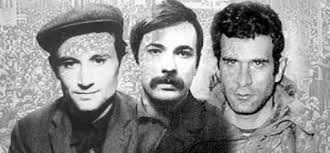
The socialist movement then reorganized itself under many different names and programs. The ’68 youth movement and the revolutionary outburst of ’71 led by Mahir Çayan, Deniz Gezmiş, and İbrahim Kaypakkaya still represent the veins that have left their mark on the socialist movement.
The working-class movement also developed and struggled side by side with revolutionary organizations in the same periods.
The great workers’ resistance of June 15–16 in 1970 and the resistance of DİSK with a political agenda can be counted as important milestones.
The 1980 Coup and Neoliberal-Islamist Order
The 1980 military fascist coup was carried out as a blow to the development of the revolutionary movement and for the construction of the moderate Islam project under the leadership of the USA. A coup d’état directed and organized by the US was carried out in NATO-member Turkey. With this coup, the left was liquidated to a significant extent. The revolutionary socialist movement failed to put up effective resistance against the coup.
Interconnected Struggles and Rising Contradictions
The Kurdish question is a dominant problem in Turkey. The struggle for the liberation of the Kurdish nation, which is kept under a colonial yoke, and the struggle for the liberation of the working class are intertwined.
National, religious, sexual, and class contradictions have become extremely sharp in the country.
The resistance and struggle of the Kurdish people is one of the main factors challenging the fascist dictatorship.
Instead of solving the problems—even on a bourgeois basis—the state is strategically determined to manage them through fascist methods of force.
Therefore, even the most democratic gains require a determined struggle against fascism. There is not a single democratic right that is not won and defended through struggle.
The contradictions are extremely sharp, the fascist state policies are extremely destructive, and, in the face of this, the struggle for revolution and socialism is just as determined and stable.
AKP Rule, Neoliberalism, and State Violence
In the 23 years of AKP rule, neoliberal policies have reached their peak. Working in perfect harmony with international capital, the AKP continues to rule with cheap labor exploitation, precarious work, and the exploitation of nature.
The Turkist and political Islamist policy is being pursued by the AKP.
International Solidarity and Revolutionary Duty
It is important to show international solidarity with the people resisting in Turkey and Kurdistan.
This solidarity should be mainly a struggle against their own bourgeois governments, especially in the EU countries, because the Turkish bourgeois fascist state carries out all its policies with the political and economic support and approval of international capital and imperialist states.
For example, just as taking a stance against the genocide in Palestine cannot be narrowed down to humanitarian solidarity, it is absolutely necessary to fight against Israeli Zionism and all its supporters—especially the US. So, the struggle against fascism in Turkey is also within this scope.
The other dimension is internationalist revolutionary and socialist alliances. The most fundamental need in the world today is the establishment of an anti-capitalist, anti-imperialist, anti-fascist, anti-Zionist international.
December 19 Protests: A New Wave
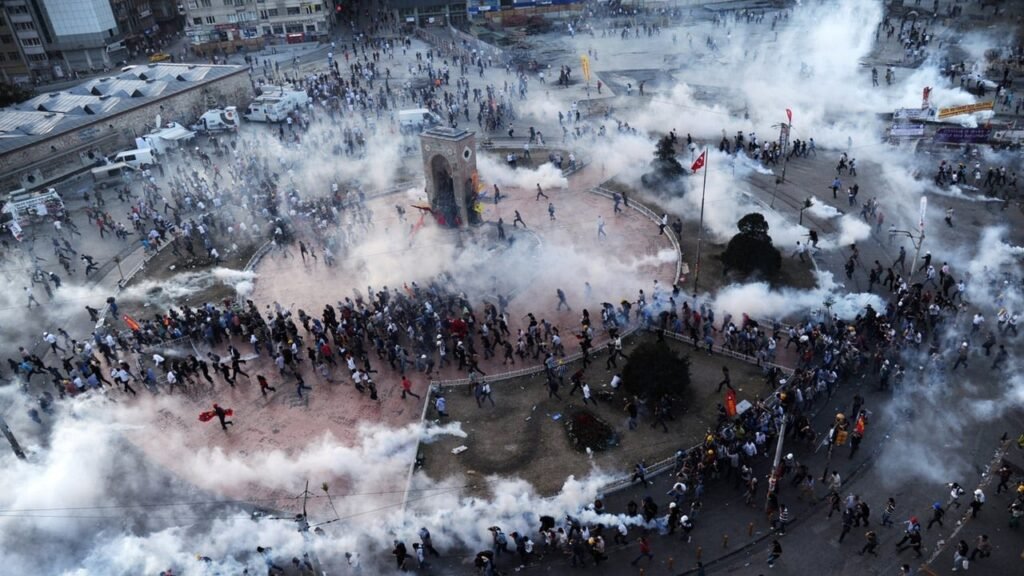
On December 19, the people’s and youth movement that started with the detention and arrest attack on Istanbul Metropolitan Municipality (İBB) Mayor Ekrem İmamoğlu and his team became the most effective street movement after the 2013 Gezi uprising.
It started with İmamoğlu but quickly surpassed him and entered a line demanding “freedom.”
All sections of society, without exception, are under heavy pressure and each is raising their own unique objections. The movement lacks a common leadership and program. However, the movement is also a preliminary preparation for bigger movements. Mass courage has emerged against the politics of fear and lies.
“General Strike, General Resistance”
The slogan and demand of “GENERAL STRIKE, GENERAL RESISTANCE,” which stands out in the actions, expresses an important level. It expresses the goal of leapfrogging the popular reaction to a struggle against the capitalist state by using the power that comes from production—together with the working class. In the face of the CHP’s historical role and policy of keeping the reactions within the system, the masses are trying to develop new plans of action. It is also critical for the revolutionary socialist movement to quickly build deep relations with the masses and quickly become prepared for new developments. The socialist movement and revolutionary youth tried to intervene effectively with their limited power on the streets. Apart from the CHP, the fascist youth movement—which has developed recently—has also been effective at times. However, as the movement develops, the influence of these elements will be broken and they will be liquidated.
Repression and Media Censorship
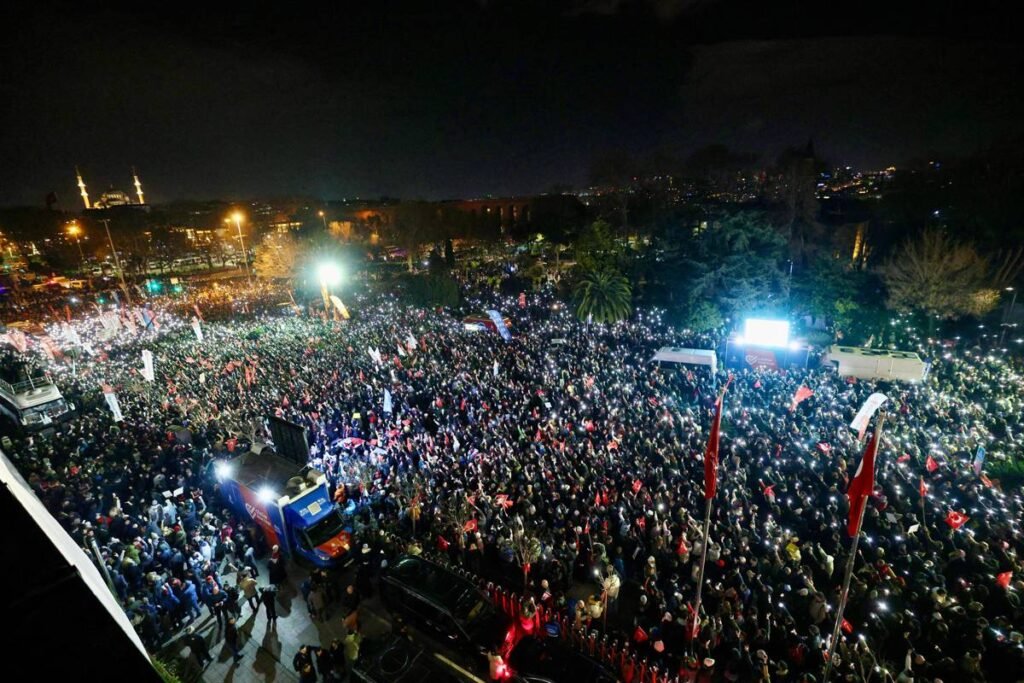
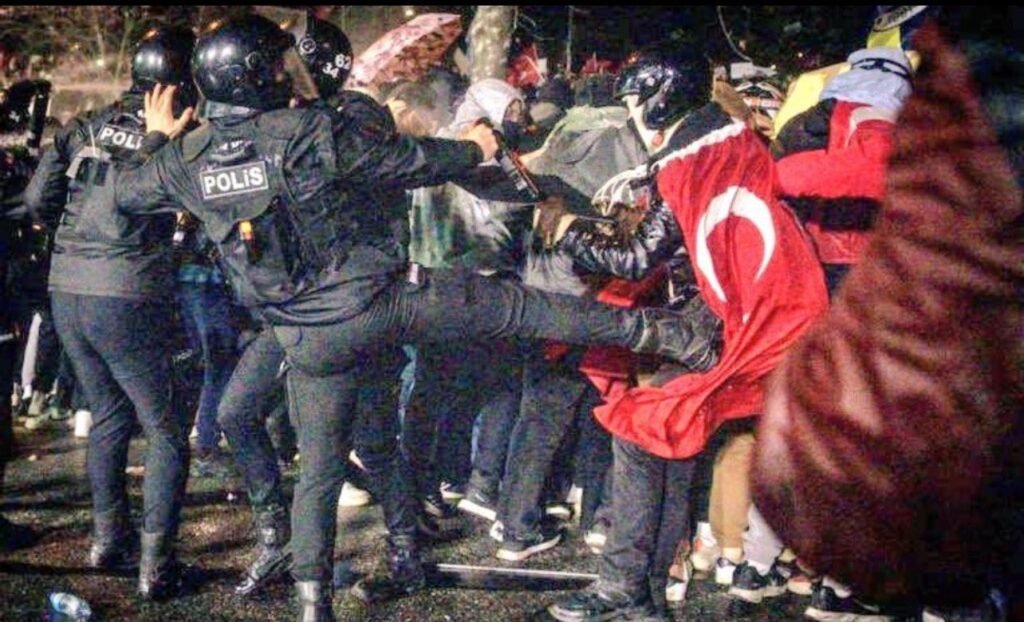
International revolutionary democratic solidarity, on the other hand, must first and foremost be based on the struggle against the governments that continue their political and economic relations with the AKP. From the very first moment, the government attempted to suppress the movement with intense attacks. Hundreds of people were detained and arrested. People were subjected to torture both in detention, at the police station, and in prison. At the same time, detentions of journalists continued. Access to hundreds of accounts on social media was blocked. Bandwidth throttling on the web as a whole was also carried out. The government made a special attempt to render the whole process invisible. But popular solidarity and the creativity of the action managed to open new paths. The protests continue, although not as widespread and massive as in the first week.
CHP’s Response and Political Calculations
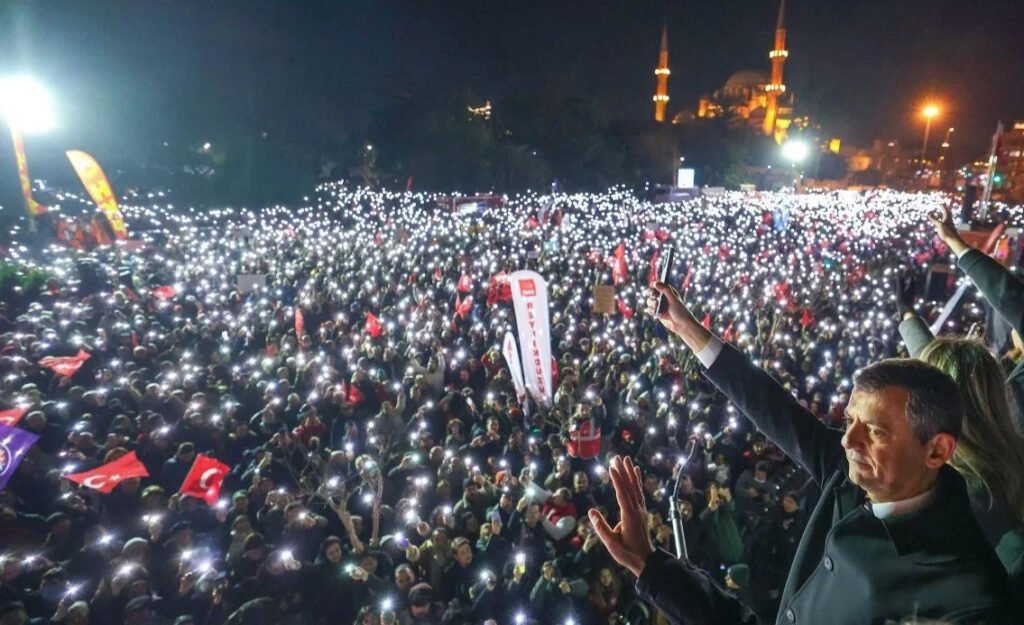
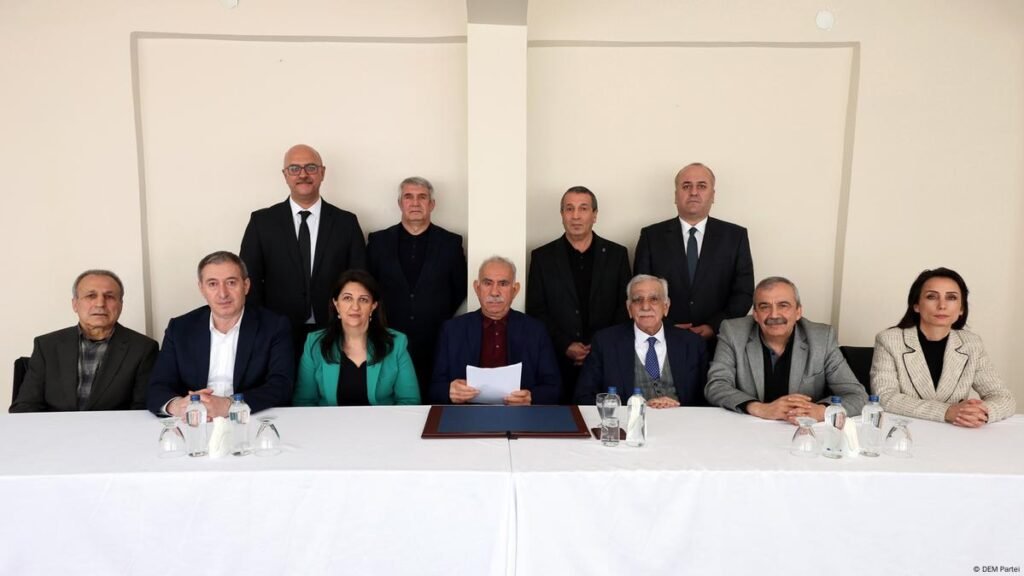
The CHP has announced its decision to stay on the move in the face of the operations against its municipalities, the cancellation of the party’s last congress, and the possibility of trustees being appointed to the party. It is organizing mass rallies in one district and city every week.
The CHP is also organizing a petition for İmamoğlu’s release and for early elections.
The government’s calculations have been thrown out of whack by an unexpected reaction. As a result of the movement, it can be said that the appointment of a trustee to the İBB was prevented.
Future Outlook and Revolutionary Necessity
The AKP/MHP government does not yet seem likely to call early elections. Politically and economically—and more importantly, in the Middle East and Syria—it is significantly out of the game, which increases its vulnerability.
Under these conditions, it also aims to gain an advantage by disarming the Kurdish armed struggle as a result of negotiations with Öcalan. Even if disarmament takes place, the government’s goals will not be realized.
The government is conducting systematic and comprehensive operations against the forces of labor and democracy as a remedy. It tries to prevent every possible popular movement in advance by neutralizing revolutionary democratic forces.
The Role of the Socialist Party of the Oppressed (ESP)
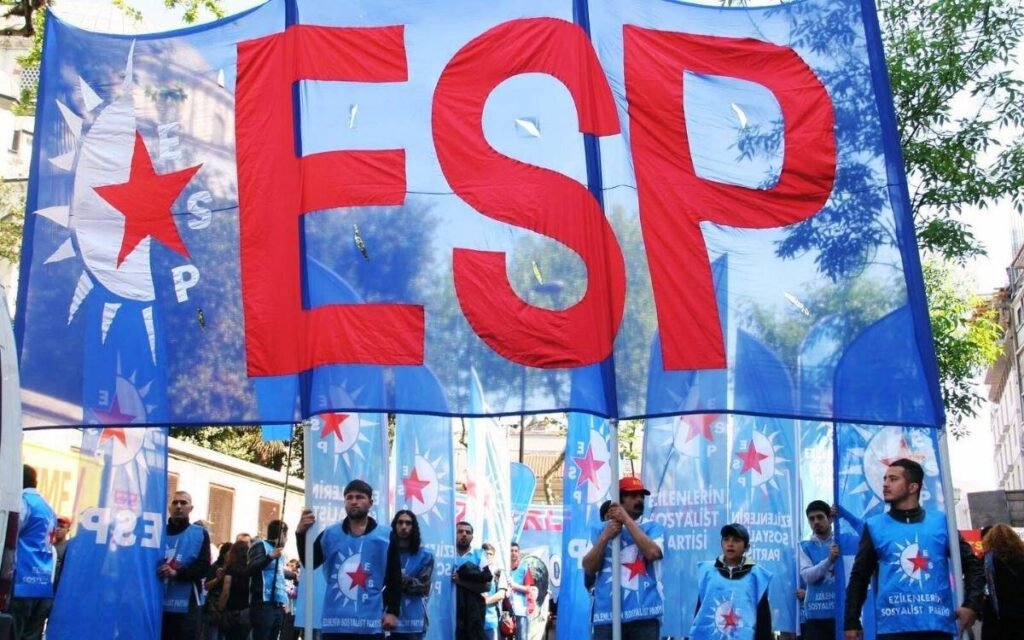
The Socialist Party of the Oppressed (ESP) is a direct part of the international communist movement. Our Party prioritizes looking at all issues from an internationalist perspective. It aims at the united struggle of the working class and oppressed peoples, the victory of democracy, and the establishment of socialism—the revolutionary power of the working class. For this, it accepts the effective use of every form of struggle depending on the conditions.
We consider the current developments within the framework of these programmatic views. We prioritize the struggle for democracy in conjunction with the struggle for political power. We consider the developing actions as the explosion of accumulated anger. If there is contradiction, there will be tension and action.
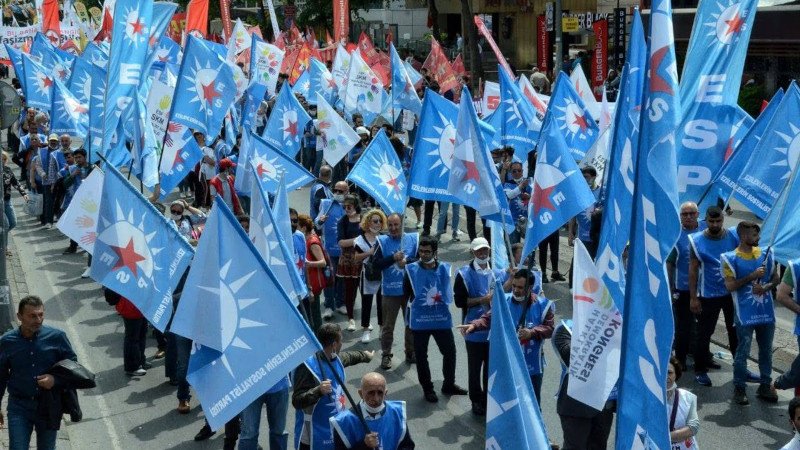
The task of socialists is to be concerned not only with the current, but also with the strategic—and not to leave revolutionary preparation for a moment.
While the street protests are being narrowed down to intra-establishment politics, we consider it a fundamental task to attempt to direct this movement toward a movement against the system together with ESP and other revolutionary socialist structures.
A Call for Revolutionary Leadership
Hundreds of protests and uprisings are taking place all over the world. The lack of revolutionary leadership and program causes all these movements to wither in the process.
The formation of a united revolutionary leadership is also an urgent need for Turkey. As ESP, we are trying to work toward this goal.